Window Handle Maintenance: Keep Your Handles Working Smoothly
Keeping a window handle working smoothly prolongs the life of the window and reduces call-backs for tradespeople. Whether you are a tradesperson fitting dozens of windows a week or a keen DIY enthusia...
Keeping a window handle working smoothly prolongs the life of the window and reduces call-backs for tradespeople. Whether you are a tradesperson fitting dozens of windows a week or a keen DIY enthusiast maintaining the family home, understanding how to service, adjust and replace a window handle is essential. This guide covers practical maintenance steps, common faults, lubrication advice and replacement options to keep every window handle operating reliably.
Common problems with window handles
Before you begin maintenance it helps to recognise common faults so you can diagnose issues quickly. Typical problems include:
- Stiff operation or handle that feels gritty when turned.
- Loose handle movement or play at the spindle.
- Handles that do not fully engage the locking mechanism.
- Corrosion or surface damage on external handles.
- Snapped or missing fasteners and set screws.
These faults can affect any type of window handle: casement handles, espagnolette handles, tilt-and-turn handles, or lever handles. Identifying which issue you have will determine whether you need simple maintenance or a full replacement of the window handle.
Routine maintenance checks
In a trade setting, routine checks save time on site and reduce customer complaints. For homeowners, a simple six-month check is usually sufficient. Follow this checklist:
- Operate each window handle through its full range to check for smoothness.
- Inspect fixings and screws; tighten slightly if loose but avoid over-tightening.
- Look for corrosion, wear on the spindle and signs of water ingress around the handle base.
- Check that the handle returns to its neutral position and that locking points align correctly.
- Note any rattles or excessive play; mark windows that need further attention.
Cleaning and lubrication: practical tips
Proper cleaning and lubrication often restore a faulty window handle to full working order. Use these trade-approved steps:
- Remove the handle where possible; most modern handles detach via a set screw or cover cap.
- Clean the handle and surrounding area with a mild detergent and a soft cloth; avoid solvents that may damage finishes.
- Blow or brush out dust and grit from the spindle cavity and locking mechanism.
- Use a light silicone spray or a dry PTFE lubricant on the spindle and moving parts; avoid heavy oils that attract dirt.
- Cycle the handle several times after lubrication to work the lubricant into the mechanism.
Silicone sprays and dry lubricants are preferred because they do not gum up in dusty environments. For external handles exposed to coastal conditions consider specialist corrosion inhibitors to protect metal surfaces.
When to replace a window handle
Replacement is necessary if maintenance cannot restore correct function or if the handle is damaged. Consider replacing a window handle when:
- The spindle is worn or scored and cannot engage the locking mechanism properly.
- The handle body is cracked, deformed or corroded beyond cosmetic repair.
- Internal components such as springs or followers have failed and parts are not serviceable.
- The style, finish or security level needs upgrading to meet customer requirements.
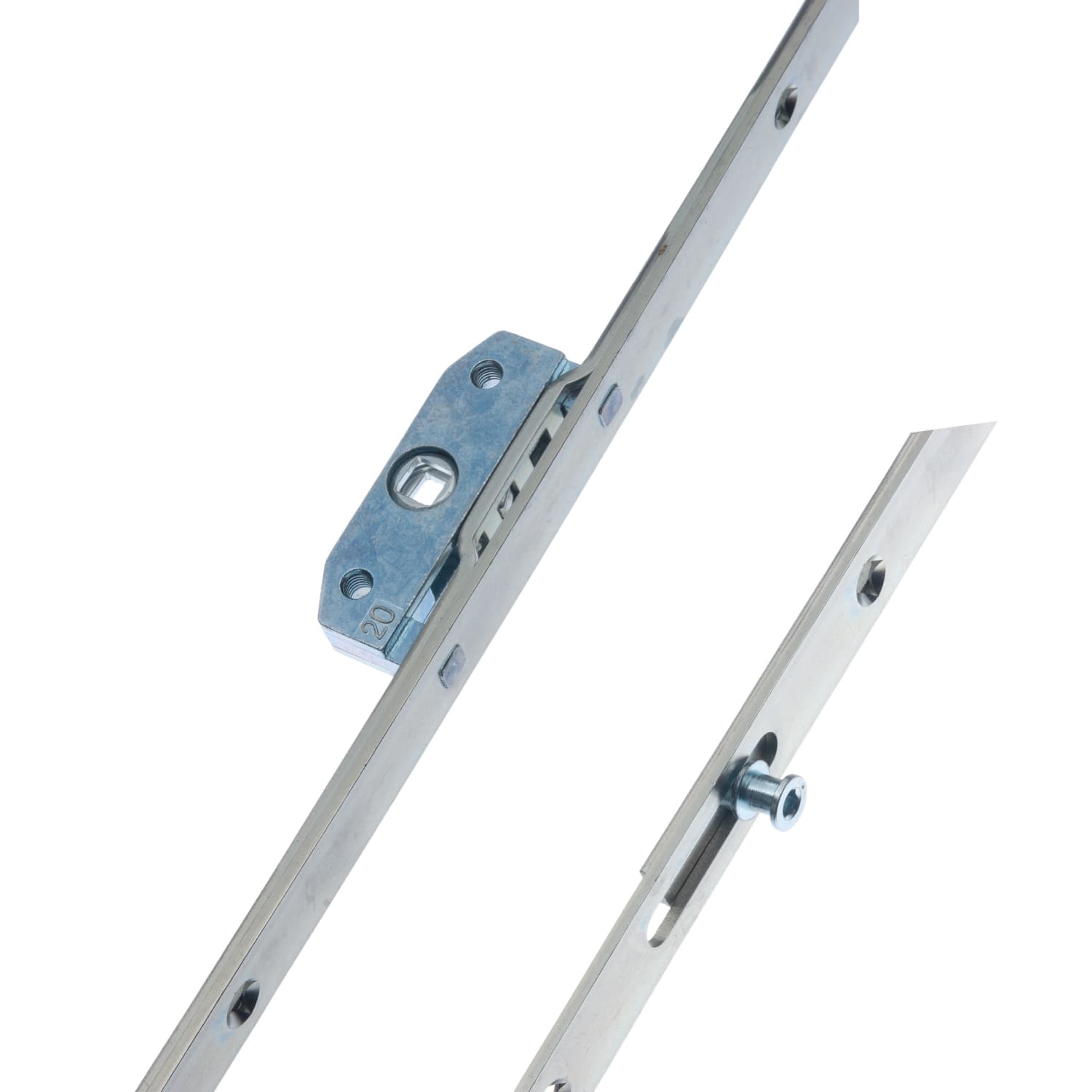
When replacing, match the spindle size, screw centres and handle rose diameter to ensure compatibility. Many handles use standard spindle sizes, but always verify on-site with accurate measurements.
Choosing the right handle: security and aesthetics
Selecting a replacement window handle is not just about fit: consider security, durability and appearance. Key considerations include:
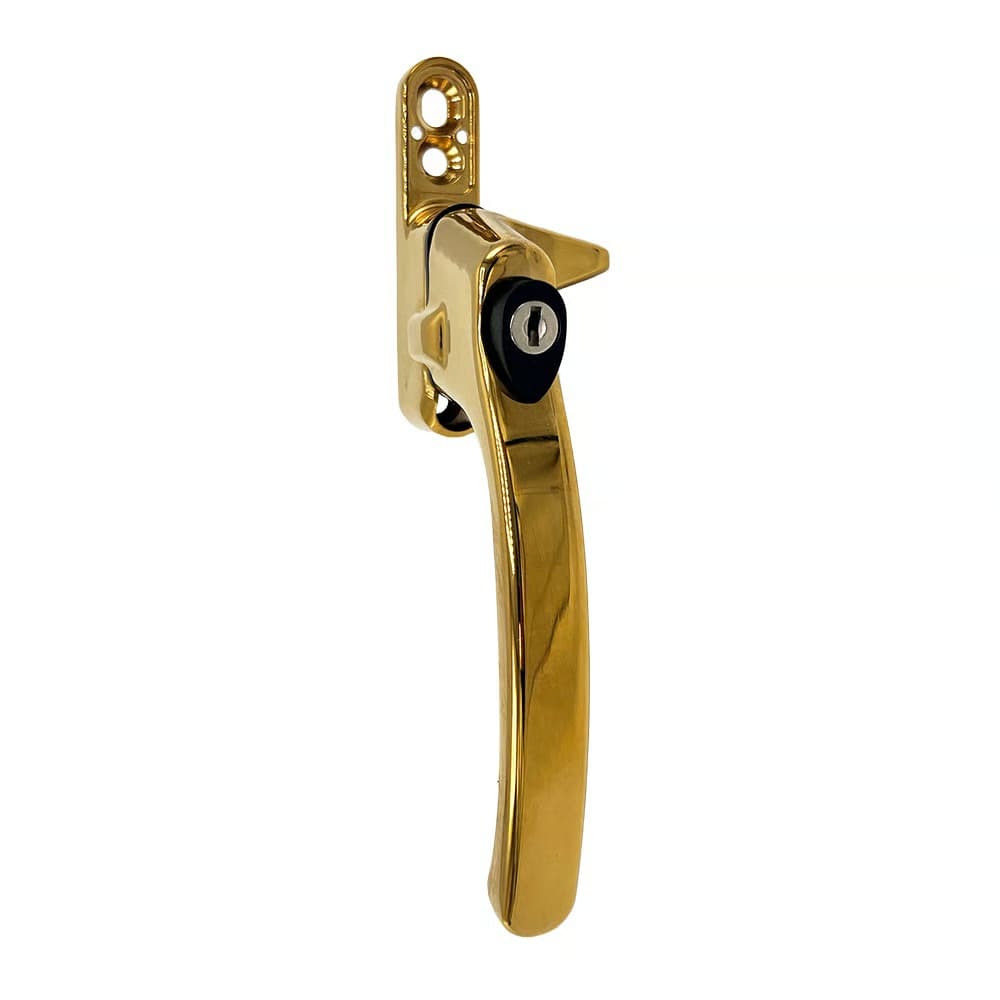
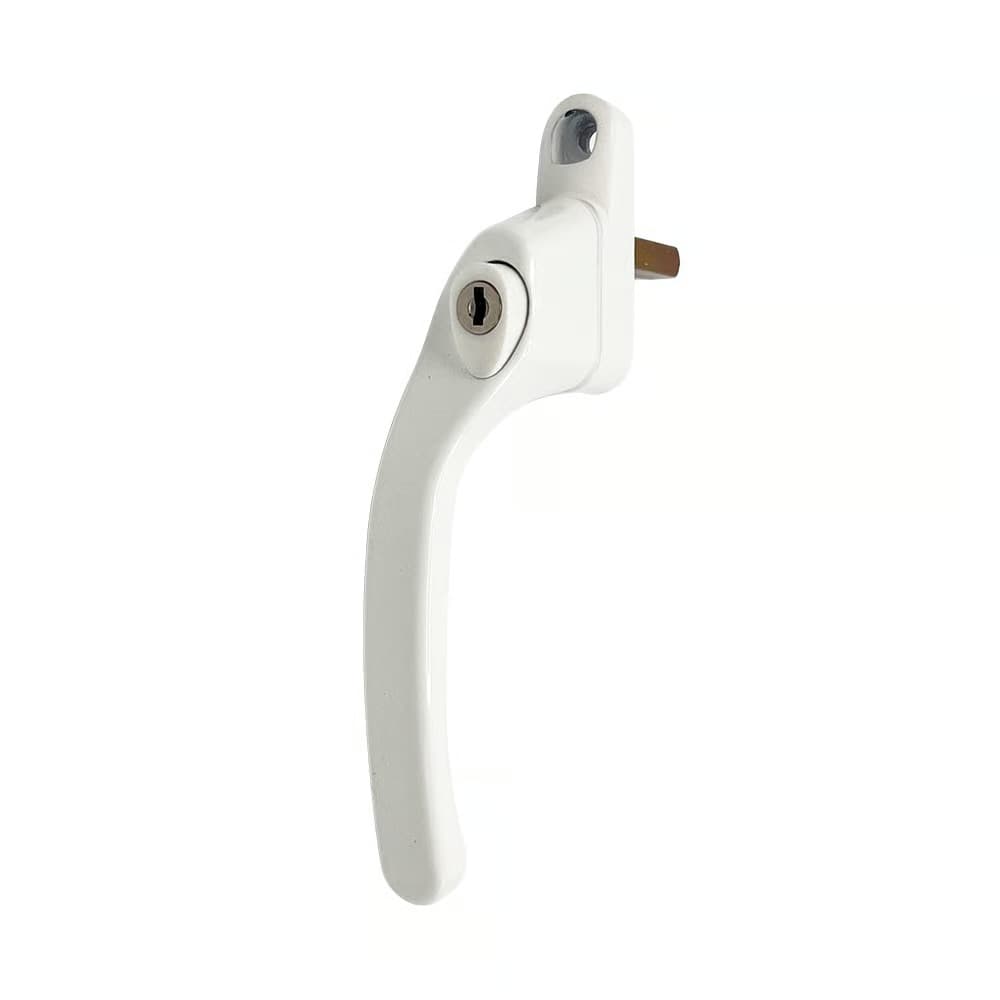
- Lockable vs non-lockable handles: lockable options increase child safety and meet some tenancy requirements.
- Materials and finishes: aluminium, stainless steel and powder-coated options resist corrosion better than plated finishes in harsh environments.
- Spindle and fixing type: reversible spindles suit left- or right-handed windows; concealed fixings give a cleaner appearance.
- Certifications: handles tested to PAS24 or Secured by Design may be required for certain projects.
Installation and safety tips for tradespeople and DIYers
Correct installation keeps a new window handle working for years. Follow these best practices:
- Always isolate and secure the window before working to prevent accidental movement.
- Use the correct size screwdriver or hex key to avoid damaging screws and set bolts.
- Where applicable, use threadlocker on fasteners that consistently loosen in frequent-use settings; use a removable grade for future maintenance.
- Check that the handle return spring operates freely and that there is no binding in the gearbox or keeps.
- Document any replacement with spindle lengths and part numbers for easy future maintenance.
Regular maintenance of a window handle reduces failures, improves security and keeps customers satisfied. Whether you are maintaining a property portfolio or fixing one window at home, simple checks and correct lubrication prevent many common faults. When replacement is required, choosing the right handle and installing it correctly will restore function and appearance quickly.
For additional guidance and product recommendations, refer to our window handle guide on the pillar page: /guides/window-handles. Proper maintenance and the right replacement parts will keep every window handle working smoothly for years to come.
Recommended Products
Based on this article, you may find these products helpful:
Part of our guide:
Complete Guide to Window Handles