What Is an Espag Handle? Complete Guide for Window Fitters
Whether you fit UPVC, aluminium or timber windows, understanding the espag handle is essential for reliable locking and secure installations. This guide explains what an espag handle is, how it works,...
Whether you fit UPVC, aluminium or timber windows, understanding the espag handle is essential for reliable locking and secure installations. This guide explains what an espag handle is, how it works, how to choose the right replacement, and practical tips for installation and maintenance. It is written for trade professionals but remains accessible to keen DIY homeowners.
What is an espag handle?
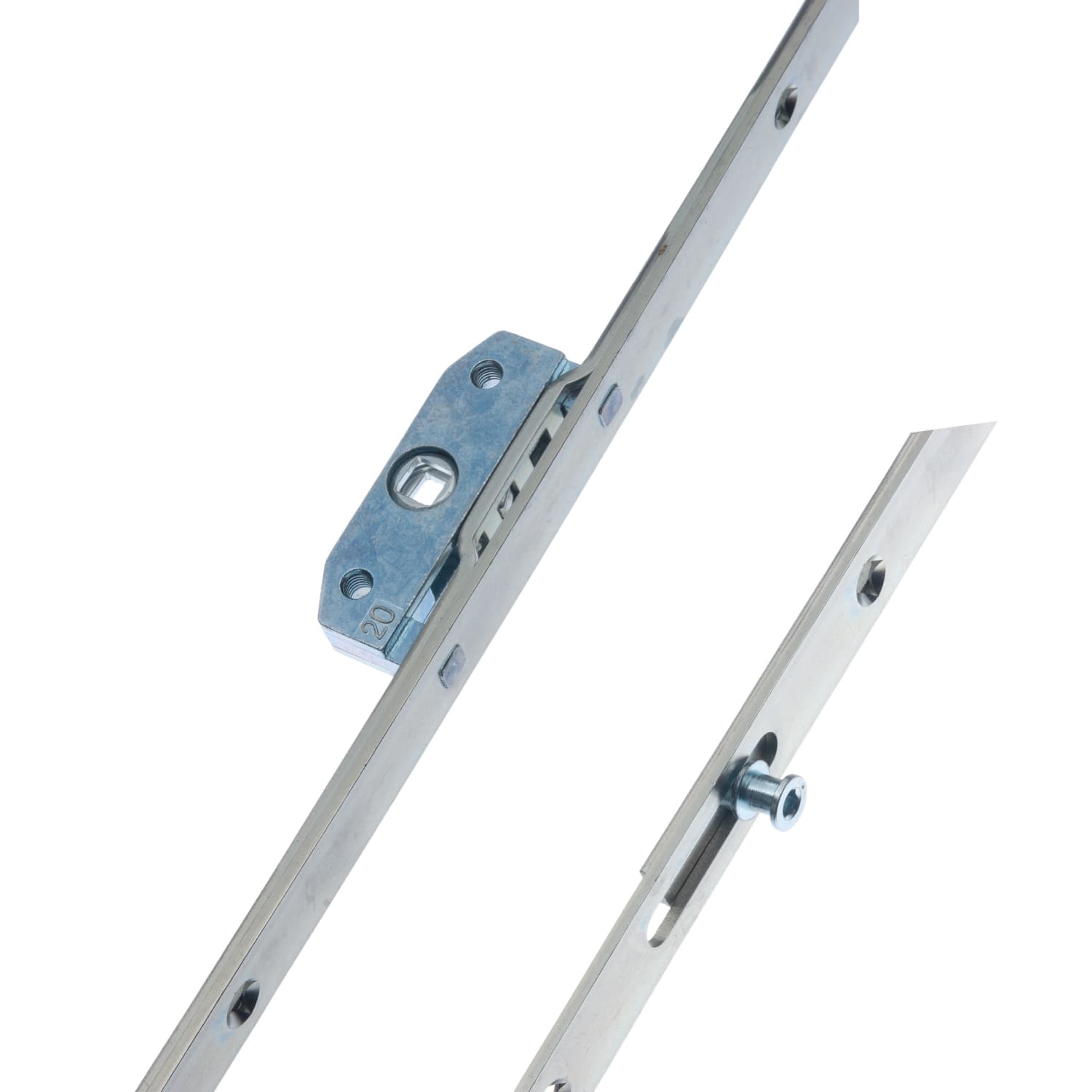
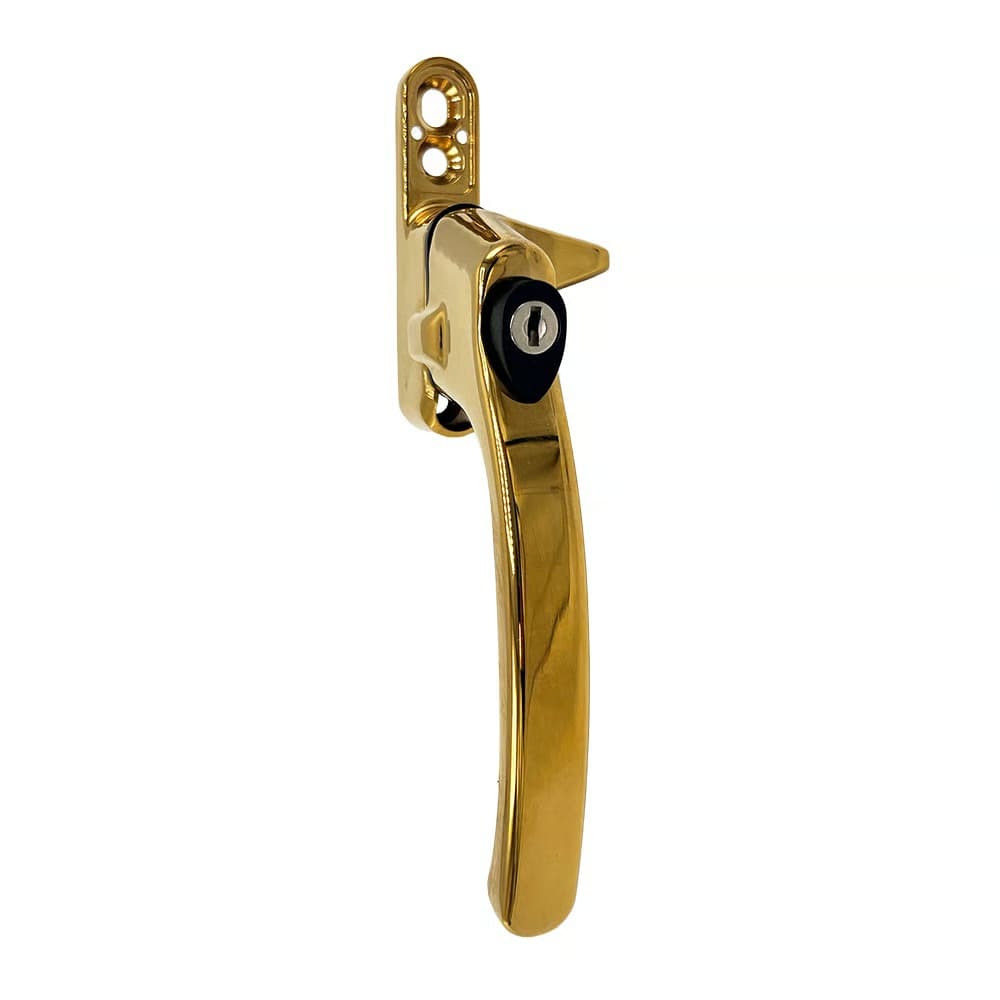
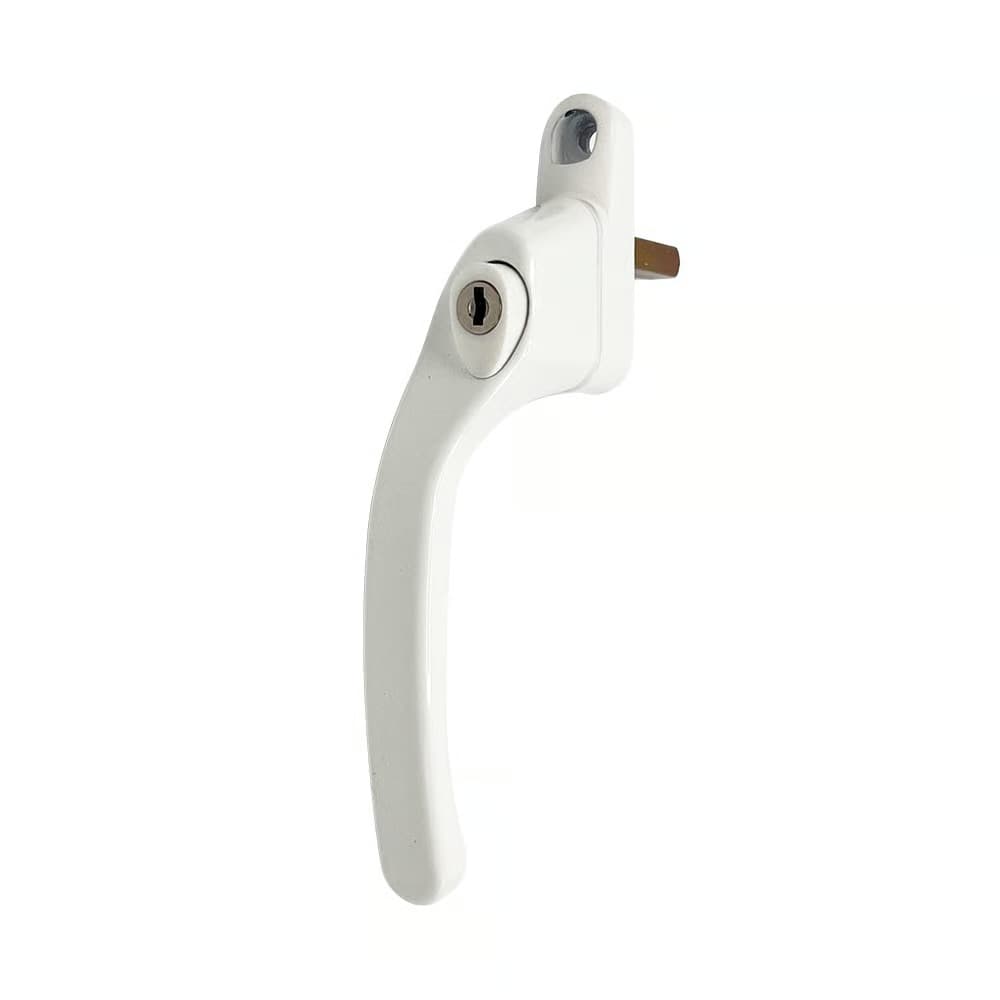
An espag handle is a type of casement window handle that operates a multipoint or espagnolette locking mechanism via a spindle and a gearbox. The term "espag" is short for "espagnolette", and the handle engages a steel rod or locking plate inside the sash so that turning the handle moves the locking cams, rollers or hooks along the window frame. A correctly selected espag handle gives smooth operation, secure locking and a tidy finish.
Typical components and how they work
Understanding the parts helps when specifying or replacing an espag handle:
- Handle lever: the visible part you turn; available in different shapes and handed versions.
- Spindle: the square or splined rod that passes through the handle into the gearbox; common sizes are 7mm and 8mm, and some systems use splined spindles.
- Gearbox: sits behind the handle; converts rotary movement into linear movement on the locking rod.
- Locking rod or strip: the espagnolette steel strip or rod that moves up and down inside the sash to engage keeps.
- Keeps/striker plates: fitted to the frame; the rod engages these when the handle is locked.
Types and variations you should know
Espag handles come in a number of variants to suit different windows and security needs. Common types include:
- Non-locking espag handle: basic for internal rooms where extra security is not required.
- Locking espag handle with cylinder: offers higher security with a profile cylinder; useful on ground-floor windows.
- Locking espag handle with button or push-in lock: often used where a cylinder is not ideal; provides basic forced-entry resistance.
- Key-operated handle: for commercial properties or where a keyed lock is preferred.
- Left- and right-handed versions: ensure correct handing for the window sash orientation.
Material and finish matter: choose corrosion-resistant finishes for coastal locations; stainless-steel or durable powder-coated options improve lifespan.
How to choose the right replacement espag handle
Follow these practical steps when specifying a replacement espag handle:
- Measure the spindle: check whether the current spindle is 7mm, 8mm or splined; note spindle length from the faceplate to the end.
- Check screw centres: measure the distance between the fixing screws on the backplate; common centres are 43mm and 70mm.
- Confirm handing: check which way the handle needs to operate when the sash closes; most suppliers describe handing clearly.
- Decide on security level: specify a locking version with cylinder or push-lock depending on the property risk profile.
- Match aesthetics and finish: ensure the finish complements hardware on the rest of the building; consider matching hinges and knobs.
Also verify compatibility with the existing espagnolette strip. Some older strips use different gearbox positions or connection methods; taking a photo and a measurement helps when ordering parts.
Installation and troubleshooting tips for fitters
When installing or replacing an espag handle, follow these trade-tested steps:
- Remove the old handle carefully: back out fixing screws and withdraw the spindle; keep the old gearbox as a pattern if unsure.
- Check the espagnolette rod: ensure there is no binding, bending or corrosion; a bent rod will give stiff operation.
- Fit the new handle: insert the correct spindle length, align the gearbox and tighten fixing screws evenly; avoid overtightening which can bind the gearbox.
- Test operation: open and close the sash several times; check for smooth engagement with keeps and adjust keep positions if necessary.
- Weatherstrip and seal: if removing the sash or disturbing seals, renew or reseal to maintain weather performance and energy efficiency.
Troubleshooting common problems:
- Stiff handle: check spindle length and gearbox alignment; lubricate gearbox with a small amount of specialist grease.
- Loose handle: replace worn fixings and ensure screw holes are not stripped; use appropriate resin or larger screws if necessary.
- Poor security engagement: confirm the espagnolette rod fully engages keeps; adjust keep positions or replace worn keeps.
Maintenance and upgrading for longevity
Regular maintenance extends service life and reduces call-backs. Recommended practice for contractors and property managers:
- Inspect annually for play or corrosion; replace if wear is excessive.
- Lubricate gearbox and locking points once a year with a light specialist lubricant; avoid heavy oils that attract dust.
- Check fixings after building movement or repainting; re-tighten screws and reseal any disturbed glazing bead areas.
- Consider upgrading to a higher-security locking espag handle if properties are in higher-risk areas or if tenants request improved security.
Knowing what an espag handle does and how to select, fit and maintain one saves time on site and improves customer satisfaction. For trade buyers, specifying the correct spindle size, screw centres and locking type avoids unnecessary returns and call-outs.
Whether you are replacing a single worn espag handle or fitting multiple units on a project, following the measurement, installation and maintenance advice above will help ensure a professional result that operates smoothly and secures the building effectively.
Conclusion: the espag handle is a small but critical component of modern casement windows. Understanding its mechanics, types and practical installation techniques makes a tangible difference to security, operation and the time you spend on site. If in doubt, take clear photos and measurements of the existing handle and espagnolette strip before ordering replacements; it will save time and ensure you get the right espag handle first time.
Recommended Products
Based on this article, you may find these products helpful:
Part of our guide:
Complete Guide to Window Handles