uPVC White Window Handles: When to Replace the Mechanism Too
uPVC windows are durable, but handles are the parts most frequently noticed when something goes wrong. A worn or broken handle is obvious, yet deciding whe...
uPVC windows are durable, but handles are the parts most frequently noticed when something goes wrong. A worn or broken handle is obvious, yet deciding whether to replace only the external upvc white window handles or to renew the internal locking mechanism as well can be less straightforward. This guide explains the signs that indicate a full mechanism replacement is necessary, practical diagnostics, and trade-ready tips for a long-lasting repair.
Common handle types and how they work
Most uPVC windows use one of two common handle systems:
- Espagnolette/espag handles for tilt-and-turn and casement windows, operating an internal gear and locking rod or shootbolt.
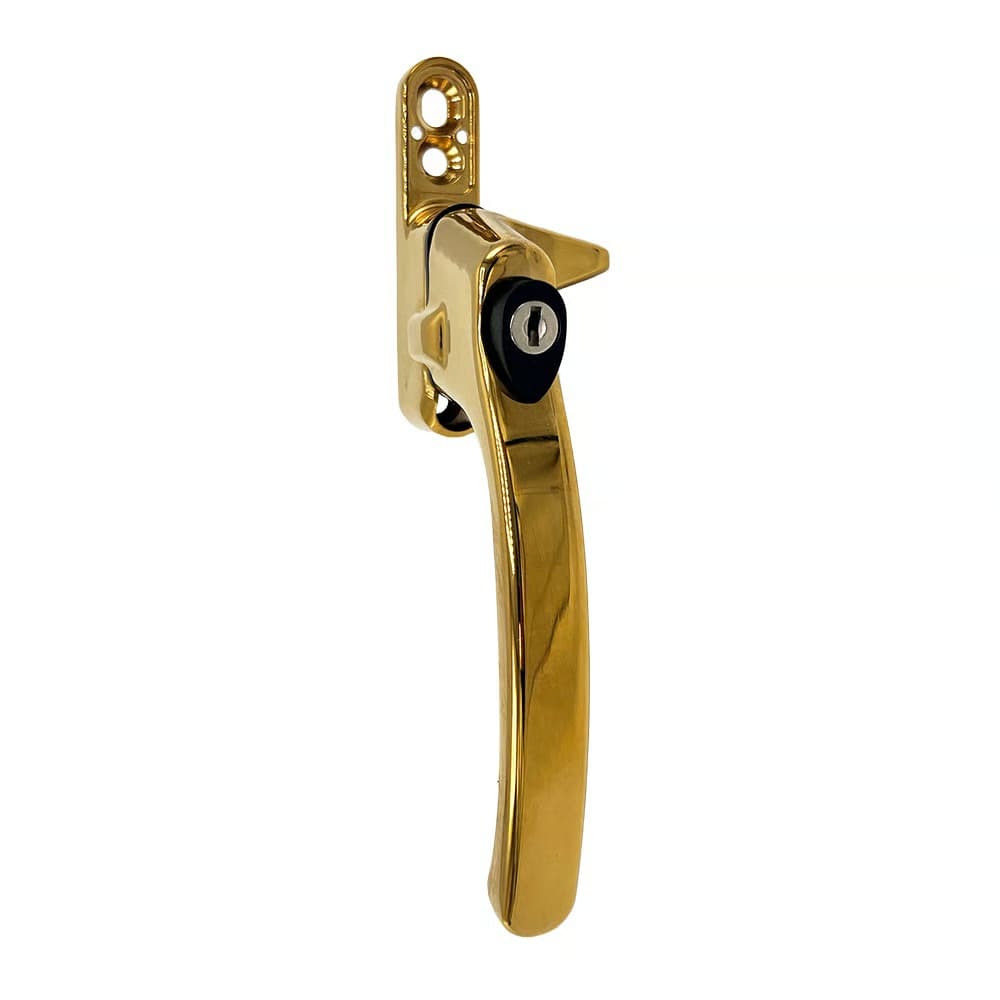
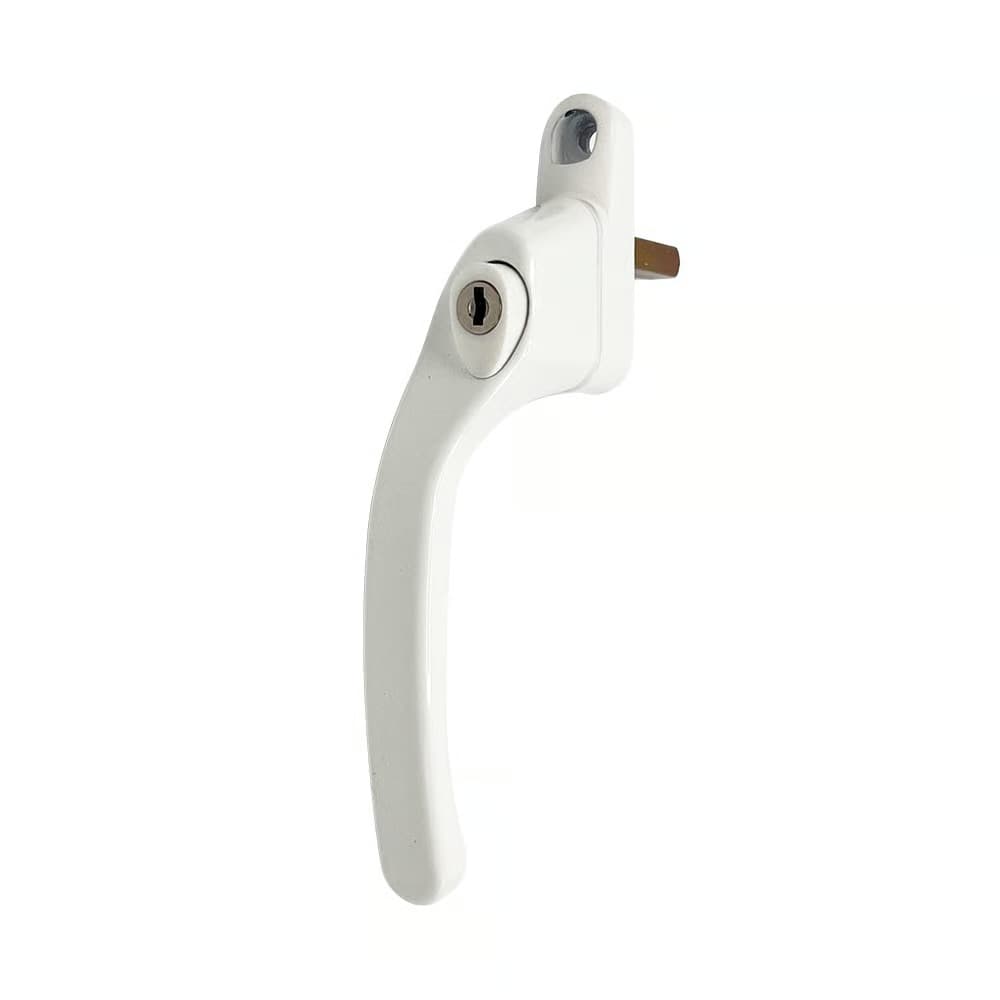
- Cockspur handles actuating a simple cam that engages keep plates on the frame.
When to replace the mechanism as well as the handle
A handle replacement alone is often sufficient when the issue is cosmetic damage, a snapped spindle, or stripped handle threads. Replace the mechanism as well when any of the following signs are present:
- Excessive play or wobble in the handle that persists with a new handle fitted.
- Grinding, crunching or metallic noise when operating the handle, indicating worn gears.
- The handle turns but the locking rods or shootbolts do not move, suggesting a broken connection inside the mechanism.
- Stiff or seized operation that lubrication does not fix — corrosion inside the gearbox or bent components are likely.
- Visible corrosion or water ingress into the lockcase or gearbox.
- Repeated failures after previous handle replacements.
Practical diagnostics for homeowners and tradespeople
1. Visual inspection: remove the handle and inspect the spindle, gearbox faceplate and any visible cams or keepers. Look for scoring, metal swarf, or fractured parts. 2. Manual testing: with the handle removed, turn the spindle with pliers or the replacement handle to observe direct action on the locking rod or gearbox. Lack of movement confirms an internal failure. 3. Measure key dimensions: record spindle length, fixing centre (distance between screw holes), and faceplate size. Many replacement components require exact matches. 4. Check hand/side and style: note left or right-handed opening and whether the handle is keyed or non-keyed. 5. Lubrication test: apply a silicone spray or light grease to pivot points and operate several times. Temporary improvement followed by rapid return to poor performance implies worn internals.
Replacing the mechanism: practical steps
- Gather parts and tools: correct replacement gearbox or espagnolette rod, replacement handle, Philips and flat screwdrivers, torque-limiting screwdriver if available, circlip pliers for some fittings, and lubricant.
- Isolate and remove: unscrew the handle fixing screws and withdraw the handle and spindle. Remove the gearbox or lockcase faceplate screws and slide out the mechanism.
- Inspect and match: compare new mechanism to old for rod length, connection type (forked, tabbed or splined), and faceplate fixing pattern.
- Fit the new mechanism: align the gearbox and reattach shootbolts or rods. Ensure smooth engagement by operating the spindle before final screwing.
- Set backplate and torque: secure screws evenly and test operation through full travel. Avoid overtightening fixings which can bind the mechanism.
- Final check: confirm window locks and unlocks smoothly, test both open and tilt functions if applicable, and confirm handles sit flush and operate without play.
Compatibility and ordering tips
- Always match the spindle length and diameter to the sash thickness; too short prevents full engagement, too long can bottom out and stress components.
- Note the fixing centre (commonly 43mm, 55mm or 70mm on various handles) and confirm faceplate width if fitting a new lockcase.
- For espagnolette systems, identify the rod connection: many use a flat fork, some use a spring clip or splined engage. Photographs help when ordering.
- Keep one handle of the same make and model as a reference for future replacements. Stock common sizes and types if servicing multiple properties.
Preventive maintenance
- Lubricate moving parts annually with a light grease or silicone spray to prolong mechanism life.
- Check and adjust striker plates and keeps to prevent excessive force on the handle when closing.
- Replace worn handles promptly; operating a window with a damaged handle risks damaging the internal gearbox.
- Advise homeowners to avoid using force — gentle, full movement through the operating arc keeps components aligned.
When a full overhaul is justified
Replacing both the handle and mechanism is worthwhile when the internal gearbox is corroded, the espagnolette rod shows bending, or the property is older with frequent failures. Tradespeople should quote for a full retrofit where the mechanism history is unknown, as this prevents repeat visits and improves long-term performance.
A correct, permanent repair uses matched components and attention to alignment rather than forcing mismatched parts. Standard, well-specified replacements such as the Mila ProSecure espag and reliable general-purpose options like the Yale Sparta can simplify sourcing and ensure consistent operation.
Reliable operation of upvc white window handles depends on correct diagnosis and the right replacement strategy. Replacing the mechanism alongside the handle pays off in durability when wear, corrosion or internal failure are present.
Related Reading
Explore more guides on related topics:
Part of our guide:
Complete Guide to Window Handles