New Window Handles: Buyers Checklist
Upgrading to new window handles is one of the simplest improvements you can make to boost both the functionality and security of your windows. This guide explains how to choose the right handles, measure for compatibility, fit them correctly and maintain them for long life. It also highlights related components you may need, such as hinges, espagnolette mechanisms and cylinders.
Replacing worn or outdated handles brings several benefits:
Improved security: new handles often work with modern euro cylinders and multi-point mechanisms for better protection.
Smoother operation: new parts reduce sticking and allow windows to open and close easily.
Better weatherproofing: pairing handles with fresh gaskets or mechanisms improves sealing.
Aesthetic refresh: handles are a visible part of your windows and can update the look instantly.
If you notice loose handles, difficulty locking, or corrosion, it is time to consider new window handles.
Selecting the correct handle depends on window type, locking mechanism and material. Ask yourself these questions:
What type of window do you have? (casement, top-hung, tilt-and-turn, uPVC, timber)
Which locking mechanism does it use? (espag, cockspur, thumb-turn cylinder)
What spindle size and backset are needed?
Do you need a keyed or keyless option?
Common handle types and when to use them:
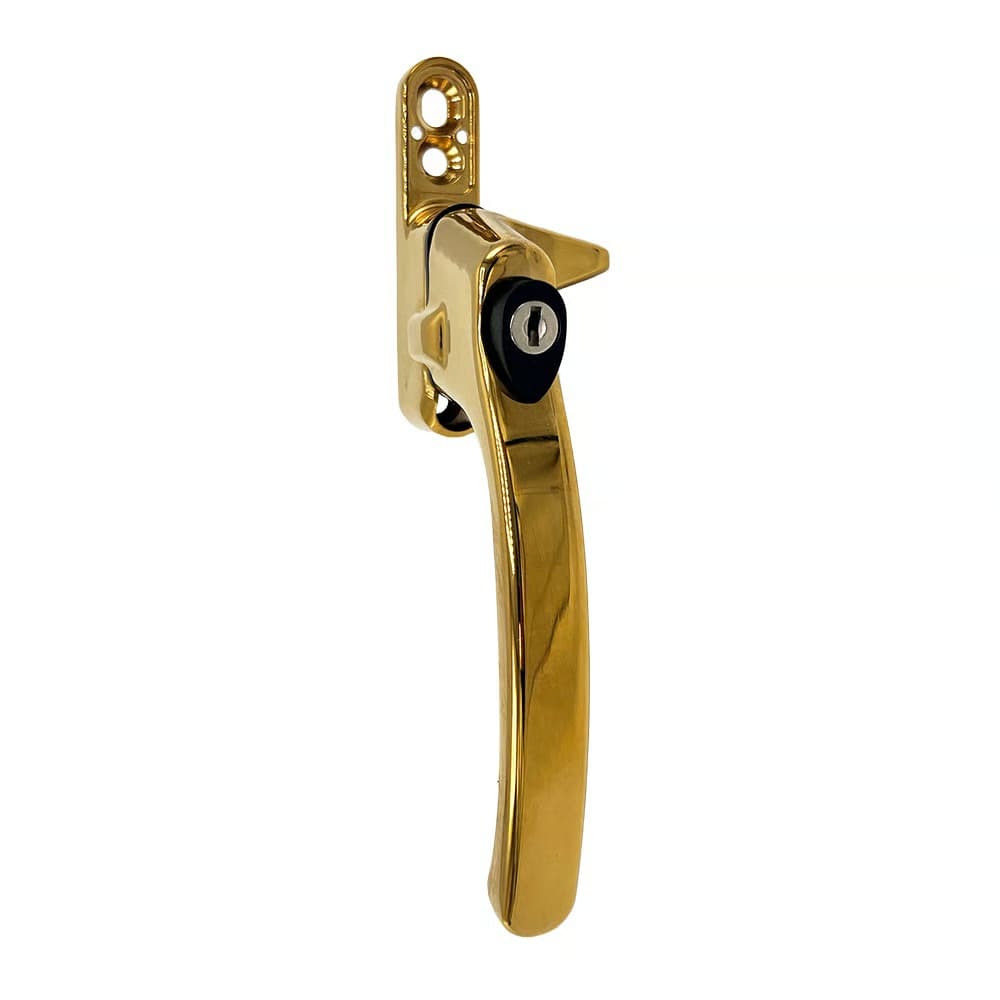
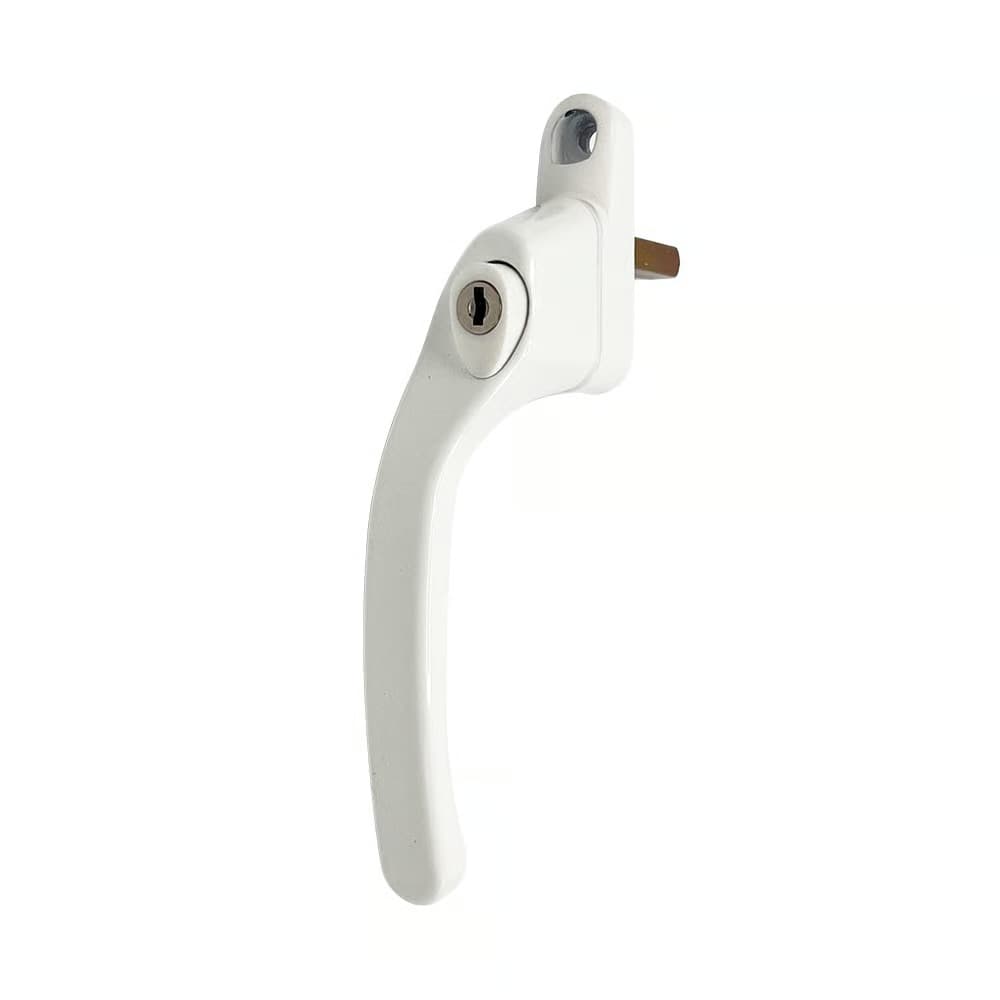
TSS Cockspur Window Handles: good for older timber and some aluminium casements that use a cockspur locking system.
TSS Offset uPVC Window Handles: designed for uPVC frames where an offset spindle aligns with the mechanism; commonly used on replacement projects.
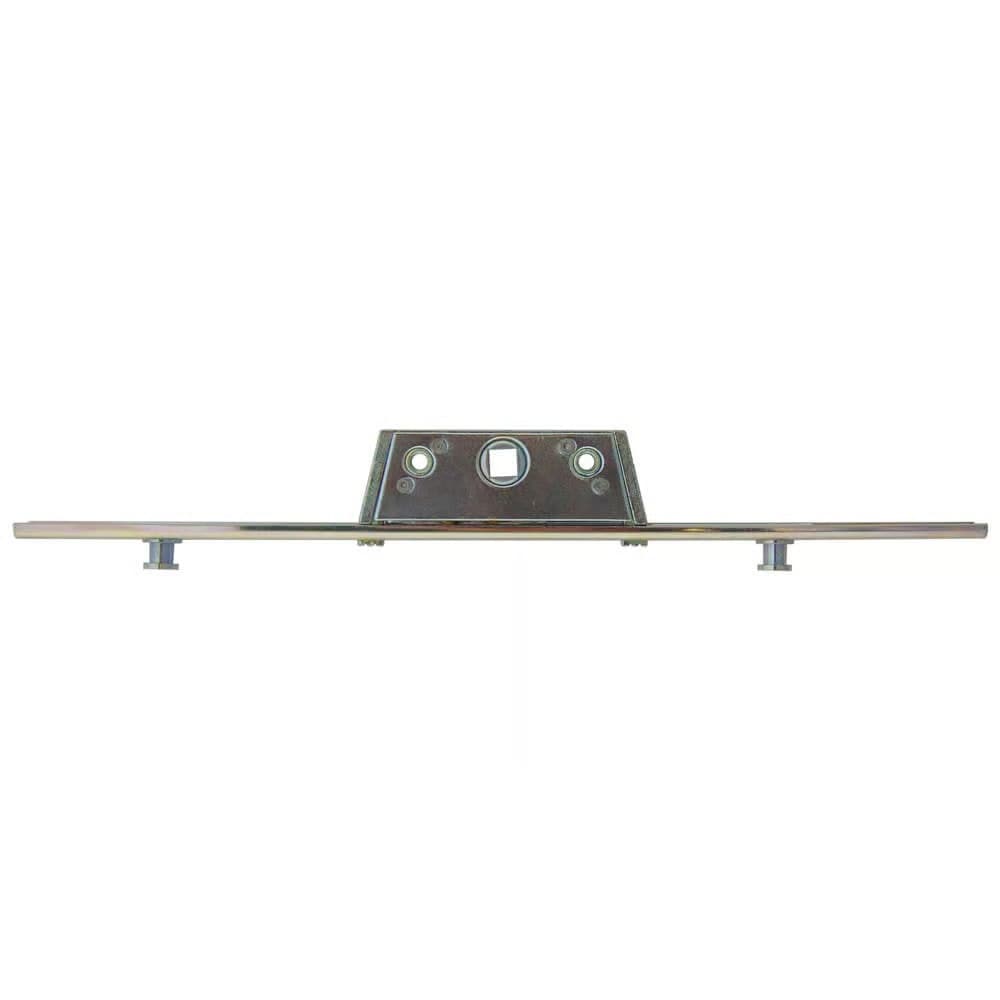
Avocet Slimline Offset Window Espag: an espagnolette handle for modern uPVC windows; slim design suits narrow stiles.
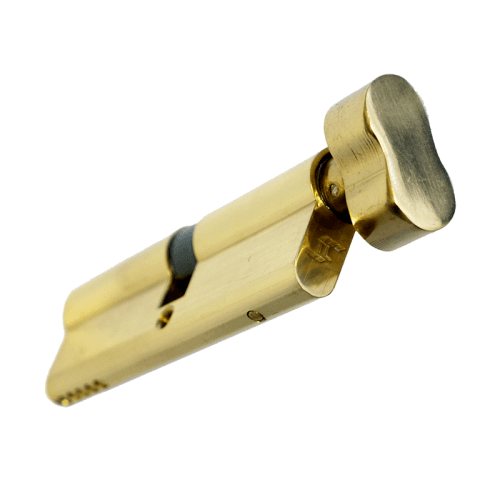
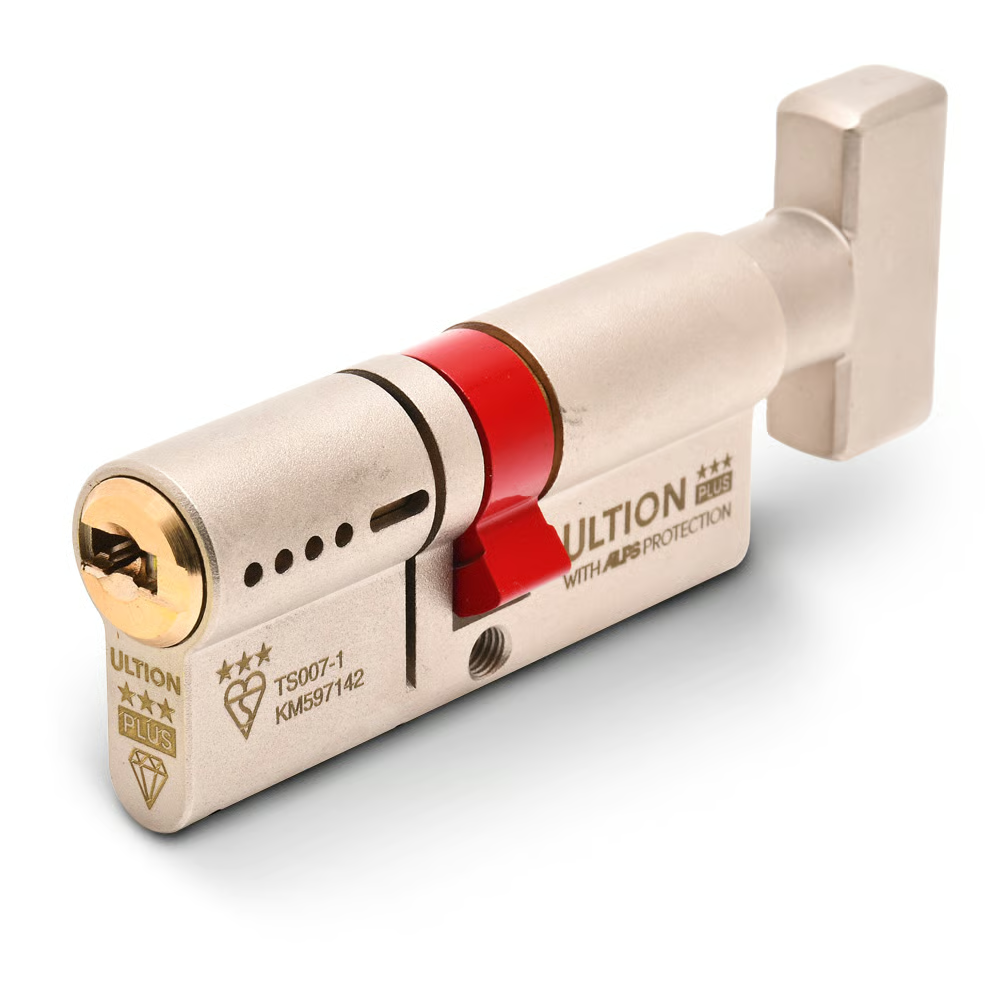
TL Thumb Turn Euro Cylinder: choose a thumb-turn cylinder when you want keyless locking from the inside while retaining keyed access from the outside.
Security-focused options
If security is a priority, consider handles that work with high-security cylinders. For example, the Ultion Plus TS007 3 Kitemarked Euro Key & Turn Cylinder provides enhanced resistance to common attacks and can be paired with compatible handles.
Accurate measurements ensure the new window handles fit first time. Measure these key dimensions:
Backset: distance from the face of the handle rose to the centre of the spindle or screw fixing. Typical backsets are 35mm or 40mm, but measure yours precisely.
Spindle length: measure the existing spindle from end to end. If you are replacing with an offset handle, confirm the offset dimension.
Fixing centres: distance between screw holes on the handle rose; common values are 43mm or 48mm.
Spindle square size: standard is 7mm for many uPVC handles, but other sizes exist.
Tip: remove the existing handle and place it on a flat surface to measure accurately. Photograph the mechanism and handle before removal to help identify compatible replacements.
Crosshead screwdriver and flat screwdriver
Allen key set (if grub screws are used)
Tape measure and vernier caliper for precise measurement
Replacement handle set and spindle (if not included)
Replacement cylinder (if upgrading security)
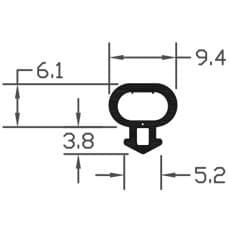
Silicone or bubble gasket for weatherproofing (see B003 and B004 Bubble Gasket)
If you discover worn hinges or mechanisms during the job, you may need additional parts such as the In-Line Window Mechanism or Top-Hung Window Hinge - Standard.
Follow this general procedure for replacing handles on casement or uPVC windows. Always consult manufacturer instructions for specific models.
Prepare and secure the window - Open the window and support it safely. If necessary, prop the sash so it cannot move while you work.
Remove the existing handle - Unscrew the fixing screws and withdraw the handle. For handles with set screws, loosen with the appropriate Allen key. - Remove the spindle and note any spacers or washers.
Inspect the mechanism - Check the espagnolette or locking mechanism for wear. If the mechanism is stiff or parts are corroded, replace or lubricate as needed. Consider the Avocet Slimline Offset Window Espag or an In-Line Window Mechanism if replacement is required.
Prepare the new handle - Check that the spindle and backset match your measurements. Fit any spacers supplied to ensure correct engagement with the locking mechanism.
Fit the new handle - Insert the spindle through the mechanism and attach the handle rose. Align the fixing holes and tighten the screws evenly. Do not overtighten; snug is sufficient.
Test operation - Operate the handle through its full range to confirm engaging and disengaging of the locking points. Check that the sash opens smoothly and seals correctly.
Replace or upgrade the cylinder if required - If changing to a thumb-turn or higher security cylinder, follow the cylinder manufacturer’s fitting instructions. The TL Thumb Turn Euro Cylinder and Ultion Plus TS007 are options depending on your requirements.
Final checks and sealing - Refit any gaskets or add new B003 or B004 Bubble Gasket to improve sealing and reduce draughts. Lubricate moving parts lightly with a dry PTFE spray.
Handle wobbles after fitting: check screw tightness and ensure the fixing centres align. Replace worn backplates if needed.
Handle sticks or is hard to move: inspect and, if necessary, replace the espagnolette mechanism or hinge; lubricate with a suitable dry lubricant.
Lock will not operate: verify spindle length and orientation; confirm cylinder is correctly installed and not binding.
Replacing handles often reveals other worn parts. Consider upgrading:
Hinges: if the sash sags, fit a Top-Hung Window Hinge - Standard or similar.
Mechanisms: old espagnolette mechanisms can cause poor locking; an In-Line Window Mechanism or new espag may be required.
Seals: cracked or hardened gaskets let in draughts; replace with B003 or B004 Bubble Gasket for a reliable seal.
Clean handles periodically with a mild detergent and soft cloth; avoid abrasive cleaners.
Lubricate moving parts annually with a dry lubricant or light machine oil where recommended.
Tighten loose fixings as soon as you notice them to prevent wear.
Inspect seals and hinges yearly and replace any components showing wear.
Explore more guides on related topics:
Installing new window handles improves security, operation and appearance. Measure carefully, choose handles compatible with your window type and locking system, and follow a step-by-step fitting process. While replacing handles you may need related components such as espagnolette mechanisms, hinges, gaskets or a new cylinder; sensible upgrades can extend the life and performance of your windows. For specific parts, consider TSS Cockspur Window Handles, TSS Offset UPVC Window Handles, Avocet Slimline Offset Window Espag, In-Line Window Mechanism, and security cylinders such as Ultion Plus TS007.