Double Glazing Window Handles That Won’t Lock: What to Check
Double glazing window handles that won’t lock are a common frustration for homeowners and tradespeople. A handle that turns freely, won’t engage the lockin...
Double glazing window handles that won’t lock are a common frustration for homeowners and tradespeople. A handle that turns freely, won’t engage the locking mechanism, or feels loose reduces security and can allow draughts. This guide explains the most likely causes and provides practical, step‑by‑step checks and remedial actions so the fault can be diagnosed quickly and repaired effectively.
Typical lock types and common failure points
Understanding the kind of handle and locking mechanism fitted to the window helps target the right checks. Common types include espagnolette (espag) handles used with multipoint gearboxes, cockspur handles on older timber or aluminium casements, and standard cam or lever-operated designs.
- Espag handles operate a metal rod or gear (espagnolette) that runs vertically along the sash and engages keeps at top and bottom.
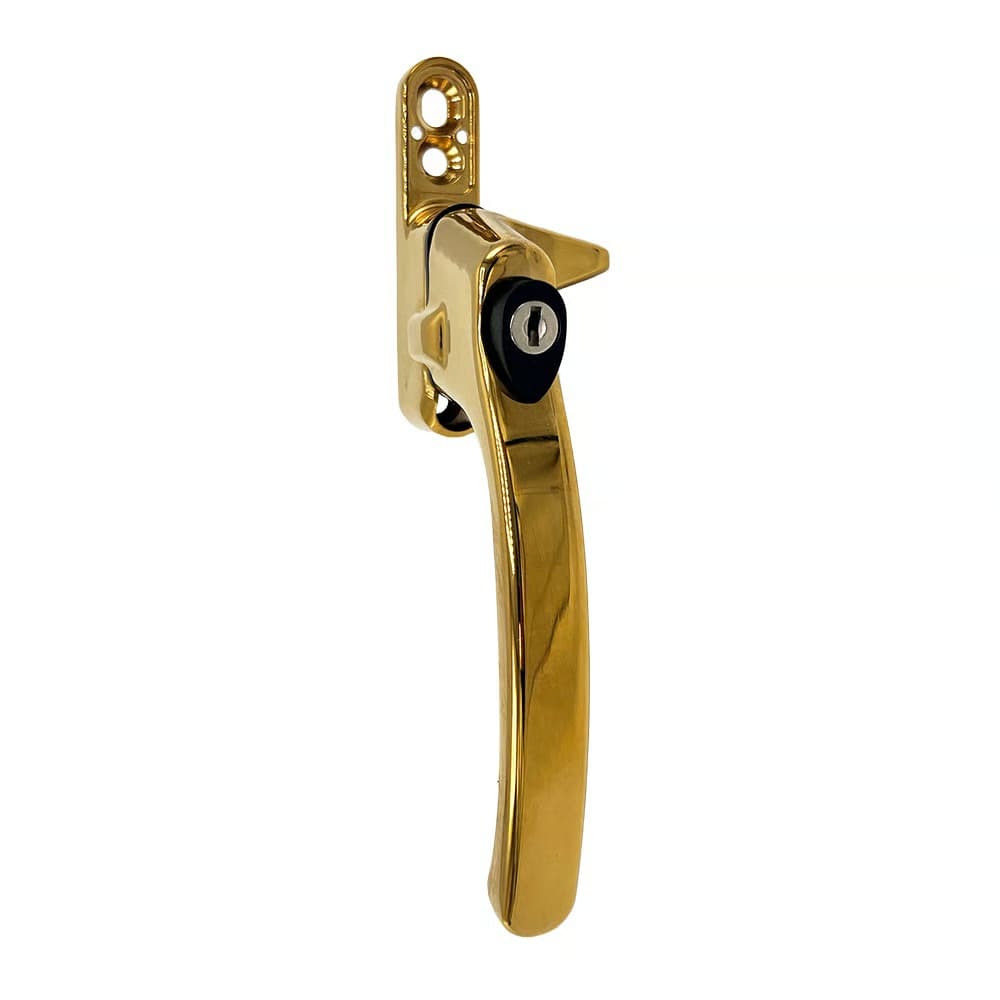
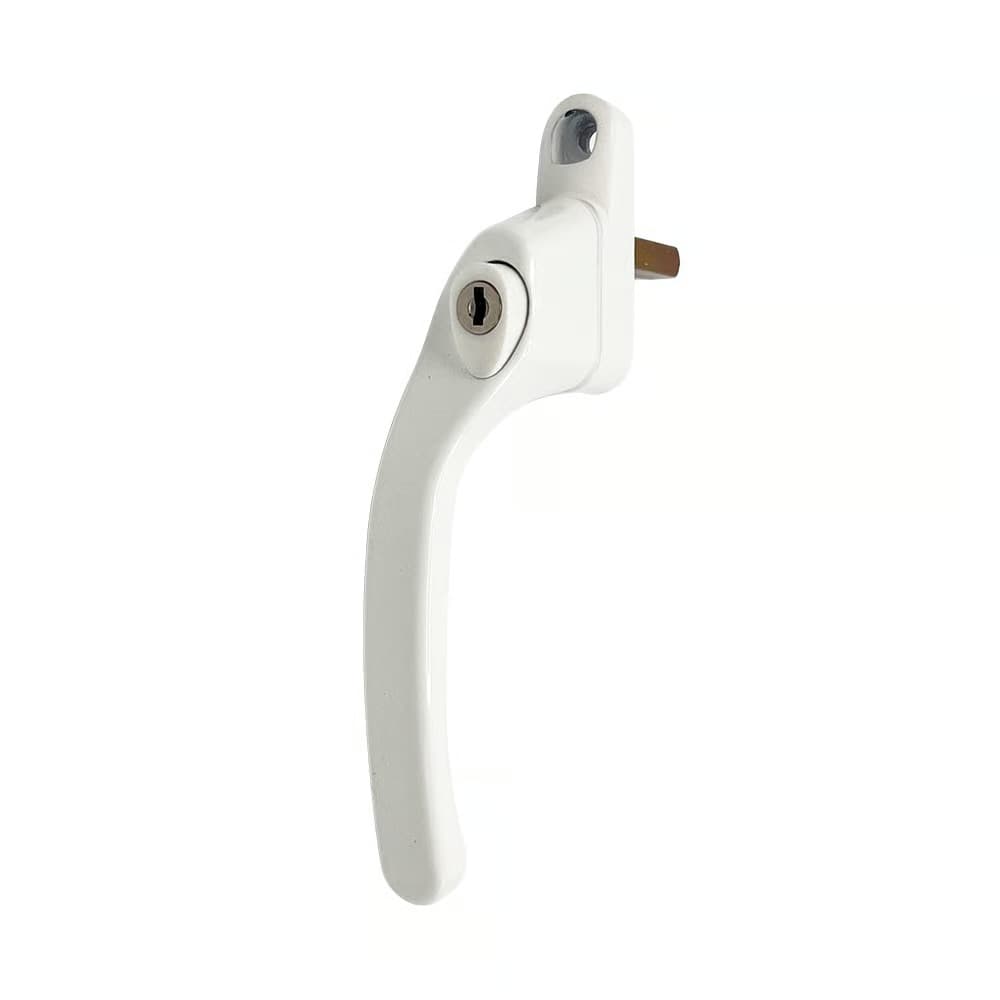
- Cockspur handles use a simple spur that hooks over a keeper on the frame.
- Cam handles use a rotating cam to engage a strike plate.
Initial visual and functional checks
Start with basic, non-invasive inspections:
- Check the handle orientation. Handles should sit vertically when locked on many modern espag systems. A handle that rests at an odd angle may indicate a disconnected mechanism.
- Observe the handle action. Note whether the handle rotates freely with no resistance, rotates partially then slips, or stops but the lock still does not engage.
- Inspect for visible damage such as cracked plastic bushes, split handles, or obvious corrosion.
- Test other windows on the property. A recurring fault suggests a systemic issue such as worn keeps or misalignment; a single faulty sash points to a local component failure.
Check and tighten fixings
Loose fixings are a simple and common cause:
- Remove the handle cover cap (if fitted) and check the fixing screws. Tighten them securely but avoid over‑tightening metal into metal which can strip threads.
- Examine the grub screw (set screw) on the handle that secures it to the spindle. Tighten or replace the grub screw if it’s rounded off.
- If the handle still slips on the spindle, fit a new handle rather than forcing further tightening; replacement handles are inexpensive and straightforward to fit. For an espag system a suitable direct replacement is the TSS Cockspur Window Handles. For older casement windows, a durable option is the TSS Cockspur Window Handle. Brand or profile matching is important for correct fit.
Examine the spindle and handle interface
The spindle transfers torque from the handle to the lock mechanism:
- Remove the handle and inspect the spindle for wear, bending or corrosion. A twisted or worn spindle will not drive the gearbox reliably.
- Check spindle length and profile; some windows use offset or stepped spindles. Replacing like‑for‑like prevents fit issues.
- If the spindle is intact and the handle mounts securely but the mechanism still fails, the fault likely lies inside the gearbox or espagnolette.
Assess the gearbox or espagnolette rod
For espag systems the internal rod or gearbox is critical:
- With the handle removed and the sash open, operate the cambolt or gearbox manually where accessible to see if the espag rod moves. Lack of movement indicates a disconnected or broken espag rod.
- Look for broken cams, stripped teeth or snapped rods. A damaged gearbox often requires removal and replacement of the espag mechanism.
- For tradespeople, test continuity of movement from handle spindle to top and bottom keeps. Disjointed movement shows an internal failure.
Check keeps, strikes and frame alignment
A functional locking mechanism also depends on the keeps and alignment:
- Inspect frame keeps and strike plates for wear, deformation or missing screws.
- Over time, repeated engagement can elongate keep screw holes. Tighten or replace screws, and if necessary use longer screws to reach through to the reinforcement.
- Check sash alignment and hinge condition. A misaligned sash will prevent locking components from engaging even when the handle and gearbox are intact. Adjust hinges or the hinge packing where necessary to restore alignment.
- Lubricate moving parts with a silicone‑based spray or light machine oil; avoid heavy greases that attract dirt.
Quick fixes versus replacement
Deciding whether to repair or replace depends on age, condition and cost:
- Simple fixes: tighten grub screws, replace stripped screws, swap worn spindles or handles — these are quick and economical.
- Medium repairs: replacing the espag rod or gearbox requires more time and access but is usually cost‑effective compared with full window replacement.
- Full replacement: if multiple components are corroded, or the window is very old and inefficient, investing in new hardware or even a new unit may be justified.
Safety and security considerations
Ensure safety while working:
- Support the window sash securely before removing handles or other fixings to avoid crushing fingers.
- Use correct, non‑slotted screwdrivers to avoid stripping heads.
- After repair, test locking function several times and confirm engagement at top and bottom keeps to guarantee security.
Related Reading
Explore more guides on related topics:
Conclusion
Diagnosing double glazing window handles that won’t lock follows a logical sequence: visual inspection, tighten and replace worn fixings, check spindle integrity, assess gearbox/espag components, and confirm frame alignment. Practical, low‑cost steps often restore function quickly; where internal gearboxes or espagnolette rods are damaged, targeted replacements return reliable operation. Tradespeople will benefit from carrying common handle types and spares to complete repairs on site, while homeowners can follow these checks to understand the fault and discuss precise replacements with suppliers.
Part of our guide:
Complete Guide to Window Handles