uPVC Replacement Window Handles: Measuring Spindle and Centres
Choosing the correct replacement handle for uPVC windows depends on a few simple measurements and an understanding of the handle type. Accurate measuring o...
Choosing the correct replacement handle for uPVC windows depends on a few simple measurements and an understanding of the handle type. Accurate measuring of the spindle and the screw centres ensures a straightforward swapover, avoids returning parts and keeps replacement work efficient for both homeowners and tradespeople. This guide explains what to measure, how to measure it and practical tips for common handle styles.
Tools and preparation
Before starting, gather basic tools: a tape measure or ruler with millimetre markings, digital calipers (recommended for spindle measurement), a crosshead and flat screwdriver, and gloves to protect the window finish. Work with the window open and supported, and take a clear photograph of the existing handle and lock faceplate for reference. The target keyword upvc replacement window handles should be considered when searching product listings to ensure compatibility.
Identify the handle type
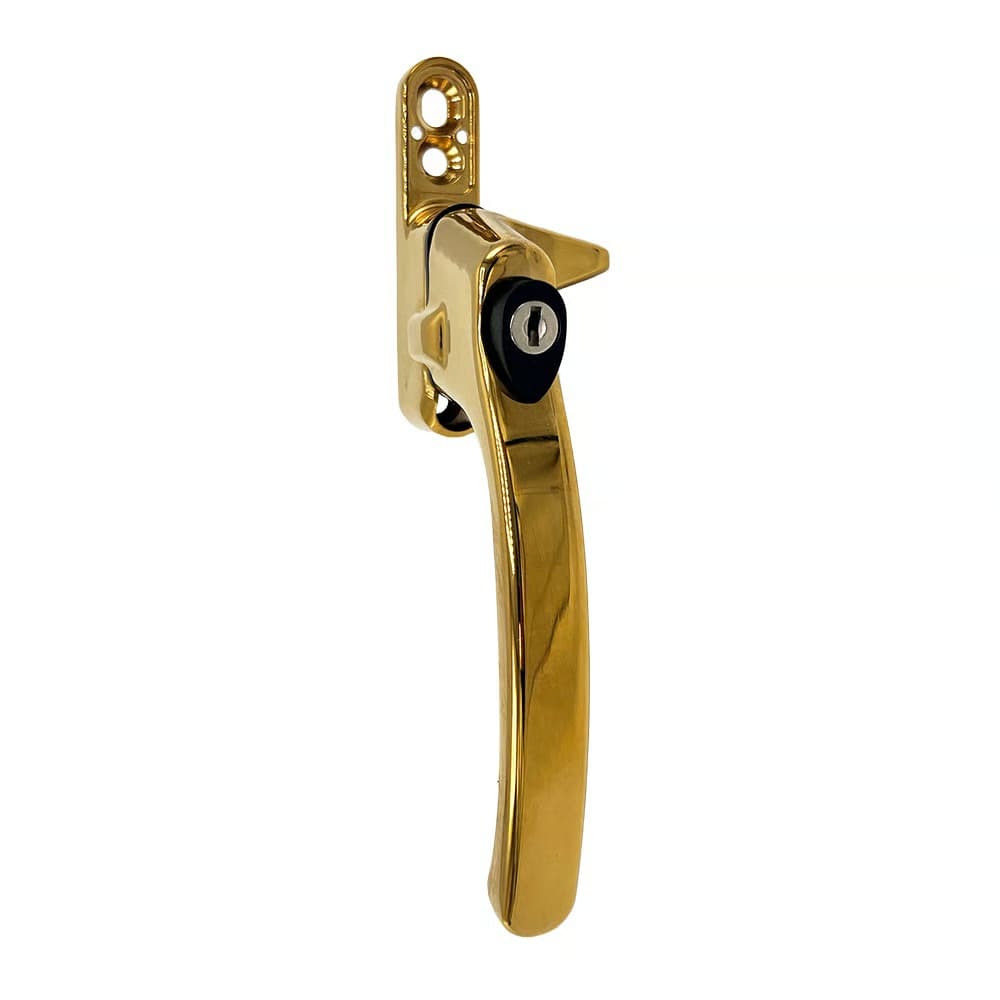
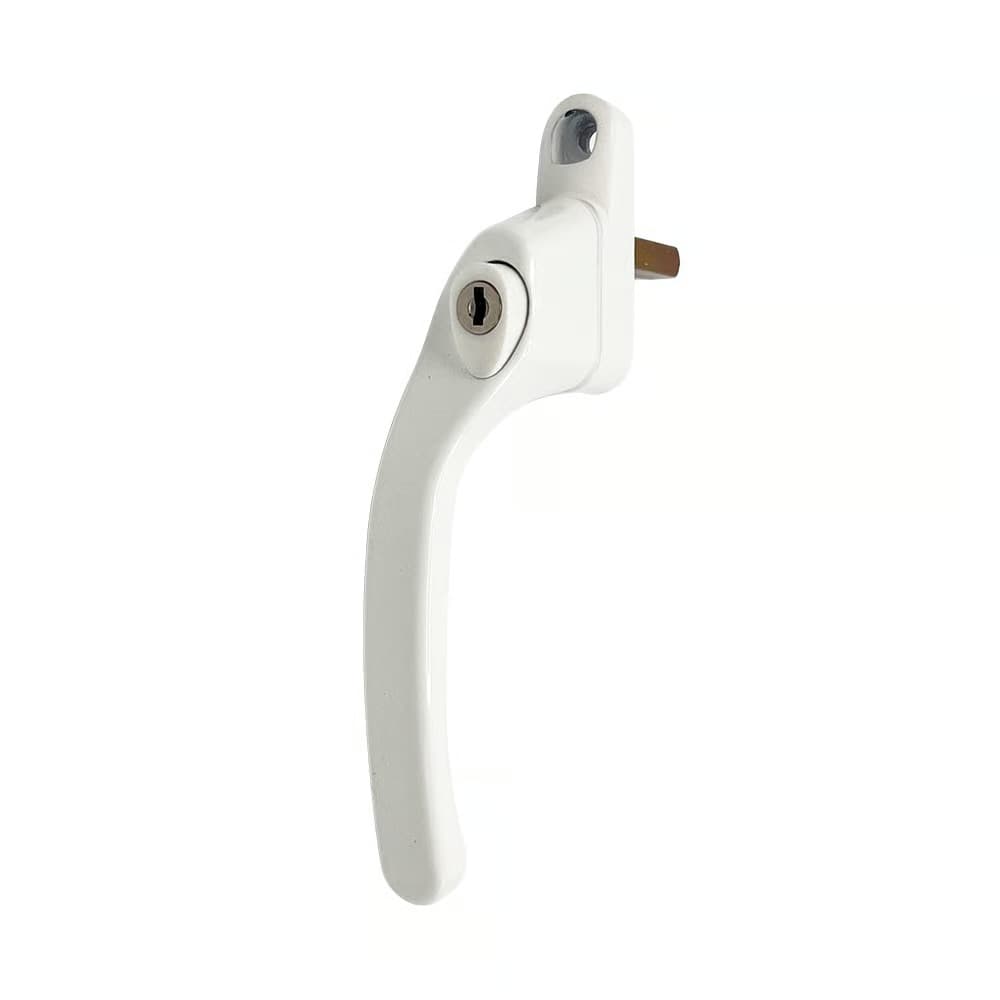
uPVC handles fall into a few broad categories: espagnolette (espag) handles for multipoint gearboxes, cockspur handles that clamp over the frame, and tilt-and-turn specific handles. Espag handles are the most common for modern casement windows and require measuring the spindle length and screw centre. Cockspur handles have a barrel and usually need only the screw centre. The TSS Cockspur Window Handles is a typical example of an espagnolette replacement to compare against when checking dimensions.
Measuring the spindle
The spindle is the square shaft that connects the handle to the window gearbox. Accurate spindle measurement is critical because it determines whether the handle will engage the locking mechanism correctly.
- Remove the handle: Loosen the grub screw or screws on the handle rose and slide the handle off the spindle. Keep screws safe for reuse.
- Measure the spindle cross-section: Use calipers or a ruler to measure the width of the spindle. The most common spindle size for uPVC windows is 7 mm square. Record whether the spindle is square, round or has a tapered end; most modern handles use a square spindle.
- Measure the spindle length: Measure the exposed length of the spindle from the inside face of the handle rose to the end of the spindle. For replacement, measure the distance from where the handle sits on the rose to the tip of the spindle. If the spindle sits flush inside the handle when fitted, measure from the internal face of the rose or use the original handle as a reference. For espag handles also note the total spindle length including any portion that sits inside the gearbox if visible.
- Check for splitting or wear: If the spindle ends are rounded or splintered, replace the gearbox or the spindle to ensure longevity.
Measuring screw centres
Screw centres refer to the distance between the centre points of the fixing screws on the handle rose or backplate. This measurement determines whether a replacement handle will line up with the existing holes.
- Remove the handle rose or backplate if possible to expose screw holes.
- Measure centre to centre: Use a ruler or calipers to measure the straight-line distance between the centres of the two fixing screw holes. Measure to the nearest millimetre.
- Note the hole type and placement: Some handles use anti-rotation lugs, keyholes or concealed fixings. Record whether the holes are countersunk or oblong slotted.
- Common patterns: Many uPVC handles use centre distances compatible with multi-point espag fittings, while others (such as cockspur types) have closer centres or slotted holes that allow adjustment. The TSS Cockspur Window Handle demonstrates a cockspur fixing pattern where the backplate and barrel geometry differ from espag types.
Additional dimensions and compatibility checks
- Backset and projection: Measure how far the handle projects from the frame and the backset (distance from frame edge to spindle centre) if relevant to ensure the handle does not foul the frame or interior furnishings.
- Handing and locking direction: Confirm whether the handle locks on push or pull and whether it is left- or right-handed. The TSS Offset UPVC Window Handles and similar models often specify handedness in the product details.
- Security features: Check whether the replacement requires a key or thumb-turn and whether it has anti-snap or reinforced features for enhanced security. Many modern replacements combine ease of fit with upgraded security features.
Fitting tips for a reliable replacement
- Match the spindle and screw centres before purchase to avoid return trips.
- Tighten grub screws gradually and test the handle through the full locking action to confirm engagement with the gearbox.
- Use thread-locker sparingly on grub screws if the handle loosens over time, but avoid excess that could hinder future removal.
- Lubricate the gearbox with a dry PTFE spray if the mechanism feels stiff before fitting a new handle.
- Keep original fixings for reference; replacements sometimes come with different length screws that may not be suitable for the existing frames.
Troubleshooting common issues
- Handle turns but does not operate the lock: Likely incorrect spindle length or worn gearbox; measure spindle again and inspect the gearbox for wear.
- Handle feels floppy: Check the grub screw and the condition of the spindle; replace damaged spindles or grub screws.
- Screw holes do not align: Consider a handle with an elongated backplate or use a cover plate that accommodates existing holes.
Related Reading
Explore more guides on related topics:
Part of our guide:
Complete Guide to Window Handles