Black Window Handles: What Spindle Length Do You Need?
Choosing the correct spindle length is one of the most practical steps when replacing or upgrading window handles, especially for popular finishes such as...
Choosing the correct spindle length is one of the most practical steps when replacing or upgrading window handles, especially for popular finishes such as window handles black. This guide explains how spindle length works, how to measure it accurately, and which common window handle types use which spindles. It offers clear, actionable advice for homeowners and tradespeople to ensure a secure, functional replacement without unnecessary returns.
What is a spindle and why length matters
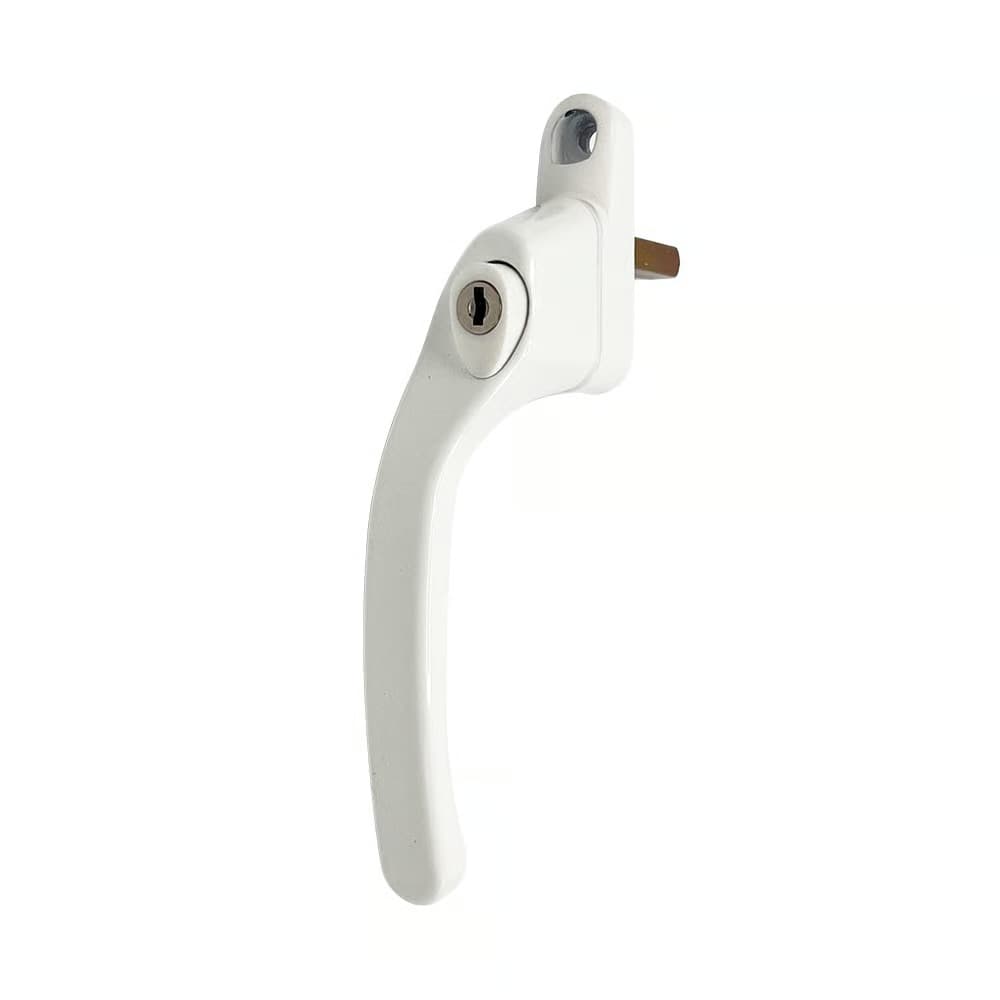
The spindle is the metal square or bar that connects the handle to the locking mechanism inside the window. Spindle length determines how far the spindle reaches into the mechanism; an incorrect length can prevent full operation, make the handle sit proud of the frame, or cause excessive wear.
For modern UPVC casement windows the most common spindle shape is a 7 mm square, while other systems such as cockspur and multi-point espagnolette mechanisms may use different dimensions or require through-bolting. When choosing window handles black, confirming the correct spindle length keeps the new handle flush, secure and able to operate the lock properly.
Common spindle lengths and when to use them
Common spindle lengths are typically sold in millimetres and include 25 mm, 30 mm, 35 mm, 40 mm, 45 mm and 50 mm, though other sizes exist. General guidance:
- 25 mm–30 mm: Shorter spindles suited to slim frames, inner handle backplates or where the internal mechanism is close to the frame face.
- 35 mm–40 mm: Very common on standard UPVC and aluminium casement windows; works for many replacement projects.
- 45 mm–50 mm: Used where the spindle must reach deeper into the mechanism or where thicker backplates or adaptors are present.
How to measure spindle length (step-by-step)
1. Gather tools: a screwdriver, tape measure or calipers, a permanent marker and a notepad. 2. Remove the old handle: Unscrew the fixing screw(s) and take the handle off the spindle. Keep screws safe for reuse if desired. 3. Measure the exposed spindle: Measure from the inside face of the handle's backplate (or frame face where the handle sits) to the tip of the spindle. Record this measurement in millimetres. 4. Account for backplate thickness: If the handle has a separate rose or backplate, measure the thickness and add this to the exposed spindle length if the measurement was taken from the handle face rather than the frame face. 5. Check for adaptors or sleeves: Some replacements use a sleeve to extend the spindle. Record whether any adaptor is present and its length. 6. Confirm spindle shape and cross-section: Note whether the spindle is square, round, splined or tapered. Most window handles black for espag mechanisms use 7 mm square spindles; cockspur handles use different fixing arrangements.
This method ensures an accurate replacement length without removing the locking gearbox. For double-handed locks (handles on both sides), measure both sides to check symmetry.
Practical tips for common handle types
- Espagnolette/espag handles: Designed to operate a multi-point locking rod. The spindle is usually a 7 mm square and common replacement handles like the TSS Cockspur Window Handles accommodate the standard sizes. Measure from the frame face to the spindle tip and allow a millimetre or two clearance so the handle can fully engage.
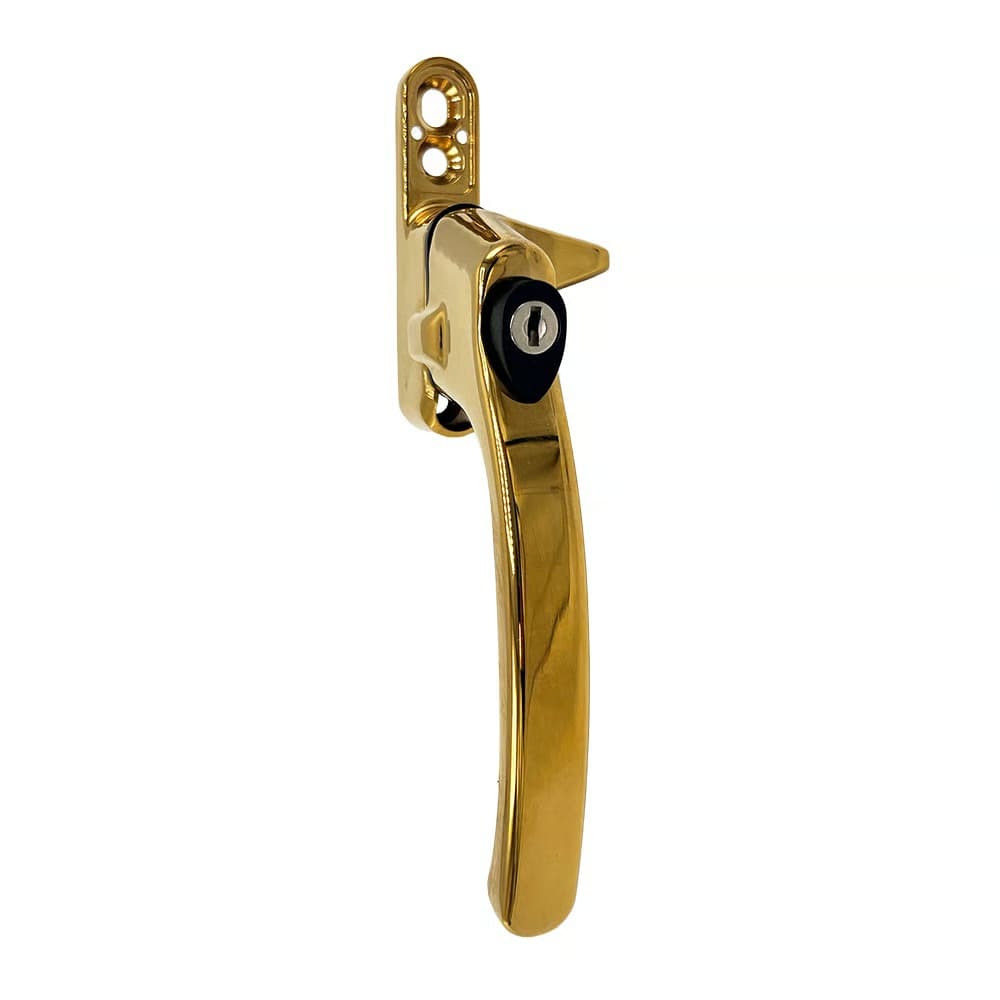
- Cockspur handles: These latch onto keep plates rather than operating a spindle inside the frame. The TSS Cockspur Window Handle range shows the different styles and fixing centres used; for cockspur replacements, key dimensions are the backplate length and the projection rather than spindle length.
- Centre-lock and mushroom gear systems: These may require specific spindle lengths or additional adaptor plates. Universal lever handles such as the TSS Offset UPVC Window Handles can fit many situations, but confirming spindle size by measurement is still essential.
Dealing with non-standard or damaged spindles
Where the spindle is damaged, corroded or non-standard, remove the mechanism cover and measure the internal gearbox depth. If the spindle is part of the old mechanism and cannot be reliably measured, measure the distance between the inner face of the handle backplate and the internal gearbox where the spindle engages. In some cases replacing the complete lock mechanism is the safer option to ensure long-term reliability.
If a spindle falls between standard sizes, choose the next longest size and use a sleeve or shroud to ensure correct engagement. Avoid excessive trimming unless confident; cutting a spindle too short is irreversible.
Installation and final checks
- Fit the new handle hand-tight first and check full operation through the full lock cycle.
- Ensure there is no binding or excessive play; a small amount of movement is normal but the handle should operate smoothly and return to the neutral position.
- Tighten fixings securely without over-torquing to avoid damaging the backplate or window frame finish.
- For black handles, check that screw heads and fixings are either black or concealed to maintain a consistent aesthetic.
Related Reading
Explore more guides on related topics:
Summary
Accurate measurement of the spindle length prevents common fitting issues and ensures window handles black look and function as intended. Measure from the frame face to the spindle tip, note the spindle shape, and match the size to the new handle type—espagnolette, cockspur or centre-lock. Practical preparation and using a suitable replacement handle compatible with the window locking mechanism reduce installation time and future maintenance.
Part of our guide:
Complete Guide to Window Handles