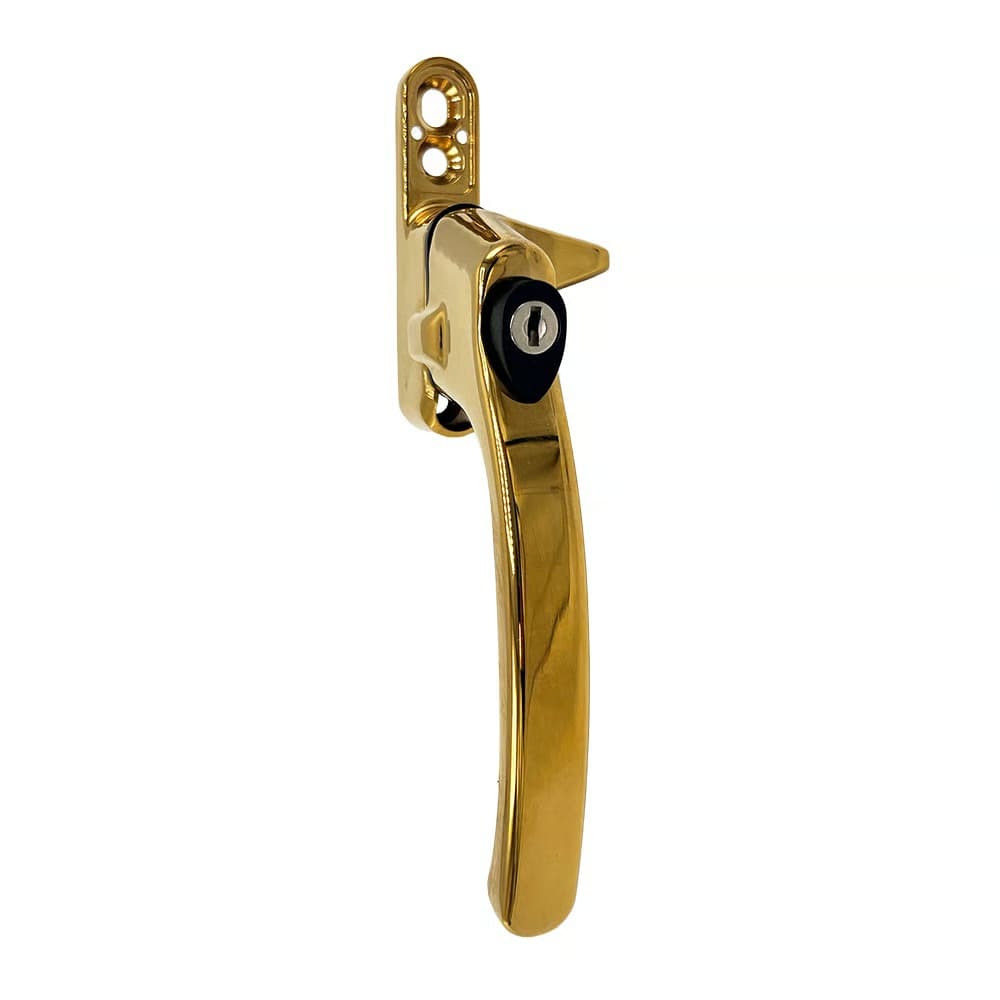
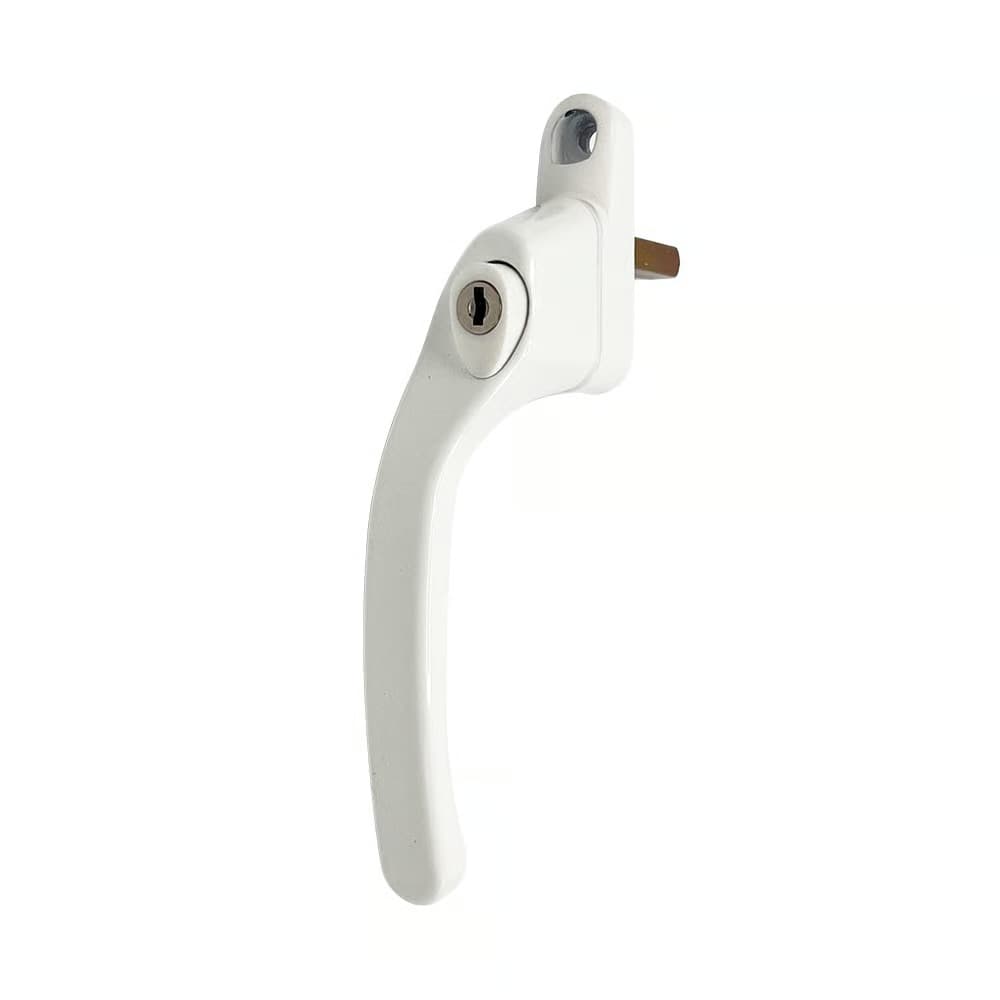
Window Handles Replacement: How to Identify Espag vs Cockspur
Window handles replacement is a common task for homeowners and tradespeople replacing worn or broken hardware, upgrading security, or matching a new interi...
Window handles replacement is a common task for homeowners and tradespeople replacing worn or broken hardware, upgrading security, or matching a new interior finish. Correctly identifying whether a window uses an espagnolette (espag) or a cockspur handle is the first and most important step to sourcing the right replacement, avoiding returns and ensuring smooth operation.
Key differences at a glance
Espag and cockspur handles look similar at first sight but operate in entirely different ways. An espag handle connects to an internal locking mechanism that runs inside the window frame, usually engaging with keep plates along the length of the sash. A cockspur handle fastens externally and locks by pressing a short hook or spur against the outside of the frame.
Recognising these distinctions early saves time: an espag handle typically requires exact spindle length and locking gear compatibility, while a cockspur replacement focuses on face-fix screw centres and the profile of the spur.
Visual and operational clues for identification
- Espag handle: The handle turns through 90 degrees and operates an internal multipoint or espagnolette gearbox. Look for a square spindle that protrudes from a round or rectangular rose plate. The gear or spindle is housed within the handle backplate and drives a long locking rod inside the window.
- Cockspur handle: The handle rotates a short 45–90 degree movement that brings a metal spur into contact with the frame exterior. The spur is visible when the handle is operated and the handle usually mounts directly onto the sash face with two or three screws.
Measuring before ordering
Accurate measurement prevents incorrect purchases. For espag handles:
- Measure the spindle length from the rose surface to the end of the square spindle; common lengths are 35mm, 45mm and 55mm.
- Check the spindle size (usually 7mm square for many systems).
- Note the screw hole centres on the rose or backplate if the handle is screw-fixed.
- Inspect the gearbox type inside the sash where possible—some espag handles are paired to specific gearboxes.
- Measure the distance between the fixing screws (centres) on the rose or base plate.
- Measure the length and orientation of the spur when in the closed position (right-hand or left-hand) since the same handle profile is not always reversible.
- Note whether the handle is single or multi-point face-fix and whether the spur is detachable.
Removal and replacement basics
Remove handles carefully to avoid damaging the sash or internal hardware:
- Espag removal: Fully open the handle to expose the rose screws. Unscrew and pull the handle away; the square spindle should slide out. If the handle is secured by a grub screw on the shaft, loosen that first. Check for any rusted screws and use penetrating oil if necessary.
- Cockspur removal: Open the handle to reveal the access to the fixing screws. Unscrew and lift the handle from the face of the sash. The spur may remain attached to the sash or come away with the handle.
Compatibility and security considerations
Espag handles are generally compatible with modern multipoint locking systems; upgrading to a handle with a secure locking style improves security and child safety. For a robust, stylish option compatible with contemporary window designs, consider a recognised brand such as the TSS Offset UPVC Window Handles.
When upgrading, check for anti-snap, anti-bump or key-locking options if higher security is required. For rental properties or where secure ventilation is desired, choose handles with additional locking positions or restrictors.
Practical fitting tips for tradespeople
- Keep a stock of common spindle lengths (35mm, 45mm, 55mm) and a selection of cockspur centres to respond quickly on site.
- Bring an assortment of screws and packers to correct minor misalignments without returning to base.
- Use threadlocker on screws where vibration or movement might loosen fixings over time.
- Always test the window through its full movement cycle after fitting to ensure no binding occurs and the handle engages all locking points.
- When replacing multiple windows, document which handle type and spindle length correspond to each room to speed future maintenance.
Maintenance to extend life
Regular cleaning and lubrication extend the service life of both espag and cockspur handles. Clean exposed metal parts and operate the handle periodically while applying a small amount of light machine oil to the gearbox area (for espag) or the spur pivot (for cockspur). Tighten any loose fixings promptly and replace worn screws to maintain a secure fix.
Window handles replacement is straightforward with the right identification and measurements. Properly matched replacement handles restore function, improve security and maintain the appearance of the home. Complete information about choosing styles, finishes and technical specifications is available in the comprehensive Window Handles Guide.
Related Reading
Explore more guides on related topics:
Part of our guide:
Complete Guide to Window Handles