Espagnolette Window Handles: Fixing a Handle That Won’t Lock
Espagnolette window handles are a common feature on modern timber and uPVC windows, offering secure multi-point locking via an internal espagnolette rod. W...
Espagnolette window handles are a common feature on modern timber and uPVC windows, offering secure multi-point locking via an internal espagnolette rod. When a handle fails to lock, the result can be a window that appears secure but is not properly engaged, reducing security and weather performance. This guide explains practical diagnostics and fixes suitable for homeowners and tradespeople.
How an espagnolette locking system works
An espagnolette mechanism converts the handle's rotation into linear movement of a rod or gearbox that engages hooks or bolts into keeps around the frame. Problems usually arise from wear, misalignment, damaged rods, seized gearboxes or problematic keeps. Understanding which element is at fault cuts down repair time and avoids unnecessary replacement.
Basic checks before any repair
- Inspect the handle for obvious damage or excessive play. A loose spindle or worn grip can prevent full travel.
- Check that the window opens and closes smoothly without rubbing; binding can prevent the locking points from engaging.
- Operate the handle slowly and watch the espagnolette rod or visible hooks to confirm movement and identify any sticking points.
- Ensure fasteners and hinge screws are tight; sagging windows commonly cause misalignment of keeps.
Tools and materials to have ready
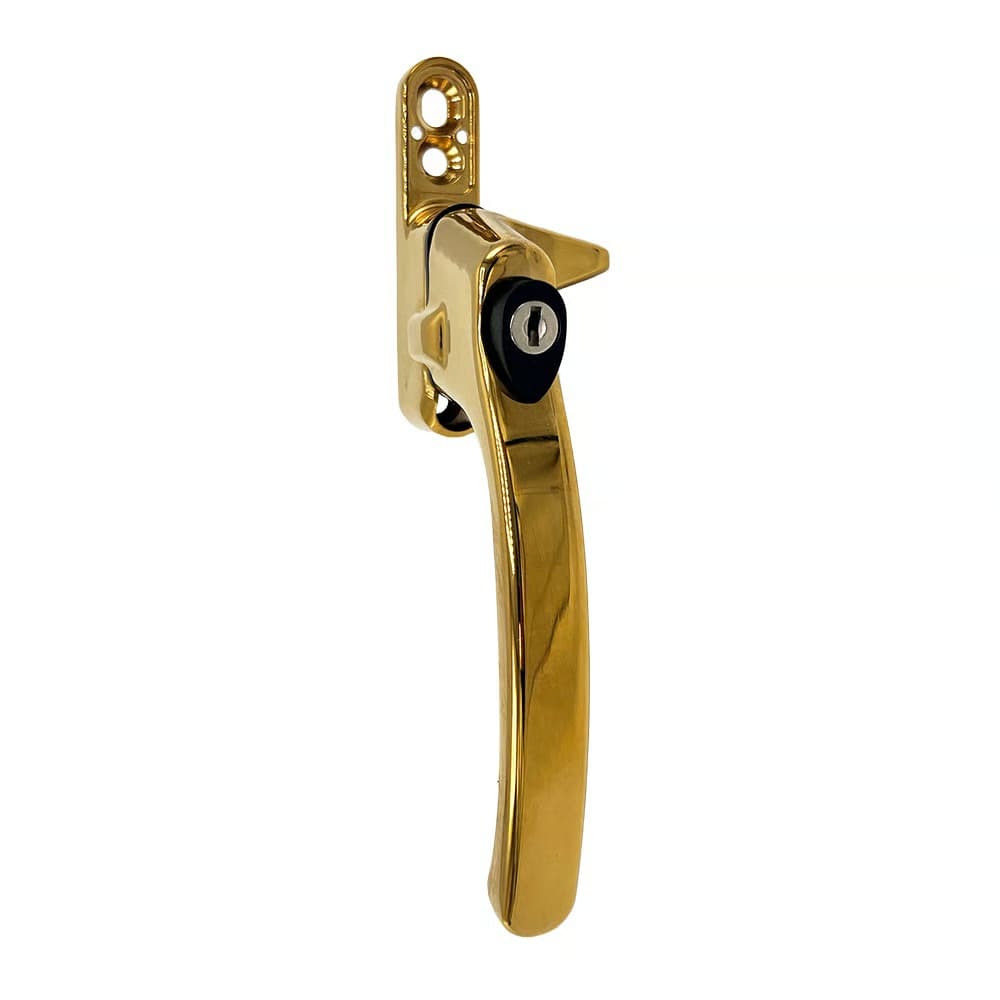
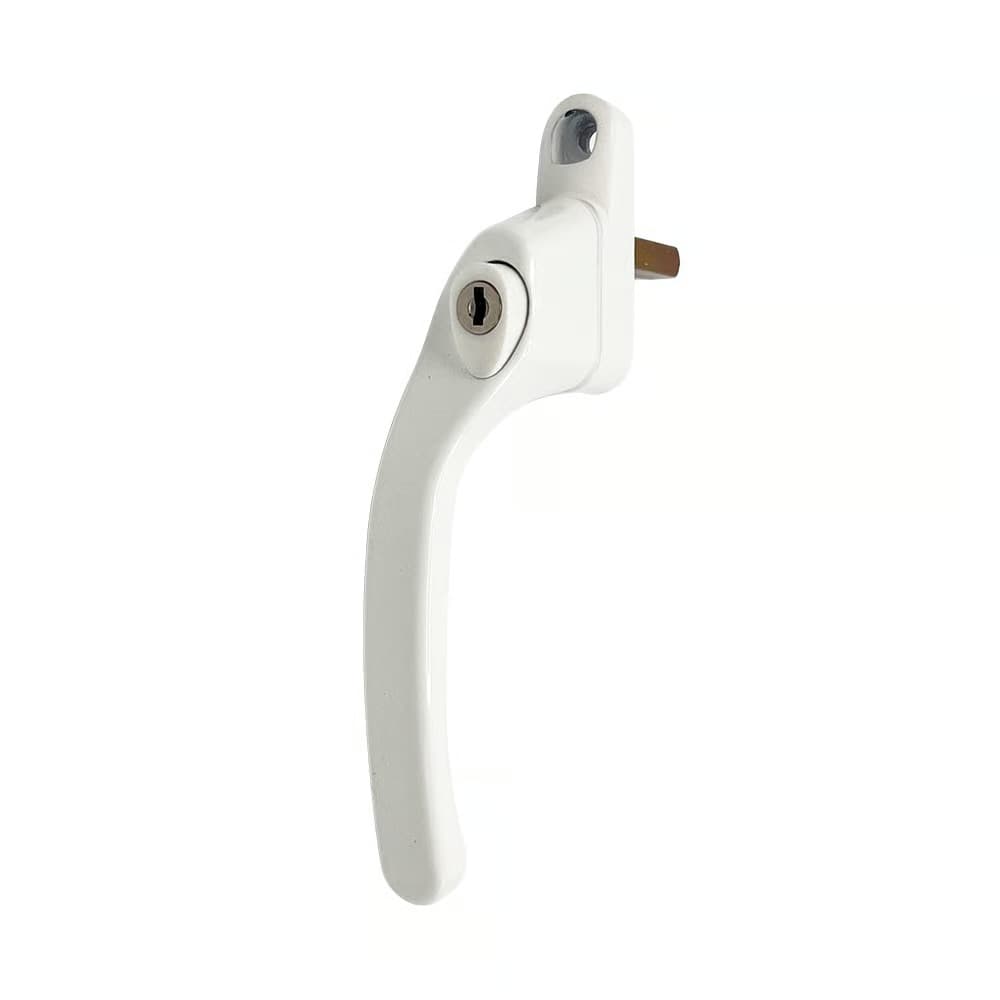
Essential tools include a Phillips and flat screwdriver, hex keys (commonly 4–5 mm), a torque driver if available, penetrating oil, light machine oil or silicone spray, a cloth, and replacement parts such as keeps, fixings or a replacement handle. For full replacements, select a compatible handle like the TSS Cockspur Window Handles or the TSS Offset UPVC Window Handles which match common spindle sizes and fixing centres.
Step-by-step troubleshooting and fixes
1. Tighten handle fixings - Remove the cover cap and tighten the handle mounting screws. Loose fixings often look like internal failure. Refit and test operation.
2. Check and lubricate the gearbox - Remove the handle and observe the gearbox or spindle. Apply a small amount of penetrating oil to free seized components, then a light machine oil or silicone lubricant to lubricate moving parts. Avoid thick greases that attract dust.
3. Inspect the spindle and splines - A worn spindle or stripped splines will allow rotation without engaging the gearbox. Replace the handle assembly if the spindle is damaged. Ensure the replacement spindle length and spline pattern match the existing mechanism.
4. Examine espagnolette rods and connections - For multi-point rods, inspect the clips and fixings that join the rod to the gearbox and locking points. Damaged or detached clips prevent the rod from pulling the keeps. Reattach or replace clips and ensure the rod runs straight without sagging.
5. Adjust or replace keeps (strikers) - Misaligned keeps are a frequent cause of handles that will not lock. Slightly loose the keep screws, reposition the keep to align with the locking bolt or hook, then tighten. Metal keeps can be filed or shimmed to improve engagement. If keeps are damaged or heavily worn, replacement is a better long-term solution.
6. Check for frame distortion - A sagging sash or swollen frame from moisture can prevent proper engagement. Tighten hinge screws and consider adding or replacing hinge packers to re-establish correct sash alignment. In severe cases, selective planing or professional joinery may be required.
7. Replace the handle or mechanism when necessary - When wear is internal and lubrication or adjustment fails, a replacement handle or gearbox will restore function. For an immediate handle upgrade, a robust option such as the TSS Cockspur Window Handle provides a reliable alternative on compatible windows. Tradespeople should confirm spindle size and locking type before ordering to ensure compatibility.
Tips for successful replacement
- Measure the spindle length, spindle square size (commonly 7 mm, 8 mm), and hole centre distance before ordering parts.
- Retain original fixings and metalwork for reference at the time of installation to match replacement parts.
- When refitting, operate the mechanism through its full travel before refitting cover caps to confirm free movement.
- Use stainless steel screws when replacing fixings in damp environments to prevent future corrosion.
Preventative maintenance
- Lubricate moving parts annually with a light machine oil or silicone spray to prevent seizing.
- Keep drainage paths clear and vents functioning to reduce frame swelling.
- Check handles and hinges periodically and tighten fixings as part of a seasonal maintenance routine.
When to call a professional
Simple adjustments, lubrication and handle replacements are straightforward for competent tradespeople and some homeowners. Complex issues involving rotten frames, severely distorted sashes, or bespoke multi-point espagnolette systems may require trade-level intervention. For repeated or safety-critical failures, professional inspection ensures secure and compliant repairs.
Espagnolette window handles play a central role in window security and weather performance. Regular inspection, timely lubrication and correct alignment of keeps and rods will prevent most faults and extend component life. For further guidance on choosing the right hardware and compatible replacements, consult the full Window Handles Guide.
Related Reading
Explore more guides on related topics:
Part of our guide:
Complete Guide to Window Handles