Window Handles

Window Handle FAQs: Measurements Security and Compatibility

29 December 2025

Window Handle FAQs: Measurements Security and Compatibility

Window handles are a small but crucial component of any window system. They control operation, contribute to security and influence the overall appearance of your home. This guide covers the most common types of window handles, how to choose the right one, compatibility with other window hardware and straightforward installation and maintenance tips you can use today.

Why window handles matter

Window handles provide three main functions:

  • Operation: they allow you to open, close and lock windows smoothly.
  • Security: paired with the correct locking cylinder or mechanism they help protect against unauthorised access.
  • Aesthetics: the style and finish can complement the window frame and interior design.
  • Choosing the right window handles reduces wear on mechanisms and improves security and user experience.

    Common types of window handles

    Cockspur handles

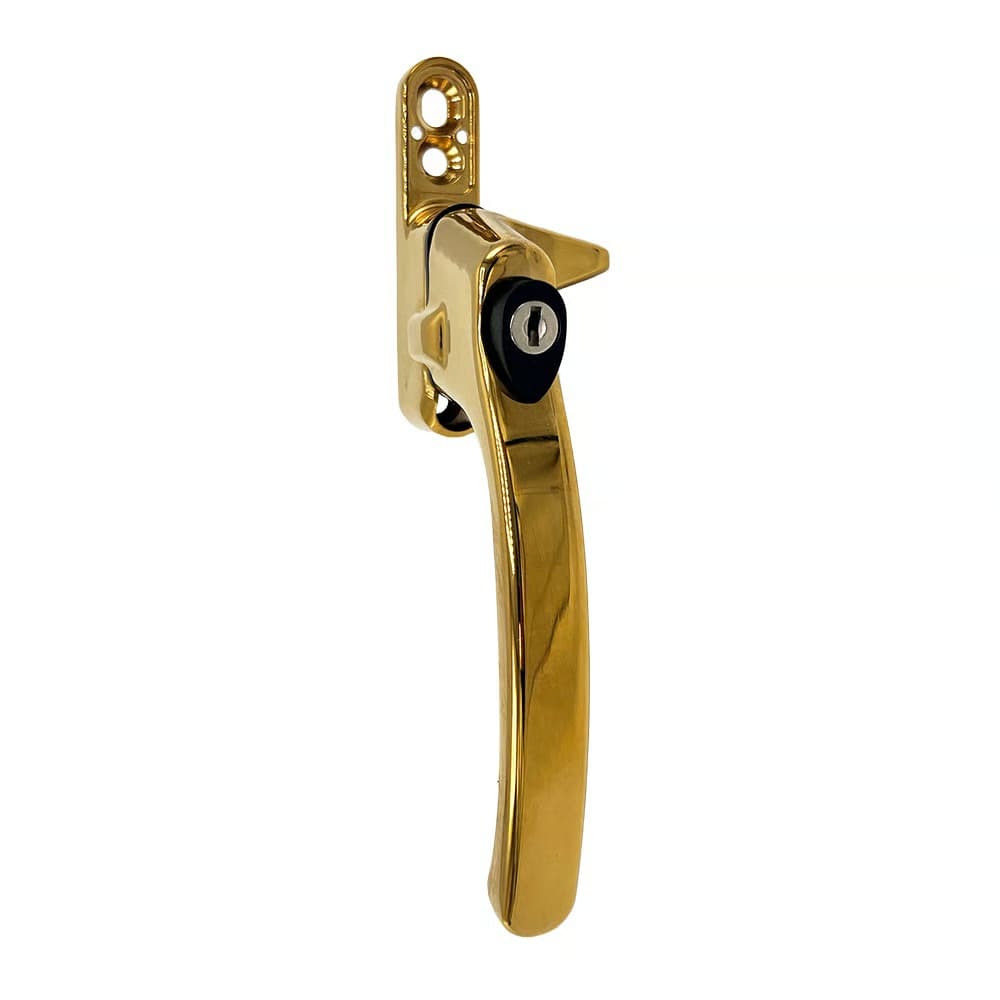
    Cockspur window handles sit on the edge of a casement window and clamp onto the frame when closed. They are often used on older timber and some aluminium frames. If you have classic windows or want a traditional look, consider TSS Cockspur Window Handles.

    Pros:

  • Simple retrofit to many existing frames
  • Affordable
  • Cons:

  • Less secure than multipoint locking systems
  • Exposed to lever-off attacks unless fitted with security features
  • Espag (espagnolette) handles

    Espag handles operate a multi-point locking rod inside the frame. They are common on UPVC and aluminium windows. For a slim, contemporary option, see Avocet Slimline Offset Window Espag.

    Pros:

  • Good security when paired with a compatible espag mechanism
  • Smooth operation
  • Cons:

  • Handle and mechanism must be matched precisely for correct operation
  • Offset and inline UPVC handles

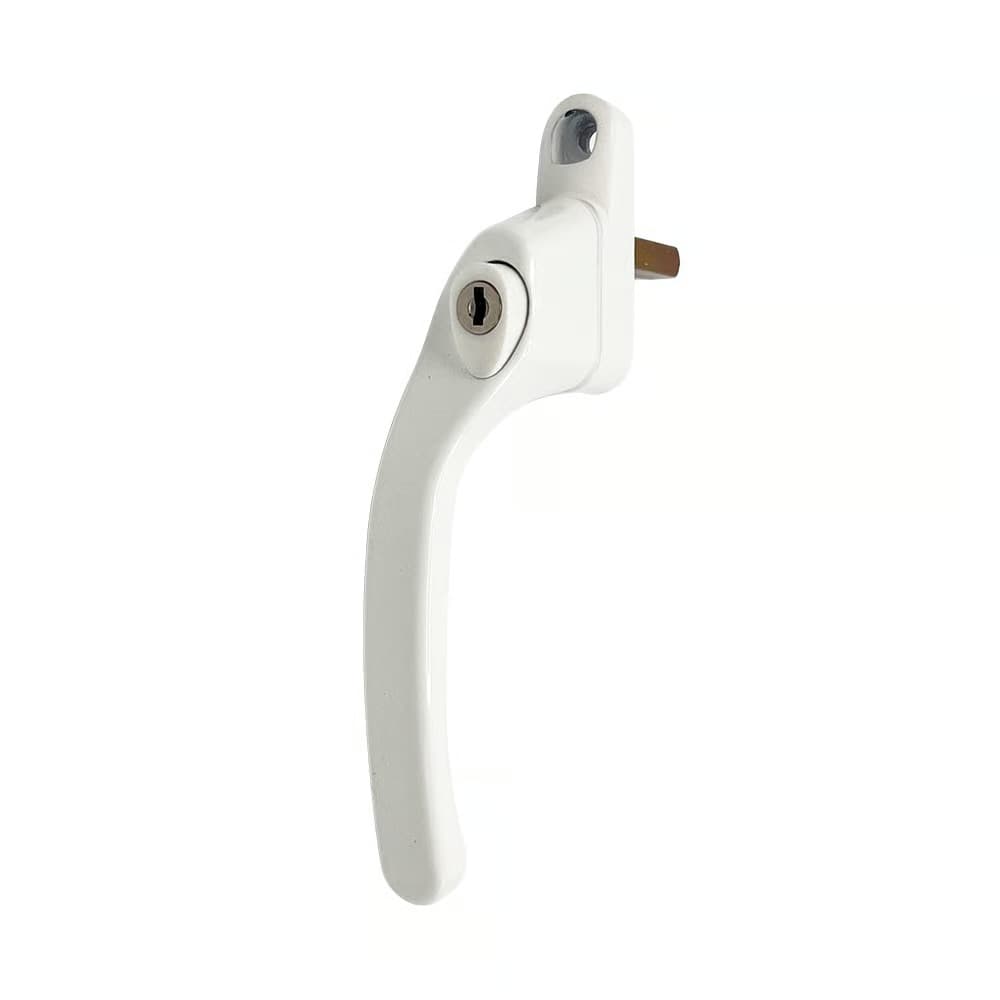
    Offset handles are designed to clear internal beading or thick glazing beads, while in-line handles sit directly in line with the spindle. TSS Offset UPVC Window Handles and In-Line Window Mechanism cover both use cases.

    When replacing handles on UPVC windows, measure the spindle length and screw hole positions to ensure compatibility.

    Thumb turn and key-locking cylinders

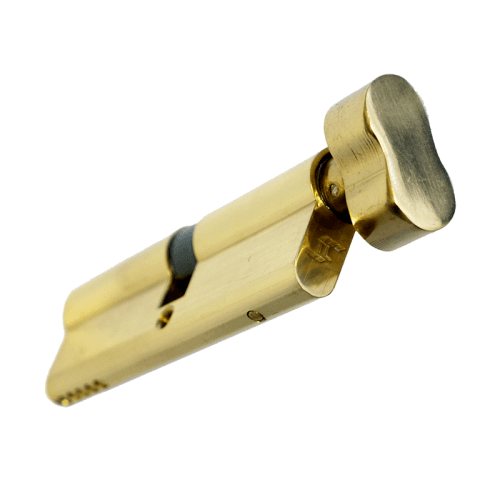
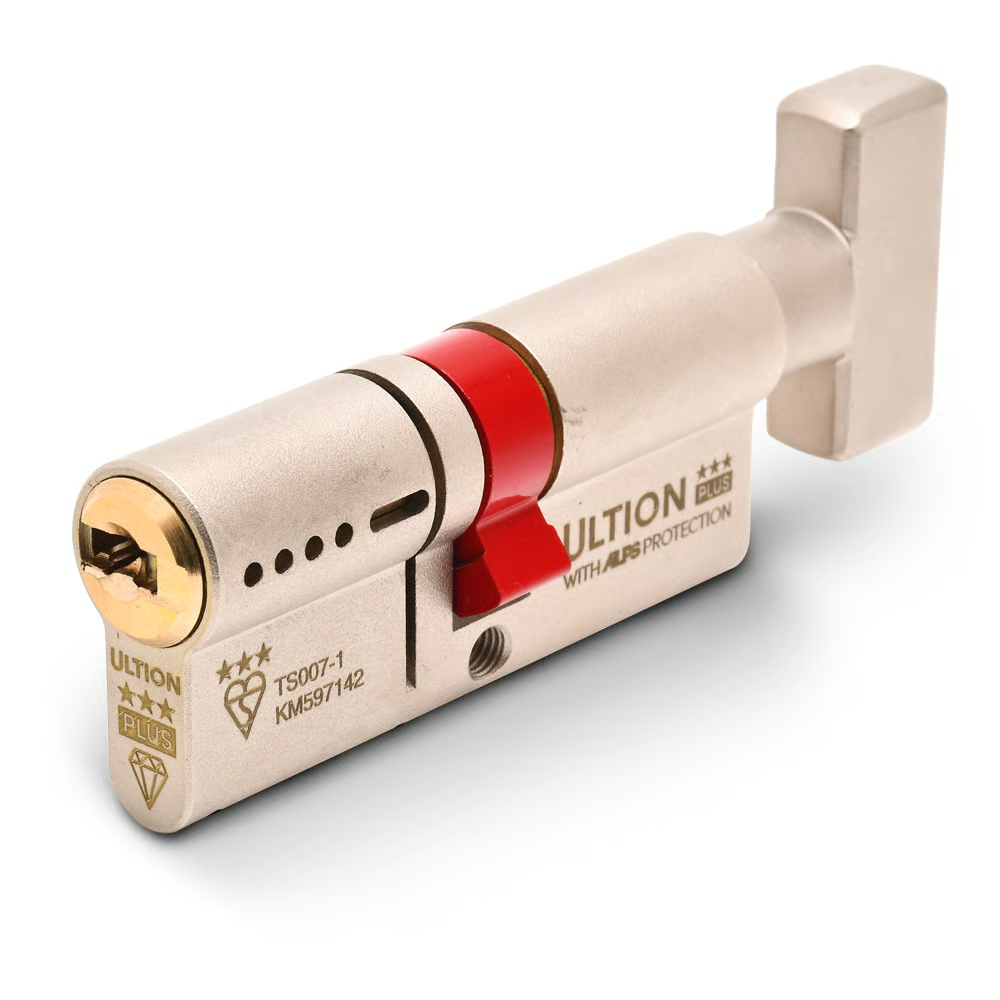
    For bedrooms and ground-floor rooms where security is essential, thumb-turn cylinders are convenient. The TL Thumb Turn Euro Cylinder is an example that allows quick locking from the inside without a key. For higher security needs, consider Ultion Plus TS007 3* Kitemarked Euro Key & Turn Cylinder.

    Matching handles to window hardware

    Window handles are not standalone: they must be compatible with the hinge, locking mechanism and gasket system.

  • Hinges: For top-hung windows, check compatibility with Top-Hung Window Hinge - Standard. If hinges are not matched to the handle and mechanism, the window may not seal correctly.
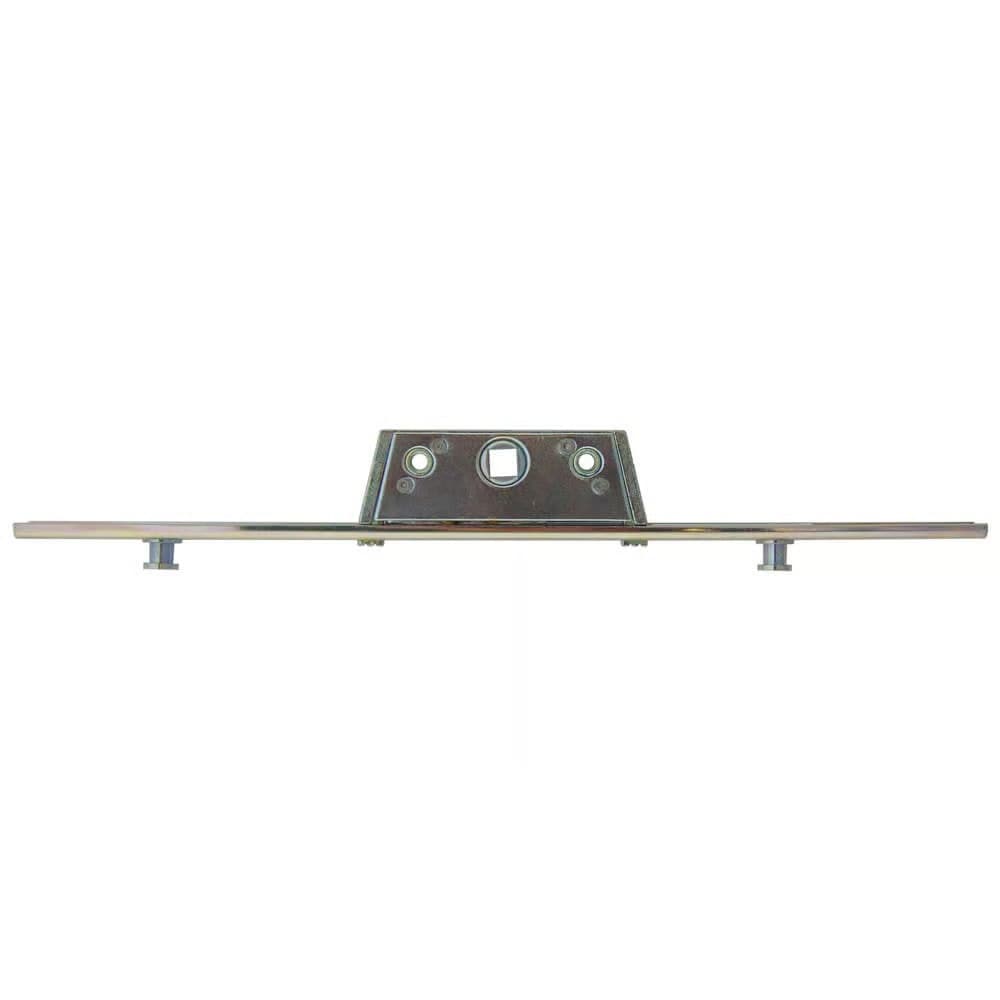
  • Mechanisms: Espag mechanisms and inline mechanisms have specific spindle and follower requirements. Use the In-Line Window Mechanism or a compatible espag when swapping handles.
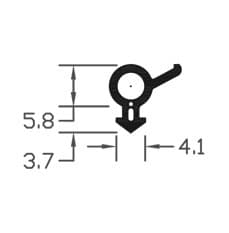
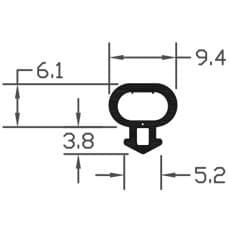
  • Gaskets: A good seal improves weather performance. Bubble gaskets such as B003 Bubble Gasket or B004 Bubble Gasket can help maintain draught-proofing after hardware changes.
  • Hinges for doors and heavy frames: For robust installations, you might also need Flag Door Hinge - Stainless Steel if your application involves heavier frames or doors adjacent to windows.
  • Security considerations

    Security should be a high priority when selecting replacement handles. Follow these practical tips:

  • Use key-locking or thumb-turn cylinders where appropriate: thumb turns are convenient inside, while kitemarked cylinders such as the Ultion Plus offer higher resistance to drilling and snapping.
  • Ensure handles fully return to vertical when locked; misalignment can indicate worn or incompatible mechanism parts.
  • For older cockspur handles, consider upgrading to an espag system if the frame allows; this increases locking points and security.
  • How to measure for replacement window handles

    Accurate measurement prevents returns and fitting issues. Here's a short checklist:

  • Measure the spindle length: pull the handle and measure the metal spindle from the handle back to where it meets the handle base. Common lengths vary, so record this precisely.
  • Take screw-hole centres: measure the distance between fixing screws on the handle's rose or backplate.
  • Note the handle orientation: left- or right-handed operation determines which handle you need.
  • Check for offsets: if the handle is designed to clear beading or a glazing rebate, note whether it is offset or inline.
  • Keep these measurements to hand when ordering TSS Offset UPVC Window Handles or Avocet Slimline Offset Window Espag products.

    Simple installation guide for common handles

    Tools needed: screwdriver, tape measure, pencil, replacement handle and possibly a new spindle.

  • Remove the old handle: unscrew the fixing screws and pull the handle off the spindle.
  • Inspect the spindle and mechanism: look for wear or stripped threads. If the spindle is damaged, replace the espag or inline mechanism.
  • Fit new spindle if required: insert the new spindle into the mechanism and align it with the handle.
  • Attach the new handle: slide the handle onto the spindle, align the fixing screw holes and tighten the screws until snug. Do not over-tighten, as this can deform the handle rose.
  • Test operation: open and close the window several times, and check locking with the cylinder or thumb turn.
  • If the handle does not operate smoothly, re-check spindle length, alignment and the condition of the espag or inline mechanism.

    Maintenance tips to extend handle life

  • Regularly clean and lubricate the mechanism: use a dry lubricant on the moving parts of the espag or inline mechanism. Avoid heavy grease that attracts dust.
  • Check and tighten screws: loose fixings cause wobble and increased wear.
  • Replace worn gaskets: if you find draughts, consider B003 or B004 Bubble Gasket replacements.
  • Address condensation promptly: prolonged moisture can corrode manual parts, particularly in older frames.
  • When to replace rather than repair

    Replace a handle when:

  • It is bent or the spindle is stripped.
  • The locking cylinder is damaged or no longer secure; upgrade to a kitemarked cylinder such as Ultion Plus TS007 where necessary.
  • The handle no longer matches the locking mechanism after previous ad hoc repairs.
  • Upgrading to a modern espag system with a compatible handle usually gives a better security and operational result than repeatedly repairing old fittings.

    Final checklist before buying

  • Confirm spindle length and screw centres
  • Decide on locking type: thumb turn, key-locking cylinder or non-locking
  • Check compatibility with existing hinges and mechanisms: Top-Hung Window Hinge - Standard and In-Line Window Mechanism information may be required
  • Consider weather seals and gaskets: B003 and B004 Bubble Gasket are common replacements
  • Choose a reputable cylinder for security: consider Ultion Plus TS007 3* Kitemarked Euro Key & Turn Cylinder
  • Choosing the right window handles improves daily usability, appearance and security. With accurate measurements and compatible components, you can confidently replace or upgrade handles to keep windows operating smoothly for years to come.

    For compatible parts and more technical specifications, , Top-Hung Window Hinge - Standard, TSS Cockspur Window Handles, Avocet Slimline Offset Window Espag, TSS Offset UPVC Window Handles, TL Thumb Turn Euro Cylinder, Ultion Plus TS007 3* Kitemarked Euro Key & Turn Cylinder, B003 Bubble Gasket, B004 Bubble Gasket and Flag Door Hinge - Stainless Steel.

    Related Reading

    Explore more guides on related topics: