uPVC Replacement Window Handles: Complete Guide
uPVC replacement window handles are a small component with a big impact on functionality, security and appearance. This guide explains the most common hand...
uPVC replacement window handles are a small component with a big impact on functionality, security and appearance. This guide explains the most common handle types, how to measure for a correct match, basic fitting steps and security considerations relevant to both homeowners and tradespeople seeking a reliable, cost-effective replacement.
Common types of uPVC window handles
Understanding handle styles makes selection straightforward:
- Espag/espagnolette handles: Designed for casement windows with an espagnolette locking mechanism. These rotate a spindle or operate a locking rod. A popular choice for secure, modern homes is the TSS Cockspur Window Handles, which offers robust engagement and a smooth action.
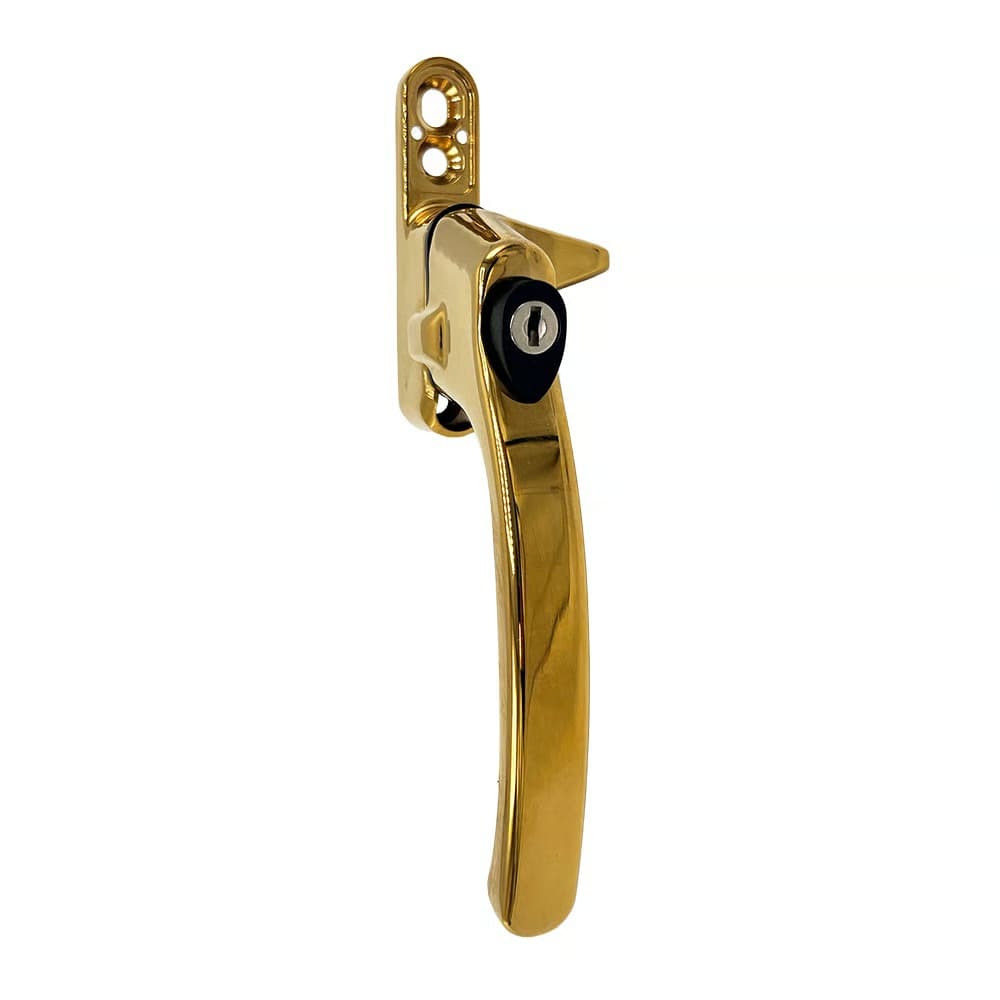
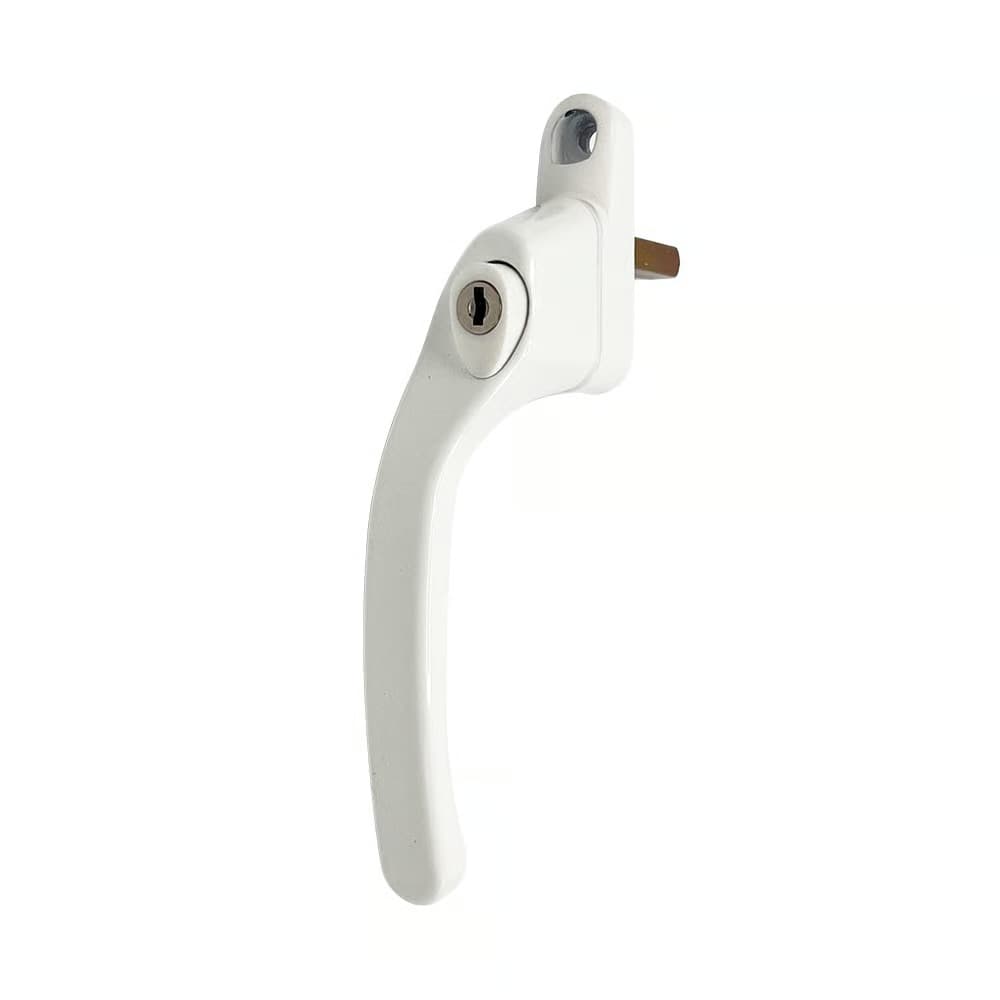
- Cockspur handles: Surface-mounted handles that engage directly with the window frame. Simpler than espags and commonly used on older or more basic uPVC windows. A durable option is the TSS Cockspur Window Handle.
- Key-locking handles: Available in espag and cockspur formats, these add a keyed deadlock for extra security, useful on ground-floor rooms or where enhanced child safety is desired.
- Tilt-and-turn or patio handles: Specific to their systems, often supplied by the window manufacturer. The TSS Offset UPVC Window Handles is a frequently specified handle for standard residential applications.
Identifying the correct replacement
Accurate identification avoids wasted time and returns. Essential parameters to check:
- Type of operation: espag, cockspur, tilt-and-turn, or other.
- Spindle size and shape: Common square spindles are 7mm or 8mm, but measurements should be taken with callipers where possible. A square spindle that is 7mm across will be labelled 7mm.
- Screw centres: Distance between the fixing screws (centre-to-centre) is typically 43mm, 70mm or 92mm dependent on handle design. Measure with a steel rule.
- Backplate dimensions: Important where aesthetic fit matters or where new handle screw holes must align with existing cut-outs.
- Handing: Determine left or right-handed handing by noting the direction the window opens when viewed from the outside; some handles are reversible but many are handed.
Measuring and tools required
Essential tools and measurements for a straightforward swap:
- Tape measure and callipers for spindle size and screw centres.
- Screwdrivers (Pozi or flat) to match existing screws.
- Replacement screws and metal thread bolts if the existing fixings are corroded.
- Cleaning cloth and isopropyl alcohol to prepare the area.
- Pencil to mark new drill points if required; a 2.5–3mm pilot drill is usually adequate for uPVC when new hole creation is necessary.
- A torque-limited screwdriver is not essential but prevents over-tightening which can strip the frame or crack the handle.
Practical step-by-step replacement
A basic fitting process for most espag and cockspur handles:
1. Secure the window in the closed position and remove the existing handle fixings. Keep screws in a small container. 2. Slide the handle off the spindle. If seized, apply a penetrating spray sparingly and let it sit a few minutes before attempting again. 3. Clean the spindle and the surrounding area. Inspect the spindle for wear or rust. Replace if bent or heavily corroded. 4. Trial-fit the new handle on the spindle to confirm engagement and alignment of screw holes. 5. Insert new fixings and tighten evenly until the handle is secure but not over-tightened. Ensure the handle returns to the flush closed position without binding. 6. Test the locking mechanism and, in the case of espag handles, cycle the handle through its full travel to confirm the espagnolette engages all locking points.
Documenting the fitment with a quick photograph before and after is advisable for tradespeople for quality control records.
Security and compliance considerations
Upgrading handles can materially increase security. Recommendations include:
- Choosing handles with anti-bump, anti-shear features and solid fixings.
- Opting for key-locking handles on accessible ground-floor windows or rooms containing valuables.
- Ensuring screws engage into reinforcing steel or metal fixings when present; plastic-only threads reduce security.
- Checking compatibility with multi-point espagnolette locking systems; an incorrect handle may not fully engage all locking points, compromising security.
- Confirming any replacement complies with current building regulations or insurance requirements, particularly where locks are specified.
Finishes and aesthetics
Handles are available in white, gold, chrome, satin chrome and black finishes. Selection should balance aesthetic preference with durability: polished finishes show fingerprints and wear more readily, while satin options hide marks and remain visually appealing in high-use settings. Tradespeople working on multiple properties should advise homeowners on durable finish choices to reduce ongoing maintenance.
When to replace frame or hardware
Handle replacement is often the simplest fix, but consider full hardware renewal if:
- Multiple handles or locks are failing.
- Espagnolette locking rods are bent, corroded or missing.
- Frame movement or misalignment prevents proper engagement.
- Windows are older and lack modern safety features for children or occupants with accessibility needs.
Final recommendations
Selecting the right uPVC replacement window handles requires attention to type, spindle dimensions and fixing centres. Tradespeople benefit from carrying common variants for immediate replacement, while homeowners should take clear measurements and photographs when purchasing. Prioritise secure fixings and finishes suited to the environment. For further technical guidance and a wider selection of handles, consult the comprehensive resource: Window Handles Guide
Related Reading
Explore more guides on related topics:
Part of our guide:
Complete Guide to Window Handles