Window Handles and Locks: Security Tips for Homeowners
Window handles and locks play a central role in home security, yet they are often overlooked during routine maintenance. This article outlines practical, a...
Window handles and locks play a central role in home security, yet they are often overlooked during routine maintenance. This article outlines practical, actionable advice for homeowners and tradespeople on selecting, fitting and maintaining window hardware to reduce the risk of unauthorised entry while extending the service life of windows.
Understand the types of window handles and locks
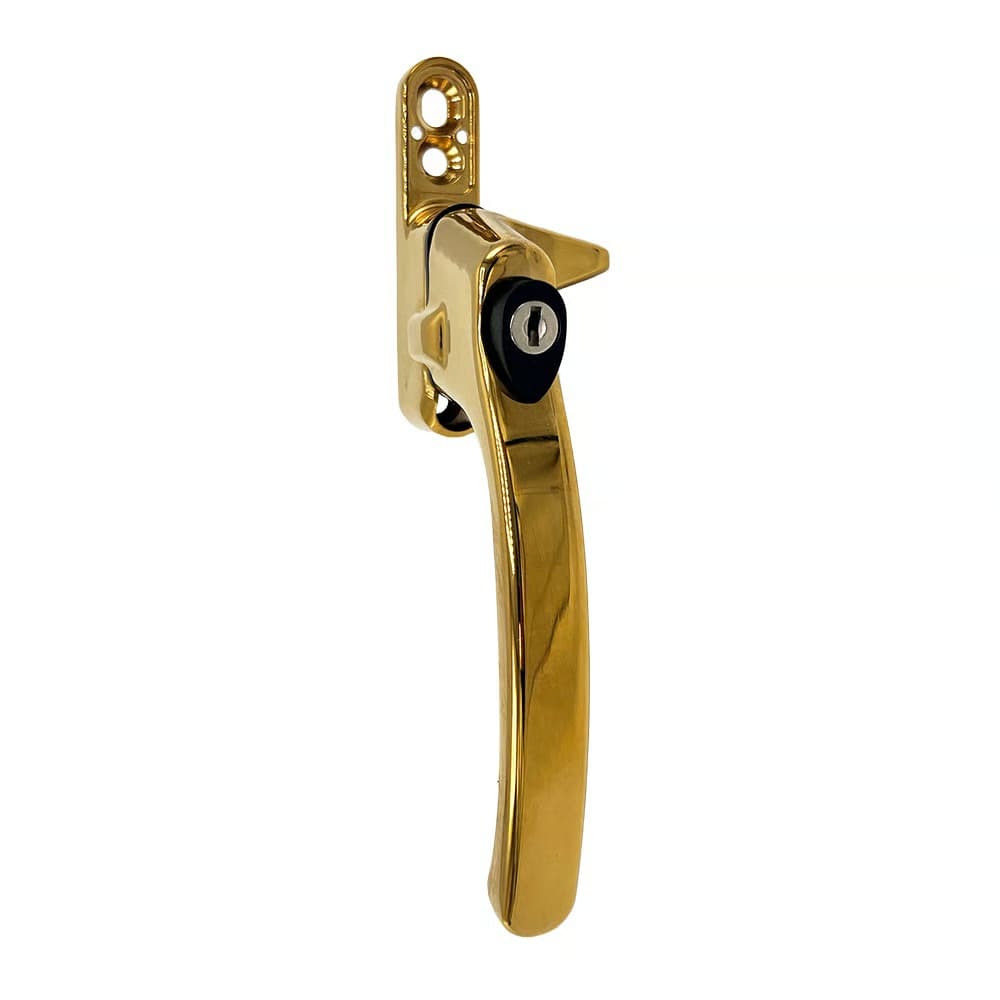
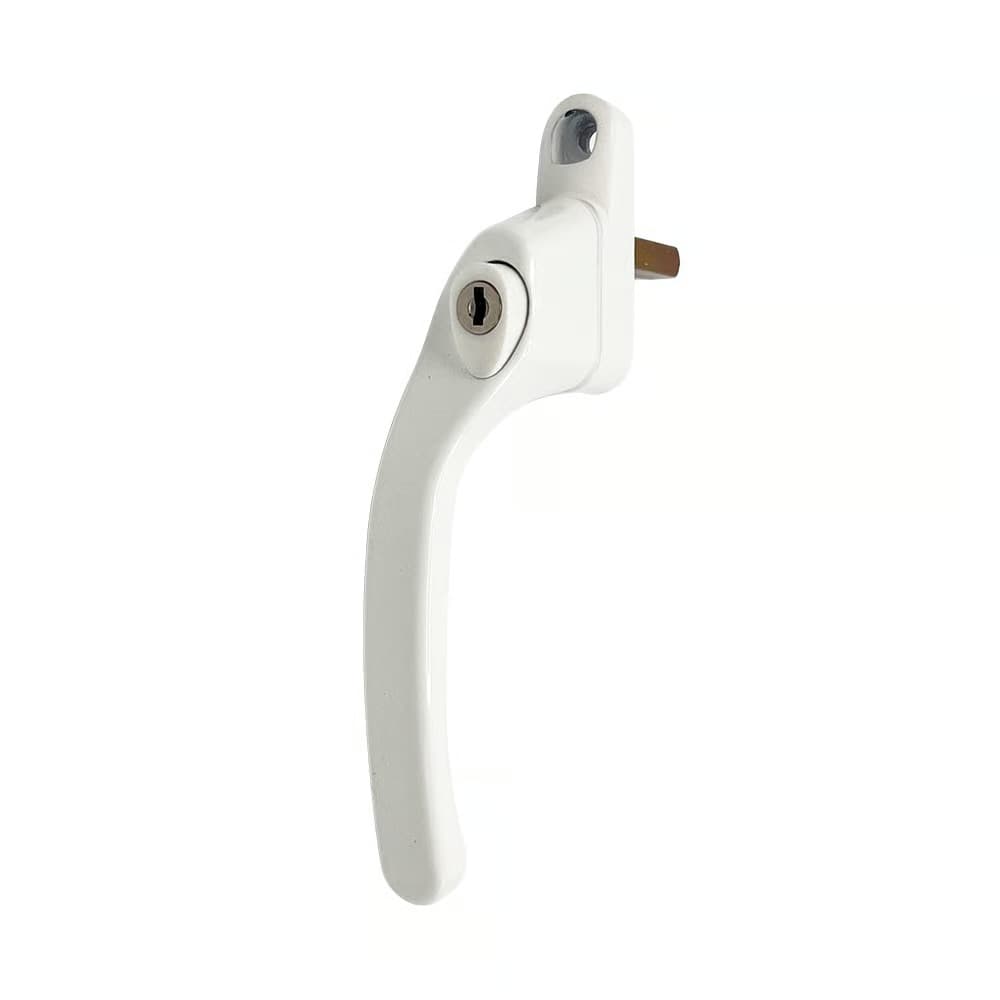
Different window profiles and locking systems require specific hardware. Common handle types include espagnolette (espag) handles for uPVC and aluminium casements, cockspur handles for older timber sashes, and tilt-and-turn or lever-operated handles for modern systems.
- Espag systems operate an internal locking rod engaging multiple points. Consider a 7mm or 8mm spindle depending on the espagnolette mechanism.
- Cockspur handles latch over the frame and are common on renovation projects where replacing the locking mechanism is impractical.
- Key-locking handles provide a basic level of security for ground-floor and accessible windows and can deter opportunistic attempts.
Prioritise certified and tested hardware
Select hardware that meets recognised standards—look for Secure by Design accreditation, BS EN 13126 series for window hardware, or PAS 24 compliance for outdoor test criteria. Certified products give assurance of performance against common attack methods (snapping, drilling, levering).
Tradespeople should verify product ratings before specifying for contracts or insurance requirements. Homeowners should check the manufacturer’s specification and any available test certificates to ensure suitability for the property’s risk profile.
Fitment best practice for longevity and security
Correct installation is as important as product choice. Follow these guidelines:
- Use the correct-length screws. Long, fully-threaded screws into the frame substrate (not just trim) improve resistance to levering. For PVCu or timber frames, 30–40mm screw engagement into the frame material is often recommended; for masonry or metal-backed frames use appropriate fixings.
- Ensure spindle and follower alignment. Misaligned spindles cause premature wear and ineffective locking. Measure spindle length and thickness before ordering replacements.
- Use torque-limited drivers for screw tightening to avoid stripping fixings or deforming handles.
- Centre and square the handle on the stile; an eccentric fit can cause binding and reduce locking efficiency.
- Replace backplates or keepers when worn. A new handle onto a worn keeper limits security gains.
Maintenance schedule and practical checks
Regular maintenance prevents failures and helps identify tampering early:
- Inspect handles and locks every 6 months for play, corrosion and missing fixings.
- Lubricate moving parts with a light machine oil or a dry PTFE spray—avoid heavy greases that attract dust.
- Test locking function monthly, exercising the handle and key to ensure smooth operation.
- Check the condition of gaskets and glazing beads; loose beads can allow sash removal in some designs.
- Re-tighten screws after the first few weeks of use; new installations often settle and require minor adjustments.
Upgrade options to improve security
Upgrading the locking system can significantly raise protection without full window replacement:
- Fit 3 star cylinder-rated locks or anti-snap cylinders where cylinder locks are used; ensure cylinder length matches the frame thickness.
- Install hinge-side security devices such as hinge guards or anti-lift pins to prevent forced removal on outward-opening windows.
- Upgrade to multi-point espagnolette systems where feasible to increase distributed resistance against levering.
- Add restrictors or approved child-safety devices to ground-floor or accessible windows to prevent uncontrolled opening while maintaining ventilation.
Practical crime-prevention measures
Combine hardware improvements with simple behavioural measures to reduce risk:
- Keep accessible ground-floor windows locked when not occupied; even short absences invite opportunists.
- Use laminated or toughened glass for vulnerable panes; glass-resistant glazing slows entry attempts.
- Landscape to remove concealment near windows—low thorny planting under windows deters casual access.
- Fit external lighting with motion sensors to increase visibility around vulnerable openings.
Troubleshooting common issues
Addressing small faults early avoids costly replacements:
- Handle stiff or sticking: check for obstructions in the track, clean and lubricate, and verify keepers are aligned.
- Key won’t turn: inspect cylinder for dirt, lubricate with graphite or specialist lock lubricant, and check for a worn key profile.
- Wobbly handle: replace short screws with longer ones engaging the frame substrate and fit a new handle backplate if required.
- Locking fails intermittently: check spindle wear and espagnolette engagement points, and replace worn strikers or keeps.
Record keeping and warranties
Retain receipts, installation notes and product certificates. Warranties often require correct fitment and maintenance; documentation helps with claims and future servicing.
A proactive approach to window handles and locks will enhance security without unnecessary expense. For further technical guidance on selecting handles, fittings and compatibility, refer to the comprehensive Window Handles Guide.
Related Reading
Explore more guides on related topics:
Part of our guide:
Complete Guide to Window Handles