Best Window Handles for uPVC Windows: Buying Guide 2026
Introduction: Choosing the right window handle for uPVC windows is a small decision that makes a big difference to security, operation and appearance. Tradespeople and competent DIY enthusiasts need p...
Introduction: Choosing the right window handle for uPVC windows is a small decision that makes a big difference to security, operation and appearance. Tradespeople and competent DIY enthusiasts need practical, reliable solutions that match locking mechanisms, fire escape requirements and site finishes. This guide explains the key types, materials, backset and fixing considerations and offers instalment and maintenance tips so you can specify or fit the correct window handle every time.
Why the correct window handle matters
A good window handle does more than look tidy. The right window handle ensures smooth operation, engages the locking mechanism correctly and meets building regulations for egress and ventilation where required. Poorly matched handles can cause premature wear to multipoint locking systems or create security weaknesses. For installers, selecting the correct window handle reduces call-backs and ensures customer satisfaction.
Common types of window handle for uPVC windows
Understanding handle types helps you match to the hardware already fitted on site. Typical options include:
- Espagnolette handles: Standard for many casement windows; they operate a spindle that engages the espagnolette locking mechanism.
- Cranked or offset handles: Useful when window furniture or frames prevent a straight projection; cranked window handles reposition the grip away from obstructions.
- Monkey tail, lever and drop handles: Decorative options for heritage or restoration works while still compatible with modern locking gear.
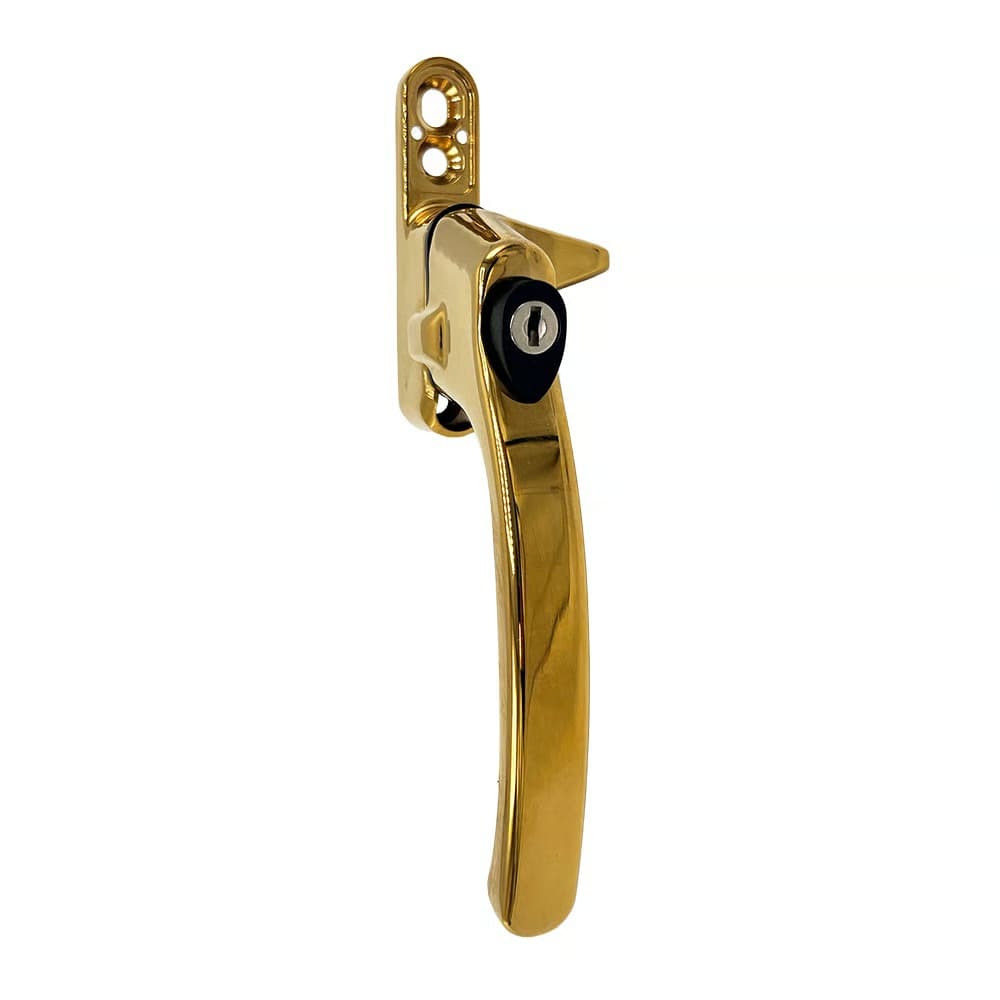
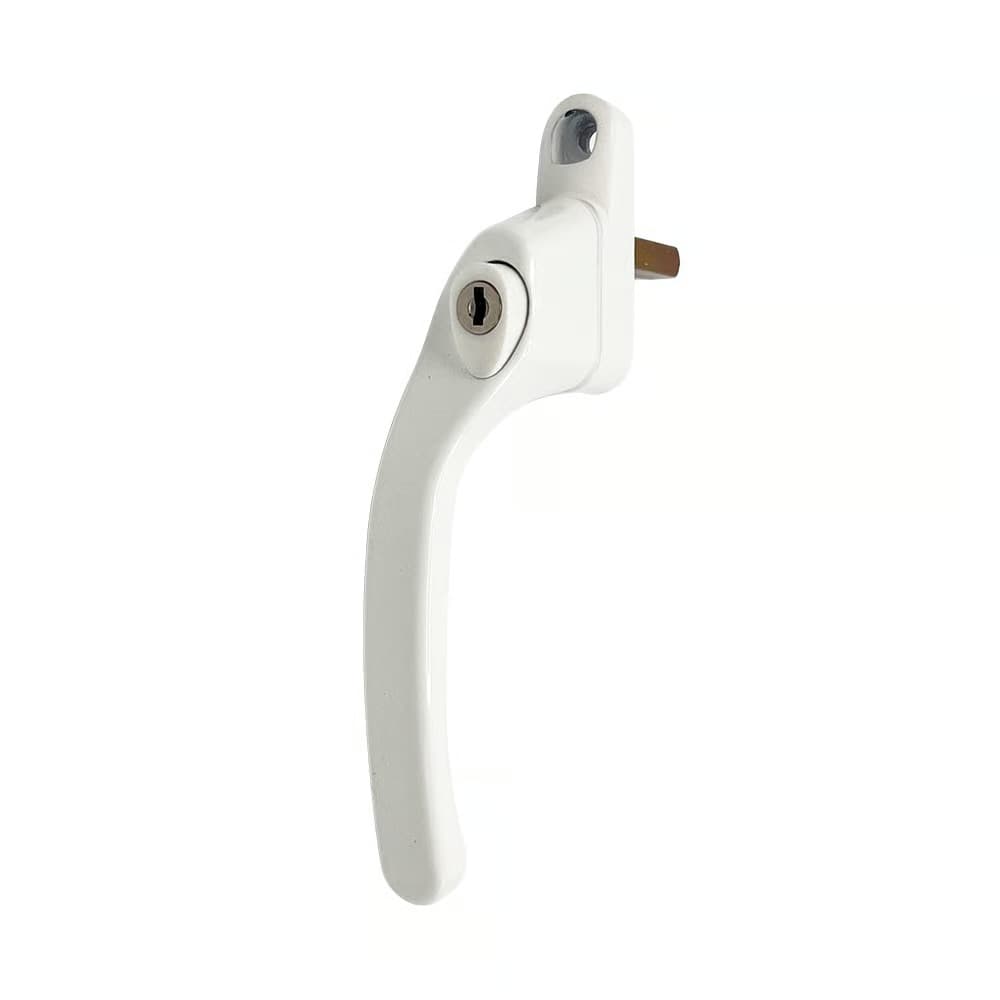
- Handle with a key lock: Adds security for ground-floor windows or vulnerable openings; these should match spindle size and locking cam orientation.
- Tilt-and-turn handles: Specifically for tilt-and-turn windows; ensure the handle matches the multi-point hardware to allow both tilt and turn functions.
Key specifications to check before ordering
Tradespeople should confirm the following to avoid site problems when replacing or fitting a window handle:
- Spindle size: Common sizes are 7mm and 8mm square; measure the spindle on the existing mechanism to match a new window handle precisely.
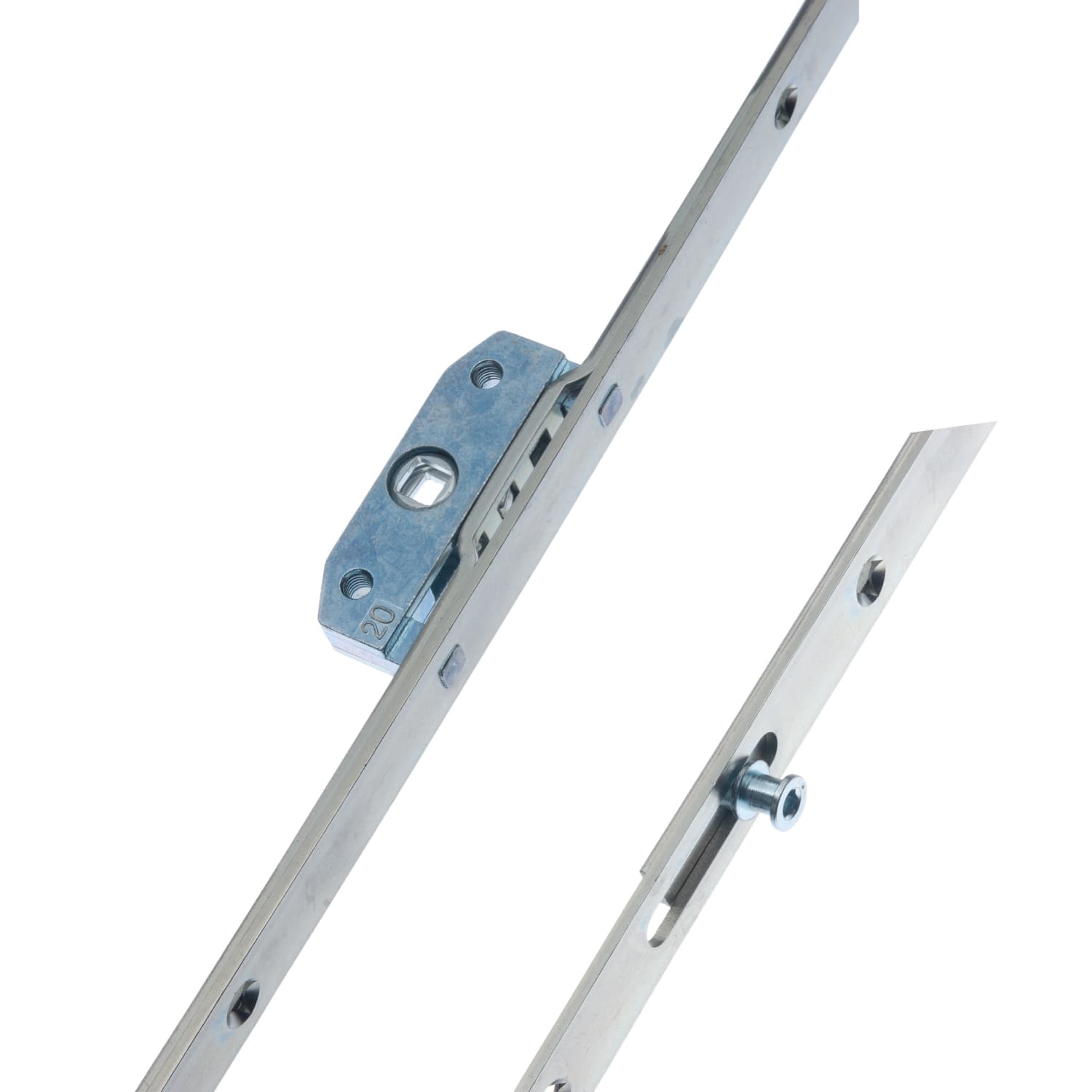
- Backset and centre-to-centre: Measure from the face of the handle rose to the centre of the fixing holes; ensure the replacement handle aligns with the existing holes where possible.
- Fixing type: Through-bolt fixings versus push-in sprung fixings; some modern uPVC frames require specific screw lengths and washers to avoid frame distortion.
- Handing: Left- or right-handed operation matters on some handle designs, particularly keyed variants and tilt-and-turn applications.
- Projection: Check how far a handle projects from the frame; this affects clearance for blinds, tiles or adjacent walls.
Materials and finishes: durability and appearance
Choose a material that suits the environment and the customer’s aesthetic. Common choices include:
- Zinc alloy: Cost-effective and durable for most internal and external windows; powder-coated or plated finishes protect against corrosion.
- Stainless steel: Offers the best corrosion resistance for coastal properties and commercial projects; typically used for lever handles and keyed options.
- Aluminium: Lightweight and modern looking; good for slimline profiles but check strength for frequent use.
- Plastic or Nylon components: Often present in cheaper handles; suitable for low-use environments but avoid for high frequency or heavy-duty trade installations.
Finishes commonly sought by customers include white, satin chrome, bright chrome, bronze and black. Match finish to client preferences and other ironmongery for a consistent appearance.
Security and compliance considerations
Security is a primary concern for uPVC windows. When specifying a window handle keep these points in mind:
- Key-lockable handles should have anti-drill, anti-snap features where possible; ensure the cylinder or barrel matches the handle system.
- Handle-to-gear compatibility: Check that the handle turns through the correct degree to fully engage the locking cams; partial engagement reduces security.
- Child safety: Consider restrictor handles or integral restrictors for upstairs windows; these can allow ventilation while preventing falls.
- Certification: Where required, choose handles that are tested to relevant BS or PAS standards for security and durability.
Installation tips and maintenance for tradespeople
Follow these practical steps to install a window handle correctly and reduce future faults:
- Confirm measurements and handing before leaving the workshop; carry common spindle sizes and screw types on-site.
- Remove the existing handle carefully to avoid damaging the espagnolette or gear; keep original fixings as templates.
- Fit the handle square to the frame to prevent binding; use threadlocker on screws where recommended by the manufacturer.
- Check operation through the full travel of the handle to ensure full engagement of locks; operate the window several times under load.
- Advise customers on simple maintenance: lubricate moving parts with a light machine oil annually; clean finishes with non-abrasive products.
Conclusion: Selecting the right window handle for uPVC windows means matching type, spindle size, finish and security features to the window hardware and site requirements. For tradespeople, careful measurement and sensible stock choices reduce returns and on-site delays. For DIYers, knowing what to measure and what options exist makes replacement straightforward. Keep a small kit of common spindles, screws and a selection of finishes; it will save time and ensure the correct window handle is always at hand.
Recommended Products
Based on this article, you may find these products helpful:
Part of our guide:
Complete Guide to Window Handles