Replacement Window Handles for uPVC Windows: Left/Right Handing
Replacement window handles for uPVC windows require careful selection and simple checks to ensure correct fit and secure operation. This guide explains lef...
Replacement window handles for uPVC windows require careful selection and simple checks to ensure correct fit and secure operation. This guide explains left/right handing, types of handles commonly used on uPVC windows, how to measure for a replacement, and practical installation tips for both homeowners and tradespeople. It also covers considerations such as locking options, spindle lengths, and avoiding common mistakes.
Understanding left and right handing
Handing refers to the side of the window that the handle is mounted on when viewed from the inside. Correct handing ensures the handle operates the locking mechanism smoothly and that any key- or push-to-lock functions work as designed. A simple mnemonic: when standing inside facing the window, if the handle is on the right-hand side, the window is right-handed; if the handle is on the left, the window is left-handed.
This concept applies to various handle types, from espagnolette (espag) handles to cockspur designs. For espag windows that use a multi-point locking strip, handing also determines which direction the internal gearbox and spindle must turn to engage the locking runners. For cockspur handles, handing affects how the hook or cam meets the keep on the frame.
Common uPVC handle types
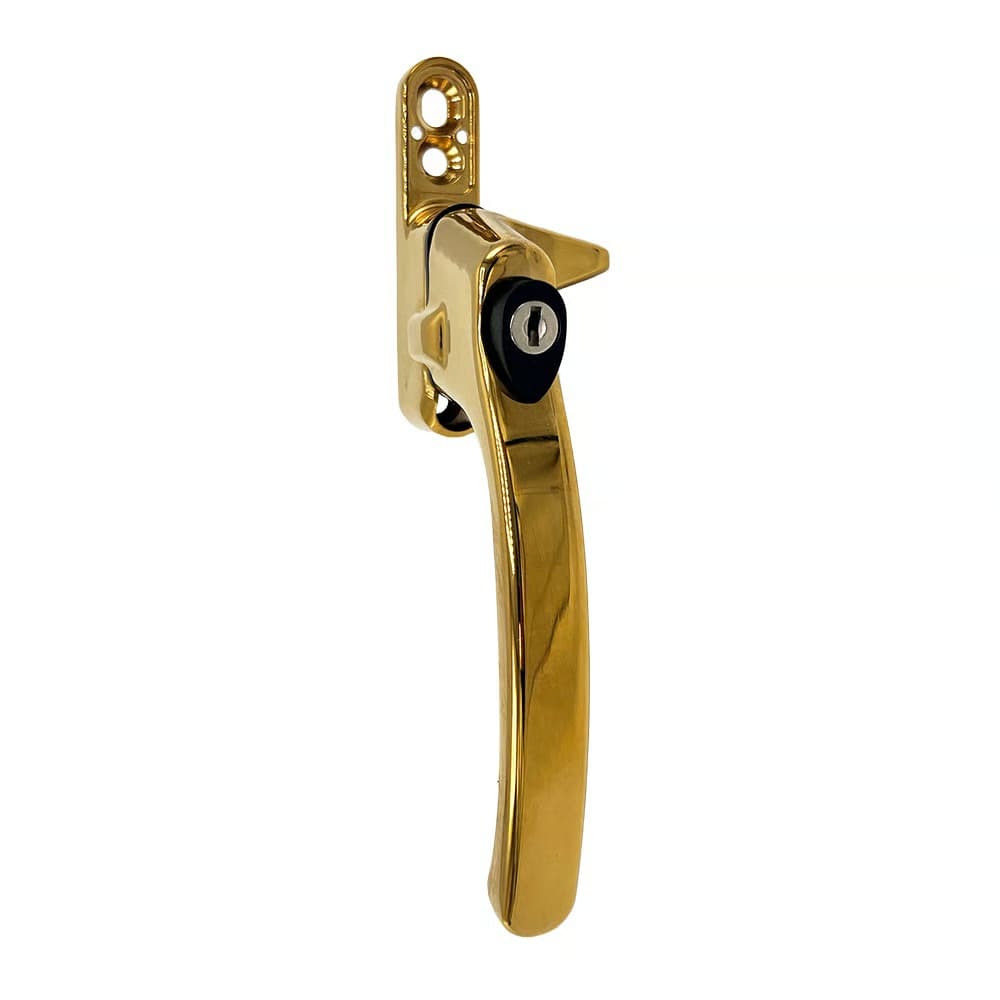
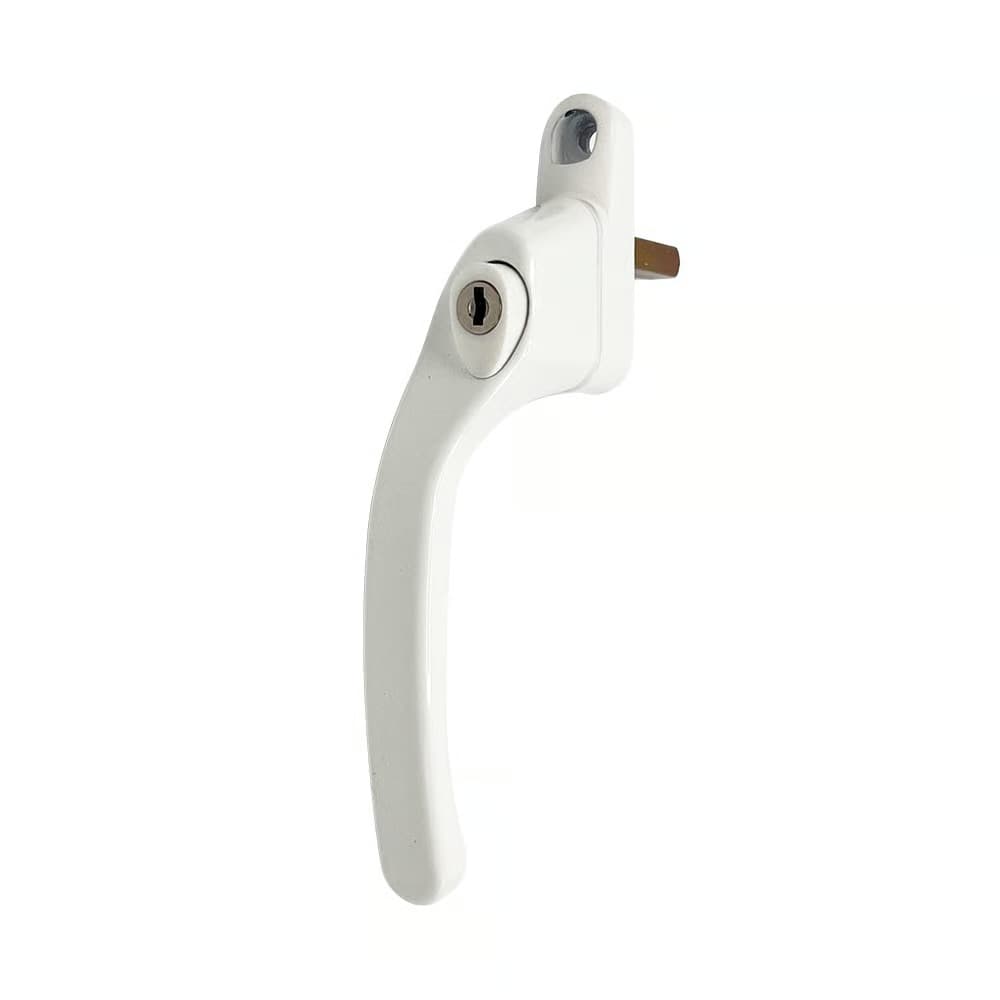
- Espag (espagnolette) handles: These are used with espag gearboxes and multi-point locks. They often come with a fixed or removable spindle and may include key-locking options for added security. A durable, secure option suitable for modern multi-point locking systems is the TSS Cockspur Window Handles.
- Cockspur handles: Traditional design found on older uPVC and timber windows. A cam or spur on the handle presses against a keep on the frame. These are simple to replace and are commonly non-locking, although lockable variants exist. A reliable option is the TSS Cockspur Window Handle.
- Lever/lockable handles: Many lever handles include an integrated cylinder or push-to-lock mechanism for additional child safety and security. The TSS Offset UPVC Window Handles provides a balance of robust construction and convenient locking.
How to determine handing quickly
1. Stand inside the property facing the closed window. 2. Observe which side the handle is mounted on: - Handle on the left = left-handed - Handle on the right = right-handed 3. Note whether the handle points up or down when locked and whether the spindle rotates clockwise or anticlockwise to operate the lock. These details help confirm compatibility with the replacement handle.
For reversible models, manufacturers often state whether the handle is non-handed, but espag handles commonly come in left- or right-handed versions to match the locking gear.
Measuring for a replacement
Accurate measurements avoid returns and improper fit.
- Backplate dimensions: Measure the length and width of the handle backplate and the centre-to-centre distance between fixing screws.
- Spindle length and size: Remove the old handle and measure the spindle length from the face of the handle to the end that enters the gearbox. Common spindle sizes are 7mm square; double-check the profile.
- Fixing holes: Measure screw positions and distances to ensure the replacement aligns with existing holes. If the replacement includes a different fixing pattern, plan for fillers or packers to correct screw alignment.
- Spindle position: For espag handles, confirm the position of the spindle relative to screw holes; mismatched positions can prevent engagement with the gearbox.
Practical installation steps
The following steps suit most lever-operated uPVC handles. Tradespeople can adapt slightly for volume work.
1. Tools required: screwdriver set (Pozidrive/Phillips), hex key (if required), tape measure, pencil, and replacement handle. 2. Unlock and remove: If the existing handle locks, unlock it first and then remove the fixing screws from the backplate while supporting the handle to prevent damage. 3. Withdraw spindle: Slide the spindle out carefully. Inspect the gearbox for wear; significant wear may mean the espag strip requires replacement rather than just the handle. 4. Fit new handle: Insert the correct spindle into the gearbox, align the backplate fixing holes, and secure the handle with screws. Do not overtighten – uPVC can deform under excessive torque. 5. Test operation: Operate the handle through the full motion to check smooth engagement of locking points. Ensure key-locked handles operate the cylinder freely. 6. Final adjustments: If the handle feels stiff, check the gearbox and apply a small amount of suitable lubricant to the moving parts (avoid silicon sprays that attract grime).
For cockspur handles, ensure the cam or spur properly contacts the keep and that the window closes without forcing. For espag handles, perform a full cycle to ensure multiple locking points engage properly.
Security, safety and maintenance
- Choose a lockable handle for ground-floor windows or rooms where child safety is a concern. Lockable lever handles prevent unauthorised opening.
- Replace worn gear: If the espag strip shows wear, the handle replacement alone may not restore security. Inspect for damaged teeth or loose fixings.
- Regular maintenance: Clean moving parts and apply a light lubricant annually. Check security screws and tighten as necessary.
- Weather and compressible gaskets: Ensure seals and gaskets are not compressed unevenly by over-tightening the handle spindle; damaged seals can cause draughts and water ingress.
Common pitfalls to avoid
- Incorrect handing: Ordering a left-handed handle for a right-handed window will usually prevent operation. Confirm handing before purchase.
- Wrong spindle size: A too-short or too-thin spindle will not engage the gearbox properly; a too-long spindle may damage internal components.
- Assuming all handles are universal: Some manufacturers supply reversible models, but most espag handles and many cockspur handles are handed.
- Over-tightening screws: This can crack the uPVC or distort the backplate, affecting operation.
Related Reading
Explore more guides on related topics:
Part of our guide:
Complete Guide to Window Handles