How to Measure for Replacement Window Handles (Without Guesswork)
Homeowners and tradespeople replacing worn or broken handles will save time and avoid returns by measuring accurately before ordering. This guide explains...
Homeowners and tradespeople replacing worn or broken handles will save time and avoid returns by measuring accurately before ordering. This guide explains which dimensions matter for different handle types and provides step‑by‑step instructions and practical tips for fitting replacement window handles without guesswork.
Tools and preparations
Gather basic tools before measuring:
- Tape measure or steel ruler (mm)
- Vernier calipers (helpful for spindle and screw diameters)
- Spirit level (to check handle orientation)
- Screwdrivers and hex keys (for removal)
- Camera or smartphone for reference photos
Identify the handle type
Different handle types require different measurements:
- Espag/espagnolette handles operate a long metal rod or gearbox and are common on uPVC and aluminium windows.
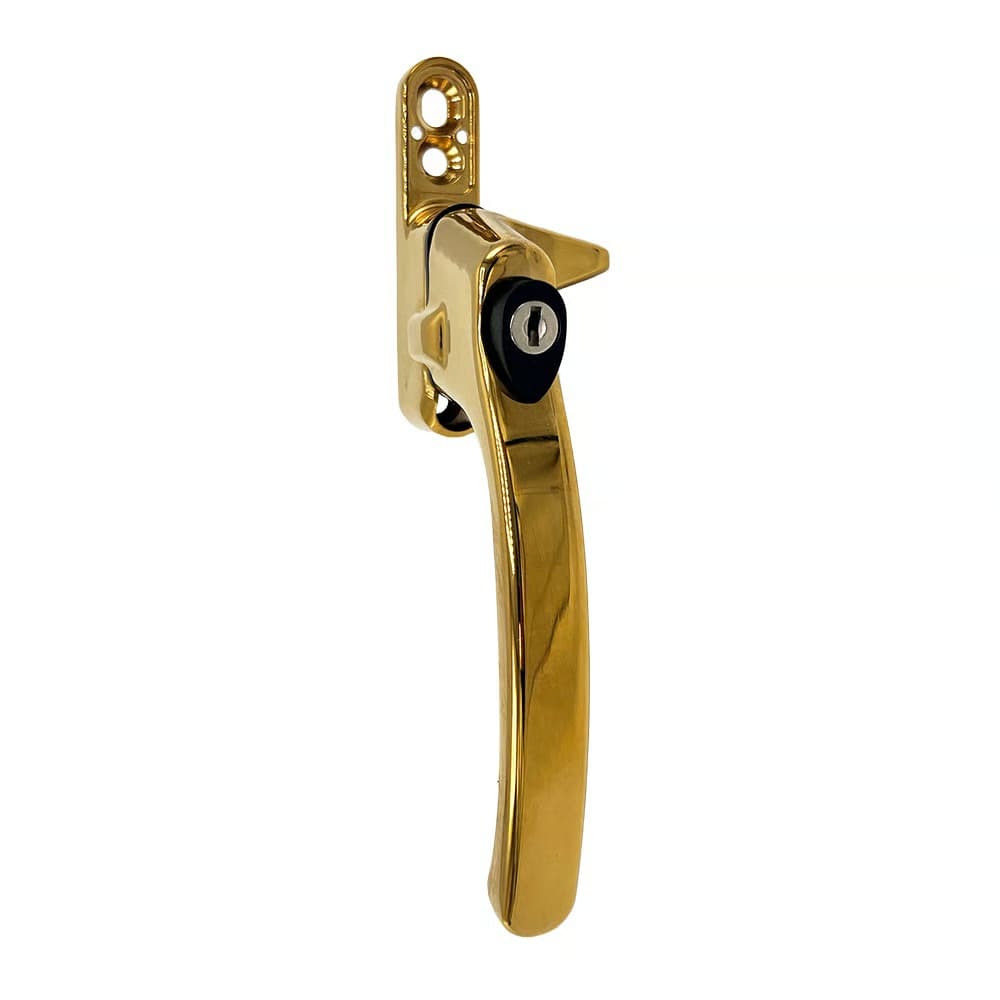
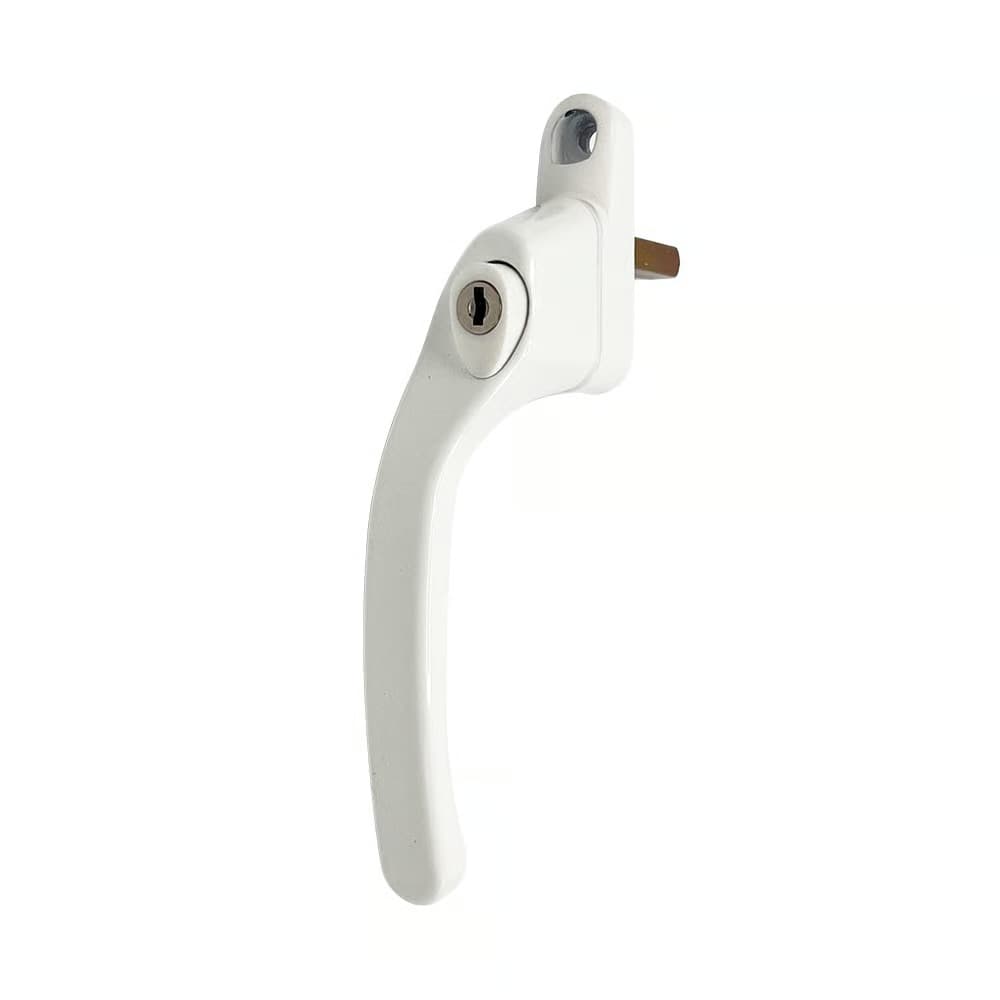
- Cockspur (casement) handles have a hooked or winged fastening that clamps onto the frame.
- Tilt-and-turn or multipoint handles usually use a square spindle and may have a locking mechanism.
Essential measurements for espagnolette (espag) handles
1. Backset: Measure from the centre of the spindle hole to the edge of the handle rose or backplate (towards the glass). Typical backsets are 35 mm or 45 mm. 2. Screw centres: Measure the distance between fixing screw centres (centre to centre). Common spacings are 43 mm or 70 mm. 3. Spindle size: Measure square spindle thickness (normally 7 mm or 8 mm) and length. The spindle must reach through the sash and engage the gearbox; most spindles are 30–45 mm long each side. 4. Handle projection and clearance: Measure how far the handle projects from the frame to ensure clearance from walls, tiles or curtains. 5. Handing and orientation: Note whether the handle is for a left- or right��hand opening; mark the side of the locking cam or the direction the handle turns to open.
Record each measurement in millimetres and photograph the back of the handle and frame fixings for reference.
Essential measurements for cockspur handles
1. Plate length and width: Measure the visible plate that sits against the frame. 2. Screw centres: Measure the distance between the two fixing screws (centre to centre). Many cockspur handles use 43 mm or 70 mm centres. 3. Spur projection: Measure the length of the spur (the hooked part) and the angle at which it engages the frame. Some spurs are reversible; others are fixed. 4. Overall handle length: For aesthetic matching and clearance, measure total handle length from the plate edge to tip.
When measuring screw centres on a corroded or painted handle, remove one screw to access the centre more accurately.
Measurements for tilt-and-turn and multipoint handles
1. Spindle size and position: Measure square spindle thickness and the distance from the handle rose centre to the edge of the sash. 2. Centre case position: Measure from the sash edge to the centre of the handle to confirm the gearbox location. 3. Locking cylinder: If the handle has an integrated lock, measure the distance from the handle centre to the cylinder centre to ensure the new handle aligns with the cylinder.
Replacement multipoint handles require precise spindle length to operate the locking mechanism fully; when in doubt, measure the depth of the handle rose and sash thickness.
Practical measuring techniques
- Use calipers for spindle and screw diameters; tape measures can round off small values and cause mismatch.
- Measure three times: once for reference, once after removing the handle, and once before ordering.
- Photograph the handle in the closed and open positions, including any markings, patents or manufacturer codes.
- Note any wear patterns or damaged screw slots which might indicate hidden corrosion or replaced fixings.
Ordering tips
- Match the backset and screw centres exactly; small differences can prevent fixing or allow movement causing premature wear.
- Confirm whether the replacement handle includes a spindle, grub screw or set screws. Many handles are sold with a standard length spindle that may need trimming.
- Choose locking options (non‑locking, push‑button or keyed) to match existing security needs.
- Match the finish for cohesive appearance — common finishes are white, gold, chrome and bronze.
Fitting and final checks
- Before final tightening, check that the handle operates smoothly through its full travel and that locking engages securely.
- When replacing a handle with a keyed cylinder, test keys for smooth operation; lubricate with a graphite lubricant if stiff.
- Ensure screws are tightened to avoid play but avoid overtightening which can strip threads in uPVC or timber.
- Recheck alignment with a spirit level; misalignment can lead to sash binding and premature hardware failure.
Related Reading
Explore more guides on related topics:
Part of our guide:
Complete Guide to Window Handles