Window Handles with Locks: Do You Need Them?
Homeowners and tradespeople often weigh security, ventilation and usability when specifying window hardware. Window handles with locks provide a simple, co...
Homeowners and tradespeople often weigh security, ventilation and usability when specifying window hardware. Window handles with locks provide a simple, cost-effective way to improve safety and control access without replacing whole frames. This article explains when lockable handles are appropriate, the main types available, practical installation and maintenance advice, and how to choose the right product for typical UK properties.
What are window handles with locks and how do they work
Window handles with locks integrate a locking mechanism into the handle itself, preventing the handle from turning and the window from opening unless a key or push-button is used. They are available for a range of window systems: casement windows with espagnolette gear, tilt-and-turn frames, and traditionally for casement windows using cockspur lever handles. Lockable handles can be keyed or non-keyed (push-button), and some models include anti-snap or anti-drill features for higher security grades.
Key benefits for homeowners and tradespeople
- Improved security: A locked handle adds a secondary barrier against forced entry. This is especially useful on ground-floor windows and accessible upper-floor windows.
- Child safety and ventilation control: Lockable positions allow windows to be left slightly ajar for ventilation while preventing children from opening them fully.
- Cost-effective upgrade: Replacing existing handles with lockable versions is far cheaper and quicker than upgrading locking gear or replacing frames.
- Compliance and insurance: Some insurers and building regulations reference the need for secure window openings. Lockable handles can help meet those requirements for certain property types.
Common types and where each suits best
- Espag-style lockable handles — Typically used on modern uPVC and aluminium casement windows. Locking espag handles secure the handle spindle and often work in conjunction with the espagnolette multipoint mechanism. The TSS Cockspur Window Handles is an example designed for high security and ease of use.
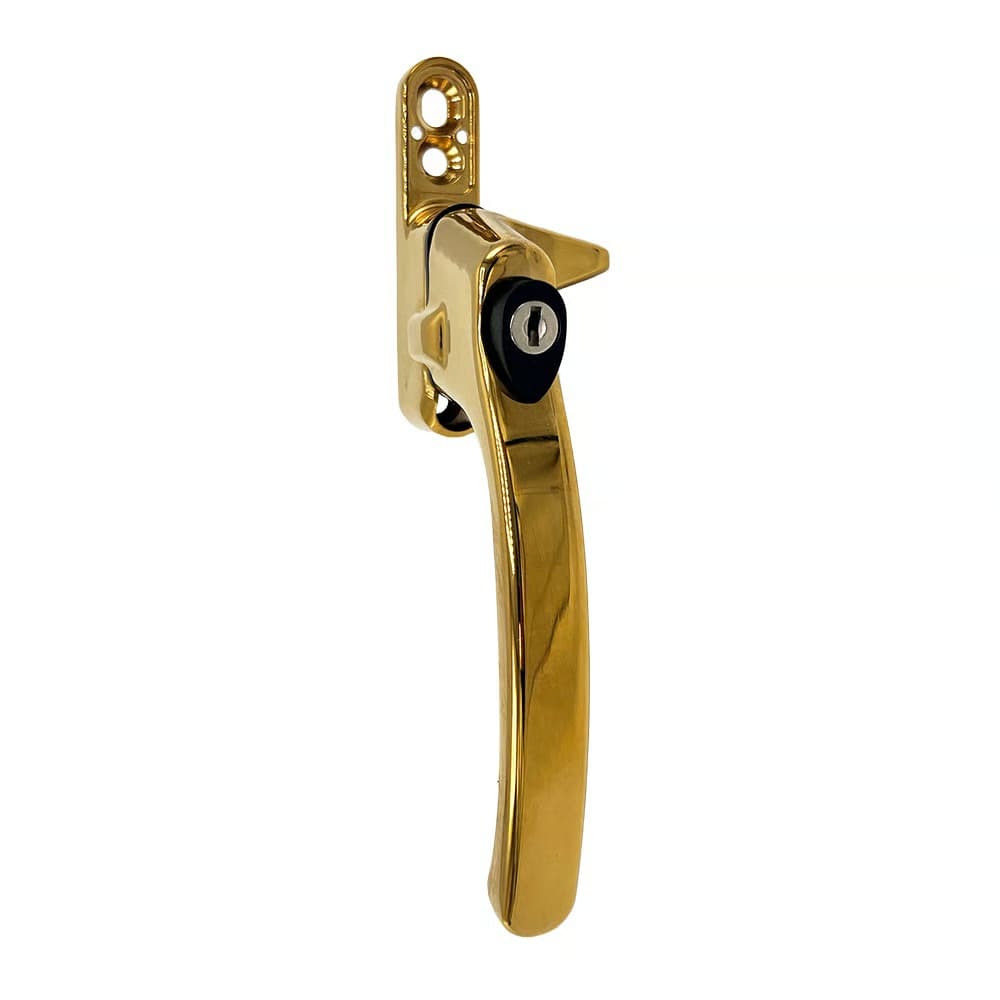
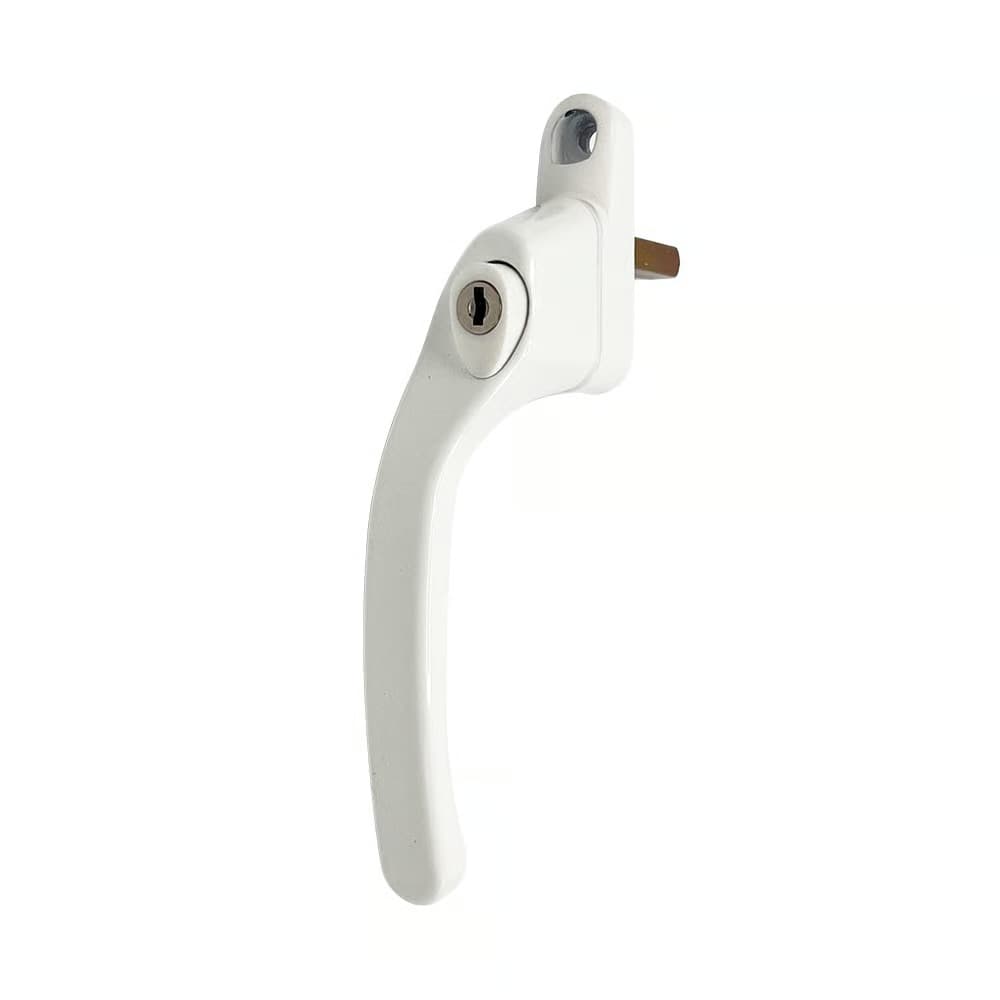
- Cockspur lockable handles — Simple and widely fitted to older or budget casement windows. A lockable cockspur prevents the lever from being forced outwards. The TSS Cockspur Window Handle is suitable when replacing traditional cockspur fittings without altering the existing keep or frame.
- Centre-lock and keyed handles — Common on tilt-and-turn and some casement applications where a key-operated handle provides a higher perceived security level. The TSS Offset UPVC Window Handles is a recognised brand option for properties seeking a balance between durability and secure operation.
Practical selection tips
- Match the handle to the lock type and spindle size: Confirm spindle length and profile before ordering. Incorrect spindle size results in loose or non-functioning handles.
- Check the locking cylinder orientation: For keyed options, confirm whether the cylinder is reversible to suit left- or right-hand windows.
- Consider operation frequency: For rooms where windows are opened often, choose robust mechanisms or push-button variants over fragile keyed locks.
- Compatibility with existing keeps and hardware: Some lockable handles work with current keeps; others require minor frame modification. Tradespeople should inspect the keep and locking gear to avoid unnecessary extra work.
- Security standards: Look for handles that meet relevant standards (e.g. Secured by Design recommendations) where security is a primary concern.
Installation and fitting advice
- Prepare tools and parts: A screwdriver set, replacement screws, pliers and a tape measure are typically needed. Keep the original handle and fasteners until the new handle has been tested.
- Remove the old handle without damaging the frame: Support the handle while releasing the grub screws to avoid stripping.
- Check spindle engagement: The spindle should sit fully in the gearbox or locking mechanism. If the new handle rotates without operating the lock, the spindle length or position needs adjustment.
- Secure fixings correctly: Use stainless screws where possible to prevent corrosion, and ensure the handle sits flush with the frame to prevent water ingress or user discomfort.
- Test multi-point locking: For espagnolette systems, cycle the handle through its full range to confirm locking cams engage correctly with keeps.
- Keyed locks — set behaviour: Fit and turn the key several times, then leave the key in the lock and test operation to ensure smooth function. Remove and label keys for handover.
Maintenance to ensure longevity and function
- Lubricate moving parts annually with a graphite or light machine oil, avoiding heavy grease that attracts dust.
- Tighten fixings periodically; vibration and regular use can loosen screws.
- Inspect locks and cylinders for wear: Replace if the key becomes difficult to turn or the handle sticks.
- For handle finishes (white, chrome, brass), clean with non-abrasive products to avoid surface damage that may compromise corrosion resistance.
Where lockable handles are most appropriate
- Ground-floor and easily accessible windows: Primary candidates for lockable handles to deter opportunistic entry.
- Rooms occupied by young children: Allows limited ventilation positions while preventing accidental falls or full opening.
- Rented properties and shared houses: Lockable handles can provide individual room security with minimal upgrade cost.
- Historic or budget frames: Replacing only the handle can be a sympathetic, low-impact security improvement when full frame replacement is not intended.
Final considerations before specifying
Lockable handles are a practical, affordable upgrade for many properties, but they are not a complete security solution on their own. They work best as part of a layered approach that includes quality locking keeps, reinforced frames where necessary, and good overall door and window security practice. Tradespeople should assess the whole closing system when advising clients; homeowners should prioritise accessible openings and high-use windows for initial investment.
Related Reading
Explore more guides on related topics:
Part of our guide:
Complete Guide to Window Handles