Espag Handle Spindle Lengths: Finding the Right Size
Choosing the correct espag handle spindle length is a small decision that makes a big difference to window performance and security. Whether you are a trade installer fitting a batch of new handles or...
Choosing the correct espag handle spindle length is a small decision that makes a big difference to window performance and security. Whether you are a trade installer fitting a batch of new handles or a DIY enthusiast swapping one damaged part, understanding how to measure, select, and troubleshoot spindle lengths will save time on site and ensure a smooth operation. This guide breaks down the practical steps for identifying the right spindle length for an espag handle and offers trade-focused tips for installation and retrofit situations.
Why spindle length matters for an espag handle
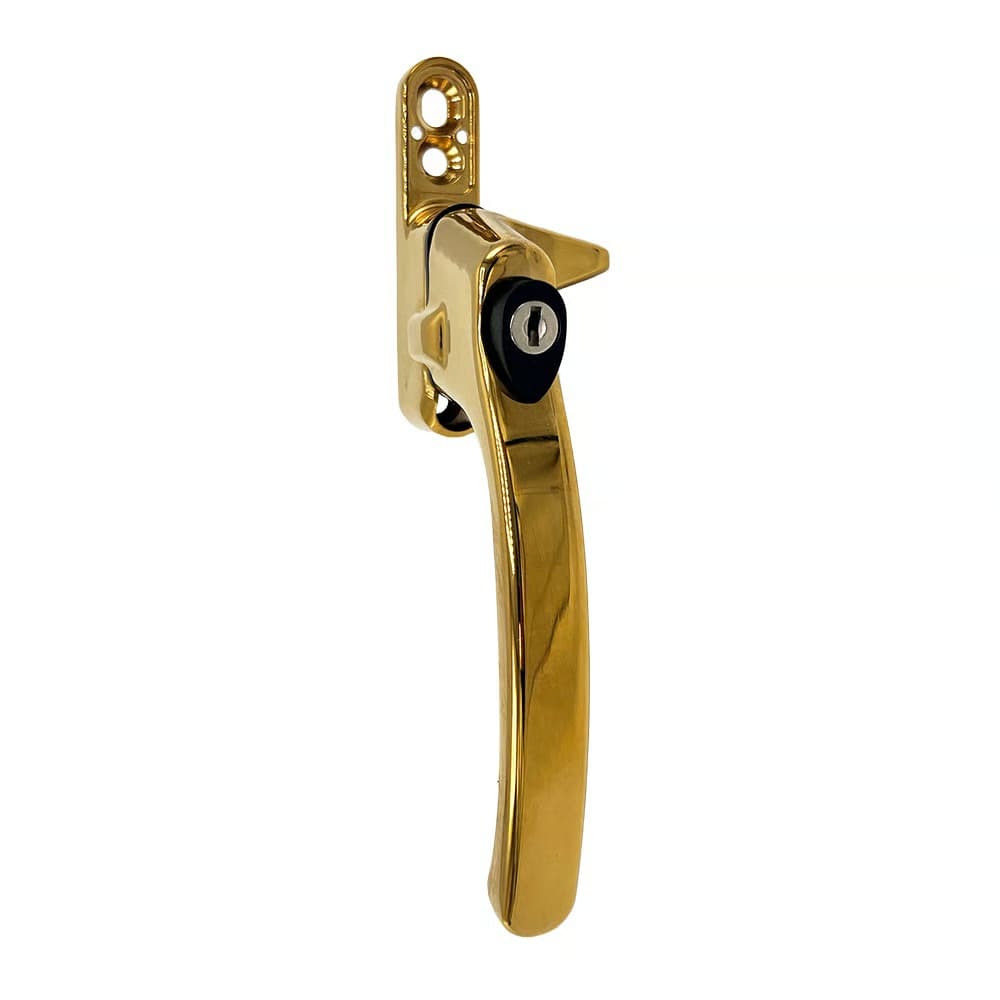
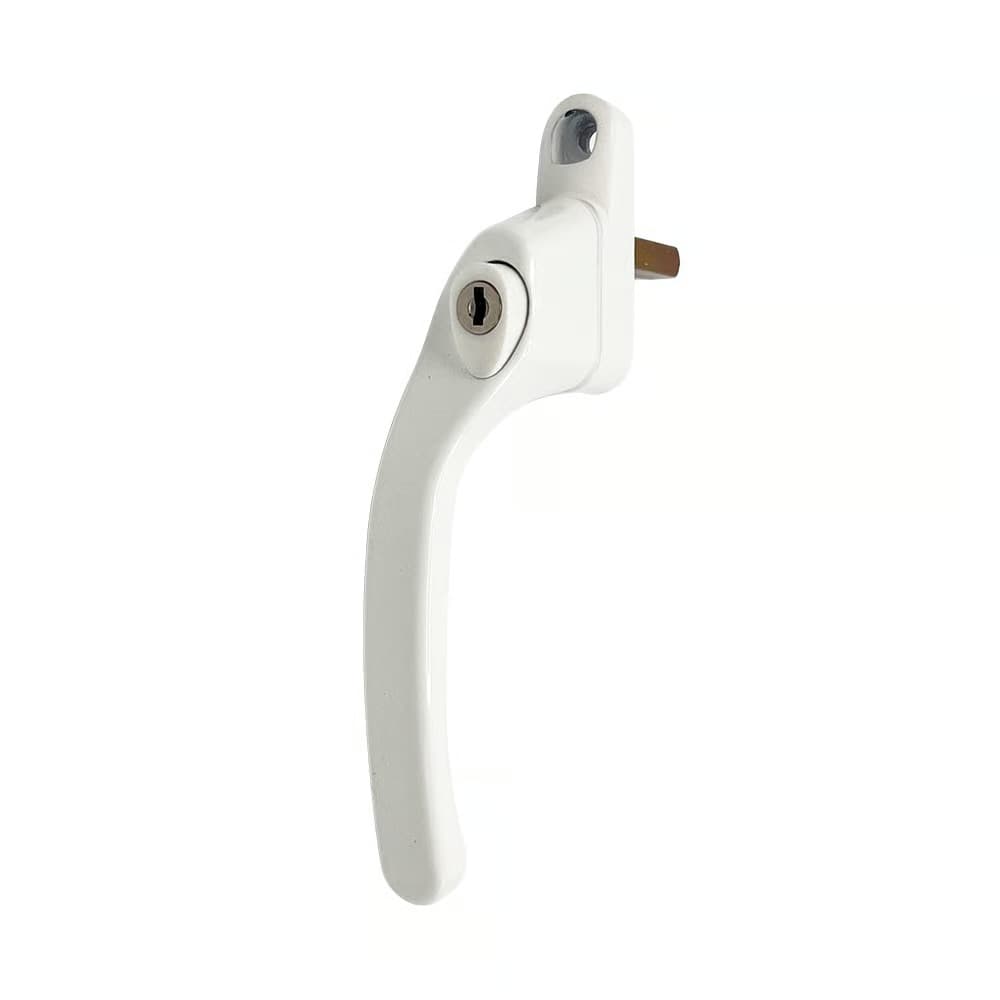
The spindle connects the espag handle to the locking mechanism inside the window. If the spindle is too short, the handle will not fully engage the gearbox; if it is too long, the handle may sit proud of the backplate or put strain on the mechanism. Choosing the correct espag handle spindle length affects:
- Function: Full engagement ensures the handle operates all locking points reliably.
- Security: Correct engagement prevents false locking and reduces wear on the centre gearbox.
- Aesthetics: The right length avoids gaps or protruding spindles that look unprofessional.
- Durability: Proper alignment limits play and reduces premature wear.
How to measure the spindle for an espag handle
Measuring a spindle for an espag handle is straightforward but must be precise. Follow these steps on site:
- Remove the handle: Unscrew the fixing screws and slide the handle from the backplate to expose the spindle.
- Measure from the back plate face to the end: Use a vernier caliper or steel rule to measure the visible spindle length from the inside face of the handle backplate to the end of the spindle. This is the critical dimension.
- Note the spindle shape: Most espag handle spindles are square, but some are half-diameter or ribbed. Record the size and type.
- Check opposite face: For through-bolted or rebated frames, measure both sides as you might need a longer spindle to pass through the frame and inner lining.
Common trade sizes include 35mm, 40mm, 45mm, 50mm and 55mm. However, always measure the actual window rather than guess. Some heritage or secondary glazing installations use non-standard lengths.
Choosing the right spindle length: trade tips
When selecting an espag handle spindle length, consider the following practical tips that tradespeople use on site:
- Always measure with the handle removed; casing or paint can hide the true distance.
- Prefer a slightly longer spindle where tolerance is uncertain; a longer spindle can often be shortened, but a too-short spindle is useless.
- For timber windows with thick furniture or mullions, account for the backplate thickness and any gasket compression.
- Keep a small stock of common spindle lengths in your van: 35mm, 40mm, 45mm, 50mm and 55mm will cover most jobs.
- Record any irregular sizes in job notes; some customers will want like-for-like replacements in future.
Dealing with different window types and retrofits
Different window systems present unique challenges. Here are actionable pointers for common scenarios where the espag handle spindle length matters:
- uPVC windows: Most uPVC espag handles use standard square spindles. Check if the handle is through-fitted; if so you may need a longer spindle that passes through the sash and outer profile.
- Timber and aluminium: These may have thicker backplates or longer fixings; measure the full depth including backplate and gasket compression to choose the correct espag handle spindle.
- Heritage windows: Non-standard frames often need bespoke spindle lengths; consider ordering a cut-to-length spindle or a handle with extended spindle options.
- Multipoint gearboxes: Ensure the spindle fully engages the centre gearbox. Partial engagement can prevent the locking points from operating correctly.
Installation and troubleshooting common problems
Tradespeople and DIYers commonly encounter a few recurring problems when installing an espag handle. Here is how to avoid and fix them:
- Handle not engaging the gearbox: Check the spindle is long enough to reach the gearbox; remove the handle and measure again. Swap to the next standard size if uncertain.
- Handle wobbles or has excessive play: Ensure the spindle fits squarely in the gearbox. Wobble can indicate a worn gearbox, incorrect spindle profile, or stripped spindle end.
- Handle sits proud of backplate: Use a shorter spindle or reduce backplate thickness; if the handle still protrudes, check for missing washers or spacers.
- Key or locking mechanism hard to turn: This may indicate the spindle is too long and binding inside the gearbox; shorten the spindle if possible or replace with the correct length.
Practical checklist before leaving site
Make sure the job is signed off correctly with this quick checklist for any espag handle replacement or installation:
- Handle operates full travel and returns smoothly.
- Locking points engage simultaneously when using the handle.
- No binding, wobble or excessive gap at the backplate.
- Spindle length recorded for future maintenance or replacements.
- Customer shown how to operate and any locking features explained.
Choosing the right espag handle spindle length is a small but vital detail that separates a professional installation from a provisional fix. Accurate measurement, carrying common sizes, and understanding the window system will ensure reliable, secure fittings and happier customers.
For more detailed guides and product options, visit our window handles guide on the trade centre page where you can explore handle types, backplates, and keyed options suitable for both retrofit and new installations.
Recommended Products
Based on this article, you may find these products helpful:
Part of our guide:
Complete Guide to Window Handles