How to Replace an Inline Window Handle: DIY Steps
Replacing an inline window handle is a common task for tradespeople and confident DIY enthusiasts. An inline window handle secures and operates the window sash while remaining flush with the frame; ov...
Replacing an inline window handle is a common task for tradespeople and confident DIY enthusiasts. An inline window handle secures and operates the window sash while remaining flush with the frame; over time it can wear, seize, or suffer cosmetic damage. This guide explains how to choose the right replacement, remove the old handle, and fit a new inline window handle properly. The instructions are trade-focused but written so a keen homeowner can follow them with basic tools.
What is an inline window handle and how to choose one
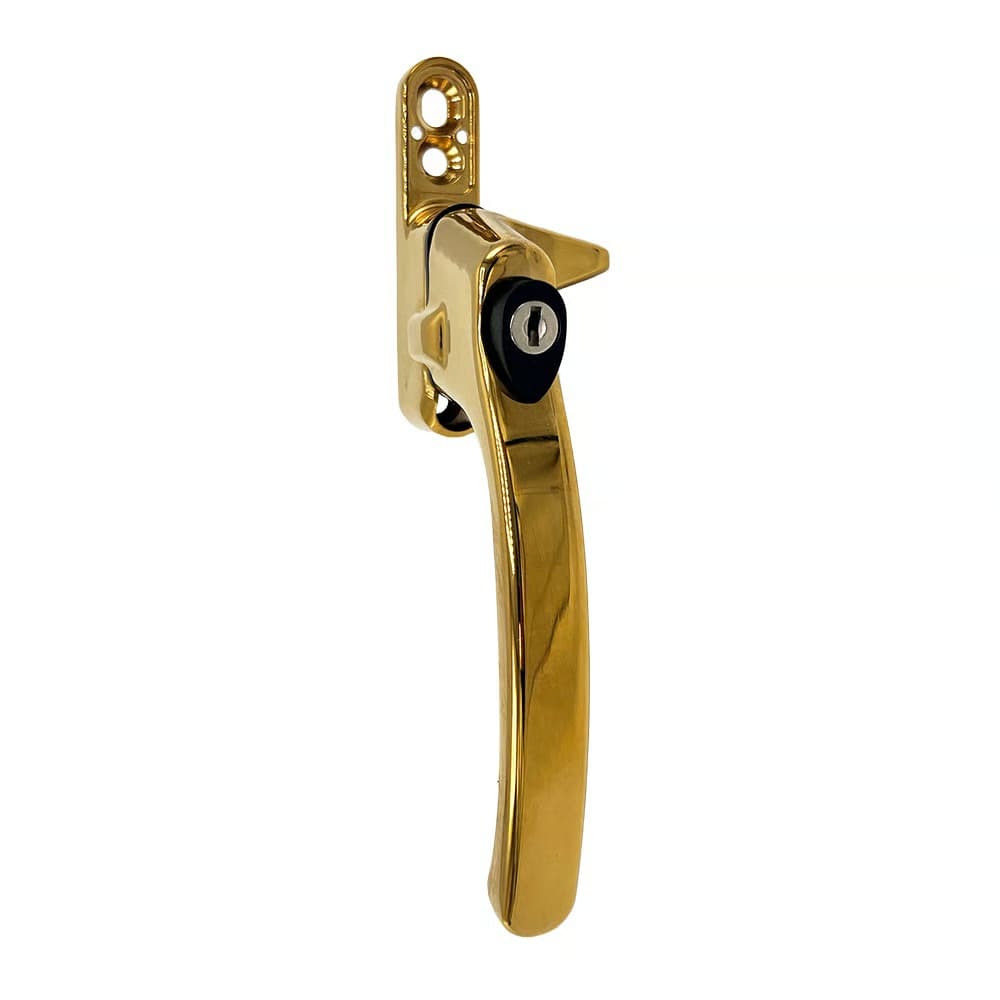
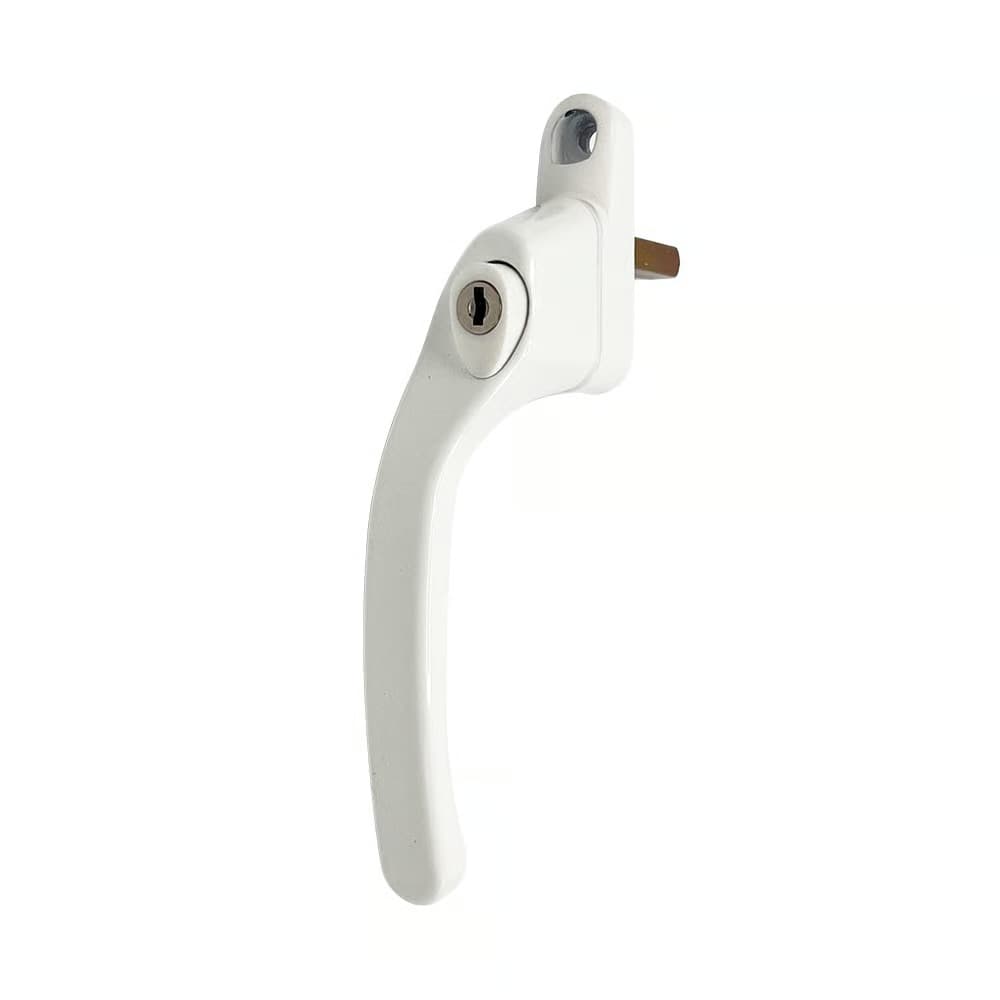
An inline window handle is a handle that sits within the plane of the window frame rather than projecting significantly from the surface. They are commonly used on aluminium and uPVC sliding and tilt-and-turn windows, and are appreciated for their low profile and neat appearance.
When selecting an inline window handle consider the following:
- Backset and screw centres: measure the distance between fixing screws and the spindle or mechanism; common centres are 32mm, 38mm and 43mm.
- Spindle type and length: confirm whether the handle uses a square spindle, D-spindle or gearbox spindle, and check length to suit frame thickness.
- Profile and finish: choose a finish to match the frame – white, black, anodised aluminium or stainless look are typical.
- Locking options: decide if you need a key-locking inline window handle for added security or a non-locking version for internal rooms.
- Compliance and quality: ensure the handle meets relevant BS standards and is robust enough for repeated use in trade installations.
Tools and materials you will need
Be prepared before starting: having the right tools reduces the risk of damage to the frame and saves time. Typical items include:
- Screwdrivers: crosshead and flat head of appropriate size
- Hex keys or Allen keys if the handle uses grub screws
- Measuring tape and marker pen
- Replacement inline window handle and any new screws supplied
- Lubricant such as a silicone spray or light grease
- Soft cloth and mild cleaner
- Small spirit level or straight edge if alignment is critical
Step-by-step: How to remove an old inline window handle
Follow these steps to remove the existing inline window handle safely and inspect the mechanism:
- Open the window to give full access to the handle; for sash windows you may need to lift or tilt the sash to a comfortable working position.
- Locate and remove any visible screws holding the handle in place. If there are concealed grub screws, push the handle into the unlocked position to reveal them and loosen with the correct hex key.
- Carefully withdraw the handle from the spindle. If the handle is stiff, apply a small amount of penetrating lubricant and wiggle gently; avoid excessive force that could damage the frame.
- Inspect the spindle and internal mechanism for wear, bending or debris. Note the spindle type and length for selecting the replacement inline window handle.
- Clean the area with a soft cloth and mild cleaner; remove old grease and dirt so the new handle will seat correctly.
Fitting a new inline window handle: practical tips
Installing a replacement inline window handle is straightforward when you follow these trade-focused tips:
- Double-check measurements: confirm screw centre distances and the spindle type match the replacement inline window handle.
- Test-fit the spindle: slide the handle onto the spindle and ensure engagement; the handle should sit flush in the window rebate without rocking.
- Apply lubricant sparingly to the spindle and moving parts. Use a silicone spray or light grease suitable for window hardware so the mechanism operates smoothly for years.
- Secure the handle with the supplied screws, first hand-tightening then a final snug turn. Do not overtighten; overtightening can distort plastic components or strip threads.
- If the handle is key-lockable, check that the lock barrel aligns with the striker and that the key turns freely in both locked and unlocked positions.
- Operate the window several times to confirm smooth action and correct locking engagement; make any minor alignment adjustments to screw positions if necessary.
Common issues and troubleshooting
Here are typical problems you may encounter when replacing an inline window handle and how to solve them:
- Handle does not sit flush: re-check screw centres and spindle length; use packing washers if the handle needs slight spacing to align.
- Stiff operation after fitting: ensure moving parts are lubricated and screws are not overtightened; check for debris inside the mechanism.
- Lock cylinder misaligned: loosen screws slightly, reposition handle, then re-tighten; if persistent, check striker alignment on the frame.
- Handle wobbles: confirm both fixing screws are engaging solid timber or metal; replace stripped screws or use slightly longer screws into the frame reinforcement where appropriate.
- Wrong spindle type: if the replacement inline window handle does not engage the mechanism, stop and measure the spindle – replacing with the correct spindle style is quicker than forcing an incorrect fit.
Maintenance and best practice tips
To prolong the life of an inline window handle and reduce repeat callouts, follow these simple maintenance steps:
- Clean and lubricate moving parts annually; use a silicone-based lubricant compatible with plastics and metals.
- Inspect fixings during routine window checks; tighten any loose screws and replace corroded fasteners.
- For rented properties or high-traffic areas use heavy-duty or lockable inline window handles to improve durability and security.
- Document measurements and part numbers when replacing handles so future maintenance or replacement is straightforward.
Replacing an inline window handle is a manageable job for tradespeople and competent DIYers. With correct measurement, the right replacement part and careful fitting you can restore smooth operation and security quickly. If you are unsure about the spindle type or if internal hardware appears damaged, consult a specialist; replacing the gearbox or reinforcement may be necessary for a fully reliable repair.
Recommended Products
Based on this article, you may find these products helpful:
Part of our guide:
Complete Guide to Window Handles