How to Measure a Window Handle for Replacement
Replacing a window handle is one of the simplest, most cost-effective repairs for both tradespeople and DIY enthusiasts. Yet getting the measurements right is crucial to ensure the replacement window ...
Replacing a window handle is one of the simplest, most cost-effective repairs for both tradespeople and DIY enthusiasts. Yet getting the measurements right is crucial to ensure the replacement window handle fits the spindle, lines up with screw holes and operates the lock correctly. This guide explains how to measure a window handle for replacement accurately, what to look for when choosing a new handle, and common pitfalls to avoid.
Why accurate measurement matters
A correctly measured window handle prevents wasted trips and returns, reduces time on site, and ensures the window performs as intended. Mismatched handles can cause poor engagement with the locking mechanism, cosmetic misalignment and in some cases compromise security. For tradespeople supplying a client, taking precise measurements shows professionalism; for DIYers, it avoids frustration.
Tools and preparation
Before measuring, gather the right tools and prepare the window:
- Tape measure with millimetre marks
- Vernier calipers for spindle thickness or screw diameter
- Notepad or mobile device to record measurements
- Screwdriver to remove the existing handle if necessary
- Masking tape and pencil to mark alignment
Work with the window closed and the handle in the neutral or closed position. If the handle is seized, lubricate or carefully remove it with the right tools so you can measure accurately.
Key measurements to take
Measure these dimensions for a correct replacement. Record each measurement in millimetres and note the handle type if known.
- Backset: Distance from the face of the window profile to the centre of the spindle or handle fixing. This ensures the handle sits flush on the profile face.
- Spindle length: Measure the protruding spindle from the face of the handle base to the tip; for replacement handles check the required square spindle length that engages through the window gearbox. If measuring a removed spindle, measure the full exposed length and the square cross‑section dimension, typically 7mm or 8mm in the UK.
- Spindle size: Measure the width of the square spindle using vernier calipers; common sizes are 7mm and 8mm. Also note any non‑square or splined spindles used on certain manufacturers.
- Fixing hole centres: Measure the distance between mounting screws, centre to centre, and the diameter of each screw hole. Typical distances include 43mm and 70mm; some back‑to‑back or inline roses vary.
- Handle projection and orientation: Measure how far the handle projects from the face when in the neutral position and check whether the handle is left‑hand or right‑hand. Note if a locking cylinder integrates with the handle.
Identifying handle types and special features
Knowing the handle style reduces errors when ordering. Common styles include:
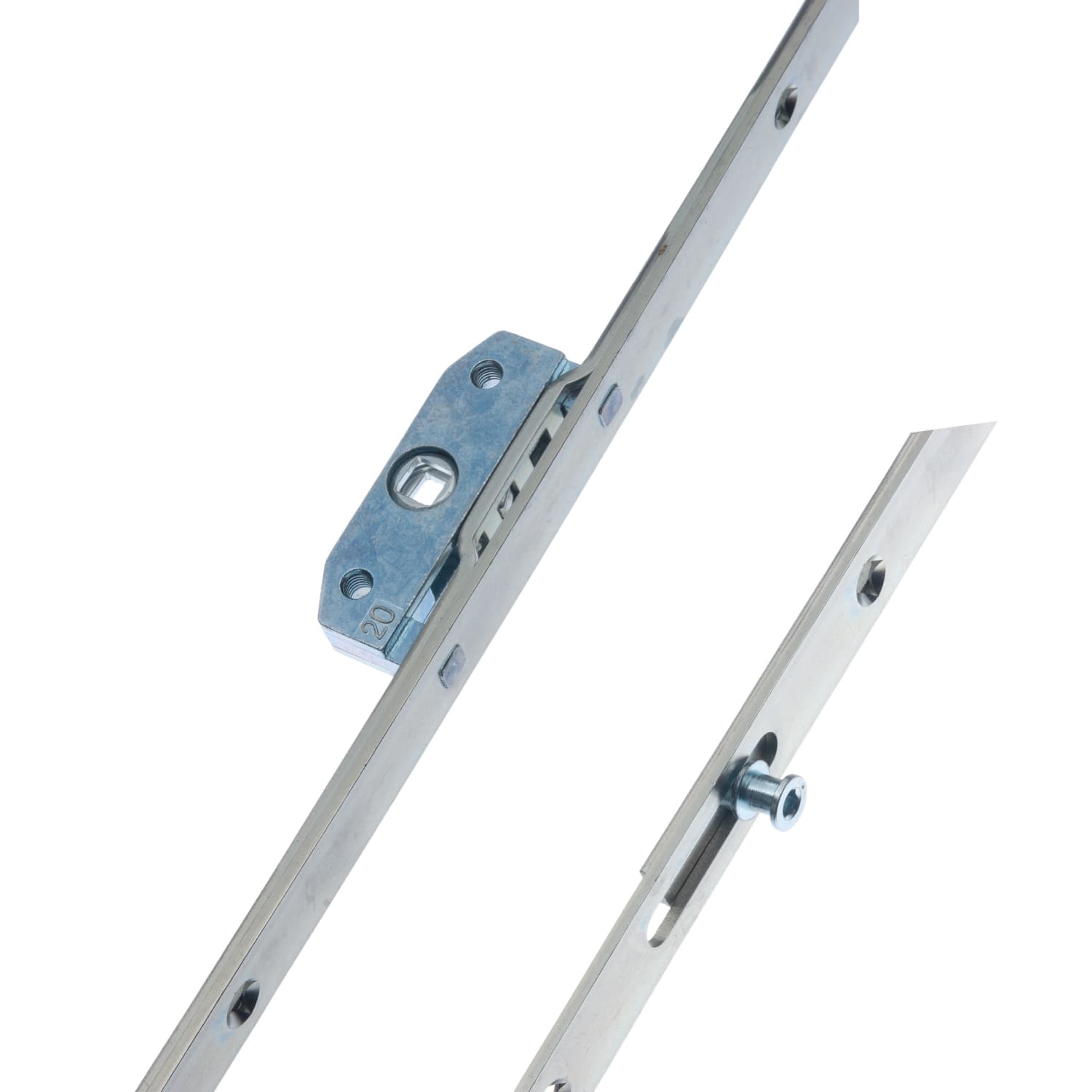
- Espag handles: Use a square spindle into an espagnolette gearbox; usually require a specific spindle length and locking options.
- Cranked handles: Offset spindles for rebated frames; measure the crank offset and length.
- Inline handles: Sit flat to the profile and often use standard spindle lengths.
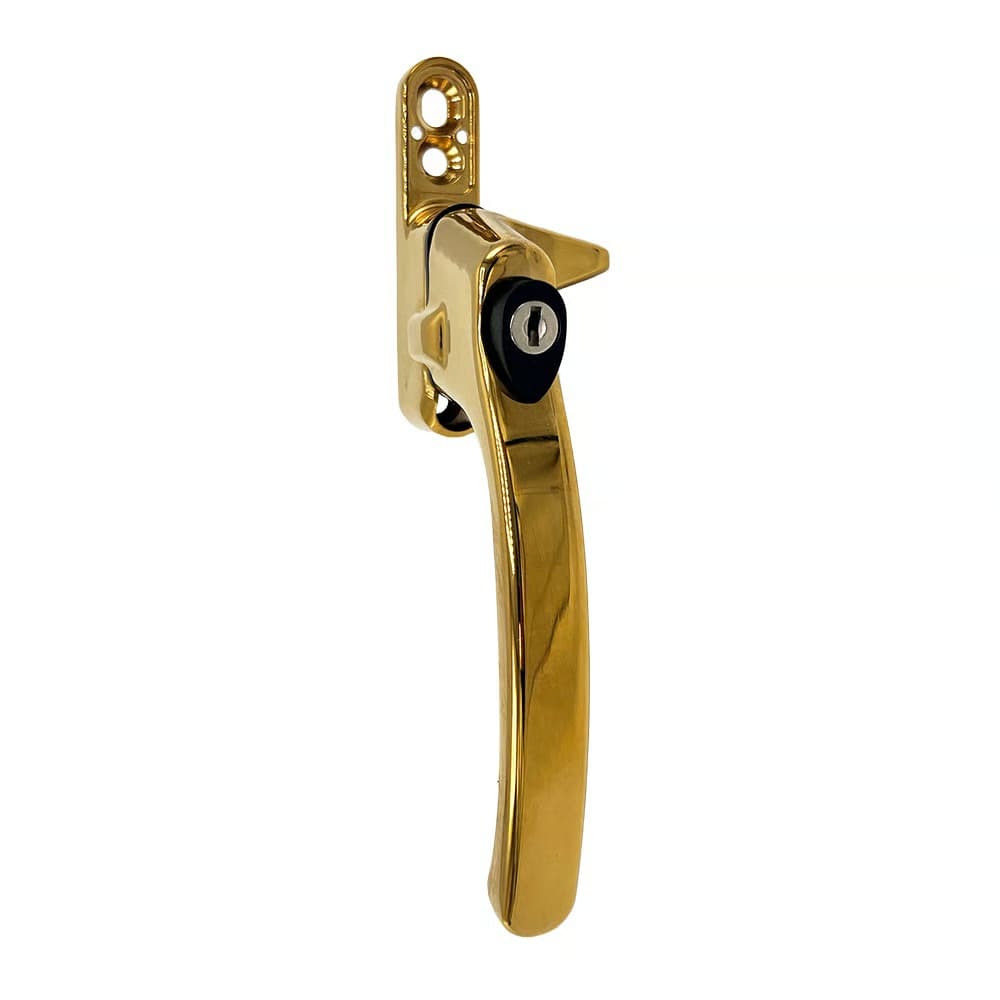
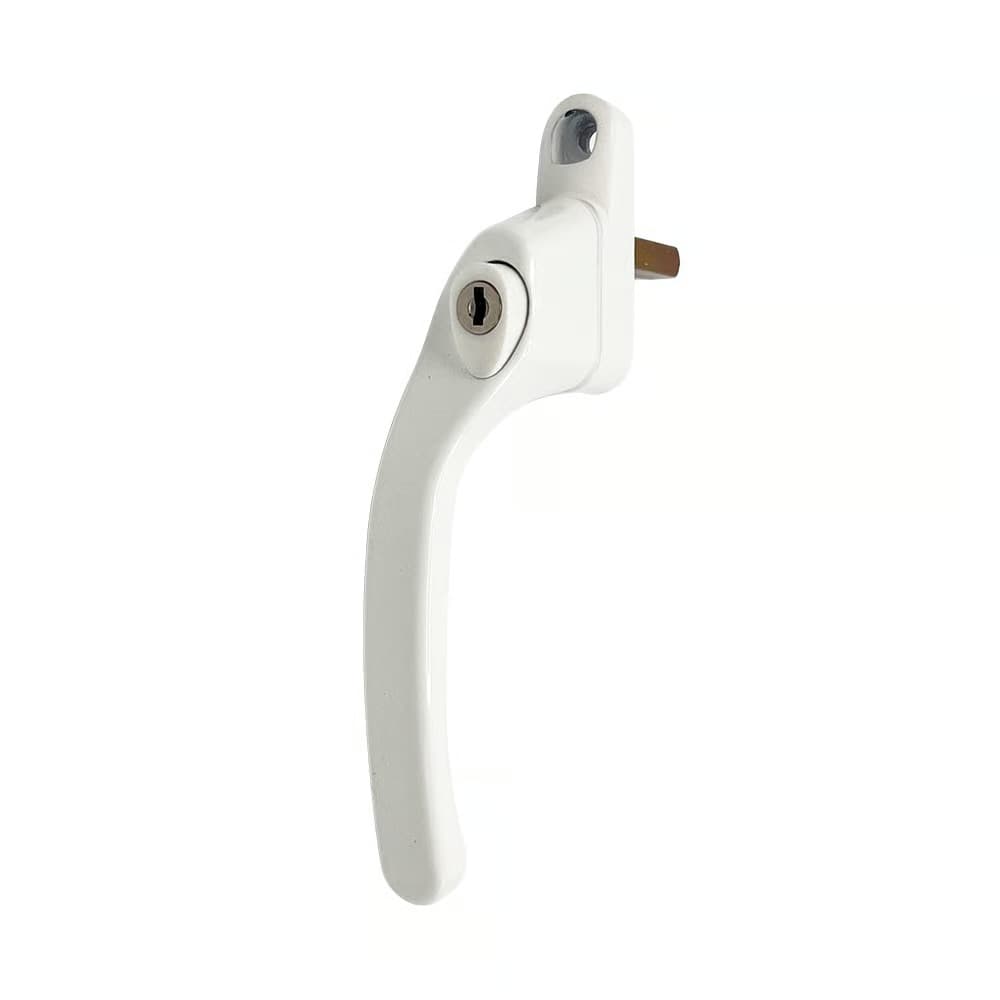
- Child‑safety and key‑locking handles: Include cylinders or push buttons; measure the cylinder centre to spindle centre if present.
Also check for manufacturer‑specific features: splined spindles, threaded spindles with grub screws, and handed roses. Photograph the handle and gearbox before removal to assist identification.
Measuring step‑by‑step
Follow these practical steps on site or at a workshop:
- Set the handle to the neutral closed position; if it is stuck, carefully free it with a lubricant or remove the fixings.
- Using a tape measure, record the backset from the face of the profile to the spindle centre.
- Remove the handle spindle or take a clear measurement of the exposed spindle; use calipers to measure the spindle square size precisely.
- Measure the distance between the screw centres on the handle rose; if screws are concealed, gently prise off the cover to expose the holes.
- Note projection, overall length and whether the handle is reversible or handed. Photograph the entire assembly, including any markings or manufacturer logos.
- Cross‑check measurements against the window gearbox: the spindle should engage fully without bottoming out or leaving excessive play.
Common mistakes and how to avoid them
- Relying on visual comparison alone: two handles can look similar yet have different spindle sizes or backsets; measure instead of guessing.
- Ignoring handedness: some handles are reversible but others have a fixed orientation; verify before ordering.
- Forgetting locking cylinders: if the handle incorporates a cylinder, measure the cylinder centre and overall length to ensure lock compatibility.
- Not recording units: always record millimetres to avoid conversion errors; tradespeople typically expect metric measurements in the UK.
When ordering a replacement, supply photos and the exact measurements you have taken. If unsure, offer both the measurements and the window manufacturer name; many suppliers can match handles from visual cues combined with dimensions.
Installation tips
Once you have the correct replacement window handle, follow these tips for a durable installation:
- Use the original fixing holes where possible to avoid weakening the profile; if new holes are required, drill carefully and use rust‑proof screws.
- Ensure the spindle engages the gearbox fully; a spacer or longer spindle may be required for rebated frames.
- Tighten screws alternately and do not over‑torque; this can distort the rose and affect operation.
- Test the handle through the full travel to confirm smooth operation and correct locking engagement.
Accurate measuring, clear documentation and attention to the gearbox interface make replacing a window handle straightforward. Tradespeople will find that a methodical approach saves time on site, while DIYers will appreciate the reduced risk of purchasing the wrong part.
If you need further help identifying a specific window handle or want guidance on compatible replacements, prepare your measurements and images; our trade team can assist with matching and fitment advice.
Recommended Products
Based on this article, you may find these products helpful:
Part of our guide:
Complete Guide to Window Handles