Tilt and Turn Handle Not Working? Troubleshooting Guide
Title: Tilt and Turn Handle Not Working? Troubleshooting Guide If a tilt and turn handle is stiff, loose, or not operating correctly it will affect the whole window’s performance and security. This g...
Title: Tilt and Turn Handle Not Working? Troubleshooting Guide
If a tilt and turn handle is stiff, loose, or not operating correctly it will affect the whole window’s performance and security. This guide helps tradespeople and competent DIYers diagnose and fix common tilt and turn handle faults. We cover mechanical checks, multipoint gear issues, sash and frame problems, and when replacement makes sense. Practical steps, tools and safety notes are included to get your window back to reliable operation.
How a tilt and turn handle works: quick overview
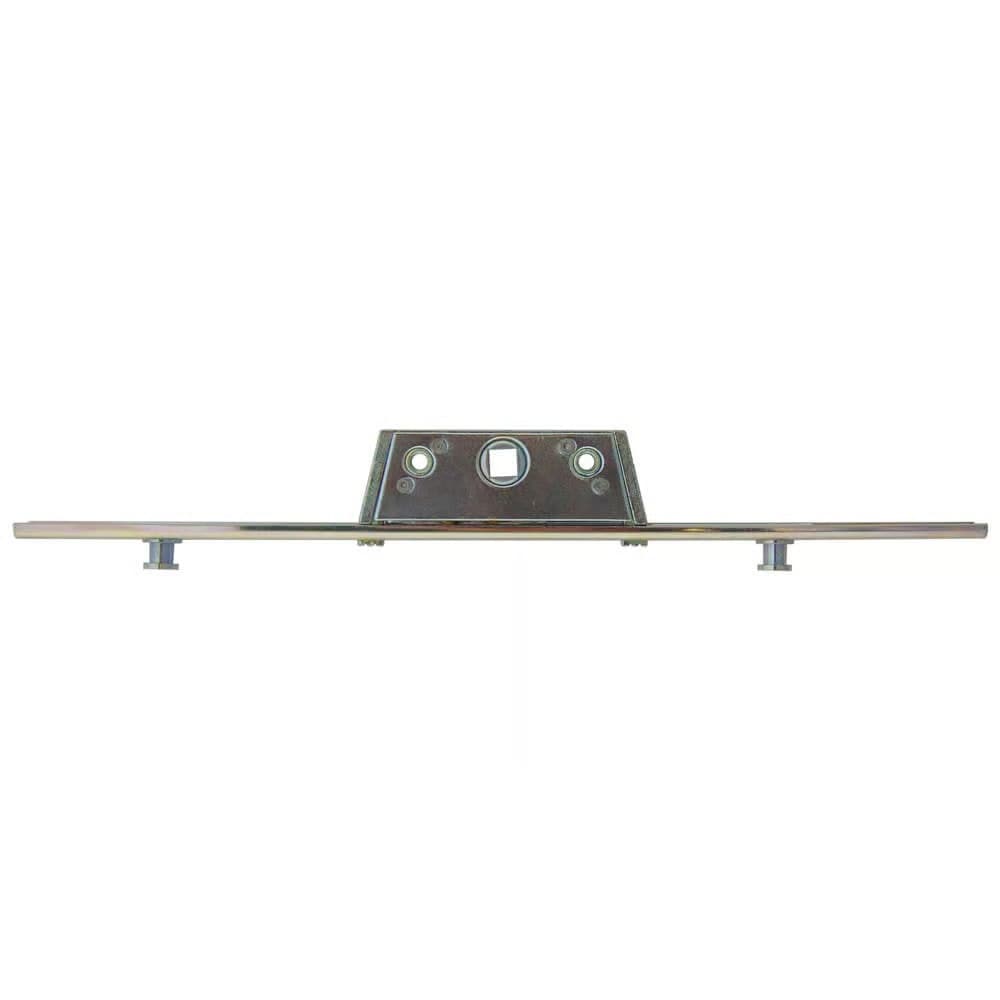
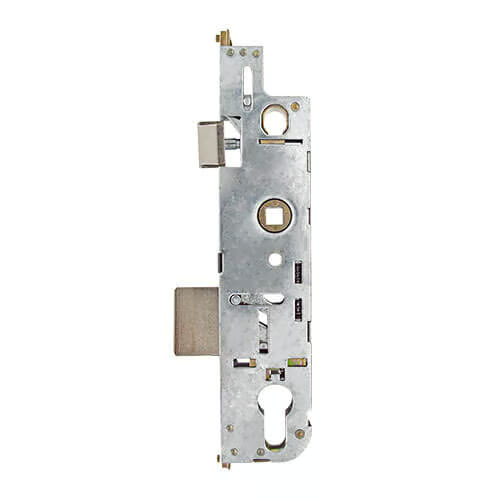
Understanding the mechanism makes troubleshooting faster. A typical tilt and turn handle connects to a spindle that drives a gearbox in the multipoint lock. Turning the handle moves hooks, rollers or bolts on the lock keepers around the frame; lifting or turning the handle to the tilt position operates the top or bottom stays. Problems usually stem from the handle spindle, gearbox, lock striker keepers, or from incorrect adjustment of the window sash.
Initial checks: what to inspect first
Before stripping components, perform these simple checks to narrow down the fault:
- Visual inspection: look for wear, corrosion, missing fixings, or visible damage to the handle and escutcheon.
- Operate gently: note whether resistance occurs in one direction only - turning, lifting or lowering.
- Check handle fixing: loose screws or a snapped internal grub screw can make the handle feel stripped.
- Confirm function mode: ensure the handle is in the closed position before trying to operate tilt or turn features.
- Test other windows: if multiple windows show the same fault, it may indicate site-wide settling or sash alignment problems rather than a single handle issue.
Common faults and how to fix them
Here are typical problems with a tilt and turn handle and step-by-step remedies:
-
Loose or spinning handle:
- Remove the handle cover and check the grub screw or retaining screw on the handle boss; tighten to the manufacturer torque.
- If the handle still spins, remove it and inspect the spindle for wear or rounded edges; replace the spindle or handle as required.
- Check the gearbox engagement: a worn square spindle will not engage correctly with the locking mechanism.
-
Handle stiff or hard to move:
- Lubricate the gearbox and moving keeps with a dry PTFE spray or light machine oil; avoid heavy greases that attract dust.
- Check for binding caused by sash misalignment; adjust hinge packs or frame keeps to relieve tension.
- Inspect the multipoint keeps for damage or deformation that can jam the mechanism when locking.
-
Handle lifts but window will not tilt:
- Check the tilt latch or restrictor mechanism on the head of the window; these parts can seize or snap.
- Confirm the handle position; some windows require the handle to be pushed slightly before the tilt engages.
- Replace broken clips or latches; test the tilt function after each repair.
-
Handle will not turn to fully lock or unlock:
- Inspect the multipoint locking rods and keeps for wear or incorrect engagement.
- Adjust striker keeps so the hooks and rollers seat smoothly without forcing the handle.
- Check for obstructions in the frame rebate such as paint build-up or debris that prevents movement.
Tools, parts and materials you will need
Having the right kit makes repairs efficient. Typical tools and parts include:
- Screwdrivers: Pozidriv and flat blades; torque screwdriver for handle grub screws.
- Allen keys for handle set screws.
- Replacement spindles and handles compatible with the window system.
- Lubricant: PTFE spray or light oil; cleaning solvent for old grease removal.
- Replacement keeps, striker plates, tilt latches and gearbox components.
- Feeler gauges or a simple feeler block for keep adjustment.
- Protective gloves and eye protection when working at height.
When to replace the tilt and turn handle or lock
Decide to replace when repairs are temporary or parts are obsolete:
- Excessive wear: if the spindle or handle boss is badly rounded, replacement is more reliable than repair.
- Corrosion: severe corrosion of the gearbox or lock case indicates replacement for security reasons.
- Compatibility: older aluminium or timber systems may use non-standard spindles; replacing with a modern handle and adaptor can restore function.
- Cost vs longevity: compare the cost of replacement parts and labour against fitting a new handle and keeps. For trade jobs, offering clients a like-for-like replacement often avoids call-backs.
Adjustment tips for a long-lasting repair
After repair or replacement, follow these checks to ensure durable performance:
- Set striker keeps so that the handle operates with smooth, even resistance across the rotation range.
- Lubricate moving parts annually; include the gearbox, hinges and keep faces in a planned maintenance schedule.
- Check fixings: torque handle screws to manufacturer recommendations and use thread locker where specified.
- Record the window system make and part numbers to accelerate future maintenance and replacements.
Safety and customer communication
Always isolate the work area and use correct ladders or platforms when working at height. If changing locks or handles on occupied premises, explain the steps and any limited downtime to the client. Where a handle fault implicates security, carry out repairs as a priority; advise replacing compromised locks and keep the customer informed about options and costs.
Conclusion: A faulty tilt and turn handle is often a straightforward repair if you understand the mechanism and inspect the spindle, gearbox and striker keeps. Start with simple checks, use the correct tools and parts, and replace components when wear or corrosion compromises function and security. For tradespeople, quick diagnosis and a clear parts list save time on site; for DIYers, follow the steps above and consult the window manufacturer if parts are non-standard.
Recommended Products
Based on this article, you may find these products helpful:
Part of our guide:
Complete Guide to Window Handles