Tilt and Turn Handle Problems: Common Issues and Fixes
Tilt and turn handle problems are a common reason for call-outs in the glazing trade and for DIYers trying to keep windows secure and functioning. This guide explains the typical faults you will encou...
Tilt and turn handle problems are a common reason for call-outs in the glazing trade and for DIYers trying to keep windows secure and functioning. This guide explains the typical faults you will encounter with a tilt and turn handle, how to diagnose causes, and practical fixes you can carry out on-site or at home. It is written for tradespeople but accessible to competent homeowners who want to understand, maintain, or swap out a tilt and turn handle safely and efficiently.
How a tilt and turn handle works: basics every fitter should know
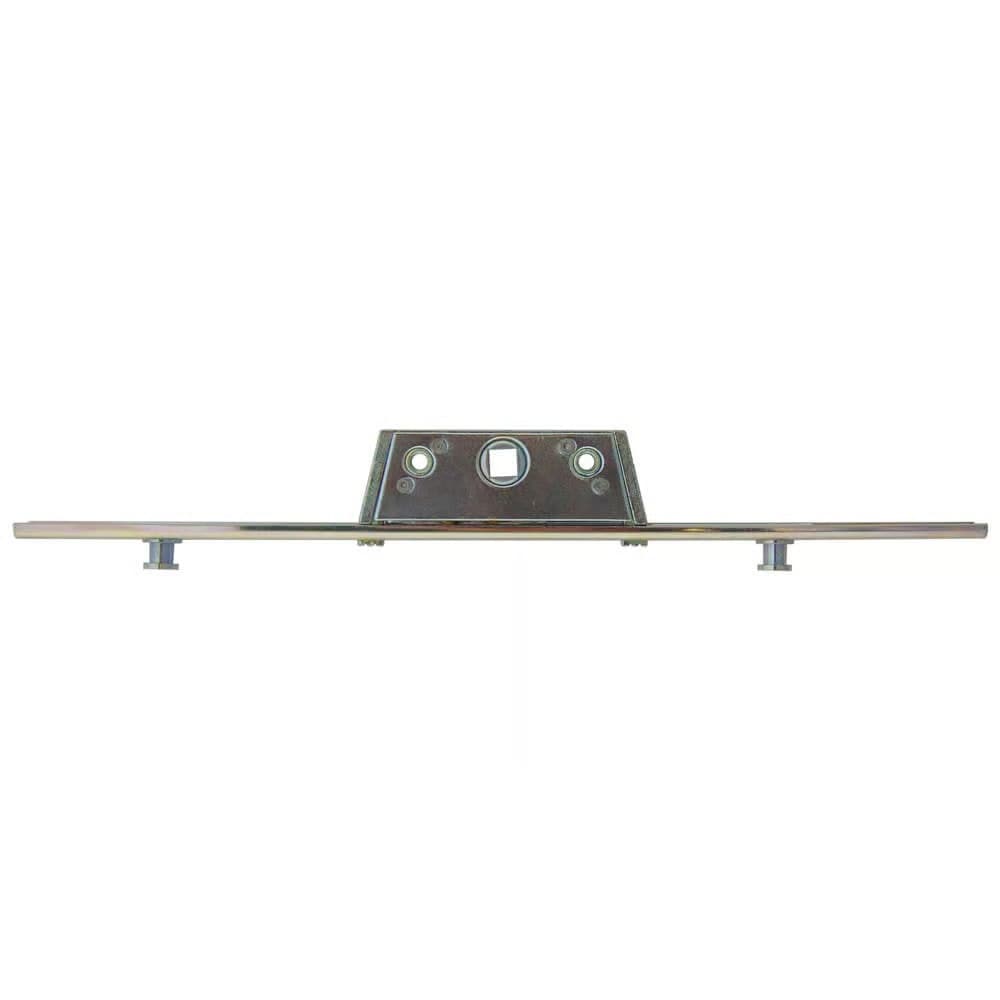
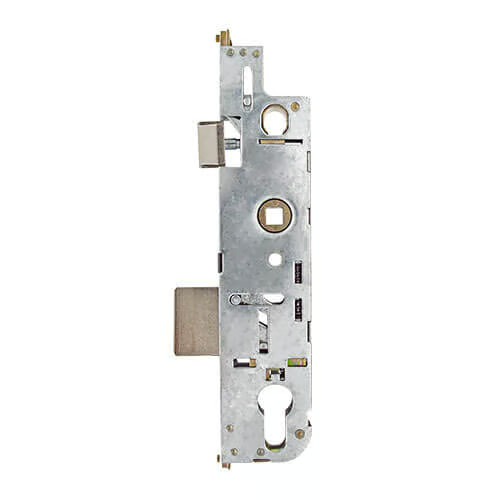
Before diagnosing problems, it helps to recap how a tilt and turn handle operates. The handle operates a multi-point locking mechanism via a spindle and gearbox inside the handle rose. Depending on handle position, the window will either tilt in for ventilation or turn inwards for cleaning or emergency escape. Familiarity with the mechanism makes it easier to identify where the fault lies - handle, spindle, gearbox, keeps, or the window sash itself.
Common symptoms and quick diagnoses
Below are the most frequent symptoms you will see on site and quick checks to pinpoint the likely cause.
- Handle stiff or hard to turn: likely bind in the gearbox, seized spindle, or misaligned keeps.
- Handle spins freely or has no resistance: probable broken spindle or disconnected gearbox; handle not engaging locking cams.
- Handle won’t return to central neutral: spring mechanism in the handle or gearbox failing.
- Window won’t tilt or turn despite handle movement: striker plates or keeps misaligned, locking cams worn, or linkage broken.
- Handle loose on rose: stripped fixings, worn rose, or loose grub screw on the handle hub.
Each symptom points to a cluster of likely components to inspect. The next sections explain how to tackle these issues.
Fixing stiffness and sticking: lubrication and adjustment
Stiff operation is the most common complaint with a tilt and turn handle. Follow these steps:
- Check for obvious obstructions: clean sash rebate, hinges, and keeps; remove debris that can catch on the hardware.
- Operate the handle gently while observing the gearbox and spindle: note any sluggishness or sticking points.
- Apply a suitable lubricant: use a dry PTFE spray on moving parts; avoid heavy grease which can attract dust and gum up the mechanism over time.
- Adjust the keeps and striker plates: small misalignments can cause binding. Use the adjustment slots in the keeps to relieve pressure and re-check operation.
- Tighten loose fixings: loose hinge screws or poorly seated handles can change alignment and create stiffness.
If lubrication and adjustment do not resolve the issue, the gearbox or spindle may be worn and require replacement.
When the handle spins or does not engage: replacing spindle or gearbox
Free-spinning handles usually indicate a broken spindle or internal gearbox failure. These are standard repair tasks for tradespeople and experienced DIYers:
- Remove the handle: slip off the rosette cover, loosen the grub screw, and extract the handle.
- Inspect the spindle: look for wear, corrosion, or a sheared section. Spindles come in various dimensions; measure the length and cross-section before ordering a replacement.
- Check the gearbox: if the splines inside the handle hub are intact but the gearbox does not drive the lock, the gearbox is faulty.
- Replace with matching parts: ensure the replacement spindle and gearbox match the manufacturer profile and length to avoid incorrect engagement with the locking points.
Remember: always test operation before refitting the decorative rosette. Use the correct torque on fixing screws to avoid stripping threads.
Loose or wobbly handles: simple repairs
A loose tilt and turn handle is often caused by one of the following. Troubleshoot in this order:
- Check and tighten the grub screw that secures the handle to the spindle; use the correct hex key size.
- Inspect the rosette screw fixings; replace any stripped screws and, if necessary, use a threadlocker or larger screw where appropriate.
- Replace worn roses or handle hubs; trade-quality roses are inexpensive and restore a secure fit.
For finishes-sensitive jobs, advise clients on matching replacement handles to the finish of existing hardware to avoid mismatched appearances.
Preventative maintenance and product selection tips
Regular maintenance reduces repeat call-outs and prolongs the life of a tilt and turn handle.
- Service windows annually: clean, lubricate, and check adjustment points.
- Use appropriate lubricant: PTFE-based sprays on moving metal parts; silicone for seals.
- Choose quality hardware: trade-grade handles and gearboxes endure higher cycles; match euro profile or proprietary fittings to the locking system.
- Keep spares: common spindle sizes and roses are worth stocking to speed up repairs.
When replacing handles, consider locking or child-safety variants and ensure the spindle length suits the door or window thickness.
Safety considerations and final checks
When working on a tilt and turn handle always follow safe working practices:
- Support the sash when removing handles and hardware to avoid dropping or damaging the glass.
- Isolate the working area: inform occupants, especially if working on higher floors.
- Test full operation: check tilt and turn functions, engage all locking points, and verify easy release in case of emergency egress.
Conclusion: A proactive approach to diagnosing and repairing tilt and turn handle problems saves time and money. Many faults can be fixed on-site with basic tools: cleaning, lubrication, adjustment, and stocking common replacement spindles and gearboxes will handle most issues. For persistent faults, replacing the handle assembly with a trade-quality unit matched to the locking system is the best long-term solution. If you need parts or further technical advice, contact a specialist supplier to ensure you get the correct tilt and turn handle components for the job.
Recommended Products
Based on this article, you may find these products helpful:
Part of our guide:
Complete Guide to Window Handles