What Is a Cockspur Handle? Guide to Older Window Hardware
A cockspur handle is a classic style of window fastener found on older timber and metal casement windows. For tradespeople and DIY enthusiasts working on repairs, restorations or upgrades, recognising...
A cockspur handle is a classic style of window fastener found on older timber and metal casement windows. For tradespeople and DIY enthusiasts working on repairs, restorations or upgrades, recognising and understanding the cockspur handle is essential. This guide explains what a cockspur handle is, how it functions, where it is used, common problems, and options for repair or replacement. You will also find practical installation and maintenance tips tailored to both trade and home projects.
What is a cockspur handle and how does it work?
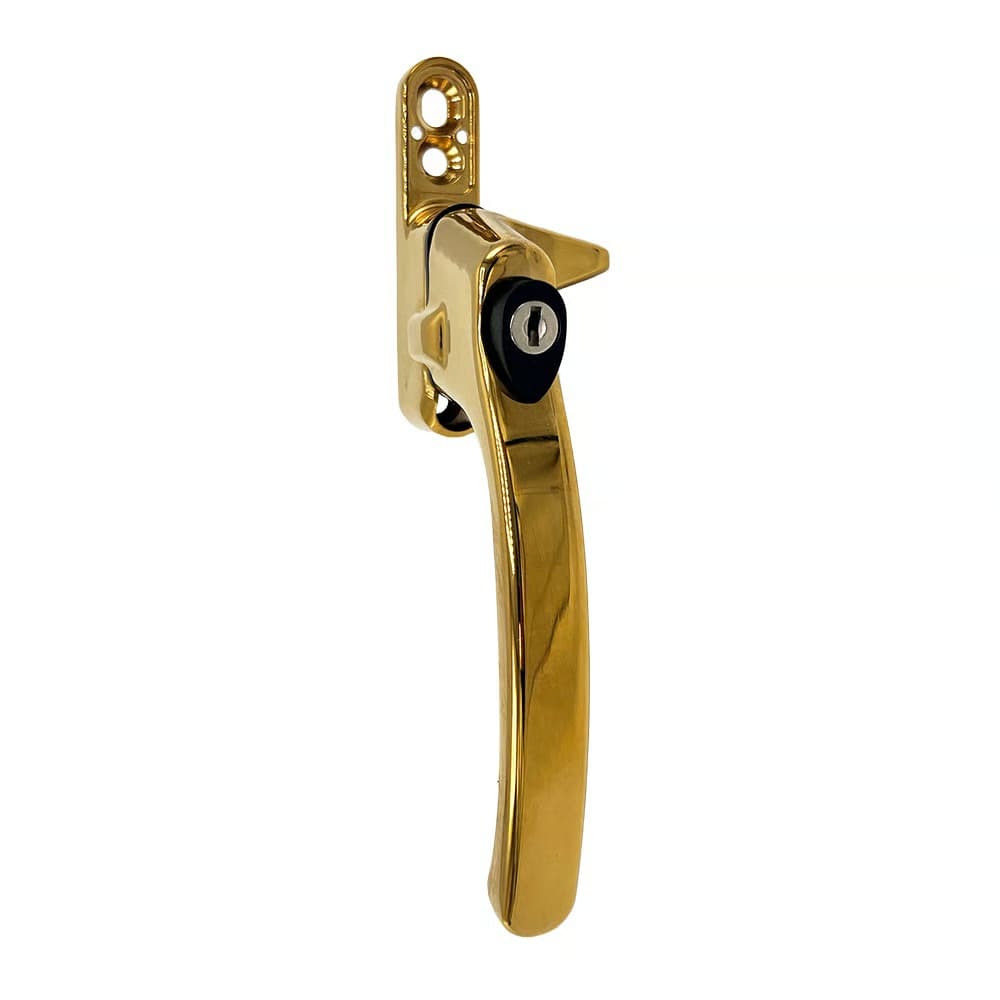
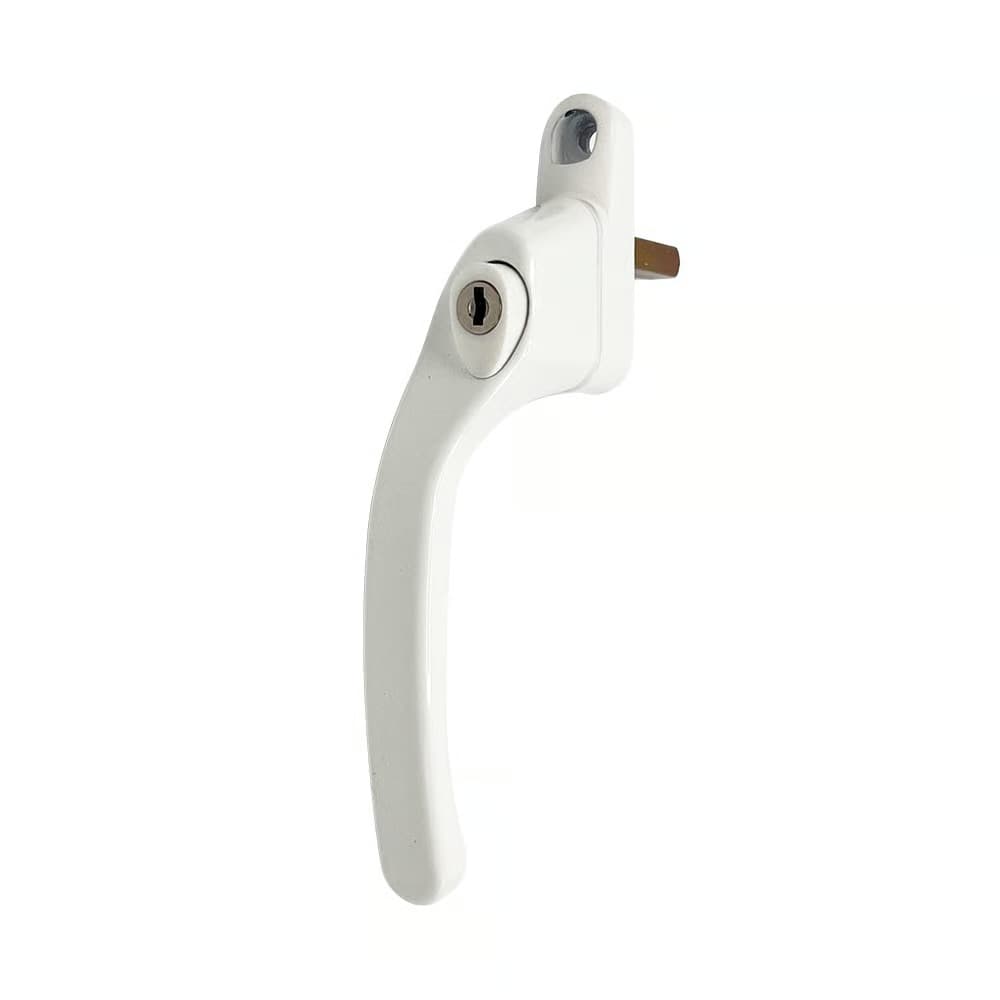
A cockspur handle is a simple lever-style window latch; it mounts to the unlocking stile of a casement window and engages with a keep on the adjacent frame. The name comes from the spur-shaped end of the lever which hooks over the keep and pulls the sash tight to the frame when rotated. Unlike modern multi-point locks, the cockspur handle provides a single-point sealing action. The mechanism is usually straightforward: a fixed plate or base is screwed to the sash, and the lever pivots to hook into the keep.
Common materials, sizes and finishes
Cockspur handle varieties are common in older properties. Familiar options include:
- Materials: malleable iron, steel, brass or zamak (die-cast zinc alloy).
- Finishes: polished brass, lacquered brass, satin nickel, chrome plate, black paint or white paint to match existing decoration.
- Sizes and projection: handles are available in different lengths and spur shapes to suit flush or rebated keeps and different frame depths; common projection sizes range from 30mm up to 60mm.
Tradespeople will often measure the backset and projection to ensure a replacement cockspur handle aligns correctly with the keep and does not foul trim or glazing beads.
Where you will find cockspur handles
Cockspur handles are most commonly seen on:
- Timber casement windows from the early to mid 20th century.
- Metal-framed casement windows, particularly older steel windows.
- Secondary lodgements in commercial properties and conservatories.
They remain popular for conservation projects or where a period look is required. However, they are less common on modern PVCu windows which use espagnolette or multi-point systems.
Common problems and how to diagnose them
Practical problems with a cockspur handle often relate to wear, corrosion or misalignment. Typical issues include:
- Loose or stripped mounting screws; the handle wobbles or does not engage fully.
- Corroded lever or pivot; the handle feels stiff or jams before seating properly.
- Worn or bent spur; the hook no longer engages the keep.
- Misaligned keep; sash movement or building settlement causes the keep and spur to miss each other.
To diagnose, inspect the handle and keep while opening and closing the window. Check fixings, pivot action and whether the spur meets the keep squarely. If the handle reaches the keep but fails to pull the sash tight, check the keep position and condition of the sash seal.
Repair, replacement and upgrade options
Deciding whether to repair, replace or upgrade a cockspur handle depends on function, security and conservation needs. Options include:
- Minor repair: replace screws, lubricate the pivot with light oil, and tighten any loose parts. This is suitable where corrosion is minimal and original appearance is desired.
- Full replacement with matching cockspur handle: trade suppliers offer cockspur handle replacements in period finishes and sizes; measure projection and hole centres before ordering to match keeps and existing screw positions.
- Retrofit keeps: if the original keep is damaged, replace with an adjustable keep or longer strike plate to allow minor realignment without altering the sash plate.
- Upgrade to sash lock or mortice lock: where improved security is needed, consider fitting a keyed casement lock or espagnolette system; this may require routing or additional hardware and is more suitable for those willing to modify the window.
- Secondary measures: add auxiliary security such as internal restrictors or sash stays for older cockspur handle installations where full replacement is not possible due to conservation constraints.
Practical installation tips for tradespeople and DIYers
When installing or replacing a cockspur handle, follow these practical steps:
- Measure existing hole centres: match the replacement backplate to avoid unnecessary timber work.
- Check the keep alignment: position the keep so the spur engages squarely and pulls the sash flush against the seal.
- Use appropriate fixings: use corrosion-resistant screws for exterior windows; brass or stainless steel screws are recommended in coastal locations.
- Lubricate moving parts: apply a small amount of light oil to the pivot to ensure smooth action without attracting grit.
- Test full range: cycle the window several times and check for interference with beads, ironmongery or glazing.
- Respect heritage: when working on period properties, aim to match finishes and avoid unnecessary alterations to original fabric.
Security and building regulations considerations
While a cockspur handle provides basic latching, it is not inherently a high-security solution. Consider the following:
- Where security is critical, specify a keyed casement lock or upgrade to a multi-point system; cockspur handle alone is unlikely to meet modern security expectations for ground-floor openings.
- Escape and ventilation: ensure any locking arrangement complies with means-of-escape requirements in relevant building regulations; removable restrictors should allow egress where necessary.
- Conservation areas: local planning or listed building consent may influence permissible alterations to historic windows; consult planning officers before fitting modern hardware to listed fabric.
Understanding the cockspur handle helps tradespeople and homeowners make informed choices about repair, conservation and upgrade. Whether you are restoring a period home or carrying out maintenance, the straightforward mechanical nature of the cockspur handle makes it easy to service, replace or sensitively upgrade.
If you are looking for replacement cockspur handle options or technical advice on matching sizes and keeps, check our window handles guide on the pillar page: /guides/window-handles or contact our trade team for specification help.
Conclusion: The cockspur handle remains a practical and historically accurate choice for many casement windows. For repairs, measure and match carefully, use corrosion-resistant fixings, and consider security requirements. For conservation projects, retain original finishes where possible; for higher security or modern performance, consider sympathetic upgrades. With the right knowledge and parts, tradespeople and competent DIYers can confidently service and replace cockspur handles to maintain both function and period character.
Recommended Products
Based on this article, you may find these products helpful:
Part of our guide:
Complete Guide to Window Handles