What Is a Tilt and Turn Handle? How They Work
Introduction: A tilt and turn handle is a key element of modern inward-opening European-style windows, offering dual-function operation, security and ease of maintenance. For tradespeople and keen DIY...
Introduction: A tilt and turn handle is a key element of modern inward-opening European-style windows, offering dual-function operation, security and ease of maintenance. For tradespeople and keen DIYers choosing the right tilt and turn handle affects performance, durability and compliance with building regs. This guide explains what a tilt and turn handle is, how it works, the common types and materials, fitting considerations and routine maintenance.
What is a tilt and turn handle?
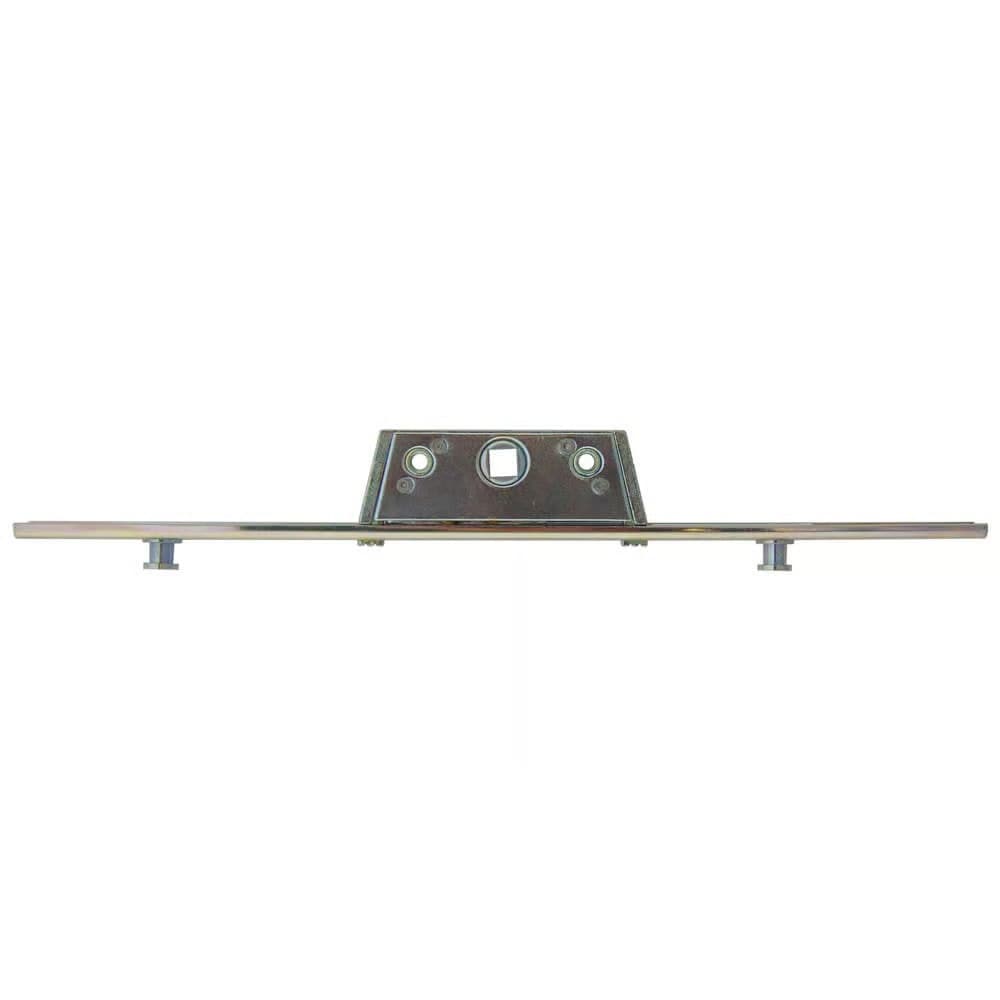
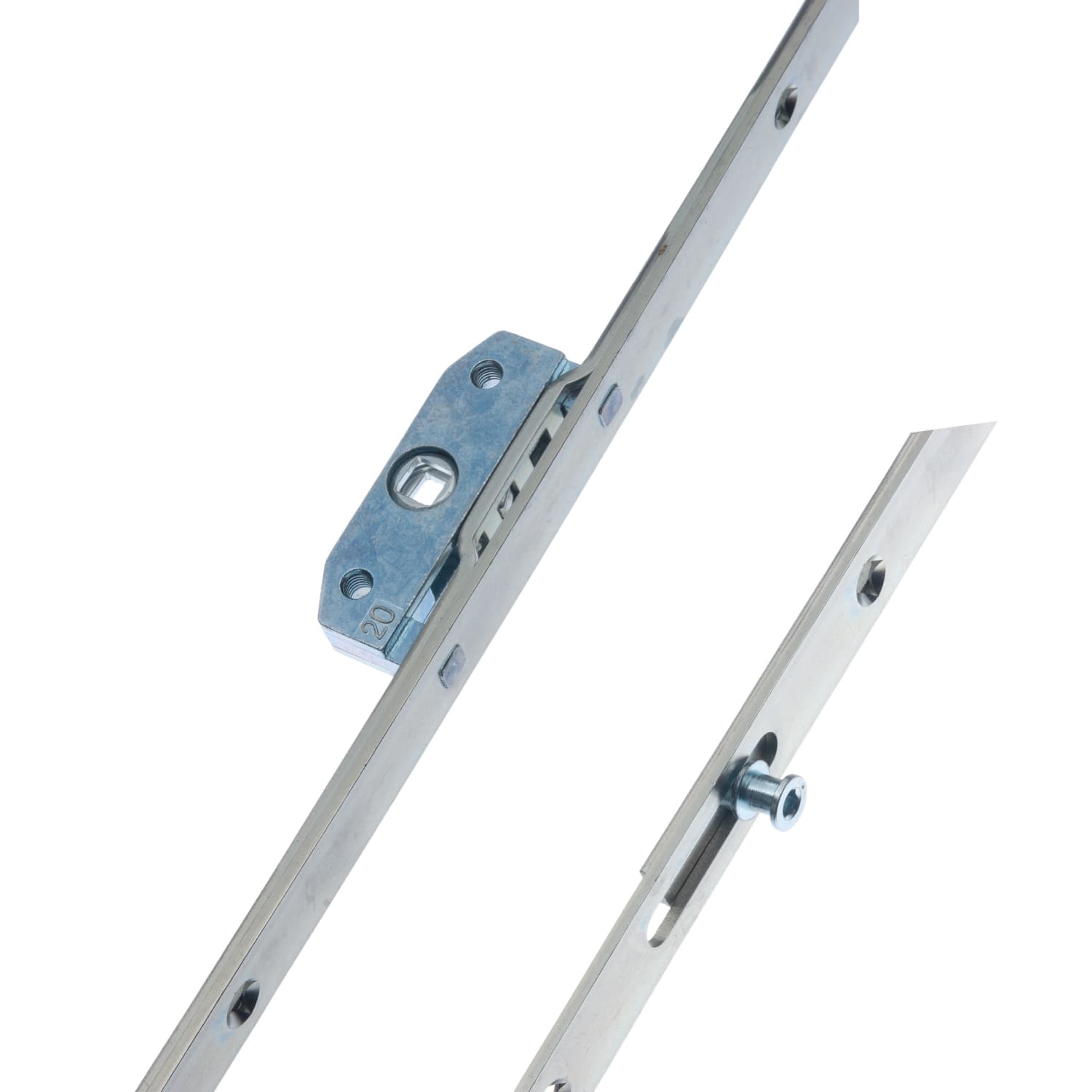
A tilt and turn handle is the control mechanism fitted to tilt and turn windows that allows the sash to operate in two distinct ways: tilting inwards from the top for ventilation, and turning fully for egress or cleaning. Unlike a conventional casement handle, a tilt and turn handle works with a multi-point locking gearbox to move the handle into different positions; each position engages a different set of hardware within the frame.
Key characteristics of a tilt and turn handle include:
- Multi-position operation: typically three positions – closed, tilt and turn.
- Compatibility with multi-point locking systems and espagnolette gear.
- Options for keyed locking, child safety versions and anti-snap models.
- Available in a range of finishes and materials such as aluminium, stainless steel and zinc alloy.
How a tilt and turn handle works
Understanding how a tilt and turn handle works helps when diagnosing faults or specifying replacements. The handle operates a spindle that turns inside the locking mechanism. The movement is translated into either a tilt action or a full turn action by internal cams or gears; these engage different keeps on the frame.
- Closed position: the handle is usually vertical and the multi-point locks are engaged into the frame keeps.
- Tilt position: the handle is moved 90 degrees to a horizontal or near-horizontal position and the top of the sash disengages from the frame to allow a controlled inward tilt at the top.
- Turn position: the handle is moved further, typically a full 180-degree motion, which disengages locks and allows the sash to open inwards like a door.
Some handles include a release catch or button to prevent accidental selection of the tilt or turn positions; these safety features are common on child-safe models and keyed variants.
Types and finishes: choosing the right tilt and turn handle
There are several types of tilt and turn handle to consider when specifying or replacing hardware. Choosing the correct type affects aesthetics, longevity and security.
- Standard handle: non-locking; used where no key requirement exists.
- Key-locking handle: requires a key to operate from closed, offering added security; popular for ground-floor windows and terminals.
- Espagnolette-compatible handle: designed to connect with specific espagnolette gear and spindles.
- Child-safety handle: includes a push button or restrictor to prevent the handle moving into the turn position without deliberate action.
Finishes commonly used by trades include satin chrome, polished chrome, anodised aluminium and powder-coated options. Material choice: zinc alloy handles are economical; stainless steel offers better corrosion resistance for coastal properties.
Installation and measurement tips for tradespeople
Installing a tilt and turn handle is straightforward for experienced fitters; accuracy is crucial to avoid operational problems. Follow these practical steps and checks:
- Measure the spindle length: confirm the window gearbox requires a 35mm, 40mm or custom spindle; incorrect spindle length prevents full operation.
- Check screw centres: standard screw centre distances are common, but verify before ordering replacements to ensure backset and screw positions match.
- Confirm handedness: some windows require left or right-handed operation; many modern handles are reversible but check compatibility.
- Test the multi-point lock: operate the handle through all positions before final tightening to ensure cams engage smoothly with the lock keeps.
- Torque settings: avoid over-tightening fixings which can bind the gearbox; tighten evenly and check movement.
- Positioning: ensure the handle does not contact nearby obstructions such as blinds or window cills when turned to the open position.
Maintenance, common issues and troubleshooting
Routine maintenance extends the life of a tilt and turn handle and prevents customer call-backs. Recommended maintenance steps include:
- Lubricate moving parts annually with a light machine oil or silicone spray; avoid heavy greases that attract dust.
- Check and re-tighten fixings; replace stripped screws with correct grade stainless steel fasteners.
- Inspect for corrosion on coastal installations; replace zinc alloy handles with stainless steel where necessary.
- Test locking function regularly; keyed handles should be exercised to prevent seizing.
Common problems and quick fixes:
- Handle stiff or hard to move: check gearbox lubrication, spindle length and that the keeps are aligned; adjust cams or striker plates as needed.
- Handle loose: replace worn bushes or spindle, and fit new screws to secure the lever.
- Cannot reach turn position: often due to incorrect spindle length or a misaligned multi-point lock; measure and adjust.
- Key will not turn: likely a worn lock cylinder or debris; remove and clean cylinder, or replace if necessary.
Security and compliance considerations
Tilt and turn handles contribute to the overall security rating of a window installation. For trade customers, specifying the correct handle can help meet insurance and building regulation requirements:
- Choose key-locking handles for vulnerable ground-floor openings.
- Specify handles with anti-snap and anti-drill features where enhanced security is required; pair with certified multi-point locks.
- Ensure child-safety handles are used in rooms where fall prevention is a concern; these help meet safe access guidance.
- Keep records of hardware specifications for warranty and insurance documentation.
Conclusion: The tilt and turn handle is both a functional and security-critical component of modern window systems. For tradespeople, understanding how a tilt and turn handle works, how to measure and install it, and how to maintain it will reduce call-backs and improve customer satisfaction. For DIYers, choosing the right handle and following basic installation and maintenance guidance can keep windows operating smoothly for years. If you are unsure which tilt and turn handle suits a particular profile or project, consult the window manufacturer or a hardware specialist for compatibility and security ratings.
Recommended Products
Based on this article, you may find these products helpful:
Part of our guide:
Complete Guide to Window Handles