Windows Handles
Windows handles are a small but essential component of any home or commercial property. Choosing the right window handles affects security, ease of use, and the longevity of the window system. This guide explains common types, materials, fitting and maintenance tips, and practical troubleshooting so you can make informed choices.
A good handle provides smooth operation, reliable locking and improved security. Poorly chosen or worn handles cause drafts, rattling and may prevent a window from closing properly. Many modern window systems rely on handles to operate multi-point locking mechanisms and espagnolette rods, so the handle quality directly influences performance.
Espag and offset espag handles
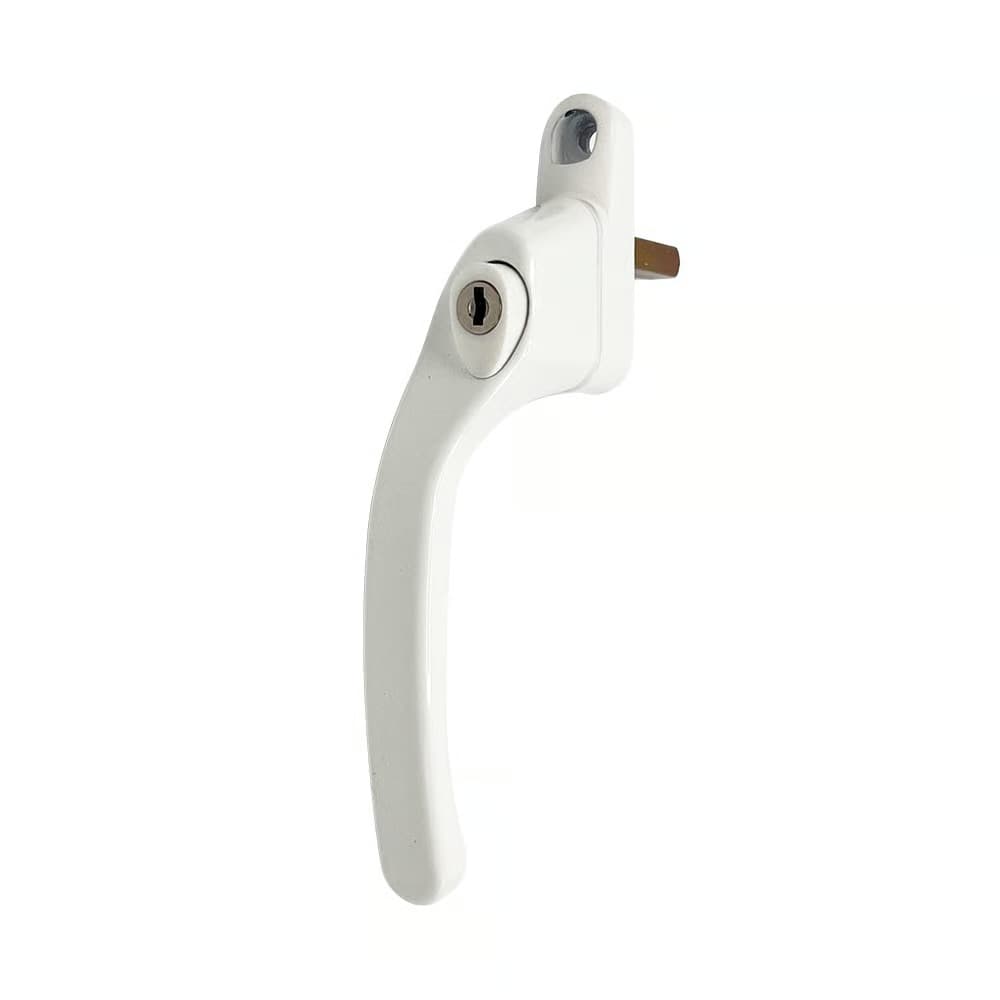
Espag handles operate espagnolette mechanisms and are common on uPVC and timber windows. For slimmer frames, consider an offset option such as the
Avocet Slimline Offset Window Espag. Offset handles help align with multipoint locks and improve ergonomics.
Cockspur handles
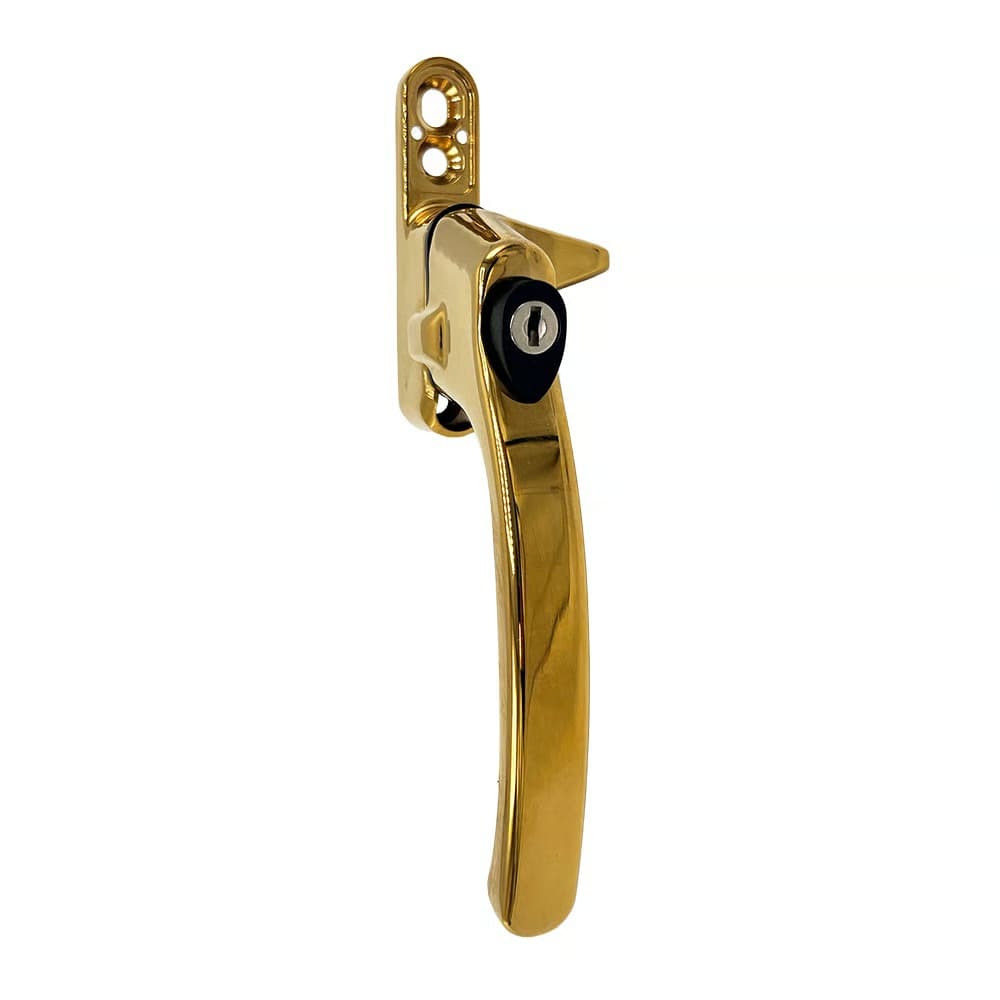
Cockspur handles are surface-mounted and often used on older or simple casement windows. They are straightforward to fit and replace. The
TSS Cockspur Window Handles range (/p/tss-cockspur-window-handles) covers various finishes for matching existing hardware.
Tilt-and-turn and espag variants
Tilt-and-turn windows use specific handles designed to control the tilt and full-turn actions. Espag handles can also be supplied keyed or non-keyed depending on security needs.
Thumb-turn and keyed euro-cylinder handles
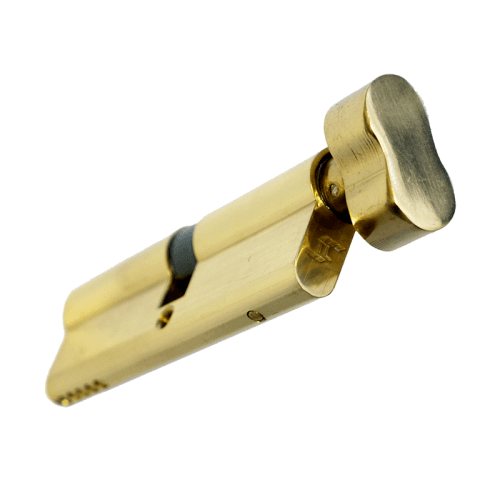
For rooms where internal locking is needed without a key, thumb-turn cylinders such as the
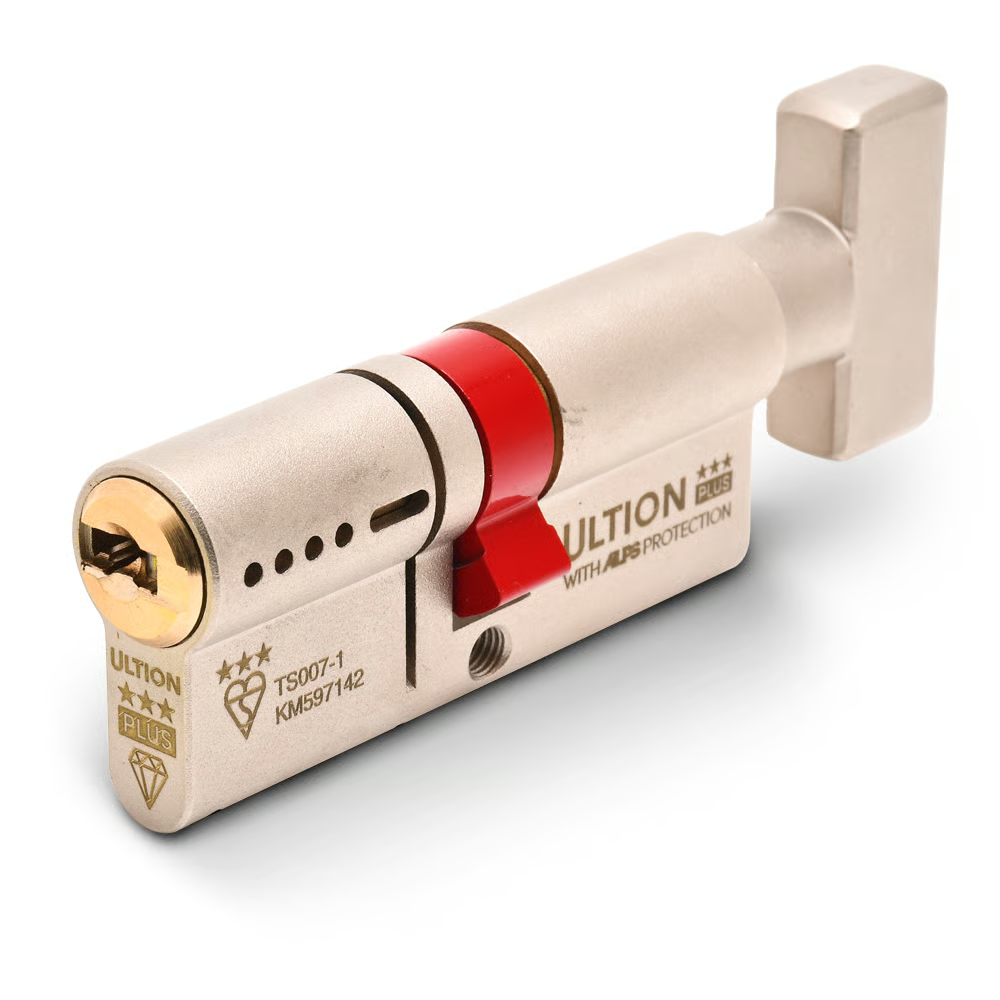
TL Thumb Turn Euro Cylinder are a practical choice. For higher security, consider kitemarked cylinders like
Ultion Plus TS007 3* Euro Key & Turn Cylinder.
uPVC offset and standard handle options
TSS Offset UPVC Window Handles are designed for common uPVC applications where handle positioning needs to clear glazing beads or other obstructions. Choose a handle compatible with your espagnolette or locking mechanism.
Aluminium: lightweight, good corrosion resistance and available in many finishes. Suitable for modern aluminium-framed windows.
Zinc alloy: widely used for economy handles; robust for most domestic uses.
Stainless steel: durable and ideal for coastal locations where corrosion is a concern. for an example of stainless hardware in the range.
Powder-coated or plated finishes: choose a finish that complements window frames and interior decor, and that offers the required wear resistance.
When replacing handles, match the spindle size and fixing positions to avoid alignment problems.
Security is a key factor when selecting window handles. Look for handles that offer:
Locking mechanisms or the ability to use a keyed cylinder to prevent unauthorised opening.
Compatibility with multi-point locking systems so the handle is not the weak link.
Durable cylinders such as Ultion Plus TS007 3* Kitemarked Euro Key & Turn Cylinder for enhanced resistance to forced entry.
If you specify a thumb-turn cylinder for internal convenience, combine it with strong sash fasteners and secure keeps to prevent lever manipulation from outside.
Follow these steps for a straightforward replacement or installation:
Measure the existing handle: record spindle length, backset and screw hole centres. Manufacturers often provide standard measurements, but confirm to avoid returns.
Remove the old handle: loosen the grub screw or remove the mounting screws and withdraw the handle carefully to avoid damaging the spindle or surrounding frame.
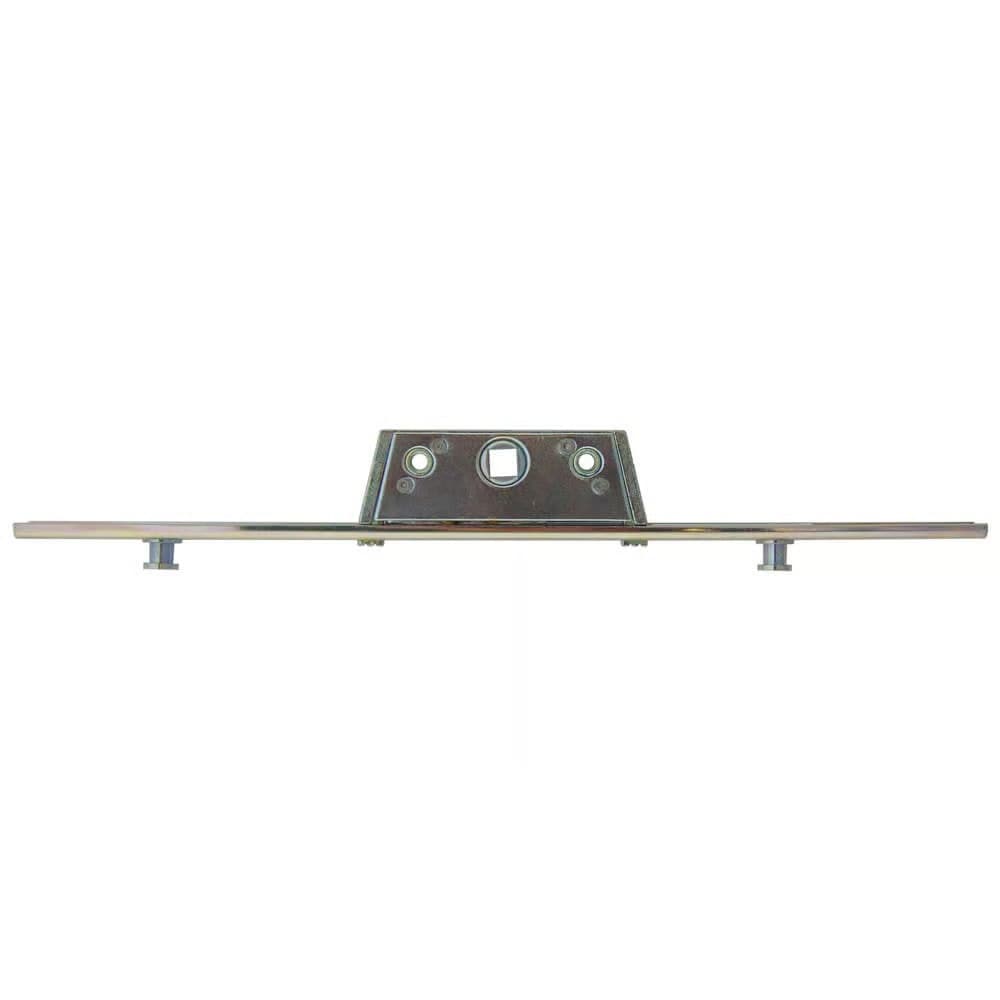
Check the gear and spindle: inspect the spindle for wear and clean the gearbox area. If the mechanism looks damaged or corroded, consider replacing the espagnolette or mechanism such as the In-Line Window Mechanism.
Fit the new handle: align the spindle and the screw holes, then fasten the handle by hand before tightening. Over-tightening can bind the mechanism.
Test operation: check that the handle turns smoothly through its full range and that the lock engages correctly. Test from both open and closed positions.
If you're installing a keyed handle or cylinder, ensure the cam in the cylinder aligns with the locking mechanism; a misaligned cam will prevent the window from locking.
Regular maintenance keeps windows handles working smoothly and reduces the need for replacements.
Clean: wipe handles with a damp cloth and mild detergent; avoid abrasive cleaners that damage finishes.
Lubricate: apply a light machine oil or non-silicone dry lubricant to the spindle and moving parts once a year. Avoid heavy greases that attract dust.
Check fixings: screws can loosen over time; inspect annually and retighten if needed.
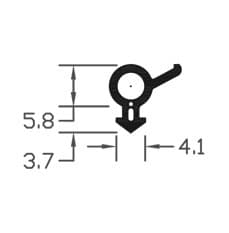
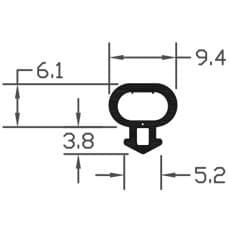
Inspect seals and gaskets: damaged bubble gaskets such as B003 Bubble Gasket and B004 Bubble Gasket can allow movement and reduce the effectiveness of the handle and locking system. Replace if worn.
For top-hung or outward-opening windows, check hinges regularly. A quality hinge such as the Top-Hung Window Hinge - Standard will help maintain correct alignment and reduce handle strain.
Stiff handle: usually caused by dirt or lack of lubrication. Clean and apply a light lubricant. If stiffness persists, check the espagnolette for damaged gears.
Handle loose on spindle: tighten the grub screw or retaining screw. If the set screw is worn, replace with a new handle.
Handle turns but window does not lock: this indicates a cam or gearbox disengagement or a broken connection to the locking rod. Inspect the inline mechanism and espag connections.
Rattling or drafts: check the bubble gaskets and alignment of keeps. Replace worn B003 or B004 gaskets and adjust hinge positions if necessary.
When selecting replacement windows handles, consider:
Compatibility: match spindle length and screw centres with your existing window furniture.
Security: choose keyed cylinders or thumb-turn options depending on the room and security needs. High-security cylinders such as the Ultion Plus TS007 provide better protection.
Durability: pick materials suited to your environment; stainless steel for coastal locations and corrosion-prone areas.
Ease of installation: many handles are straightforward to replace with basic tools, but complex multi-point systems may need professional attention.
In-Line Window Mechanism: /p/tss-inline-espags-22mm-backset
Top-Hung Window Hinge - Standard: /c/window-hinges
B003 Bubble Gasket: /p/b003-bubble-gasket
TL Thumb Turn Euro Cylinder: /p/tl-thumb-turn-euro-cylinder
TSS Cockspur Window Handles: /p/tss-cockspur-window-handles
Avocet Slimline Offset Window Espag: /p/avocet-slimline-offset-window-espag
Flag Door Hinge - Stainless Steel: /c/doors-hinges
TSS Offset UPVC Window Handles: /p/tss-offset-upvc-window-handles
B004 Bubble Gasket: /p/b004-bubble-gasket
Ultion Plus TS007 3* Kitemarked Euro Key & Turn Cylinder: /p/ultion-plus-ts007-3-kitemarked-euro-key-turn-cylinder
Confirm spindle length and screw centres.
Decide keyed or non-keyed based on room and security needs.
Match handle material and finish to environment and style.
Check compatibility with existing espagnolette or locking mechanism.
Choosing the right windows handles improves daily use, reduces maintenance and strengthens security. With the correct measurements and a small amount of maintenance, handles will deliver years of trouble free service.
Explore more guides on related topics: