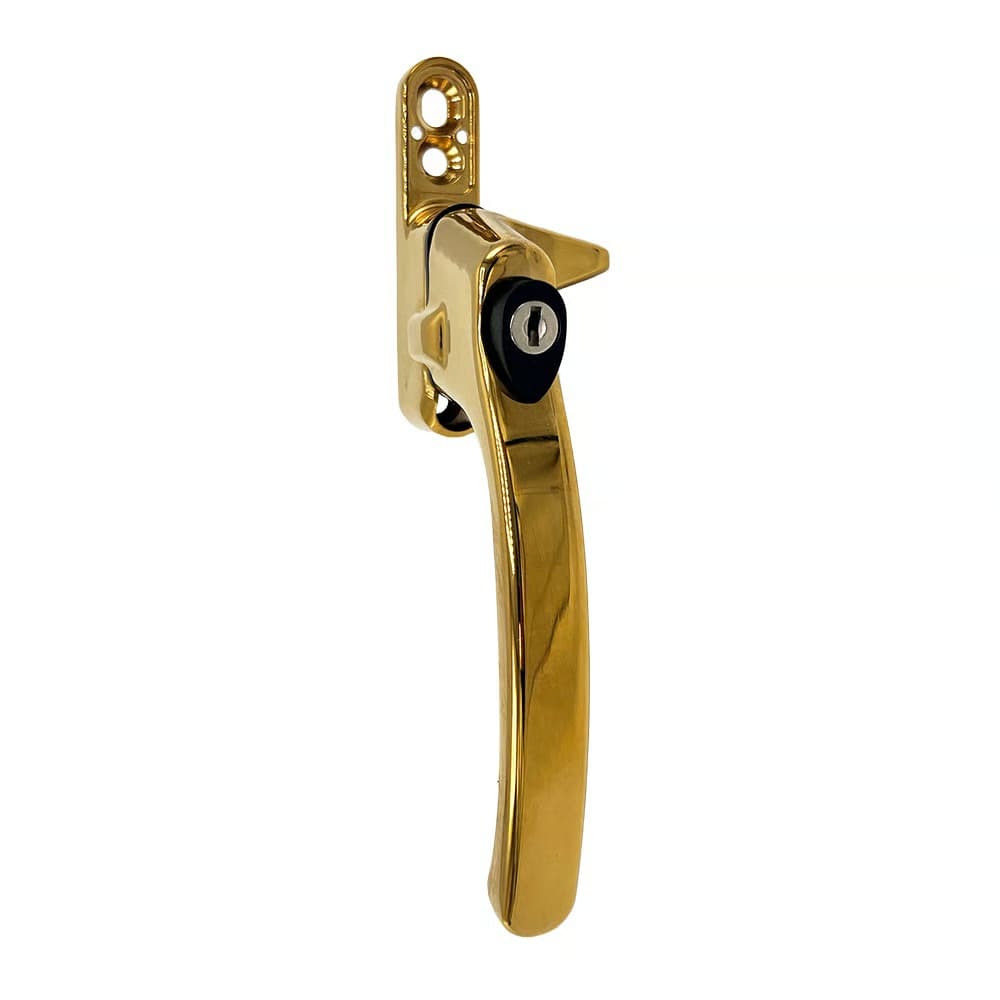
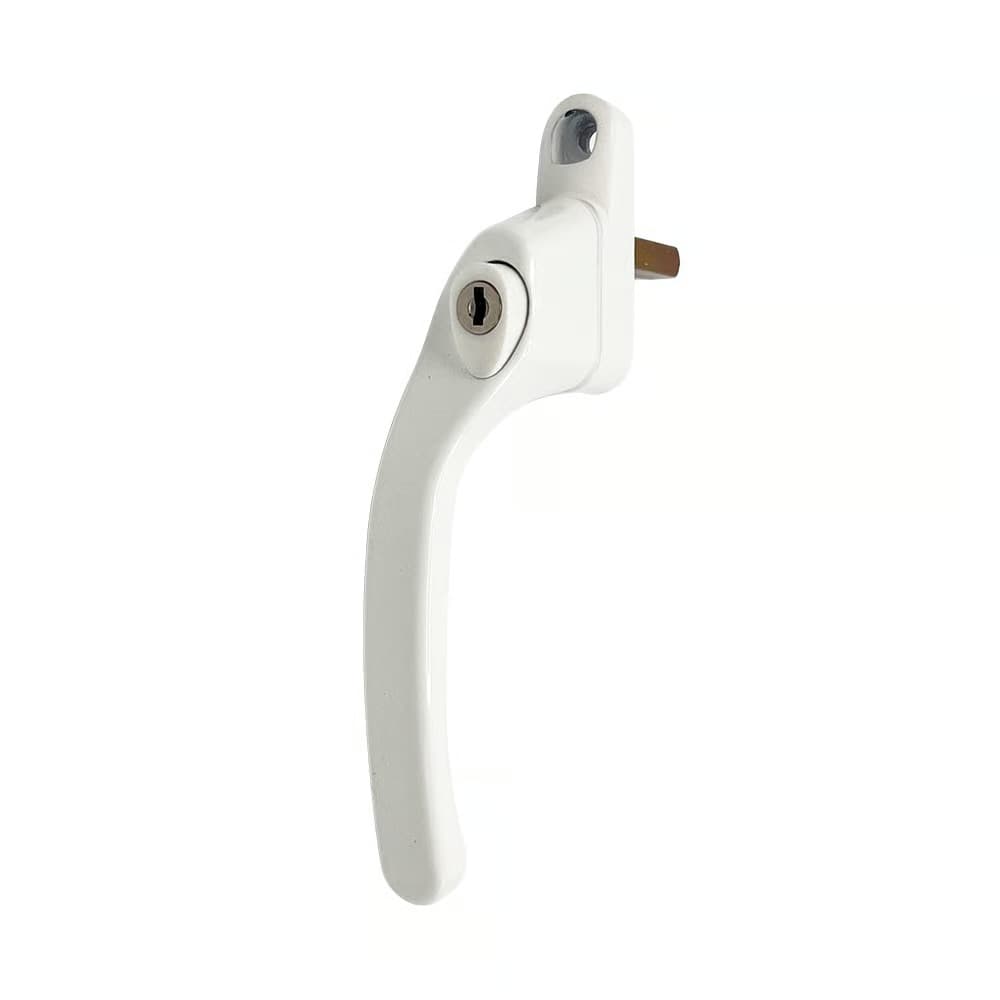
Replacing Window Handles: When You Need to Replace the Mechanism Too
Replacing window handles is a straightforward repair in many cases, but there are times when the internal mechanism beneath the handle also requires replac...
Replacing window handles is a straightforward repair in many cases, but there are times when the internal mechanism beneath the handle also requires replacement. This article explains how to diagnose when a mechanism must be changed, how to match parts, and practical steps for tradespeople and homeowners to carry out a reliable repair. Practical advice covers common window types, measurements to record, and when a replacement handle alone will suffice versus when a full gearbox or espagnolette needs fitting.
Common signs the mechanism needs replacing
A handle that feels loose, spins freely, or fails to lock often indicates internal wear. Specific symptoms to look for include:
- Handle rotates without engaging the locking points.
- Increased force needed to operate the window or handle sticks.
- Visible wear, stripped splines on the spindle, or corrosion inside the handle rose.
- Multiple locking points out of sync, where the handle moves but the shootbolts do not extend or retract.
- Repeated failures shortly after replacing handles — this suggests the mechanism beneath is failing.
Identify the type of mechanism
Different window systems require different replacement parts. Common types encountered in UK properties include:
- Espagnolette/espag gearboxes for casement windows — a travelling rod or gearbox engages multiple locking points.
- Cockspur handles used on older timber or aluminium casement windows, which hook over a keep.
- Tilt-and-turn or multipoint mechanisms in modern PVCu windows.
Measurements to take before ordering parts
Accurate measurements prevent wasted time and incorrect parts arriving on site. Record the following:
- Backset/centre: Distance from the handle centre to the end of the gearbox or from the rose centre to the spindle face.
- Spindle length and type: Square spindle dimensions (often 7mm or 8mm) and length from handle rose to gearbox.
- Fixing hole centres: Distance between the two handle screws, typically 43mm, 45mm, or 60mm depending on make.
- Faceplate or gearbox length and screw positions if replacing the mechanism.
- Number and type of locking points (e.g., shootbolts, mushroom cams) and their orientation.
When to replace the mechanism: practical decision criteria
Replace the mechanism when:
- The spindle or handle splines are rounded, preventing secure connection.
- The espagnolette rod is bent, fractured, or corroded.
- The gearbox teeth are stripped, causing intermittent engagement.
- Multiple components show corrosion or metal fatigue.
- The cost of multiple new handles or frequent call-outs exceeds the price of a mechanism replacement.
Step-by-step procedure for replacing the mechanism
The following outlines a standard procedure for a casement espag replacement. Adjust steps for cockspur and other systems.
1. Prepare tools: screwdriver set, pliers, replacement gearbox/espagnolette, replacement handle, measuring tape, lubricant, and protective gloves. 2. Open the window to access the handle rose and mechanism. Mark the closed position to aid realignment. 3. Remove the handle by loosening the grub screw or removing rose screws. Keep screws for re-use if in good condition. 4. Extract the spindle and inspect. Note any wear or deformation; this confirms whether a new spindle or handle is required. 5. Remove the inner faceplate or gearbox cover. For espagnolette systems, withdraw the rod or gearbox assembly carefully. 6. Replace the depleted mechanism with the correct size and matching screw positions. Use the measurements recorded earlier to ensure the new mechanism aligns with locking points. 7. Refit the spindle and test operation before fixing the handle permanently. Check the handle moves smoothly through full travel and engages locks correctly. 8. Secure the handle and test the window in closed and locked positions. Apply a light lubricant to moving parts and adjust shootbolts if necessary.
Practical tips for a lasting repair
- Use corrosion-resistant parts in coastal properties.
- Replace screw fixings if signs of rust or thread wear are present.
- When replacing an espagnolette rod, consider a full-length replacement to ensure even operation across all locking points.
- Check keepers and keeps on the frame; worn keeps can mimic mechanism failure and should be replaced concurrently.
- For trade installations, keep common spindle lengths and espag centres in stock to reduce repeat visits.
When to call a specialist
Complex tilt-and-turn mechanisms, aluminium systems with welded profiles, or windows where corrosion has spread into the frame may require specialist tools and skills. For trade professionals, ensure compliance with security standards and building regulations when altering locking mechanisms.
Replacing window handles is often a simple maintenance task, but attention to the underlying mechanism prevents repeat failures and improves security. Accurate measurements, matching parts, and the correct installation sequence are essential to a durable result. For further information on selecting the right handle and measurements, consult the Window Handles Guide.
Related Reading
Explore more guides on related topics:
Part of our guide:
Complete Guide to Window Handles