Upgrading Your Window Handle: When and Why
Upgrading your window handle can transform everyday use, improve security and refresh the look of a property with a relatively small investment. Whether you are a trade professional advising clients o...
Upgrading your window handle can transform everyday use, improve security and refresh the look of a property with a relatively small investment. Whether you are a trade professional advising clients or a knowledgeable DIY enthusiast, understanding when and why to replace a window handle helps you choose the correct product and carry out a reliable installation. This guide covers practical reasons for replacement, types of handles, measurements, security considerations and fitting tips.
When to upgrade a window handle
There are several clear signs that a window handle needs upgrading. Recognising these early avoids safety issues and wasted call-backs for tradespeople:
- Excessive play or wobble when the window handle operates; this indicates worn bushes, spindle or gearbox parts.
- Difficulty engaging the mechanism: the handle sticks, grinds or fails to lock smoothly.
- Visible corrosion or cosmetic damage that affects operation or appearance.
- Security concerns: a single-point lock on an older window or a handle that does not accept a key.
- Energy performance or replacement windows where a new handle will match upgraded frames and locks.
If a handle shows any of these symptoms, upgrading to a new window handle is often faster and cheaper than replacing the whole window frame. For trade teams, an on-site inspection can determine if the problem is limited to the handle assembly or indicative of deeper hardware failure.
Types of window handles and how to choose
Choosing the correct style and mechanism is crucial. Common types of window handle include:
- Espagnolette handle: most common on casement windows, operates a multi-point locking rod.
- Cranked or offset handle: used where the handle must clear the opening frame or casement.
- Tilt-and-turn handle: specific to tilt-and-turn windows, usually keyed for security.
- Sash handle: traditional option for vertical sliding windows and sash windows.
- Dummy or fixed handle: used for fixed panes where a handle is needed for aesthetics only.
Select a window handle that matches the operation of the existing mechanism: spindle diameter and length, fixing centres and the style required. For trade installers, keep a small selection of common spindles, backplates and screws on the van to deal with most on-site swaps quickly.
Security and standards to consider
Security is a primary reason to upgrade a window handle. Modern handles improve resistance to forced entry and comply with current standards. Key points:
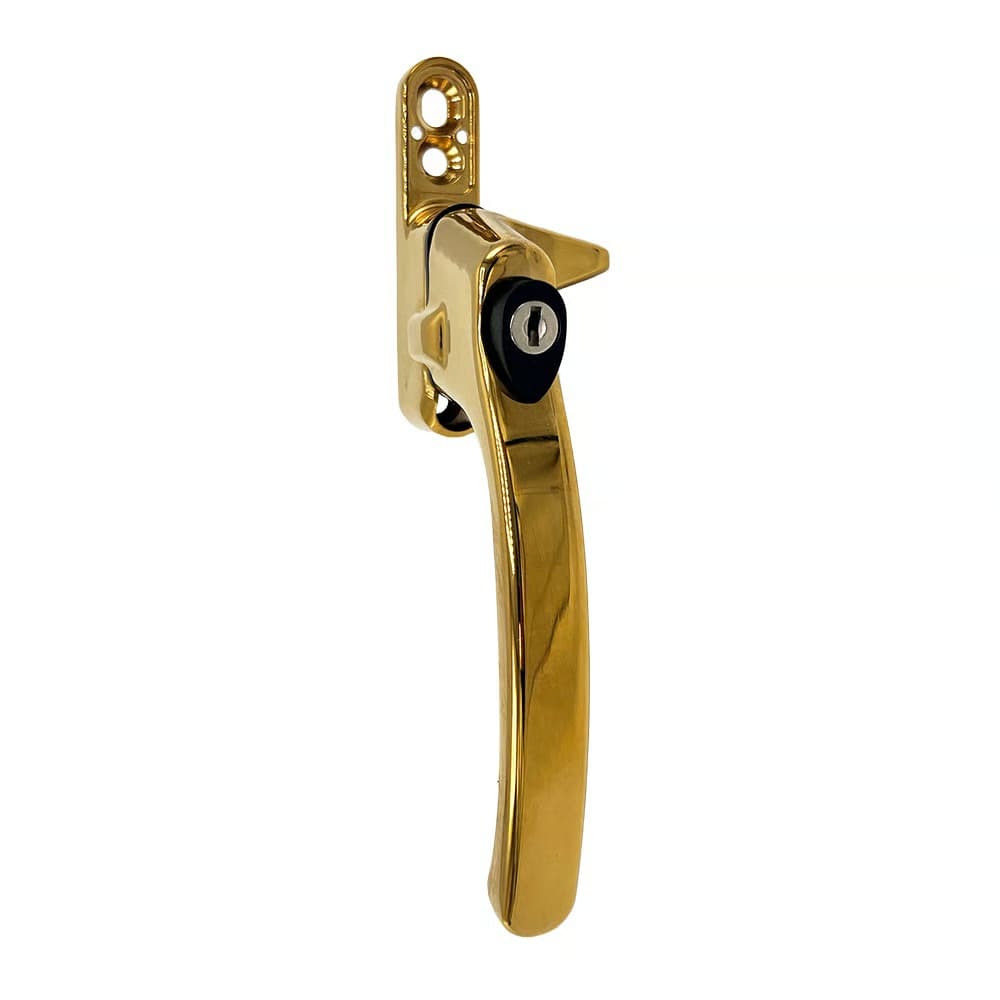
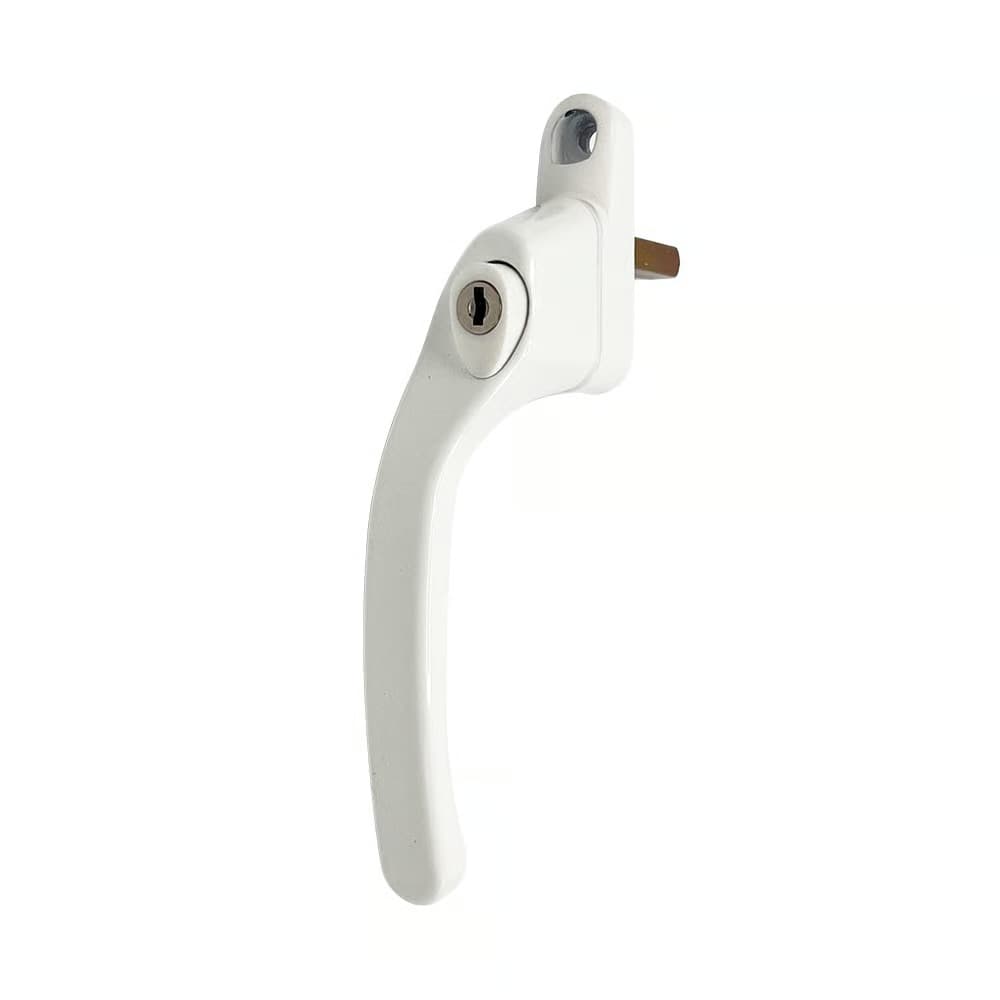
- Key-lockable handles: offer basic added protection; look for quality cylinders and anti-drill features.
- Handles tested to PAS 24 or Secured by Design recommendations: suitable for high-risk properties and new builds.
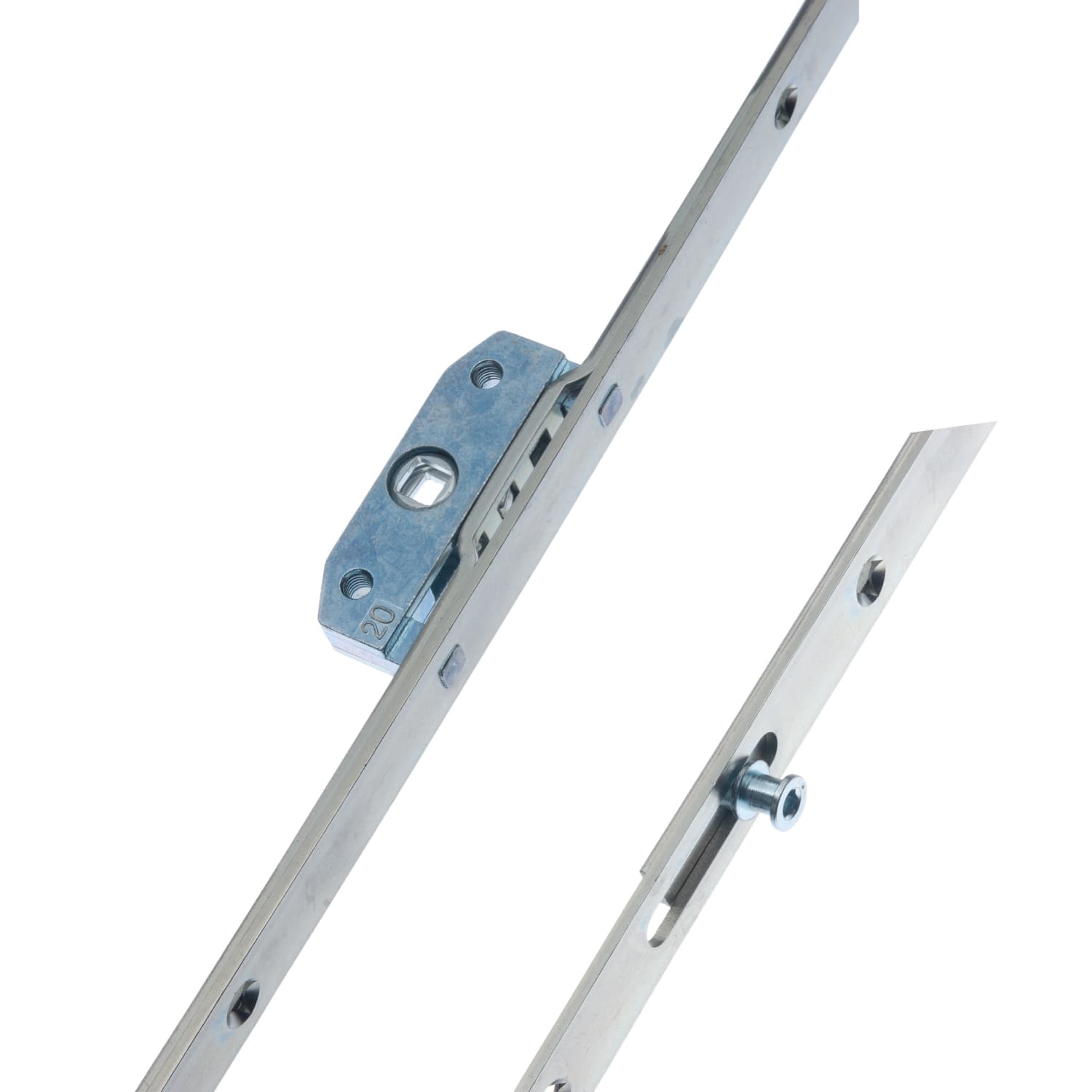
- Coordinated multi-point locking systems: ensure the new handle functions with the espagnolette gear or gearbox.
- TS 007 3-star standard: often referenced for door cylinders, but comparable security thinking applies to handle and lock choices for windows.
Tradespeople should check that the handle interface and gearbox are compatible with the window lock case, especially when upgrading to a handle with a built-in cylinder. If upgrading for a rental property or new tenant, specifying a keyed option may reduce insurance and safety queries.
Measurements and compatibility checks
Before ordering, measure and check compatibility carefully to avoid wasted trips. Key measurements and checks include:
- Spindle size: common sizes are 7mm, 8mm or 9mm; measure diameter and overall length.
- Fixing centres: distance between screw holes for backplate or rose fittings.
- Backset and projection: ensure the handle clears any glazing beads or furniture returns.
- Rotation angle: 90 degrees versus 180 degrees handles must match the gearing of the lock.
- Finish and colour: coordinate with locking furniture and client requirements; anodised aluminium or PVD finishes are popular.
For trade operatives, keeping a simple gauge or template in the van speeds up identification. If in doubt, take the old handle and a clear photo of the lock face to the supplier to confirm a match.
Practical installation tips
Replacing a window handle is usually straightforward, but following best practice reduces call-backs:
- Remove the old handle: open the window to the correct position, unscrew fixing screws and withdraw the spindle carefully.
- Inspect the gearbox or espagnolette: check for wear on cam, gearbox and keepers; replace if worn to avoid early failure of the new window handle.
- Select correct spindle: cut to length only if necessary; the spindle should engage fully without binding.
- Fit the new handle, align fixing centres and torque screws evenly; avoid overtightening which can clamp the handle and impede movement.
- Test cycle: open and close the window multiple times, operate the locking mechanism and check for smooth action and correct engagement.
- Seal and sign off: for trade completions, ensure paperwork, warranty information and client instruction are provided.
For tilt-and-turn and some modern tilt-only hardware, follow manufacturer instructions and use any supplied anti-rotation plates. If you encounter rusted fixings or stripped threads, use appropriate grade screws or thread repair kits targeted at window frame materials.
Costs, finishes and client advice
When advising clients, balance cost, longevity and appearance. A basic non-locking window handle is inexpensive and suitable for low-risk rear windows; key-locking and high-spec finishes carry a premium. Recommended approach:
- Offer a choice of finishes: white, black, satin chrome, aged brass or bespoke colours to match frames.
- Propose security upgrades where appropriate: keyed handles, reinforced keeps or multi-point locking conversion.
- Explain warranties and expected lifespan: premium handles often include multi-year mechanical warranties and swap-out policies.
Tradespeople should price labour for any gearbox work separately from the supply of the new window handle, and always clarify whether the client wants a like-for-like replacement or an upgrade.
Conclusion: A timely upgrade of a window handle improves function, security and appearance with minimal disruption. For tradespeople, knowing the common types, measurements and installation pitfalls saves time on-site and reduces returns. For homeowners and DIYers, a well-chosen handle delivers years of reliable operation and a measurable improvement to the usability and safety of a home. If you are unsure which window handle is right for a job, gather measurements and photos and consult a reputable supplier for advice and compatible parts.
Recommended Products
Based on this article, you may find these products helpful:
Part of our guide:
Complete Guide to Window Handles