Replacement Double Glazed Window Handles with Locks: Upgrade Guide
Replacement double glazed window handles are a small component with a big impact on security, operation and appearance. Whether replacing a worn handle on...
Replacement double glazed window handles are a small component with a big impact on security, operation and appearance. Whether replacing a worn handle on an existing unit or upgrading to a locking product for enhanced safety, this guide explains types, measurements, fitting tips and troubleshooting for homeowners and tradespeople. Practical steps and best-practice advice are presented to ensure a long-lasting, correctly installed result.
Common types of replacement handles
Understand the handle type before ordering. The three most common categories for double glazed windows are espagnolette (espag) handles, cockspur handles and tilt-and-turn/lever handles. Espag handles operate an internal multi-point or espagnolette mechanism and are often used on modern PVCu and aluminium windows. Cockspur handles are surface-mounted and common on older timber and metal frames. Lever handles are typical for tilt-and-turn systems.
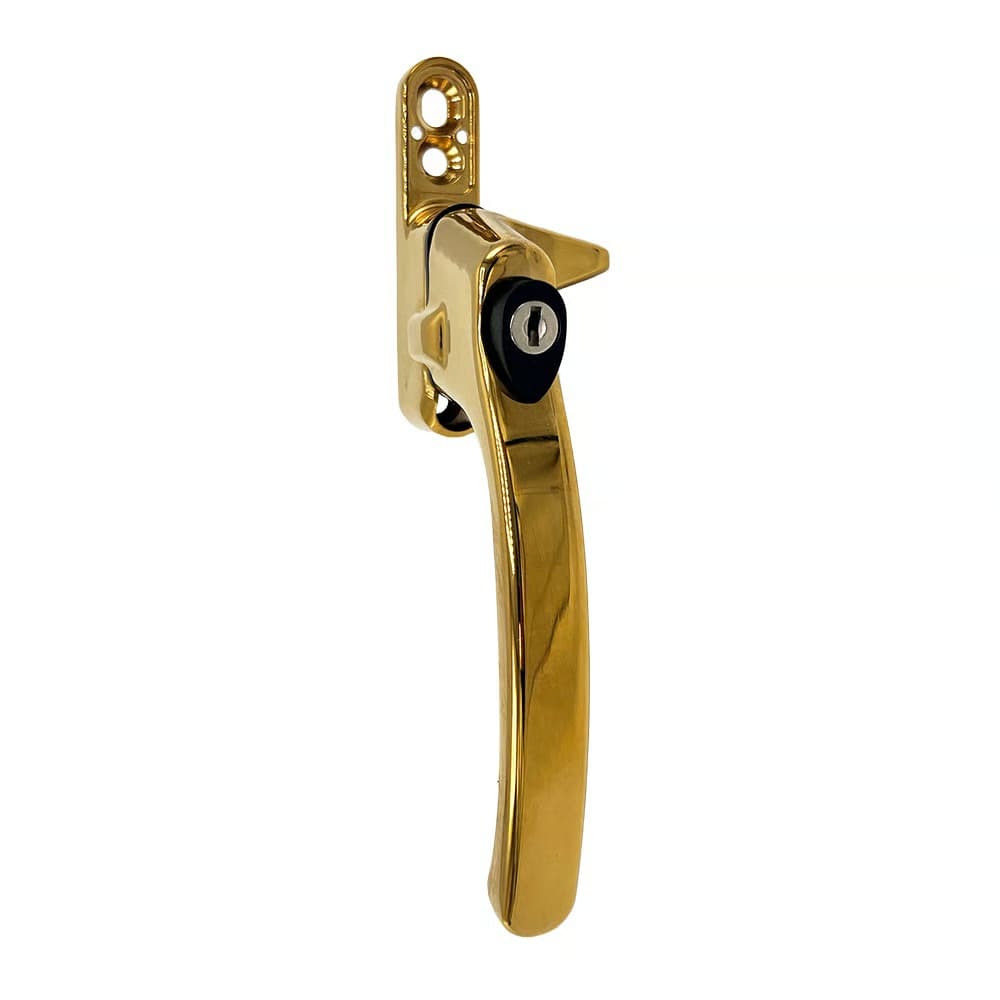
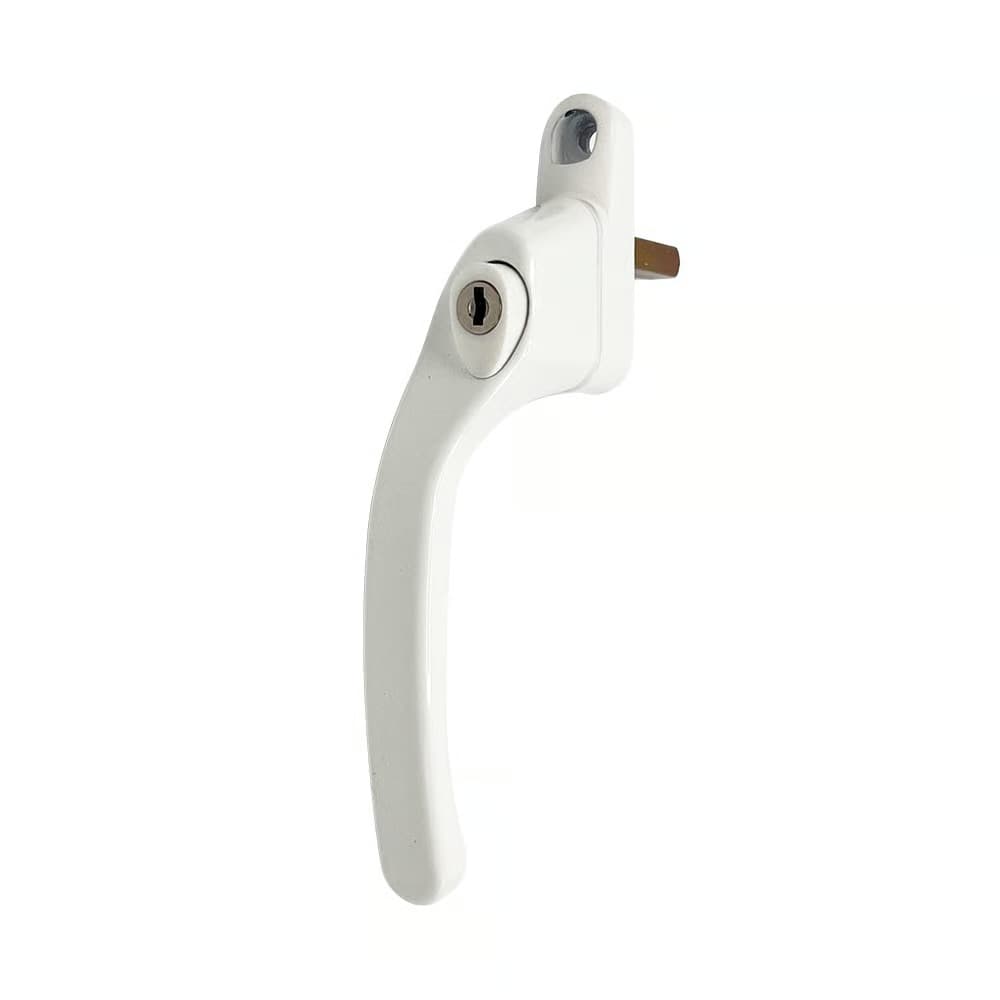
For a secure espag option, the TSS Cockspur Window Handles is suitable for residential and light-commercial installations. For retrofit of older frames, the TSS Cockspur Window Handle provides a traditional fixing pattern and straightforward replacement. For a durable, widely specified lever-style product, the TSS Offset UPVC Window Handles offers a robust locking mechanism.
Measuring for the correct replacement
Accurate measurements avoid returns and fitting delays. Key dimensions to record:
- Backset / spindle length: distance from the face of the handle spigot to the centre of the fixing hole or mechanism. Use a vernier or steel rule.
- Centres: distance between screw holes (measured between centres).
- Spindle size and shape: square spindles are common; note width (commonly 7mm or 8mm).
- Spindle engagement depth: how far the spindle must enter the locking mechanism to operate the gear.
- Handle projection and clearance: ensure the new handle will not foul curtains, tiles or adjacent frames.
Choosing a locking handle for security
Replacement double glazed window handles with an integrated lock significantly improve security by resisting unauthorised operation. Look for handles with the following attributes:
- 3 or 5 pin cylinder lock or multi-point locking option for added pick-resistance.
- Auto-locking mechanism where practical: some models automatically lock when closed, reducing reliance on occupants.
- Steel or reinforced internal components rather than plastic to resist shear and torque.
- Sold-separately key type standardisation across a property can be advantageous for maintenance.
Practical fitting advice
Preparation and correct tools reduce damage and make the job quicker:
- Tools required: cross-head and flat-head screwdrivers, Allen keys (for grub screws), measuring tool, power drill (with low torque), replacement screws that match the frame material, masking tape, and lubricant.
- Turn the locking mechanism to the fully locked or unlocked position to expose screw heads and ensure spindle alignment.
- Remove the old handle by releasing set screws, unscrewing mounting screws and gently levering off the handle to avoid damaging the backplate. Retain any non-standard fixings for reference.
- Test-fit the new handle without tightening to confirm spindle engagement and screw positions align.
- Use stainless steel screws for external-facing installations to resist corrosion. Do not over-tighten screws; this can strip threads in PVCu frames.
- If the new handle’s spindle is too long, file it down incrementally rather than forcing the handle into position.
Adjustment and troubleshooting
Common problems and remedies:
- Handle is stiff: check for foreign debris in the espag mechanism, apply a light silicone spray to moving parts, and ensure the window is square in its frame.
- Handle droops or feels loose: replace stripped screws or use frame-specific shorter screws; inspect and replace worn grub screws.
- Handle does not operate the locking mechanism: verify spindle length and orientation (turning the spindle 90 degrees may be required), and check for seized espag gear or a misaligned sash.
- Condensation-related corrosion: replace affected components with corrosion-resistant alternatives and improve ventilation.
Matching finishes and accessibility
Choose a finish that matches existing ironmongery—white, chrome, satin chrome, black and bronze are common. For accessible design, select handles that sit comfortably in the hand and have an anti-slam or slow-close feature where available. Consider non-handed or reversible handles when stocking for multiple projects.
Maintenance for longevity
A scheduled maintenance routine extends product life:
- Clean handles with a mild detergent and soft cloth; avoid abrasive cleaners and bleach.
- Lubricate moving parts annually with a silicone-based lubricant; oil can attract dirt and gum up mechanisms.
- Check and tighten fixings periodically, especially on frequently used windows.
- Replace keys and locks at first sign of sticking to avoid damaging the cylinder.
When replacement is the right option
Handle replacement is cost-effective when the sash and glazing are sound but the hardware is worn, broken, or lacks a lock. Replacement is also appropriate for upgrading security without the expense of new frames. Full replacement of the espag mechanism or the window is recommended when there is structural failure, excessive draughts, or persistent water ingress.
Replacement double glazed window handles deliver an immediate improvement in security, operation and appearance when selected and installed correctly. Tradespeople benefit from measuring accurately, keeping common stock of spindle sizes and finishes, and following best-practice fitting techniques. Homeowners achieve enhanced safety and smoother operation with a modest investment and routine maintenance.
Related Reading
Explore more guides on related topics:
Part of our guide:
Complete Guide to Window Handles