New Window Handles: Quick Installation Guide
Replacing or upgrading window hardware is a cost-effective way to improve function, appearance and security. This guide explains how to choose, measure and fit new window handles for uPVC, timber and aluminium frames, plus compatible components to consider.
New window handles can:
Restore smooth operation if existing handles are stiff or loose.
Improve security by using modern, high-security options.
Match updated interior styling.
Replace worn or broken parts to prevent drafts and water ingress.
Whether you need a simple cosmetic refresh or a security upgrade, selecting the right handle and related parts is essential.
Espagnolette and espag handles
Espag (espagnolette) handles commonly fit casement and some tilt-and-turn windows. Look for products such as the
Avocet Slimline Offset Window Espag when you need a slim, offset solution that pairs with a multi-point locking mechanism.
Cockspur handles
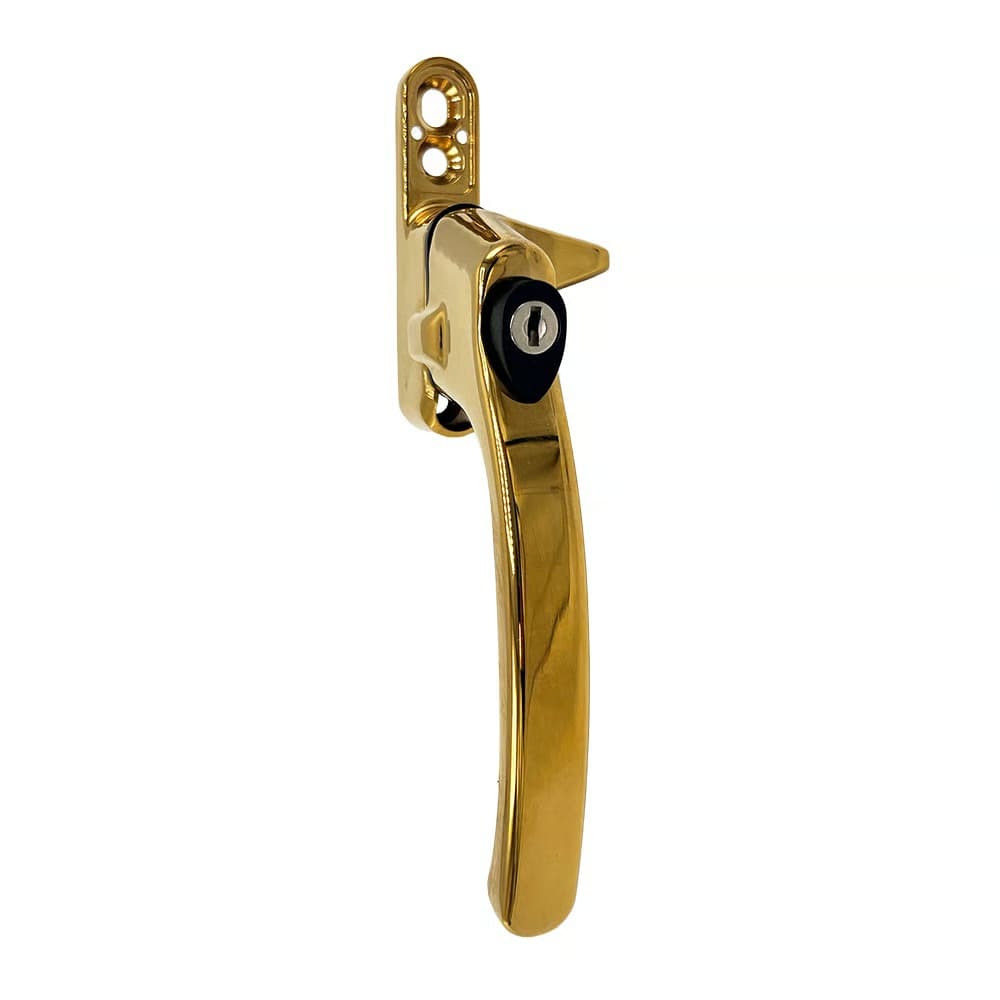
Cockspur handles are surface-mounted and often used on older uPVC and aluminium windows. They are simple to fit and replace; see the
TSS Cockspur Window Handles.
Offset uPVC handles
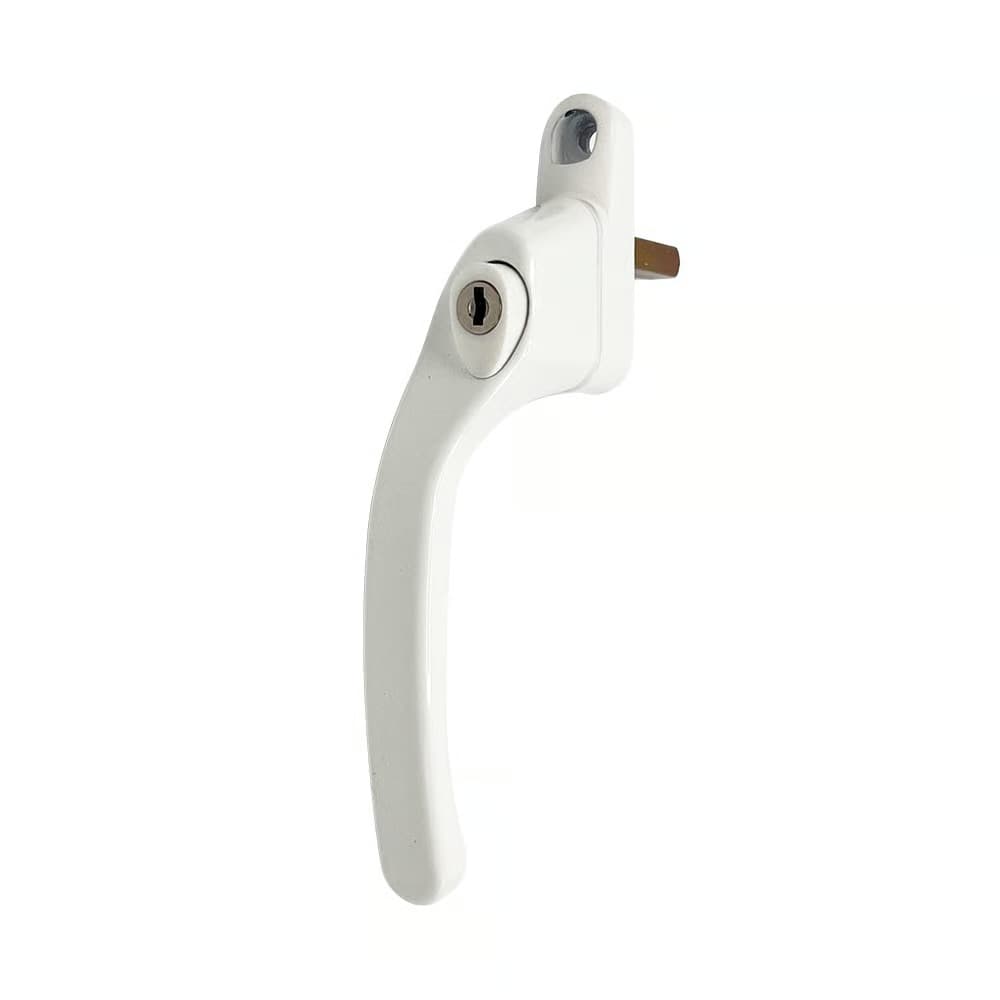
Offset handles suit uPVC windows with specific spindle offsets. The
TSS Offset uPVC Window Handles are a direct replacement option for many manufacturers.
Thumb-turn cylinders
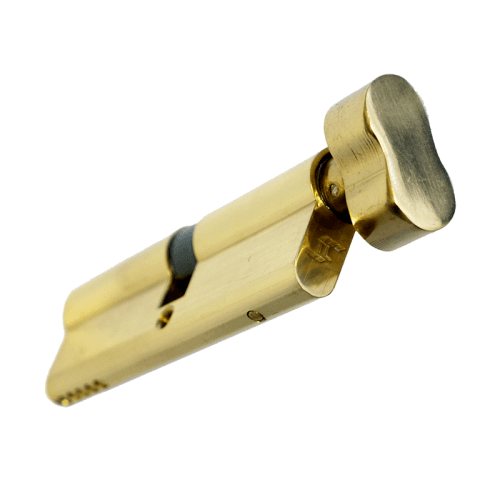
For windows that need quick, internal locking without a key, consider a thumb-turn cylinder such as the
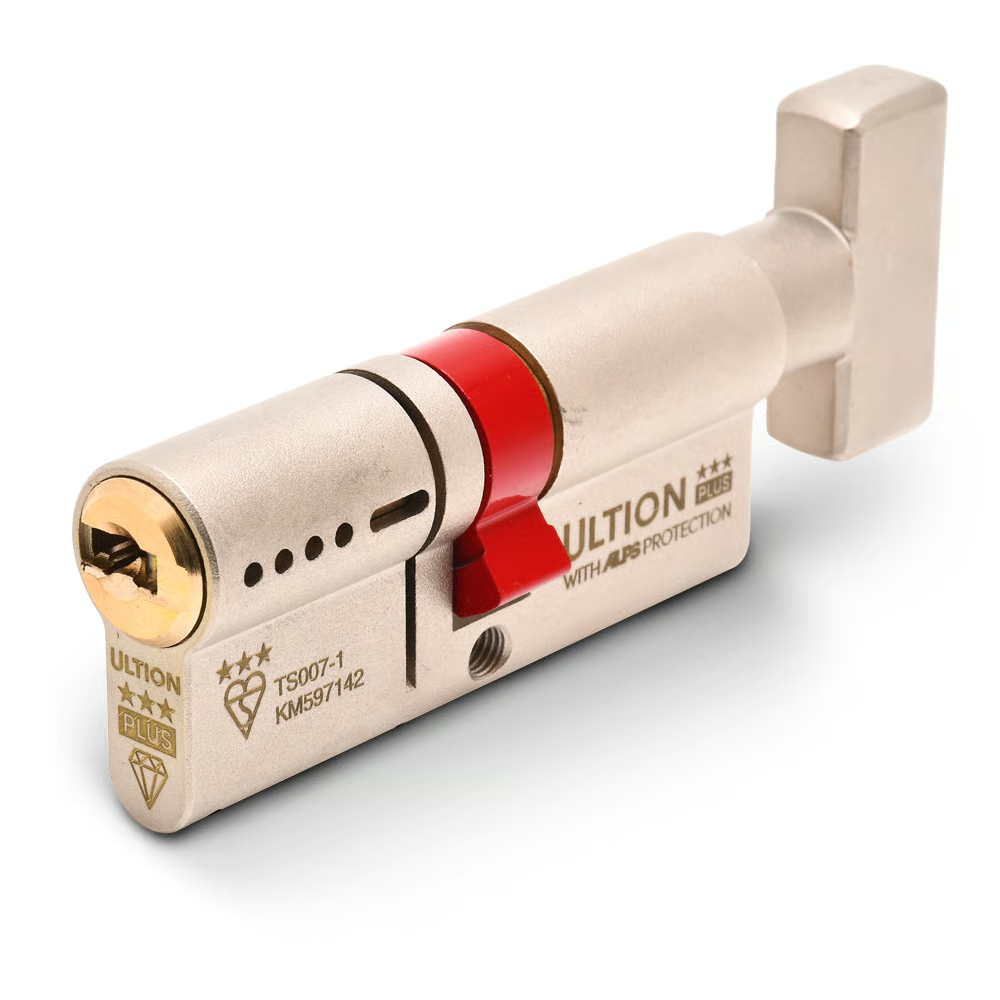
TL Thumb Turn Euro Cylinder. For higher security, choose a kitemarked option like the
Ultion Plus TS007 3* Kitemarked Euro Key & Turn Cylinder.
Replacing handles is a good opportunity to inspect and, if necessary, replace related components:
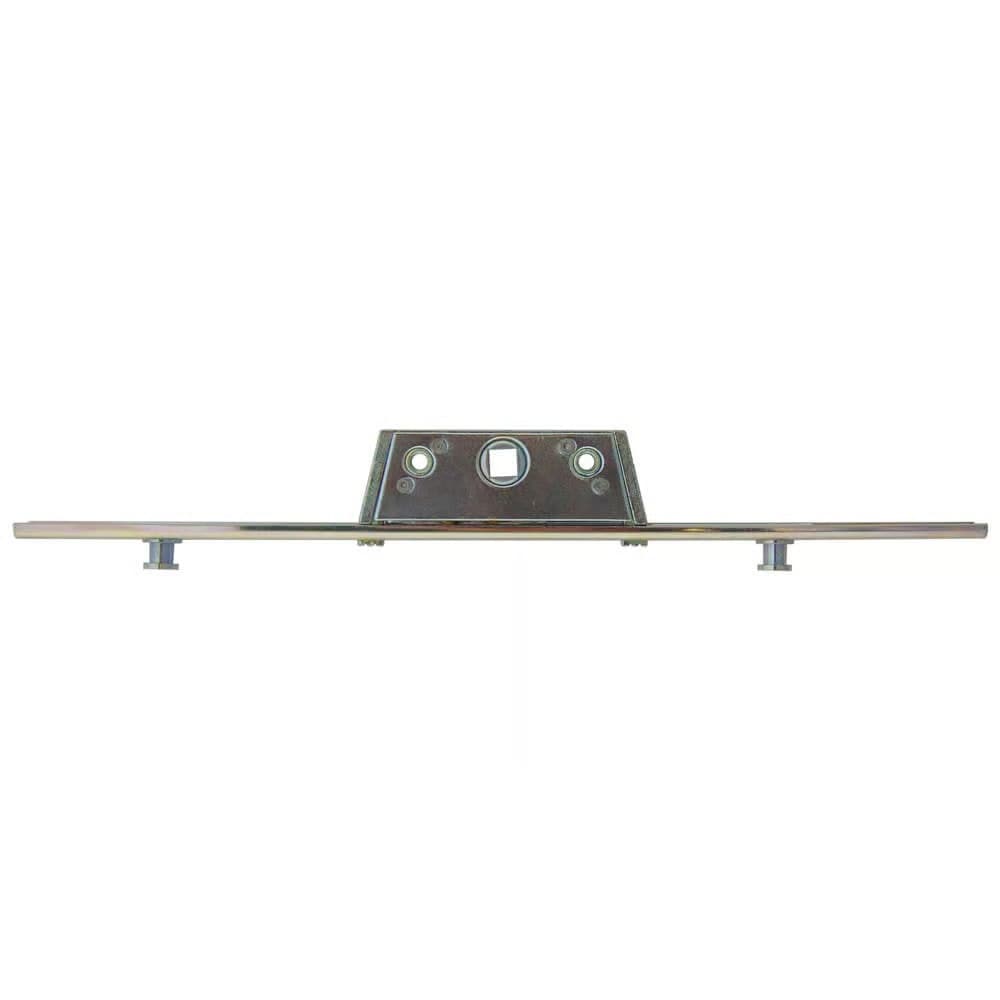
Locking mechanisms: Ensure the handle matches the locking gear; see the In-Line Window Mechanism for compatible systems.
Hinges: Top-hung or side-hung hinges must be in good condition for the handle to operate correctly; check the Top-Hung Window Hinge - Standard if you need replacements.
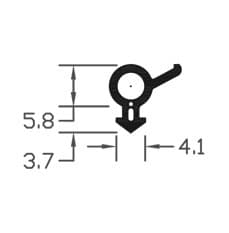
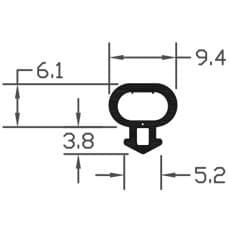
Gaskets: Worn seals can cause drafts even when handles and locks work; the B003 Bubble Gasket and B004 Bubble Gasket are common options.
Door hinges for adjacent doors: In some cases, aligning door and window hardware improves overall fit; consider Flag Door Hinge - Stainless Steel for consistency.
Identify the handle style and operating type (espag, cockspur, offset, or other).
Measure the spindle length and offset. Many uPVC handles require a particular offset and spindle size.
Check the fixing centres: the distance between screw holes can differ between manufacturers.
Confirm compatibility with the locking mechanism or euro cylinder if relevant.
Choose the finish and ergonomics that suit your property and users.
Practical tip: take the old handle to a specialist or photograph it alongside clear measurements to reduce the chance of purchasing the wrong item.
Accurate measurement avoids returns:
Spindle length: Remove the handle and measure the square spindle from the base of the handle to the end. If the handle is recessed, measure from the face of the handle rose.
Spindle thickness: Typically 7mm for modern uPVC handles, but check with calipers if possible.
Backset or offset: Measure the distance from the window frame face to the centre of the spindle hole.
Screw centres: Measure the distance between the fixing screws on the rose or backplate.
Handle projection: Consider how far the handle projects into the room to avoid clashes with curtains or furniture.
If you plan to fit a euro cylinder or thumb-turn, measure the cylinder length across the door or frame and ensure any replacement cylinder is kitemarked if required for insurance.
Tools you will need: screwdriver set, tape measure, Allen keys, and possibly replacement screws.
Open the window and support the sash if necessary.
Remove the old handle: usually two screws on the rose or backplate; withdraw the spindle.
Check the mechanism behind the handle for wear or debris; clean or replace if needed.
Insert the new spindle and test engagement with the locking mechanism before tightening fixings.
Align the handle rose or backplate and fix with the supplied screws. Avoid overtightening to prevent cracking uPVC or timber.
Test operation: open, close and lock the window several times to ensure smooth operation.
If fitting a thumb-turn or euro cylinder, follow manufacturer’s instructions and ensure the cylinder is centred and secured.
Safety note: for windows above ground level, ensure the work area is secure and consider someone to assist. If you are uncertain about structural or security implications, consult a professional.
Upgrade to 3-star kitemarked cylinders such as the Ultion Plus TS007 for better resistance to snapping and picking.
Ensure handles that incorporate locking mechanisms are compatible with your multi-point system; an incompatible handle may reduce security.
Consider keyed handles where external access is possible, and thumb-turns for internal quick egress.
Clean handles with mild detergent; avoid abrasive cleaners that can strip finishes.
Lubricate locking mechanisms annually with a dry PTFE spray; avoid heavy oils that attract dust.
Tighten fixings periodically; loose screws can wear the mechanism.
Replace worn gaskets such as the B003 Bubble Gasket or B004 Bubble Gasket to maintain seals.
If the locking mechanism is damaged or the handle won’t engage the gearbox correctly.
If the window is out of square and requires hinge or frame adjustments; a fitter may recommend parts like the Top-Hung Window Hinge - Standard.
Where property security must meet insurance standards and certification is required.
For a modern uPVC casement: TSS Offset uPVC Window Handles with an appropriate euro cylinder.
For enhanced security on accessible windows: a kitemarked cylinder like the Ultion Plus TS007 paired with a robust espag handle such as the Avocet Slimline Offset Window Espag.
For older frames where surface mounting is preferred: TSS Cockspur Window Handles and renewed gaskets.
Explore more guides on related topics:
Installing new window handles is a straightforward upgrade that improves operation, appearance and security. Measure carefully, choose components that match your locking gear, and replace worn ancillary parts such as gaskets and hinges when needed. For higher security, opt for kitemarked cylinders and compatibility-checked handles; otherwise, simple replacements often restore full function quickly and affordably.
For specific parts and compatibility questions, consult product pages such as:
In-Line Window Mechanism
Top-Hung Window Hinge - Standard
B003 Bubble Gasket
TL Thumb Turn Euro Cylinder
TSS Cockspur Window Handles
Avocet Slimline Offset Window Espag
Flag Door Hinge - Stainless Steel
TSS Offset UPVC Window Handles
B004 Bubble Gasket
Ultion Plus TS007 3* Kitemarked Euro Key & Turn Cylinder
If you need help identifying the right new window handles for your windows, send photos and measurements and we can guide you to the best replacement options.