Tilt and Turn Handle Security Features: What to Look For
Introduction Choosing the right tilt and turn handle is crucial for security, usability and longevity of modern windows. For installers and savvy DIY enthusiasts, understanding the security features ...
Introduction
Choosing the right tilt and turn handle is crucial for security, usability and longevity of modern windows. For installers and savvy DIY enthusiasts, understanding the security features to look for reduces callbacks and improves compliance with building regulations. This guide explains the key security aspects of a tilt and turn handle, how to assess components on site, and practical installation tips that matter to tradespeople and homeowners alike.
Why handle security matters for tilt and turn windows
The tilt and turn handle is more than a control: it is a primary security interface between the user and the locking mechanism. A poor-quality tilt and turn handle can compromise multi-point locking, create weak points for forced entry, and cause premature wear. For commercial installers and residential fitters, specifying the correct handle reduces liability and avoids nuisance visits for replacements.
- Prevents unwanted access: a robust handle with secure spindle and locking features resists manipulation.
- Protects hardware: compatible handles reduce stress on gearboxes and keeps.
- Improves compliance: certain handle features help meet PAS 24 and Secured by Design recommendations.
Key mechanical features to check
When assessing a tilt and turn handle, examine the mechanical details that determine strength and durability. These are the practical checks you should perform on the job.
- Spindle type and size: choose handles with hardened steel spindles of the correct length and 7 mm square or specified alternative; avoid thin or hollow spindles that can shear under force.
- Fixing method: prefer handles with rear-fix or through-spindle screws that clamp firmly into the gearbox; pressed-fit or loose fixings lead to wobble and wear.
- Construction material: die-cast zinc or aluminium bodies are common; for higher security specify reinforced or stainless components for coastal or high-use installations.
- Return mechanism: look for positive return springs that keep the handle in defined positions; weak springs allow handle sag and may disengage locks.
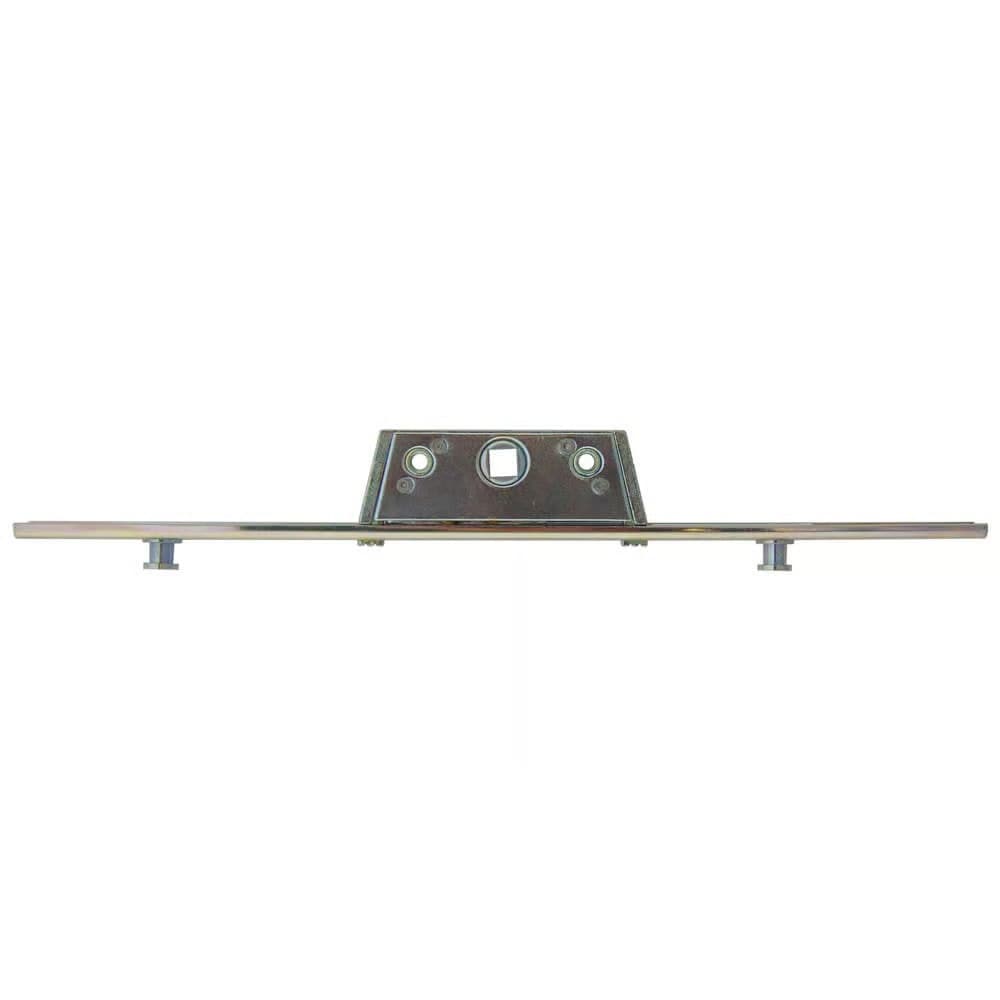
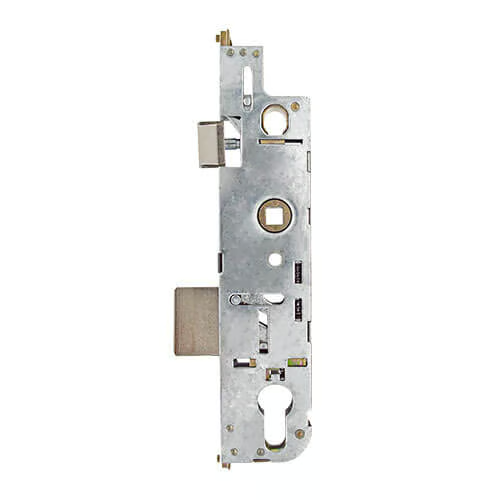
- Gearbox compatibility: ensure the handle’s gearbox interface matches the hardware system to prevent incorrect engagement and stress on keeps and rollers.
Security locking options and features
Modern tilt and turn handles include a range of locking options. Knowing the difference allows you to recommend appropriate security levels to clients.
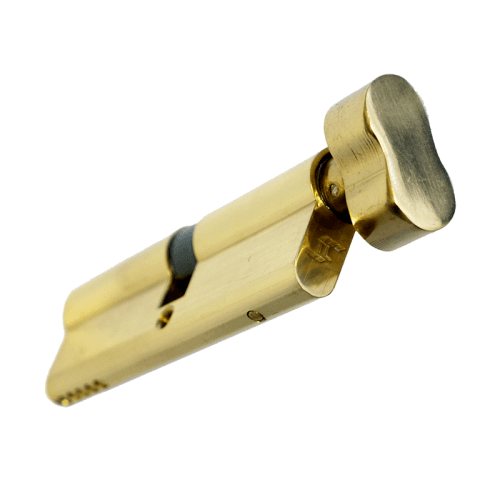
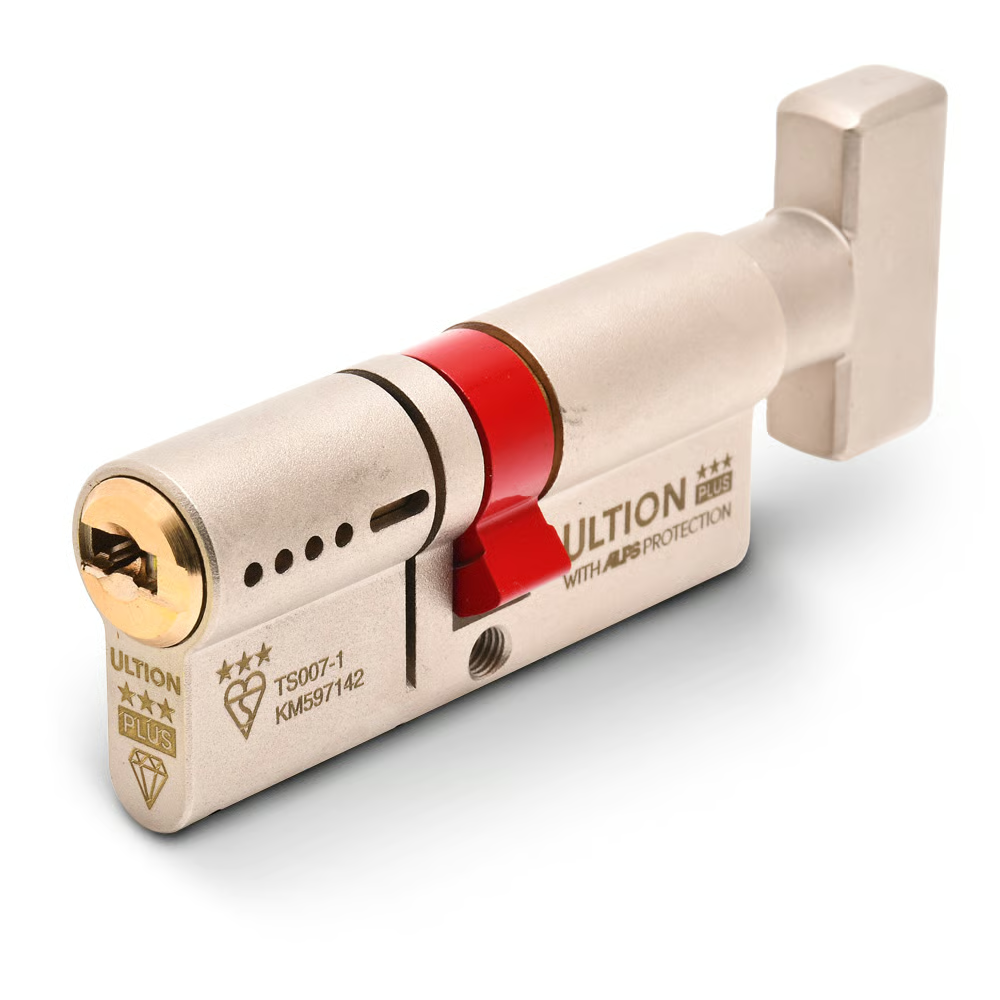
- Key-locking handles: a keyed cylinder in the handle locks the spindle and prevents operation; useful on ground-floor and accessible windows.
- Push-button locks: convenient for everyday use; check for positive engagement and tamper resistance to prevent brute force opening.
- Child-safety catches: restrict the handle movement to tilt-only positions; good for homes and care settings where fall prevention is required.
- Multi-point integrated locking: some handles lock multiple points when turned; ensure the handle rating matches the window’s locking system.
Security standards, testing and certification
Tradespeople should specify handles with relevant test evidence. Certification gives confidence to customers and eases building control checks.
- BS EN 13126: look for handle performance and endurance tests relevant to tilt and turn handles.
- PAS 24 and Secured by Design: although handles are only part of the solution, choosing certified components assists whole-window compliance.
- Corrosion ratings: check BS EN ISO 9227 salt spray test results for coastal installations.
- Manufacturer test reports: for high-risk locations request evidence of torque resistance and anti-snap performance.
Practical installation tips to maximise security
Even the best tilt and turn handle will underperform if installed incorrectly. Follow these practical tips on site to ensure long-term security and smooth operation.
- Check spindle alignment: ensure the spindle is square to the gearbox and not at an angle; misalignment creates uneven wear.
- Tighten fixings to the correct torque: use recommended torque values; over-tightening can distort the handle, under-tightening allows movement.
- Use the correct spindle length: cut or replace spindle to avoid excessive projection or shortfall; projectors increase vulnerability to levering.
- Fit anti-shear protection: where specified, fit shear-protection collars or hardened sleeves to the spindle to resist attack.
- Coordinate with keeps and hinges: the handle must operate within a properly adjusted hardware system; poor keep alignment can overload the handle.
- Apply corrosion protection: in coastal or industrial environments use handles with protective finishes and service schedules for lubrication and checks.
Selecting the right handle for different projects
Match the handle to the building use and client expectations. Consider these trade-focussed recommendations when specifying or advising customers.
- Ground-floor homes: recommend key-locking or certified handles with high torque resistance and anti-snap features.
- Upper-floor apartments: choose child-safety or restrictor options where fall risk is a concern; consider non-keyed handles for fire escape routes where authorised egress is needed.
- Commercial properties: opt for robust, high-cycle handles with proven endurance and the appropriate certified security level.
- Renovations and retrofits: ensure replacement handles match existing spindle sizes and gearbox types; if upgrading security, check whole-system compatibility.
Conclusion
For tradespeople and DIY enthusiasts the tilt and turn handle is a critical component of window security and functionality. Assess spindle strength, fixing method, locking options and certification to make informed choices. Correct installation and compatibility with the rest of the hardware are equally important. Specifying the right tilt and turn handle reduces risk, increases customer satisfaction and helps meet regulatory expectations; take the time to check the details on site and you will avoid common failures and future call-outs.
Recommended Products
Based on this article, you may find these products helpful:
Part of our guide:
Complete Guide to Window Handles