Fitting a Cockspur Handle: Trade Tips for Window Fitters
Fitting a cockspur handle is a common task for window fitters and experienced DIYers. Whether you're replacing a worn handle on a timber frame or installing the first handle on an older casement, unde...
Fitting a cockspur handle is a common task for window fitters and experienced DIYers. Whether you're replacing a worn handle on a timber frame or installing the first handle on an older casement, understanding the correct method ensures a secure, smooth-operating window and a tidy finish. This guide covers selecting the right cockspur handle, preparing the window, fitting step by step, adjustments and common faults, plus maintenance tips from trade experience.
What is a cockspur handle and when to use one
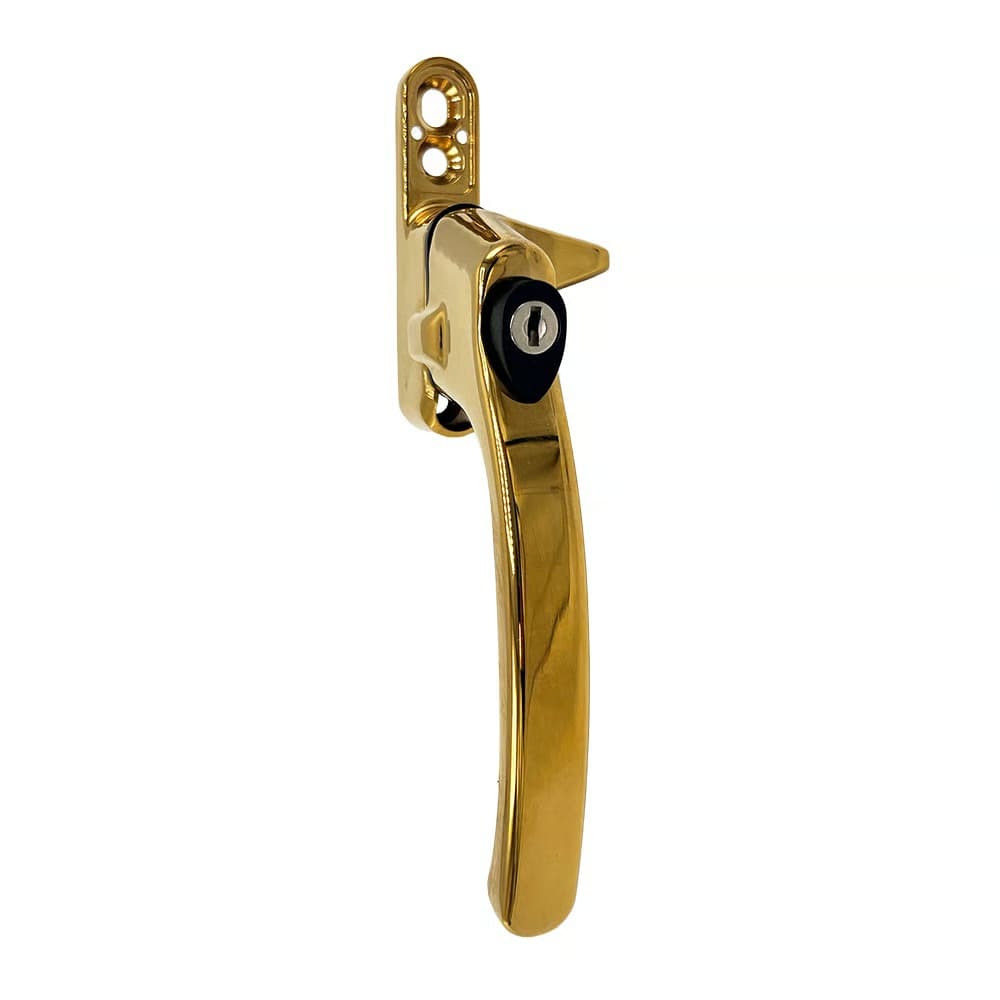
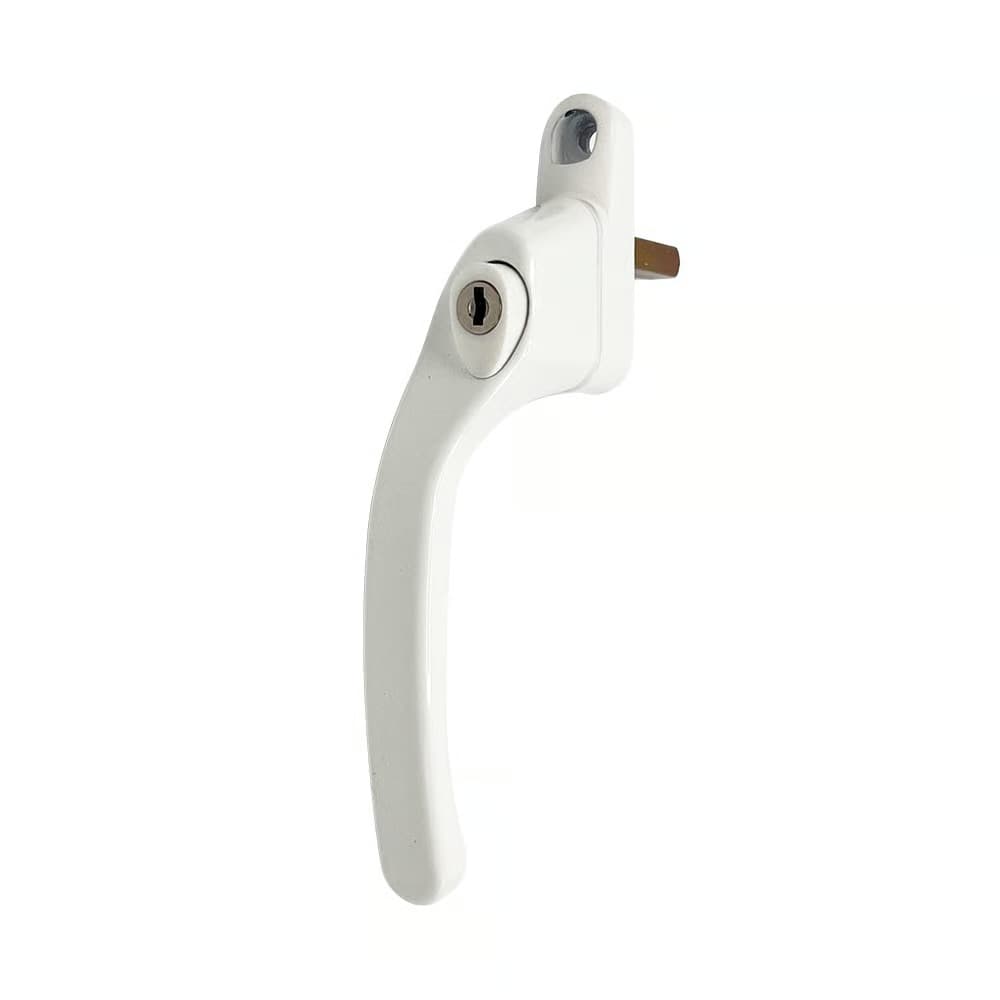
A cockspur handle is a traditional surface-mounted window handle that secures casement windows by pressing a spigot or backplate against the frame when closed. These handles are widely used on timber and metal windows and remain popular for their simplicity and low cost. Use a cockspur handle when the window has one-piece keep plates on the frame rather than a multipoint locking system; they are ideal for secondary rooms, non-secure openings, and heritage projects where original hardware is retained.
Choosing the right cockspur handle
Selecting the correct cockspur handle matters for fit, security and longevity. Consider the following:
- Material and finish: aluminium or zamak alloy for corrosion resistance; choose a finish to match hinges and furniture.
- Spindle length and type: ensure the spindle or fixing system matches the window’s existing bosses or backplate.
- Kits with keeps: some cockspur handle sets include anti-lift or reinforced keeps for better security.
- Handing and orientation: confirm left or right-handed configuration; many handles are reversible, but check before ordering.
- Locks and keys: if extra security is needed, pick a locking cockspur handle; note these require accurate keep alignment.
As a rule: measure existing handle centres and note screw positions before buying. If you are replacing an old handle, take it with you or photograph it; this makes match-up easier.
Tools and materials you will need
Prepare the right trade tools to make the job quick and professional:
- Straight and Phillips screwdrivers
- Torque-controlled cordless driver or clutch-set drill
- 3mm and 2.5mm drill bits for pilot holes
- Spirit level and ruler or tape
- Centre punch or bradawl for timber
- Replacement screws supplied with handle or corrosion-resistant alternatives
- Touch-up paint or finish for timber around screw heads
Step-by-step fitting: tradesperson method
Follow these steps for a tidy and robust installation of a cockspur handle:
- Remove the old handle: open the casement and unscrew the handle screws; keep any old washers or packing to check for wear.
- Clean the area: remove old paint and debris from the fixing area so the new backplate sits flat.
- Check alignment: close the window and mark the position of the keep on the frame using the new handle as a template; a small pencil mark helps locate pilot holes.
- Pilot holes: for timber, use a bradawl or small drill bit through the pilot mark to prevent splitting; for metal frames, choose the correct metal drill bit and use cutting fluid if appropriate.
- Fit the handle: offer up the handle, insert screws and run down gently using a torque-controlled driver set low to avoid stripping timber or threading metal.
- Fit the keep: position the keep plate so the spur meets the keep when closed; check engagement and allow a small clearance to avoid binding. Secure the keep with suitable screws.
- Test operation: open and close the window several times; if the cockspur handle binds or leaves a gap, adjust the keep slightly until the engagement is firm and smooth.
- Seal and finish: if the screw holes are visible, countersink slightly and use small filler, or touch up paint for a neat finish.
Common problems and quick fixes
Tradespeople often encounter the same issues when fitting a cockspur handle. Here are common faults and how to resolve them:
- Handle loose after fitting: use slightly longer or thicker screws; ensure pilot holes are not oversized. Replace stripped timber with resin or plugs where necessary.
- Binding on closing: re-position the keep plate; a few millimetres up or down can eliminate binding. Check that the handle backplate sits square to the frame.
- Spur not catching securely: check for worn keep or spur; replace either component. Consider a keep with a raised lip for better engagement.
- Corrosion in coastal locations: use stainless fasteners and corrosion-resistant finishes on the handle; consider anodised aluminium options.
Adjustments, security upgrades and maintenance
For trade-standard installations remember these points:
- Security: a basic cockspur handle provides limited resistance to forced entry; upgrade to a locking cockspur handle or fit additional security bolts if required.
- Weather and movement: timber frames can swell; leave small clearance for seasonal movement so the handle does not jam. Periodic checks are good practise.
- Lubrication: apply a light silicone spray or graphite to moving parts annually; avoid heavy oils that attract dust.
- Spare parts: keep a small stock of replacement keeps and screws on vans. Matching the finish is easier when you have samples to hand.
Fitting a cockspur handle is straightforward when you have the right measurements, tools and a methodical approach. For tradespeople, the priority is a secure, repeatable fit that will withstand daily use; for DIY enthusiasts, attention to pilot holes and alignment will deliver a professional result. If you need further advice on matching handles to particular window types or upgrading for security, contact your supplier or consult detailed product specifications on the relevant guide pages.
Conclusion: Take your time to measure accurately, use appropriate fixings and test the engagement of the cockspur handle before finishing. With these trade tips you will achieve a neat, durable installation whether you are working on a single window or fitting across a whole property.
Recommended Products
Based on this article, you may find these products helpful:
Part of our guide:
Complete Guide to Window Handles