How to Identify Your Window Handle Type and Brand
Identifying the correct window handle before ordering parts or starting a repair saves time, reduces waste and ensures a secure fit. Tradespeople and competent DIYers alike need to recognise the handl...
Identifying the correct window handle before ordering parts or starting a repair saves time, reduces waste and ensures a secure fit. Tradespeople and competent DIYers alike need to recognise the handle type, the locking mechanism and the manufacturer where possible. This guide explains practical steps to identify your window handle: from visual cues and measurements to brand markings and common replacements.
Why correct identification matters
Ordering the wrong window handle can mean a wasted day on site, incorrect fixation holes and a handle that fails to lock properly. Matching the handle style and spindle size also affects weatherproofing and security. For trade customers, correct identification reduces call-backs; for homeowners, it avoids unnecessary expense and frustration.
Common window handle types
Start by recognising the basic styles. Each style has distinctive features you can spot quickly on site.
- Casement handle: A single lever on a round or square rose; used on traditional outward-opening casements.
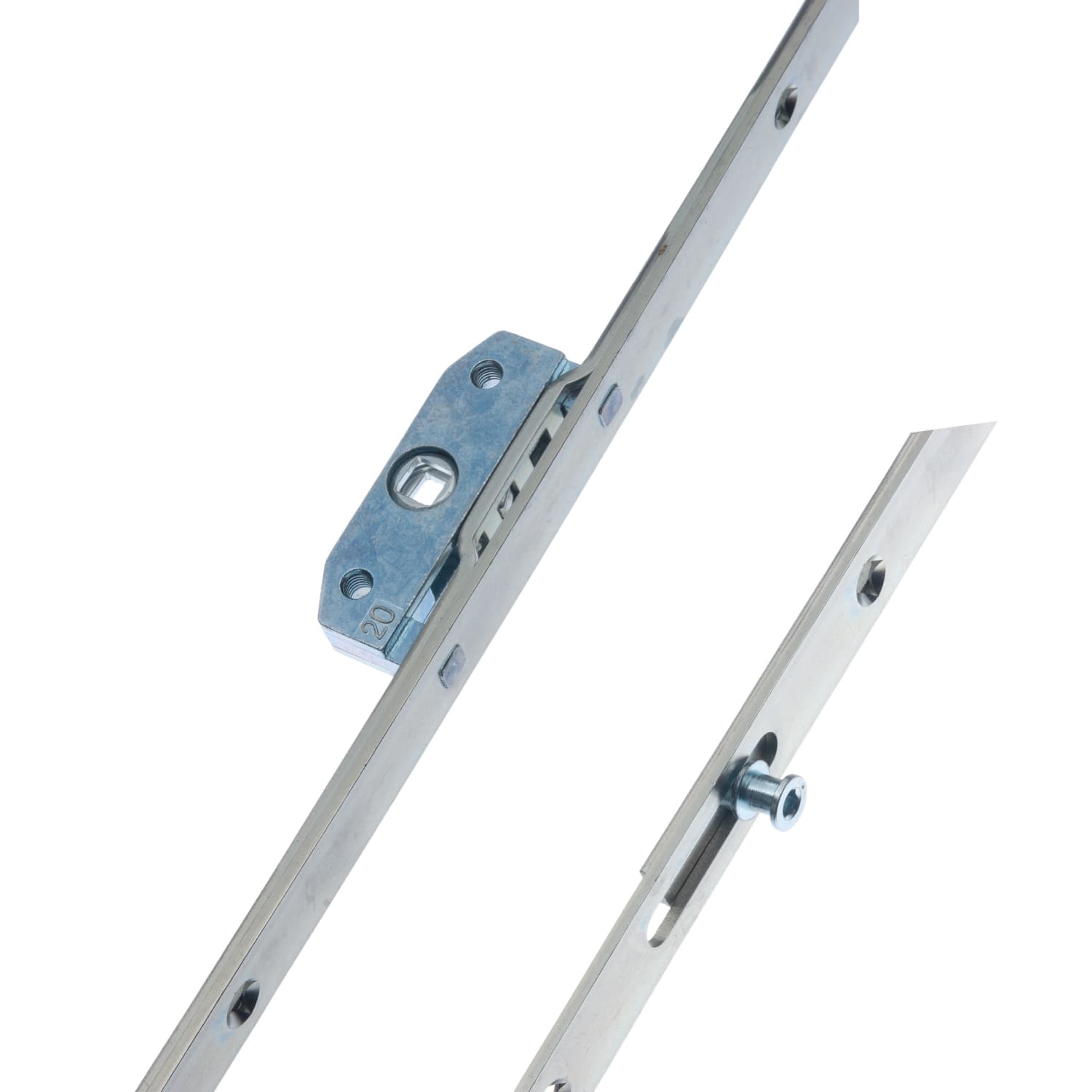
- Espagnolette handle: Operates a multi-point locking rod inside the frame; common on both timber and uPVC windows.
- Tilt-and-turn handle: A handle that turns to engage two different actions: tilting for ventilation and turning for full opening.
- Cranked handle: Offset spindle to clear furniture or deep frame; often used where the handle must sit away from the glass.
- Monkey tail / pear drop: Decorative lever handles often found in heritage or period properties.
- Dummy handle: Decorative only, no spindle; used on fixed sashes or where locking is elsewhere.
Step-by-step identification process
Follow these steps on site. Keep a notebook and camera; photographs help when ordering replacements or seeking manufacturer support.
- Visual inspection: Note whether the handle turns a spindle, pulls a latch, or operates a multi-point lock. Count the number of operations: single action, dual action, etc.
- Look for markings: Remove the handle rose or backplate if possible; many manufacturers stamp a code or logo on the back of the handle, boss or spindle area.
- Measure the spindle: Use a calliper or rule. Common spindle sizes are 7mm, 8mm, 8.2mm or 9mm square; measure both cross-section and length from the face of the handle to end of the spindle.
- Check fixing centres: Measure the distance between screw holes on the rose or backplate; common centres are 43mm and 60mm for replacement roses and backplates.
- Identify backset and rose diameter: Backset is the distance from the face of the handle to the centre line of the spindle or key; rose diameters vary and affect cover plate choices.
- Note the operation direction: Does turning the handle clockwise lock or unlock? Which position is closed versus open? This matters for reversible handles and handed styles.
How to identify brand and locking systems
Brand identification helps match finishes and guarantees compatibility with locks and keeps. Look for these clues:
- Stamped logos or part numbers under the rose or on the spindle; common trade brands include Hoppe, Yale, Roto, Maco and GU but not all handles are branded.
- Unique spindle profiles: Some manufacturers use proprietary spindles or bores; if the spindle is shaped or has a cam, photograph it and check with supplier catalogues.
- Multi-point locking gear: The type of espagnolette rod and its fixings can indicate the lock supplier; access the edge of the sash and note fastener shapes and positions.
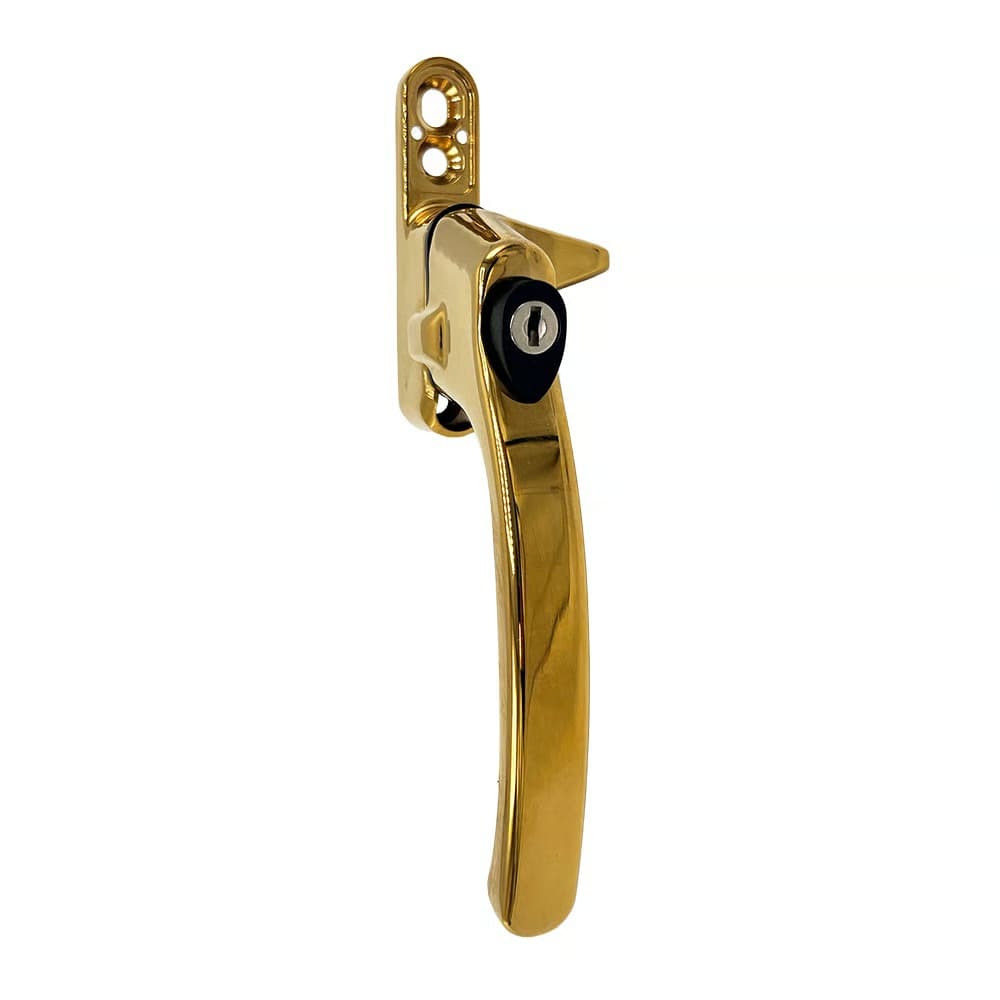
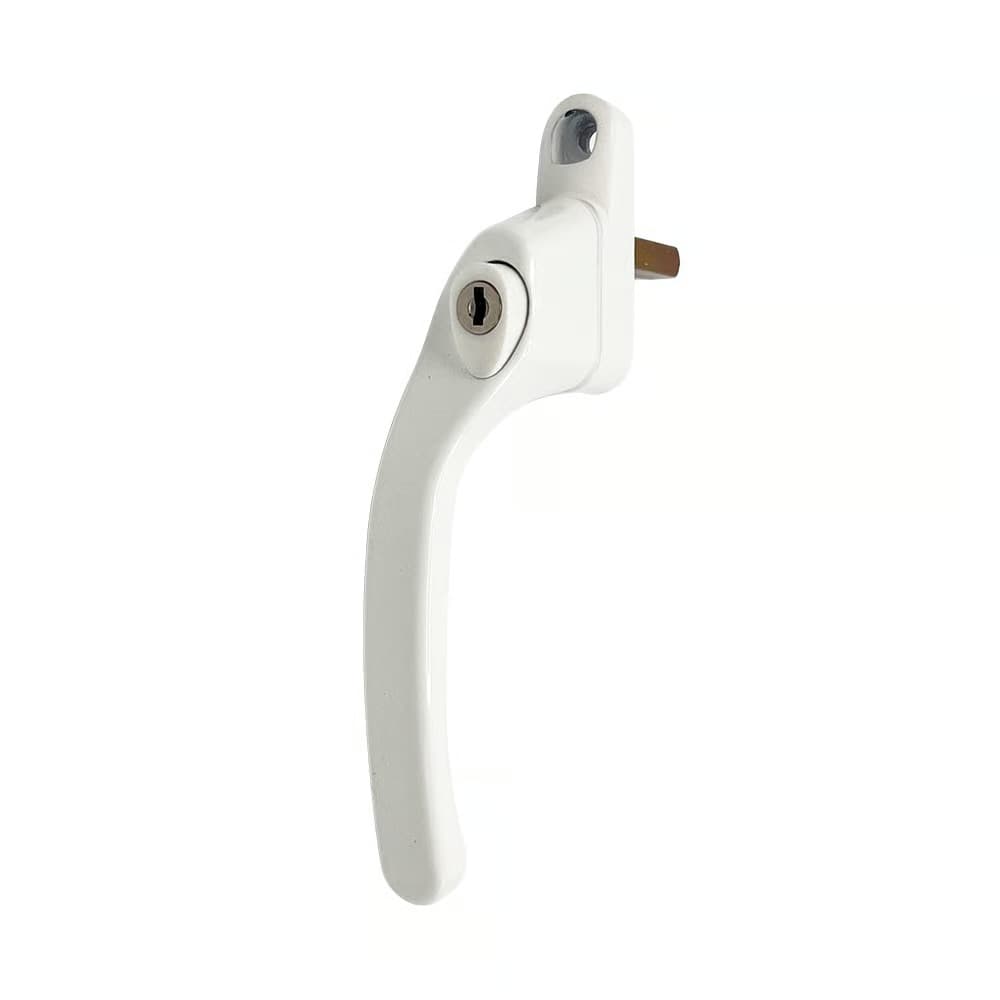
- Keyed systems: If the handle includes a cylinder, measure the cylinder type and note keyway shape; this will often point to the lock brand rather than the handle maker.
Practical tips for replacement and ordering
When you have measurements and photos, follow these practical steps to ensure the new window handle fits correctly:
- Match spindle size first: This is the most common cause of misfit. Order by exact square size and length where possible.
- Match fixing centres and rose diameter: A different backplate may cover old screw holes but check for aesthetic and functional conflicts.
- Check handedness: Some handles are handed; confirm whether you need a left or right hand handle by looking from inside the room towards the window.
- Consider security upgrades: If the existing handle is non-locking, fit a locking handle with a cylinder or key; ensure the new handle meets the same engagement with the espagnolette gear.
- Order a spare: For trade work keep common spindle sizes and a selection of roses in your van to enable same-visit replacement.
Installation and safety reminders
Installing a replacement window handle is straightforward for experienced installers, but observe these points:
- Turn off any multipoint locking gear before removing the old handle; support the sash to prevent accidental movement.
- Use correct torque on screws; overtightening can distort the rose and cause binding of the spindle inside the gearbox.
- Test full operation several times: open, close and lock; check that keeps and keeps screws align with the locking points.
- For keyed handles, ensure the cylinder operates smoothly and that you have any necessary key codes or duplicates available.
Identifying the correct window handle requires a methodical approach: recognise the style, measure the spindle and fixing centres, look for manufacturer marks and note the operation and locking type. Tradespeople benefit from keeping a small kit of common spindles and roses; homeowners will save time and money by providing clear photos and measurements when ordering replacements.
Correct identification leads to faster installations, fewer call-backs and improved security and performance for your windows. If in doubt, take clear photographs of the handle front, the underside and the spindle, record measurements and consult a specialist supplier who can match parts from the details you provide.
Related Reading
Explore more guides on related topics:
Recommended Products
Based on this article, you may find these products helpful:
Part of our guide:
Complete Guide to Window Handles