Why Is My Cockspur Handle Not Locking? Troubleshooting Tips
Many tradespeople and DIY enthusiasts encounter a common issue: a cockspur handle not locking. Whether you fit windows every day or you are fixing a single sash, a non-locking cockspur handle causes f...
Many tradespeople and DIY enthusiasts encounter a common issue: a cockspur handle not locking. Whether you fit windows every day or you are fixing a single sash, a non-locking cockspur handle causes frustration and compromises security. This guide explains likely causes, diagnostic steps, and practical fixes so you can restore safe, reliable operation quickly.
How cockspur handles work: quick overview
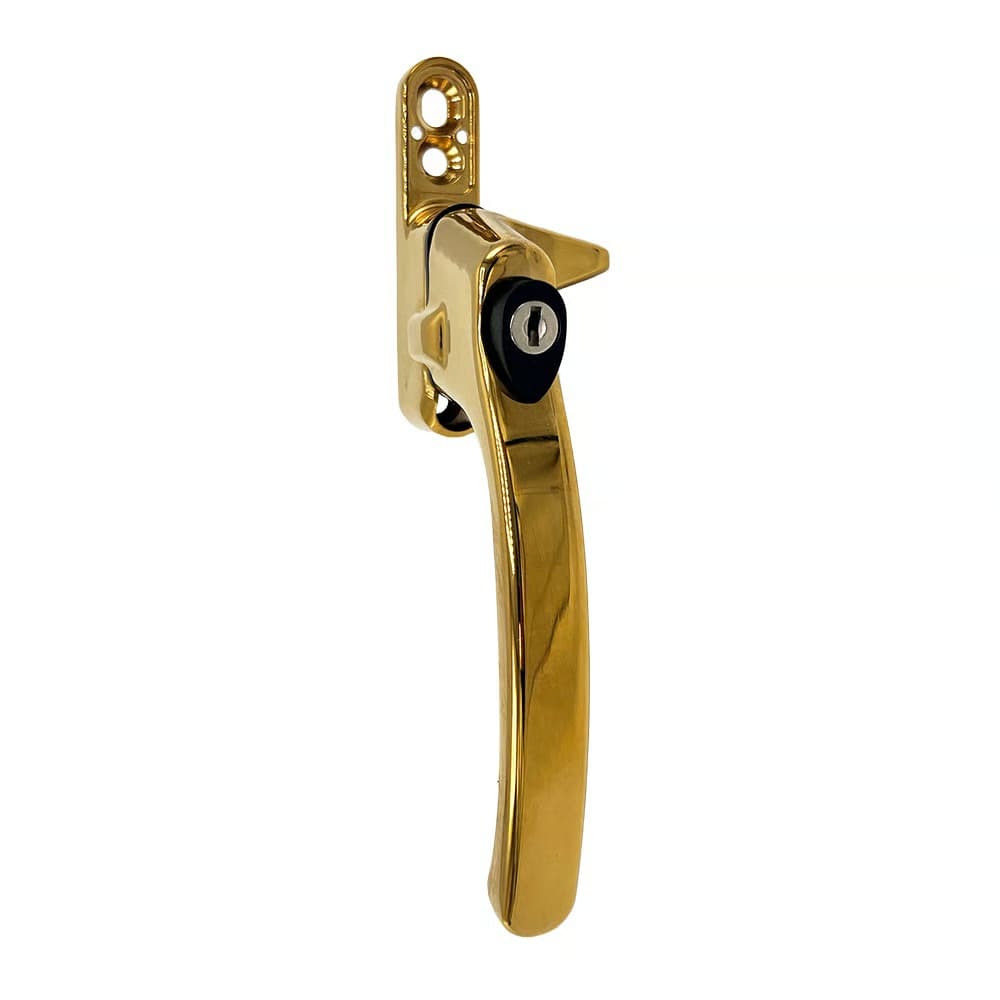
Understanding the mechanism makes troubleshooting faster. A cockspur handle is a surface-mounted handle that operates a shootbolt or engages with a keeps and striker plate. Typical cockspur handle components include the handle spindle, fixing screws, the foot or spur that bears on the frame, and sometimes an integral lock with a cylinder. With this in mind, a cockspur handle not locking can stem from mechanical wear, poor alignment, missing parts, or incorrect installation.
Common reasons a cockspur handle is not locking
Start with this checklist to identify obvious faults before disassembly:
- Misalignment: the handle engages the striker or keep at the wrong angle; the foot does not sit squarely on the frame.
- Worn or damaged foot/spur: the spur can wear or crack, preventing engagement.
- Loose or stripped fixing screws: the mechanism moves in the handle rose instead of operating the lock.
- Damaged spindle or mechanism: the square spindle or internal components may be bent, sheared or worn.
- Debris or paint build-up: paint, dust or old grease stops components seating correctly.
- Incorrect handle type: the handle may be for inward-opening windows while your application needs an outward-opening variant, or the locking orientation is wrong.
- Cylinder or key fault: if the handle has an integral lock, a seized or broken barrel will prevent locking.
Step-by-step troubleshooting process
Follow these steps on site to diagnose the cause systematically. Have basic tools ready: screwdriver, Allen keys, feeler gauge or gap tool, lubricant, replacement screws and a multimeter if checking an electric lock.
- Visual inspection: Check for visible damage to the handle, foot, spindle and frame keep. Note any paint or debris around the spur and striker plate.
- Operate the handle: With the window closed, move the handle through its range. Does it feel loose, stiff or does it move without engaging? A handle that turns freely usually indicates a stripped spindle or loose fixings.
- Tighten fixings: Carefully tighten the rose screws and any grub screws on the spindle. Avoid over-tightening screws that may be stripped or cross-threaded.
- Check alignment: Use a feeler gauge to ensure even contact between the spur and the frame. If the keep or striker is slightly misaligned, the handle may not lock even though the mechanism is fine.
- Remove the handle: Take off the handle to inspect the spindle and the lock mechanism. Look for bent or sheared spindles, missing springs, and worn teeth.
- Test the cylinder: If fitted, remove and test the cylinder separately; a seized barrel is often the culprit with keyed cockspur handles.
- Lubricate moving parts: Clean and apply a light lubricant to the spindle and striker area; avoid heavy greases that attract dirt.
Common repairs and when to replace parts
Many faults are repairable on site, but some situations require replacement parts or a new handle:
- Loose screws or misalignment: fix on site; replace stripped screws and adjust keeps.
- Worn spur or foot: replace the handle foot or the whole handle if parts are not available; many cockspur handles have manufacturer-specific feet.
- Damaged spindle: replace the spindle or the whole handle if the spindle is integral; ensure correct spindle length and square size (typically 8mm or 7mm on older fittings).
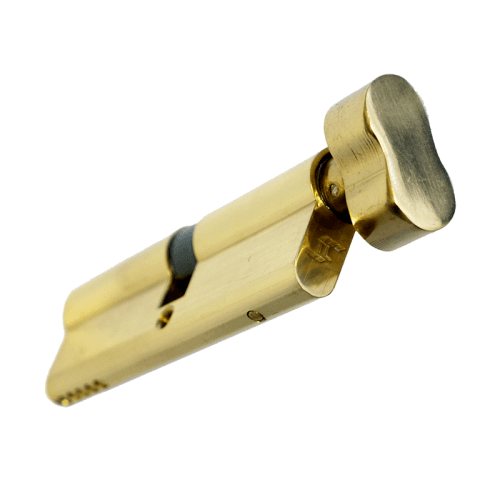
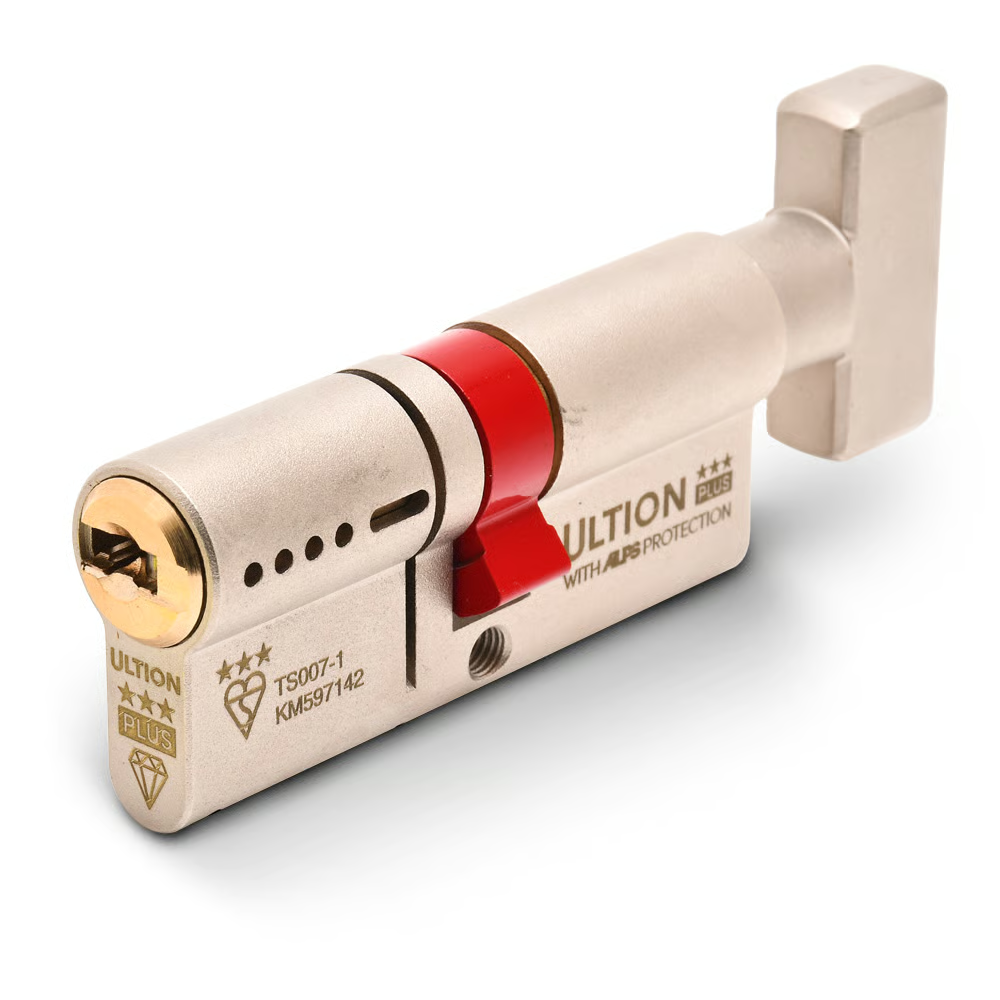
- Broken cylinder: replace the cylinder; match profile and backset, and consider upgrading to a higher security cylinder if needed.
- Seized mechanism due to corrosion: if cleaning and lubrication do not free the mechanism, replacement is usually the safest and most secure option.
Installation tips to prevent future failures
Good installation practice reduces the chance you will revisit the same fault. Consider these trade tips when fitting cockspur handles:
- Match type and handedness: confirm the handle suits inward or outward opening and the handedness of the window.
- Correct spindle length: cut spindles to the correct length if adjustable; too short will not engage, too long may seize the mechanism.
- Use appropriate fixings: stainless steel or security screws resist corrosion and tampering; avoid undersized screws that will strip the handle body.
- Align keeps before final tightening: use shims to set the striker plate so the spur seats squarely with minimal force.
- Apply appropriate lubrication: a light PTFE spray keeps operation smooth without attracting dirt; avoid heavy oils on sliding faces.
- Test operation multiple times: cycle the handle and lock the window several times after installation to confirm consistent engagement.
Security and regulatory considerations
For trade customers, security standards and best practice matter. A cockspur handle not locking compromises compliance with secure glazing guidance and tenancy standards. Consider these points:
- Upgrade to PAS 24 compliant cylinders where required; check building or landlord requirements before replacement.
- Fit non-return keep plates to prevent the spur being levered outwards from the outside.
- Document any replacements or upgrades for handover to the client: model, finish, spindle size and fixing torque.
If you have repeatedly replaced parts and the problem persists, the sash or frame may be distorted. In that case, advise a full window assessment; repairing a single handle will not resolve structural alignment problems.
Conclusion
A cockspur handle not locking is usually down to misalignment, worn components, loose fixings, or a seized cylinder. Tradespeople can diagnose most faults quickly by inspecting the spindle, foot and striker, tightening or replacing fixings, and ensuring correct alignment and lubrication. For persistent issues replace the handle or cylinder and check the window frame for distortion. Following best practice during installation prevents many of these problems and keeps windows secure and compliant.
Recommended Products
Based on this article, you may find these products helpful:
Part of our guide:
Complete Guide to Window Handles