Window Handle Locking Key Options: Security Considerations
Choosing the right window handle locking key option is a small but crucial part of any glazing specification. For tradespeople and informed DIYers, understanding the different keying systems, security...
Choosing the right window handle locking key option is a small but crucial part of any glazing specification. For tradespeople and informed DIYers, understanding the different keying systems, security ratings and practical installation considerations for a window handle will help deliver a secure, compliant installation that also meets the end user’s daily use requirements. This guide explains the main locking key options, when to specify them and what to watch for during fitting and maintenance.
Why the window handle key type matters
A window handle is more than a piece of furniture; it is often the primary locking point on casement, tilt-and-turn and some roof windows. The key type used with a window handle affects burglary resistance, user convenience, and compliance with recent building standards. In homes with children, vulnerable residents or high-risk ground-floor openings, selecting a robust key option for the window handle can significantly reduce the risk of unauthorised entry.
Common locking key options for window handles
Manufacturers offer several common keying solutions. Each has pros and cons for trade use and retrofits:
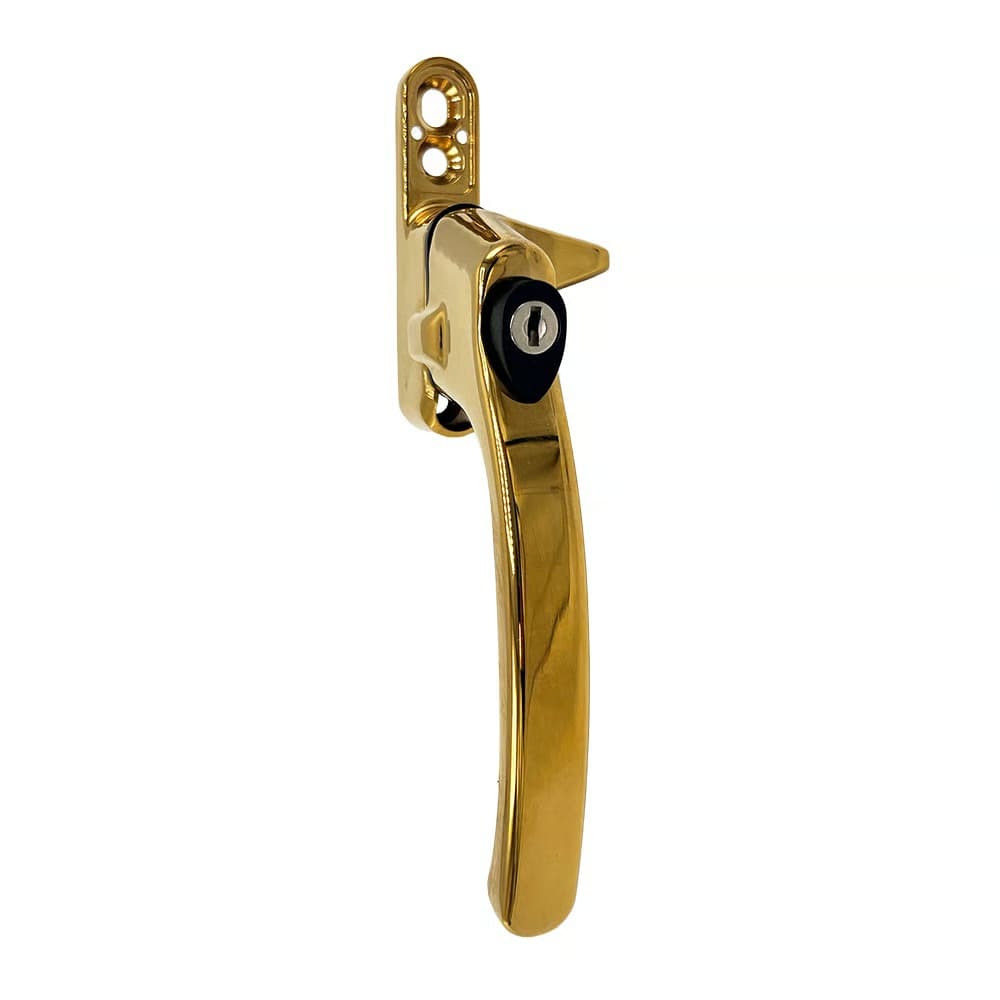
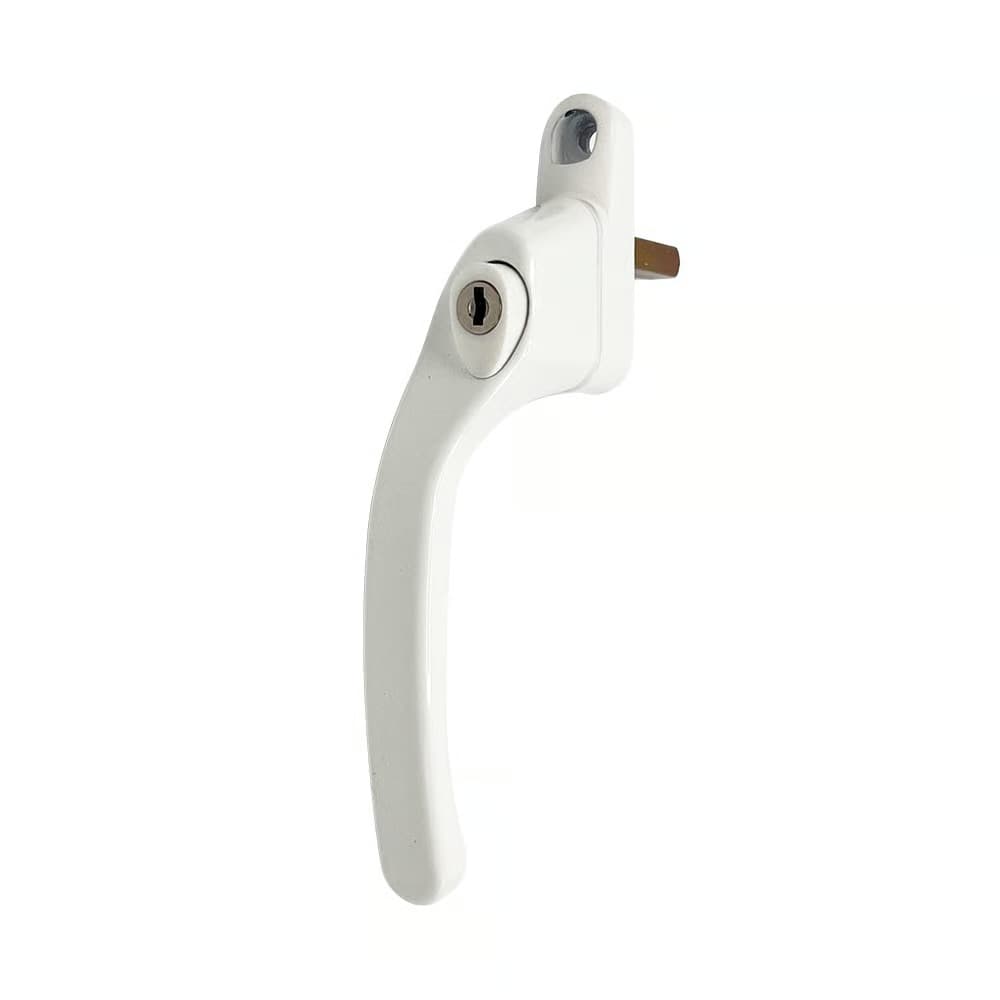
- Inline key-locking handle: a simple cylinder in the handle that locks the handle into the espagnolette; easy to retrofit and replace if required.
- Push-button locking handle: no separate key required; locks by pressing a button and is useful for quick locking and child safety.
- Keyed-alike options: multiple window handles keyed to the same key; ideal for multi-window properties where one key is preferred.
- Master-key systems: more common in apartment blocks or commercial projects; allows hierarchy of access while still securing individual windows.
- Thumblatch or child-safe locks integrated with the handle: provides restricted opening without full locking, often used where ventilation is required.
Security considerations and ratings
When specifying a window handle, consider recognised standards and testing. Look for hardware that works with secure espagnolette systems and that has been tested to industry standards. Points to consider include:
- Tested cylinder quality: a higher quality cylinder resists drilling and snapping; this matters if the window handle cylinder is exposed externally.
- Anti-drill and anti-pick features: valuable in higher risk areas; prevents quick bypass of the key mechanism on a window handle.
- Suitability for laminated or toughened glazing: some locks require reinforced fixing or pads to maintain security when used with different glass types.
- Compliance with relevant building regulations and PAS 24 where required: particularly for doors and windows on ground floors, or where the local authority demands enhanced security.
Practical installation tips for tradespeople
Correct fitting of a window handle is as important as the key option chosen. The following trade-focused tips will reduce callbacks and improve long-term performance:
- Verify the handle backset and spindle length before ordering: many failures come from incorrect spindle sizing; check the window manufacturer specifications.
- Use torque settings recommended by the handle manufacturer: over-tightening can strip threads or deform the handle, affecting the locking mechanism.
- Ensure the cylinder is centred and aligned with the locking keep: even a small misalignment causes the window handle to bind and can prematurely wear the key mechanism.
- Where metal frames are used, check for sufficient clearance and corrosion resistance: stainless fixings and protected cylinders prolong life of the window handle.
- Document keying information on handover paperwork: if multiple keyed-alike window handle units are supplied, label keys and record the key code for future maintenance.
Choosing between keyed and non-keyed handles
Deciding whether to specify a keyed window handle comes down to risk, convenience and budget. Consider these scenarios:
- High-risk ground-floor rooms: go for keyed window handle options or keyed-alike sets to prevent opportunistic entry.
- Upper-floor or low-risk openings: push-button or child-lock options may offer adequate security while improving ease of use.
- Social housing or shared properties: master-key systems can be specified to balance access control and maintenance needs.
- Retrofits: inline cylinder window handle types are often easiest to fit without changing the sash or locking system.
Maintenance and key management
Security is ongoing; it is not achieved simply at installation. Regular maintenance helps a window handle continue to perform as intended:
- Lubricate cylinders annually with a dry PTFE spray; avoid oil-based lubricants that attract dust and gum up a window handle.
- Inspect fixings and keeps during routine service visits; tighten but do not over-torque.
- Keep spare keys in a secure location and record key codes; when a key is lost, rekeying or replacing the cylinder should be actioned promptly for a window handle that secures vulnerable openings.
- Replace worn or damaged handles rather than repair where internal components show wear; modern replacements are often more corrosion resistant and secure.
Choosing the right key option for a window handle is a balance of security, usability and cost. For trade professionals, specifying the correct cylinder type, alignment and keying arrangement is straightforward when linked to risk assessment and building requirements. For DIYers, selecting a tested, quality window handle and following the fitting and maintenance advice above will keep windows secure and functional for years.
If you need help specifying window handle keying options for a project, contact your supplier with details of frame type, glass and whether keyed-alike or master-key systems are required; a few minutes of planning saves time and expense on site.
Recommended Products
Based on this article, you may find these products helpful:
Part of our guide:
Complete Guide to Window Handles