Window Handles

New Window Handles: Espag vs Cockspur Explained

29 December 2025

New Window Handles: Espag vs Cockspur Explained

Replacing old or damaged hardware is one of the simplest ways to refresh windows and improve security. This guide explains how to choose and install new window handles for UPVC, timber and aluminium frames. It covers compatibility, security options, and step-by-step fitting tips so you can tackle most jobs yourself.

Why fit new window handles?

New window handles deliver several benefits:

  • Improved security: modern handles often work with better cylinders and locking mechanisms.
  • Better operation: worn handles can become stiff or loose; fitting new ones restores smooth function.
  • Aesthetic upgrade: new finishes refresh the look of frames without replacing the whole window.
  • Compliance and safety: some windows need handles that meet building or rental standards.
  • When shopping for new window handles, consider whether you need to upgrade associated parts too, such as espagnolette mechanisms, hinges or gaskets.

    Types of window handles and where to use them

    Cockspur handles

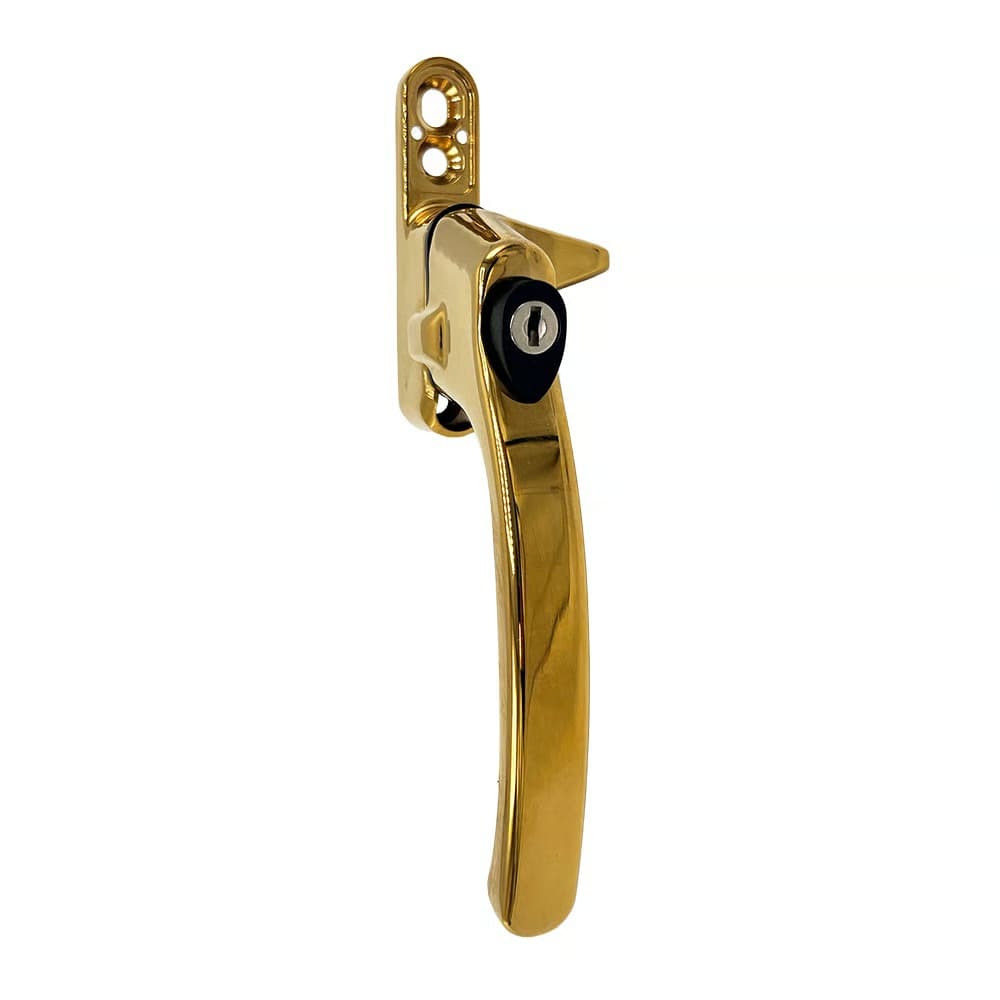
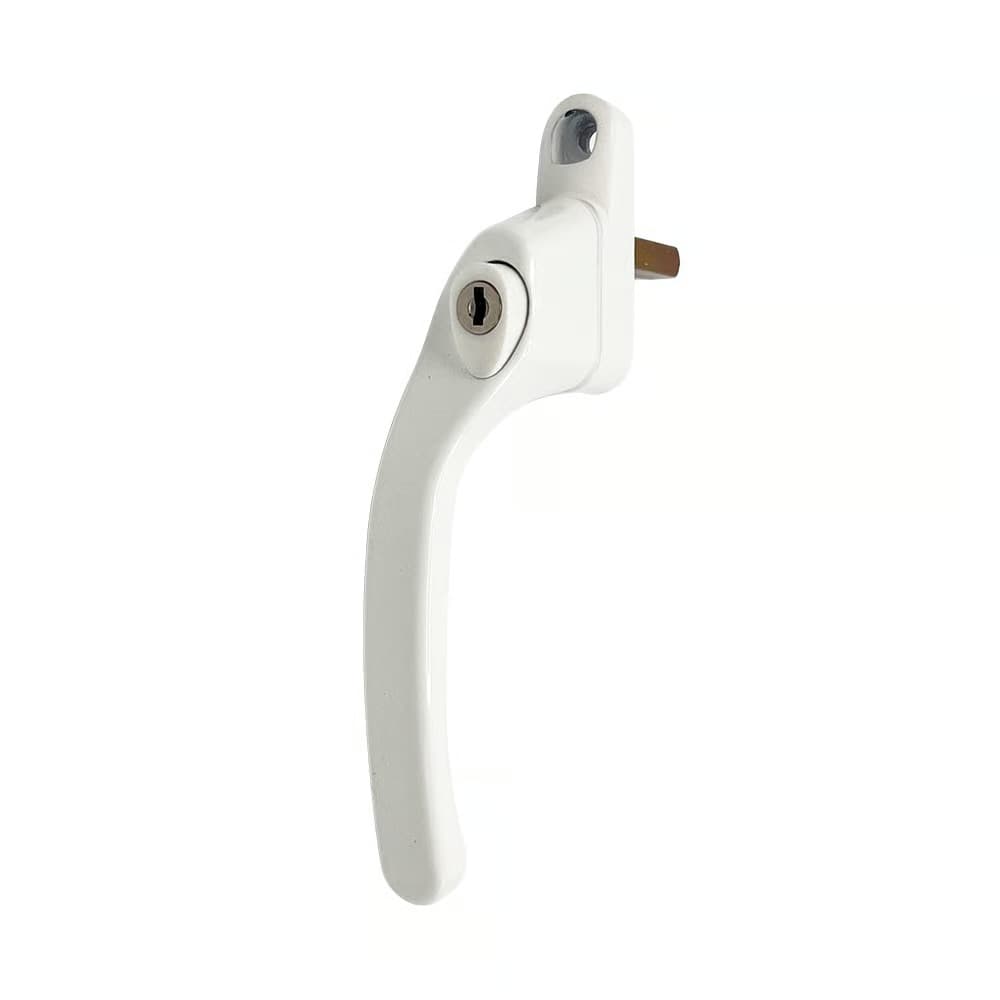
    Cockspur handles are common on older UPVC and metal windows. They operate a simple latch that hooks into the frame. If your window uses this style, look for TSS Cockspur Window Handles that match the screw spacing and projection of the original.

    Best for: single- or double-glazed windows with existing cockspur keeps.

    Espag handles

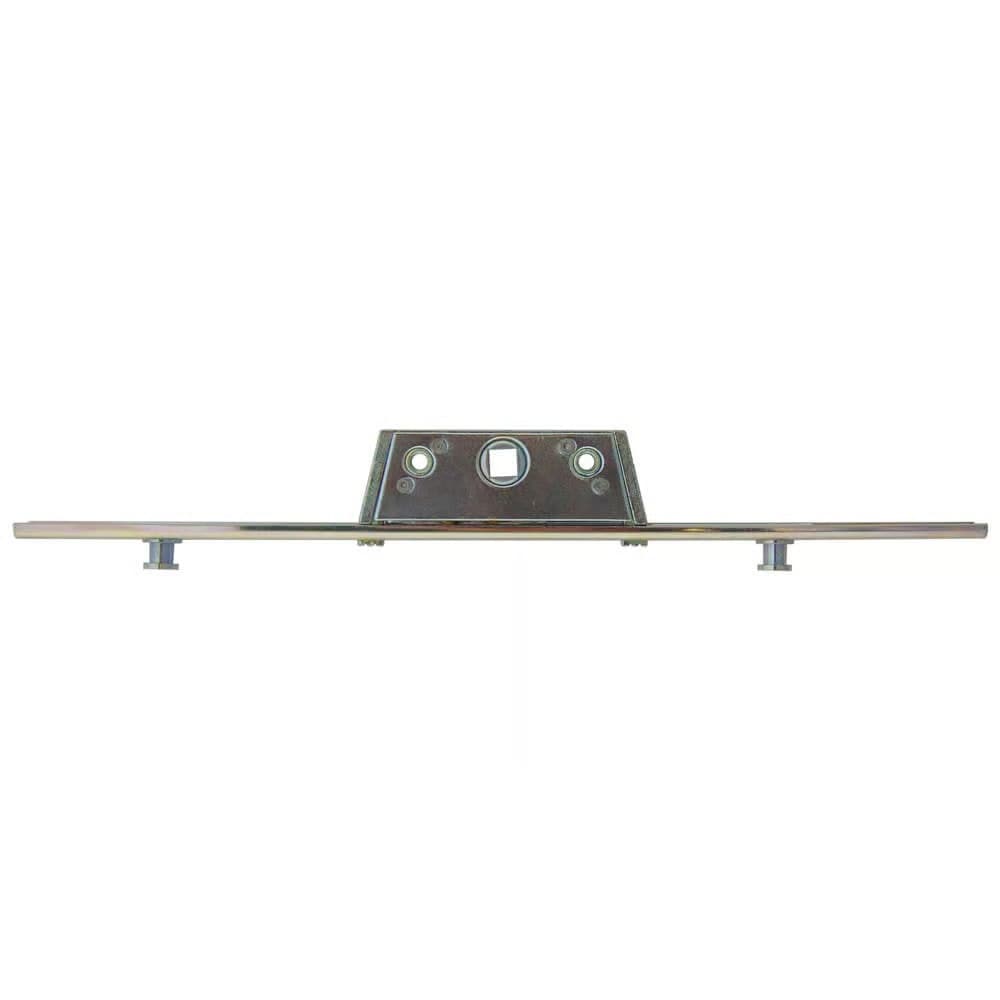
    Espagnolette or espag handles connect to an internal locking rod and are widely used on modern UPVC and aluminium windows. The handle engages the espag mechanism to operate multiple locking points. For replacements, measure the spindle length and choose a compatible model such as the Avocet Slimline Offset Window Espag.

    Best for: secure, multi-point locking windows.

    Offset and inline options

    Offset handles are designed where the handle spindle does not sit centrally in the handle rose. For UPVC frames, TSS Offset UPVC Window Handles are a reliable choice. When replacing internal mechanisms rather than the handle, an In-Line Window Mechanism may be required.

    Thumb turn cylinders and key options

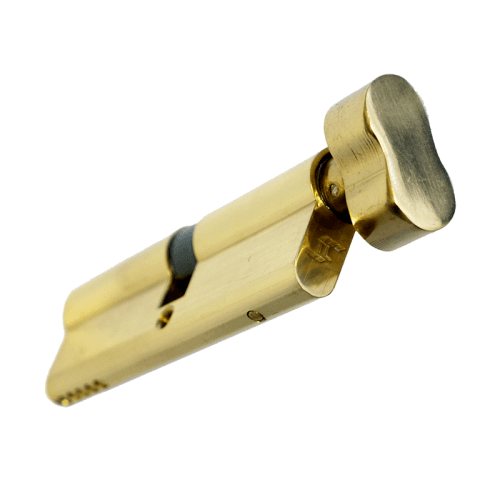
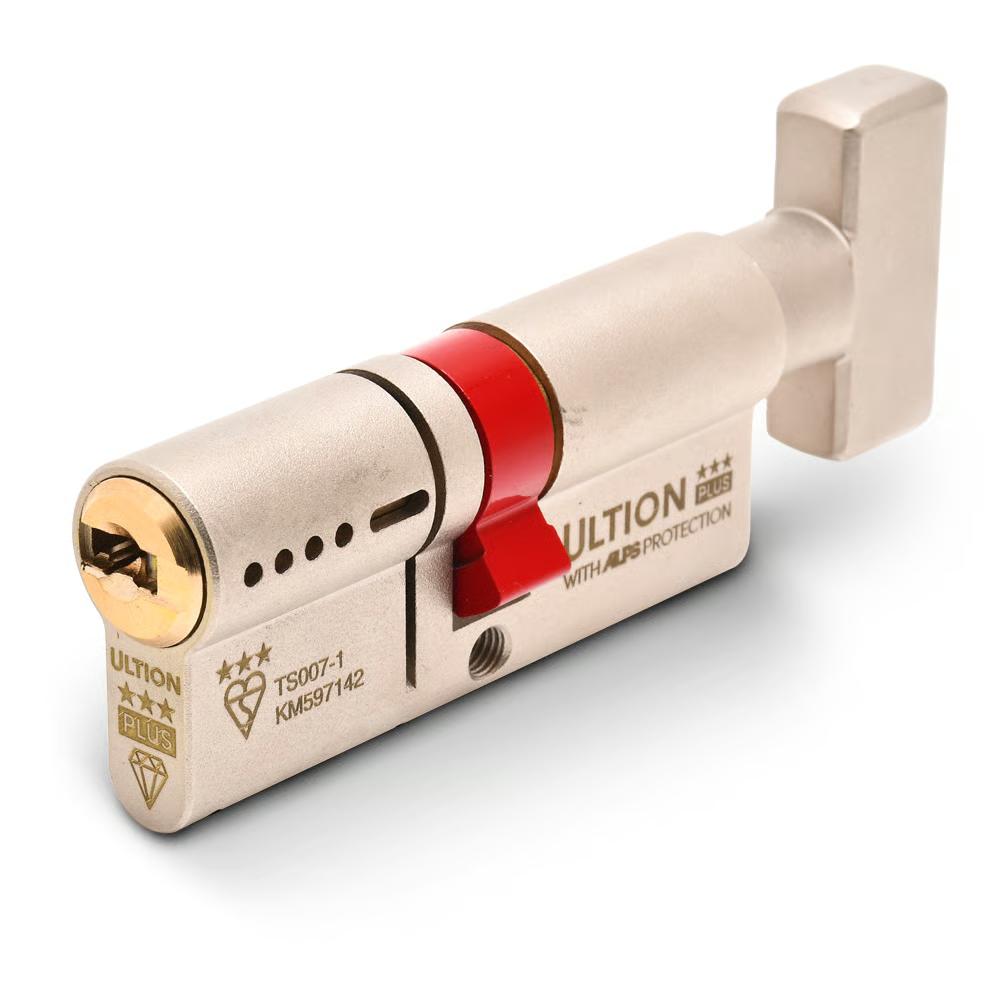
    If you want to lock your window from the inside without a key, choose a thumb turn cylinder such as the TL Thumb Turn Euro Cylinder. For enhanced security, consider a kitemarked option like the Ultion Plus TS007 3* Kitemarked Euro Key & Turn Cylinder.

    Security considerations when buying new window handles

  • Cylinder quality: fit a British Standard or TS007 kitemarked cylinder for better resistance to drilling and snapping. The Ultion Plus TS007 is an example of a high-security cylinder.
  • Locking handles: select handles with integral key locks or thumb-turn options depending on who needs access.
  • Compatibility with espagnolette mechanisms: ensure the handle's spindle size and backset align with the existing mechanism.
  • Laminated or reinforced roses: these reduce leverage points that attackers can exploit.
  • Measuring for replacement handles: practical steps

    Before you buy new window handles, take these measurements and checks:

  • Identify the handle type: cockspur, espag, offset, inline, or keyed.
  • Measure spindle length: remove the handle and measure the metal spindle from its base to the end. Common lengths are 35mm, 44mm, 70mm but check actual measurement.
  • Screw hole spacing: measure between screw centres on the rose or backplate.
  • Check projection: for cockspur handles measure how far the spur protrudes from the handle base to fit the keep correctly.
  • Confirm handedness: some handles are handed; verify whether your window is left- or right-handed when viewed from the outside.
  • Record these details and compare with product specifications when ordering new window handles.

    Step-by-step: replacing a typical espag window handle

    Tools you will need: screwdriver, replacement handle and spindle, possibly replacement cylinder, cloth and light oil.

  • Open the window fully so you can access the handle fixing screws. Some handles sit on the face of the frame; others have a concealed screw under a cap.
  • Remove the handle fixing screws and gently pull the handle off the spindle.
  • If replacing the cylinder, unscrew the centre fixing screw down the edge of the frame and slide the cylinder out while keeping the handle orientation aligned.
  • Insert the new spindle or cylinder as required. For espag handles, ensure the spindle fully engages the mechanism.
  • Fit the new handle onto the spindle, align the screw holes and tighten the fixings evenly.
  • Test operation: open and close the window several times, locking and unlocking if a cylinder is fitted.
  • Adjust if necessary: if the handle feels stiff, check alignment of the spindle and that screws are not over-tightened.
  • If you encounter seized screws or a stuck mechanism, apply a penetrating oil and allow time to work before attempting removal.

    When to replace associated parts

    Replacing handles often reveals other worn components. Consider also fitting:

  • New hinges if windows are drooping; the Top-Hung Window Hinge - Standard is a common replacement.
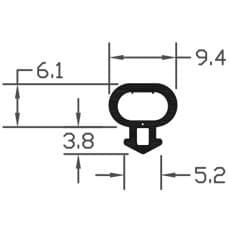
  • New bubble gasket seals such as B003 or B004 Bubble Gasket (/p/b003-bubble-gasket, /p/b004-bubble-gasket) to improve weatherproofing.
  • An upgraded espag or inline mechanism if the existing one is bent or stripped: the In-Line Window Mechanism is a direct replacement in many systems.
  • Better door or access hinges where a window forms part of a door arrangement; a Flag Door Hinge - Stainless Steel might be relevant in some installations.
  • Replacing several components at once can be more efficient and ensures smooth operation and security.

    Practical tips and common mistakes to avoid

  • Match the spindle size: wrong spindle length is the most frequent mismatch and will make a new handle unusable.
  • Keep original parts: when possible, take the old handle to the supplier or photograph it clearly to ensure compatibility.
  • Don’t overtighten screws: this can warp the handle or strip threads.
  • Test new locks carefully: if replacing cylinders, make sure keys operate smoothly before finishing work.
  • Consider professional help if the window is an older timber frame or if the mechanism is corroded and difficult to extract.
  • Final checklist before buying new window handles

  • Handle type identified: cockspur, espag, offset or inline.
  • Measured spindle length and screw hole spacing.
  • Decided on security level: keyed cylinder, thumb turn or non-locking.
  • Checked finish and handedness for aesthetic match.
  • Considered related parts such as hinges, gaskets or espag mechanisms.
  • Fitting new window handles is an economical way to renew Windows, improve security and restore smooth operation. With the right measurements and a few basic tools, most replacements are straightforward. If in doubt about security upgrades or complex mechanisms, consult a professional installer.

    For compatible products and spares, consider the items referenced above including TSS handles, Avocet espags, inline mechanisms, and security cylinders to ensure a correct and durable replacement.

    Related Reading

    Explore more guides on related topics: