Window Handle Types Explained: Espag, Cockspur, and Cam
Choosing the correct window handle can make a significant difference to performance, security and aesthetics. In this guide we explain the main types of window handle: espag, cockspur and cam. Whether...
Choosing the correct window handle can make a significant difference to performance, security and aesthetics. In this guide we explain the main types of window handle: espag, cockspur and cam. Whether you are a trade professional fitting multiple properties or a keen DIYer replacing a single unit, this article will help you identify the right window handle, understand how each function works, and highlight common installation and maintenance tips.
Introduction to window handle types
There are a few common styles of window handle used across the UK. The most widely specified on modern casement and tilt-and-turn windows are espag handles; older or more basic aluminium and uPVC windows often use cockspur handles; and specialist ventilating or secondary-closure windows may employ cam handles. Understanding how each mechanism operates is essential when ordering parts, specifying new windows, or replacing worn handles on the job.
What is an espag handle?
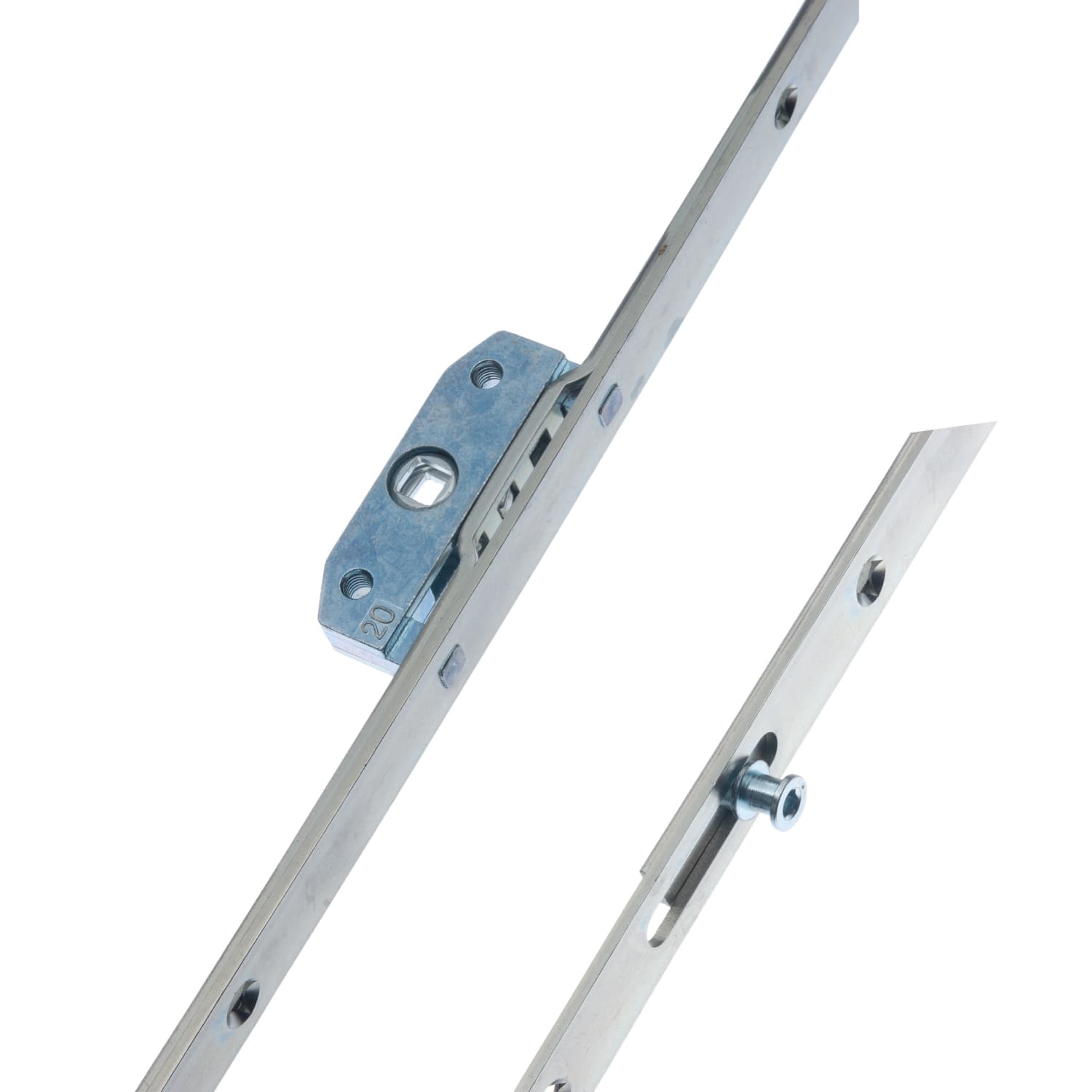
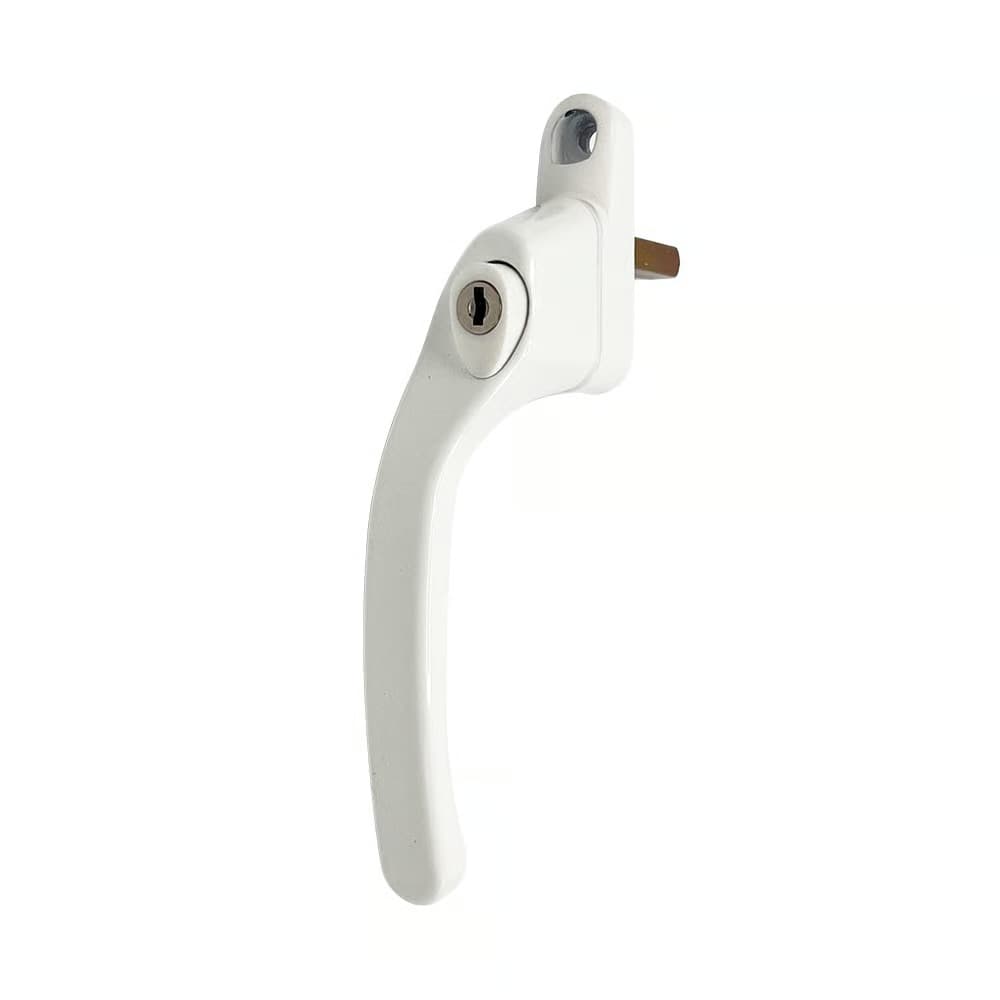
An espag window handle connects to a spindle and operates an espagnolette or multi-point locking gear inside the sash. This type is commonly fitted to uPVC and composite windows in domestic and commercial projects.
- How it works: turning the handle rotates a spindle; the spindle drives a locking mechanism with rollers or hooks along the edge of the sash.
- Key features: usually reversible for left- or right-hand sashes; available with locking cylinder or non-locking versions; high-security options exist for PAS 24 or similar requirements.
- When to specify: choose an espag window handle for high-security projects, refurbishment where multi-point locks exist, or where compatibility with other hardware is required.
- Trade tip: check the spindle length and backset when ordering replacements; common sizes include 35 mm and 45 mm spindles, but always measure from the face of the handle to the centre of the spindle hole.
What is a cockspur handle?
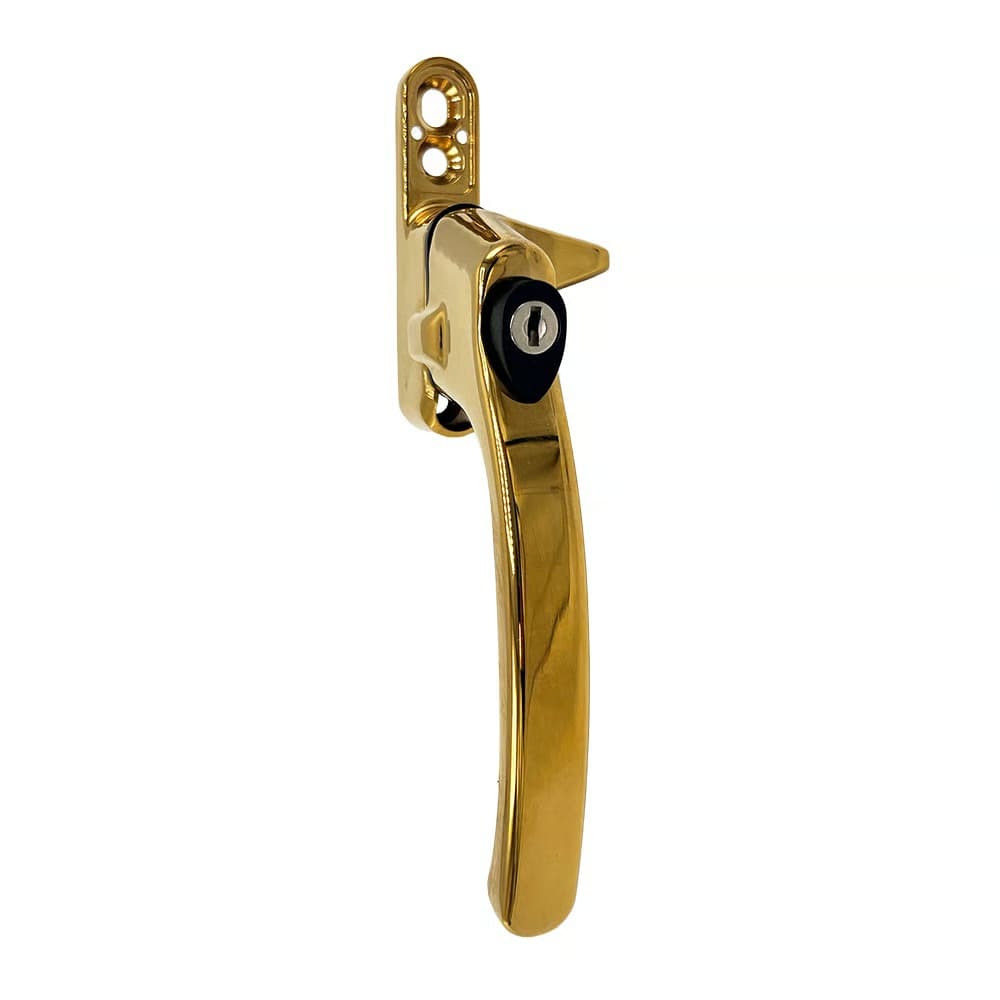
Cockspur handles are simpler: they screw directly onto the sash frame and hook over an opener keep. They are found on older uPVC and aluminium casements and are a popular retrofit option due to their ease of installation.
- How it works: the handle is fixed to the frame; when rotated it engages a spur that catches a keep or latch on the frame, holding the window closed.
- Key features: low cost; easy to fit; limited security compared with espag gear; available in various lengths and finishes.
- When to specify: use cockspur handles for budget projects, where historical appearance matters, or for simple ventilation windows not requiring high security.
- Trade tip: be aware of window thickness and screw positions; replacing cockspur handles often requires matching the hole centres to avoid drilling new holes in the frame.
What is a cam handle?
Cam handles are compact and commonly used on small windows, ventilation panels, rooflight vents and on some aluminium systems. They employ a rotating cam that locks against a keep.
- How it works: the handle rotates a cam plate; the cam presses against a keep to secure the sash.
- Key features: subtle appearance; suitable for restricted spaces; can be supplied with keyed locking cams for additional security.
- When to specify: ideal for heritage-style windows where minimal protrusion is required, or for secondary ventilation openings.
- Trade tip: check cam depth and throw; ensure the keep is aligned and robust enough to handle the compressive force when closed.
Choosing the right window handle for your project
Selecting the correct window handle requires checking several practical details. Make these checks before ordering parts or proposing specifications:
- Measure the spindle length and backset for espag handles; confirm screw hole centres for cockspur units.
- Decide on locking: do you need a locking window handle for compliance, security, or child safety?
- Match finishes to hardware: powder-coated, anodised or stainless finishes resist corrosion in coastal locations.
- Consider handedness: reversible handles save time; verify whether left- or right-hand versions are needed on the job.
- Check compatibility with existing locks and keeps: manufacturers often supply conversion kits; if in doubt, measure the keep position and plate dimensions.
Installation, maintenance and troubleshooting tips
Proper installation and periodic maintenance will extend the life of a window handle and the locking gear it operates. Use these practical tips on site:
- Installation: always use the correct fixings; avoid overtightening screws which can distort uPVC frames or strip threads in aluminium.
- Alignment: ensure keeps and striker plates line up with the handle action to avoid jamming or premature wear; adjust keeps before final fixing.
- Lubrication: apply a light silicone spray to moving parts annually; do not use heavy oils which attract dust.
- Security upgrades: if replacing cockspur handles for improved security, consider espag handles with keyed locking and upgrade keeps accordingly.
- Troubleshooting: a stiff window handle usually indicates misalignment or worn gears inside the sash rather than a faulty handle; remove the handle to inspect the internals before replacing with a new window handle.
Recommended Products
Based on this article, you may find these products helpful:
- TSS Cockspur Window Handles
- TSS Offset UPVC Window Handles
- ERA Universal Inline Window Handle
- In-Line Window Handle - White
- ERAB Espagnolette Window Lock Universal Lock Replacement
Conclusion
Understanding the differences between espag, cockspur and cam window handle types helps both tradespeople and DIY enthusiasts specify correctly, order the right parts and avoid costly mistakes on site. Measure accurately, match finishes and locking features to the job, and follow basic installation and maintenance practices. If you need to replace many handles, consider standardising on one type where possible to simplify future maintenance and parts ordering. A well-chosen window handle not only improves usability; it also increases the lifespan and security of the complete window system.
Part of our guide:
Complete Guide to Window Handles