Window Handles with Locks: Child Safety Considerations
Child safety is a critical consideration when selecting window hardware. Window handles with locks provide a straightforward way to reduce the risk of acci...
Child safety is a critical consideration when selecting window hardware. Window handles with locks provide a straightforward way to reduce the risk of accidental falls, unauthorised access and tampering, while maintaining ventilation and usability. This article outlines the key factors homeowners and tradespeople should consider when choosing and installing locking window handles, offers practical installation and maintenance tips, and explains compliance and best-practice measures for family homes, nurseries and rental properties.
Why choose window handles with locks
Locking window handles combine the function of a handle with an integrated lock mechanism, preventing the handle from being turned without a key or authorised tool. For homes with young children, elderly occupants or vulnerable individuals, these handles create a physical barrier that can prevent windows being opened fully from inside or outside. Tradespeople fitting replacement hardware can specify locking handles to meet client safety requirements without altering the existing window frame or requiring additional restrictors.
Benefits:
- Reduces risk of falls from windows and balconies.
- Provides additional security against forced entry.
- Preserves ventilation options while controlling opening range.
- Simple retrofit solution for most uPVC and aluminium windows.
Types of locking window handles
Understanding the available types helps specify the right product for the window system in question.
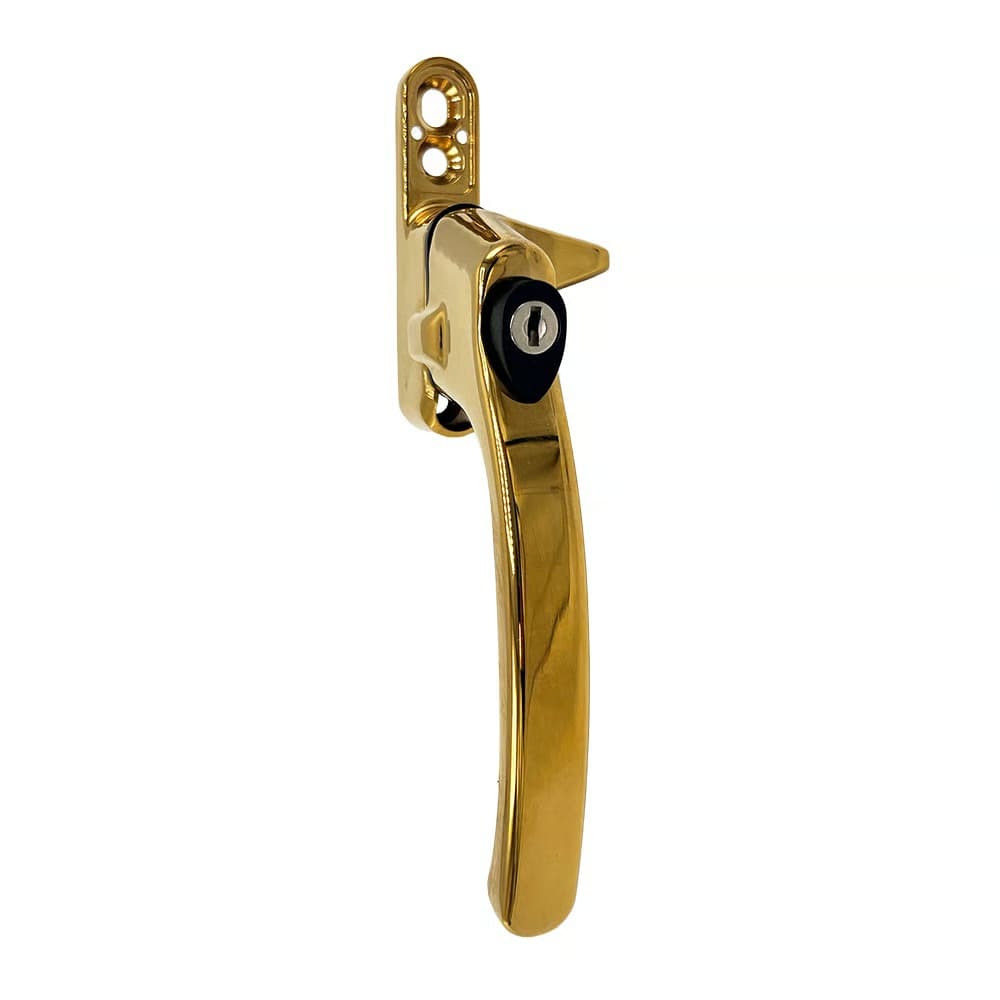
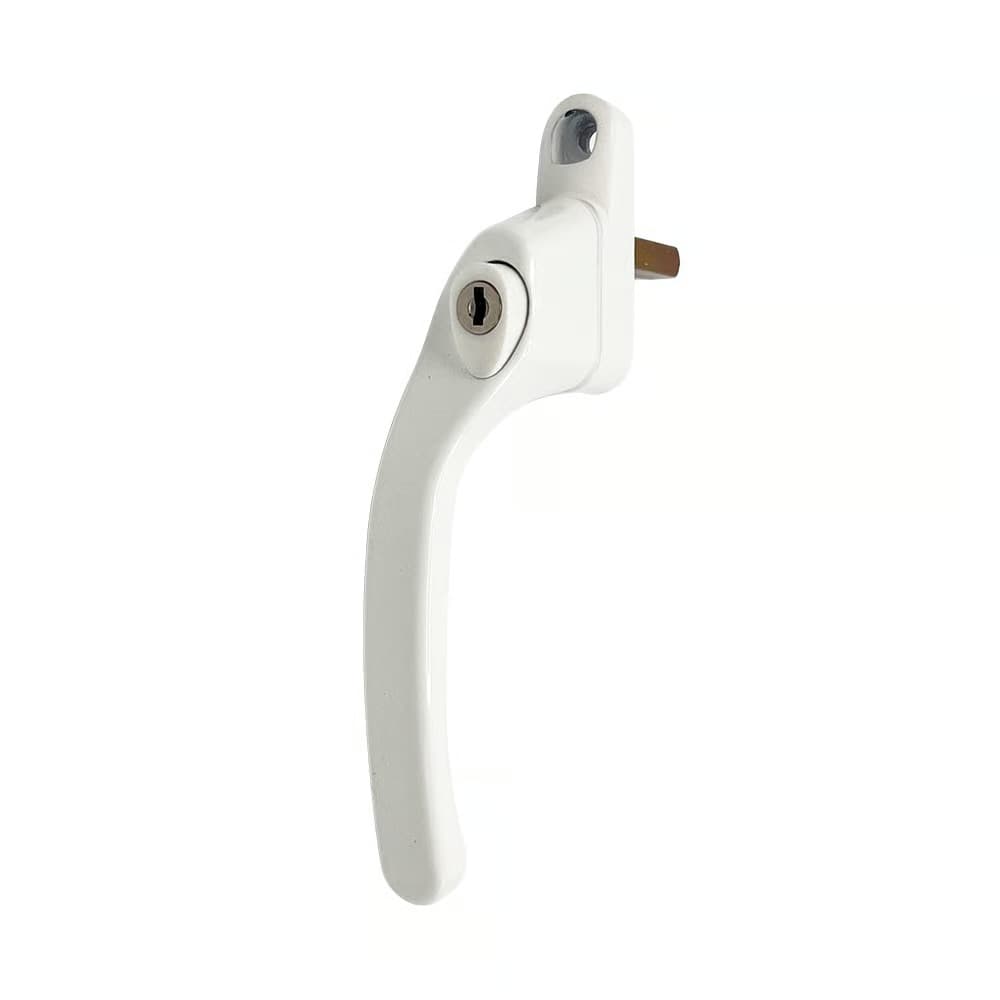
- Espag handles: Common on casement and tilt-and-turn windows, espagnolette (espag) handles operate a multi-point locking gearbox. Lockable espag handles, such as the TSS Cockspur Window Handles, are widely used as secure replacements that fit standard centres and screw positions.
- Cockspur handles: These are surface-mounted handles often used on older aluminium or timber windows. Lockable versions like the TSS Cockspur Window Handle prevent the handle from being turned and the window from being opened from the inside.
- Lockable lever or monkey-tail handles: Suitable for tilt-and-turn or casement windows where a key lock limits movement. Contemporary designs such as the TSS Offset UPVC Window Handles combine ergonomic design with a secure locking cylinder.
Safety standards and compliance
Window safety in the UK falls under guidance rather than a single prescriptive law. However, compliance with recognised standards and building regulations is essential for new builds, conversions and rented properties.
- Follow British Standards for window safety where applicable (for example, BS 8213 on safety considerations for windows, doors and rooflights).
- For childcare settings and care homes, adhere to sector-specific safety guidance on window opening limits and restrictors.
- Landlords should ensure rented properties are reasonably safe, maintaining locks and restrictors to prevent accidental harm.
Practical selection advice
Select a locking handle using these practical steps:
1. Measure existing handle position and centres accurately (typically 43mm or 90mm on espag systems). 2. Confirm spindle length and type—square spindles are common but measure thickness to ensure correct engagement with the gearbox. 3. Check cylinder type and keying options. For properties requiring multiple keyed locks, consider keyed alike systems or master-key arrangements. 4. Consider handle finish and durability—choose corrosion-resistant finishes for coastal properties. 5. For new installations, ensure the handle aligns with the locking keeps and multi-point gearboxes; minor adjustments to strike plates may be necessary.
Tradespeople should supply clients with a choice of keying options and explain how each affects security and convenience.
Installation and fitting tips
Correct installation ensures the lock performs reliably and reduces the need for future maintenance.
- Prepare the door/window: clean the surface, remove old fixings and check for rot or damage around screw holes.
- Use the correct screws supplied with the handle; avoid overly long screws that could impact the gearbox or frame internals.
- Ensure the handle’s spindle fully engages the gearbox and that the handle operates smoothly before fixing the screws tight.
- Align the handle so the lock engages correctly with the keeps; test locking and unlocking several times.
- For keyed handles, keep a record of the key number and supply duplicate keys to the homeowner or property manager.
- Apply a small amount of silicone lubricant to moving parts annually to preserve smooth operation.
Child safety best practices beyond locking handles
Locking handles are one important measure but should form part of a broader child-safety strategy:
- Fit window restrictors where necessary to limit opening to 100mm–150mm for upper-floor rooms, while ensuring egress for emergencies where required.
- Keep furniture and climbable items away from windows to prevent children reaching handles.
- Install window guards or safety screens where appropriate, ensuring they meet safety standards and allow emergency egress.
- Provide clear guidance to occupants about locking procedures and keep keys in a consistent, secure location inaccessible to children.
Maintenance and lifecycle considerations
Regular maintenance extends the life of locking handles and ensures ongoing safety:
- Inspect handles every six months for wear, corrosion or loose fixings.
- Replace worn components promptly; small faults can compromise lock function.
- For older windows, consider upgrading to modern lockable handles to benefit from improved security mechanisms and better compliance with current safety advice.
- Keep a record of replacement dates and product codes to simplify future procurement.
Related Reading
Explore more guides on related topics:
Conclusion
Window handles with locks offer an effective, practical layer of protection for homes and rented properties, reducing the risk of accidental falls and improving security without sacrificing ventilation. Accurate measurement, correct product selection, professional installation and routine maintenance are the cornerstones of an effective window safety strategy. For a broader overview of handle types, compatibility and fitting guidance refer to the comprehensive resource Window Handles Guide.
Part of our guide:
Complete Guide to Window Handles