Window Handles

New Window Handles: Choosing Quality for Longevity

29 December 2025

Why choose new window handles

Replacing old or broken window handles is one of the simplest ways to improve security, functionality and appearance. New window handles can stop drafts, make windows easier to operate and ensure compliance with modern security standards. This guide helps you choose the right new window handles and fit them correctly, with practical, actionable steps and product references.

Types of window handles and when to use them

Understanding handle types is the first step to a successful replacement.

Espag and espagnolette handles

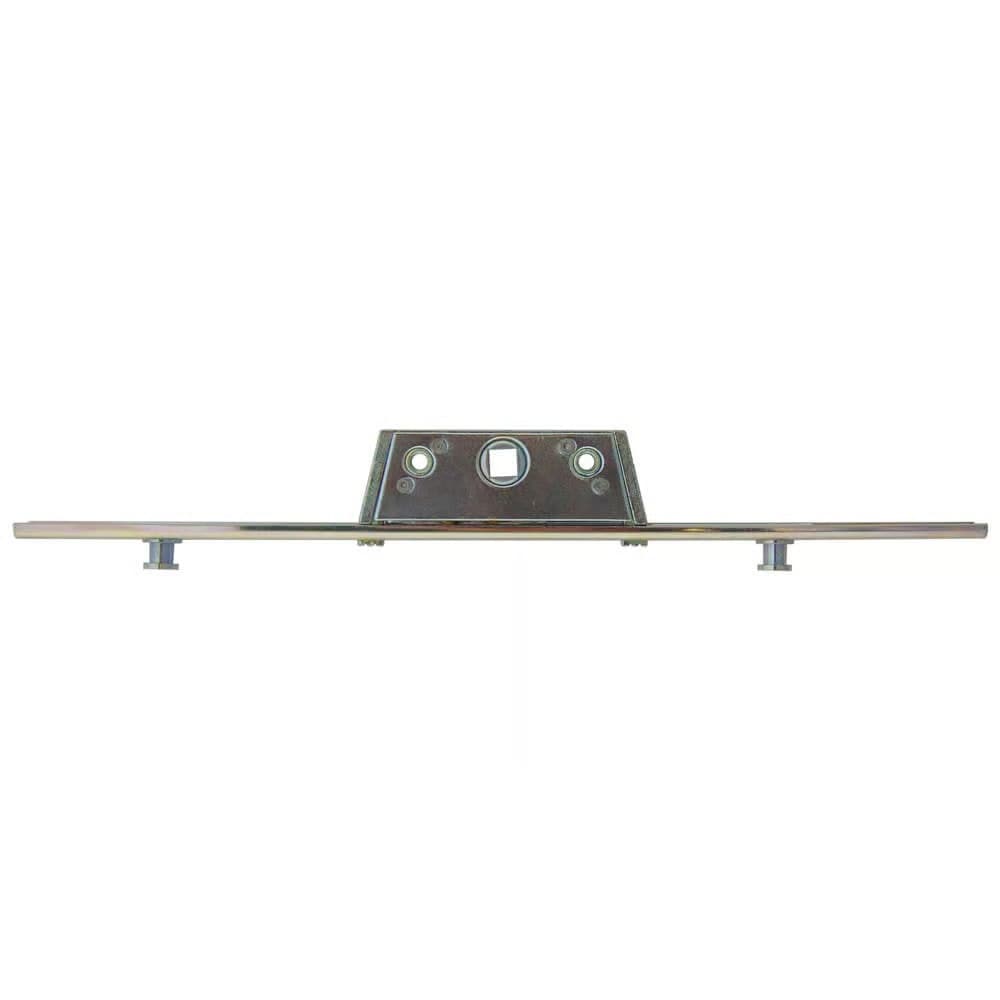
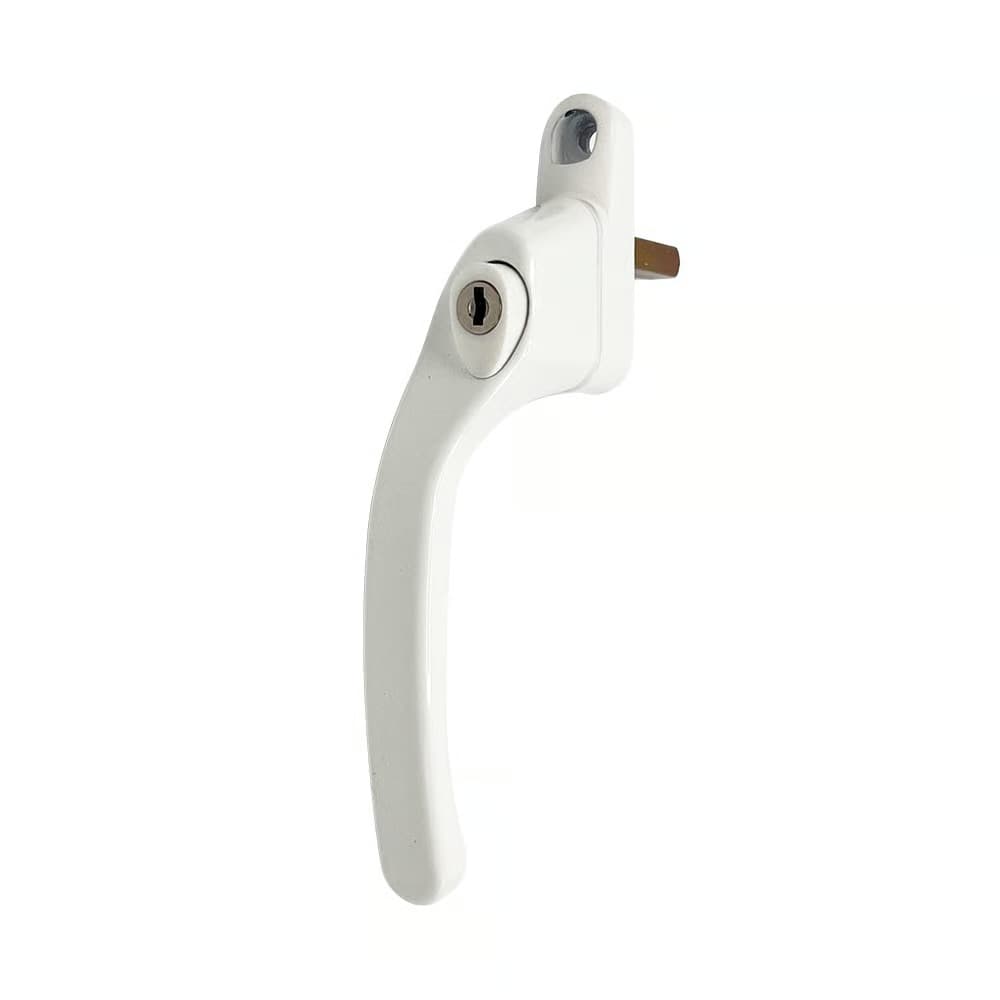
Espag handles, often called espagnolette or espag handles, are used on casement and tilt-and-turn windows. They operate an internal rod that locks the window at multiple points. For slimline profiles consider the Avocet Slimline Offset Window Espag.

When to use: replacement of casement windows or when the locking mechanism is on the edge of the sash.

Cockspur handles

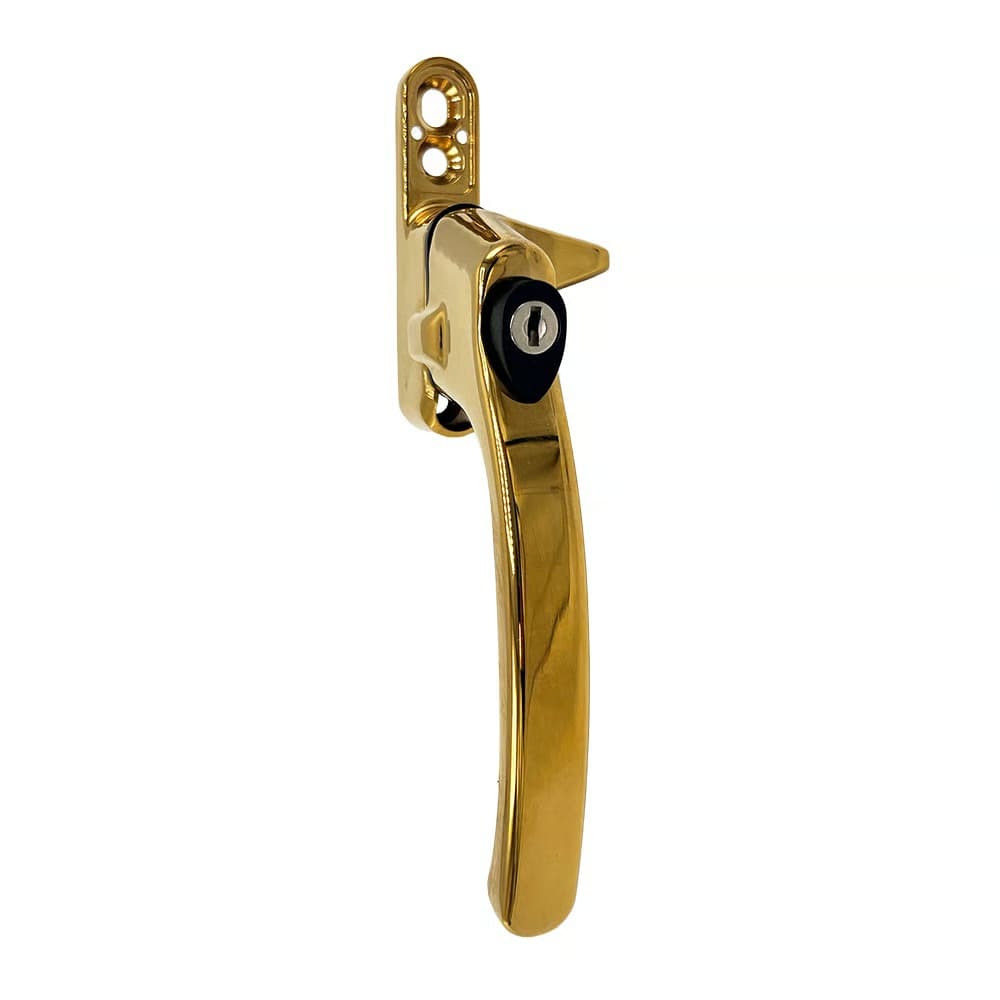
Cockspur window handles are surface-mounted and commonly found on older metal or timber windows. They are straightforward to fit because they attach externally. See TSS Cockspur Window Handles.

When to use: older-style metal or timber frames where internal locking rods are not present.

Offset UPVC handles

Offset UPVC handles are designed to clear trim or glazing beads and provide correct alignment with espagnolette mechanisms. Choose TSS Offset UPVC Window Handles for common UPVC replacements.

When to use: UPVC windows where handle clearance is an issue.

Thumb-turn and keyed cylinders

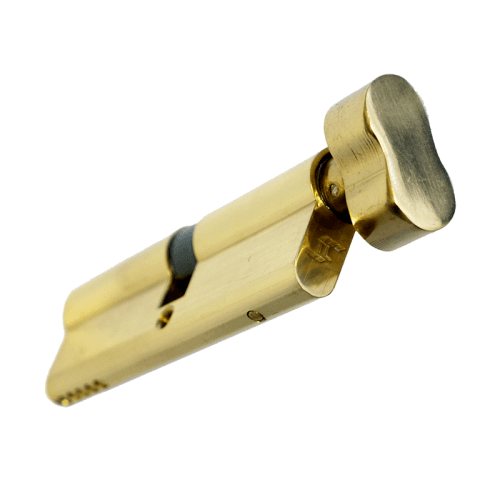
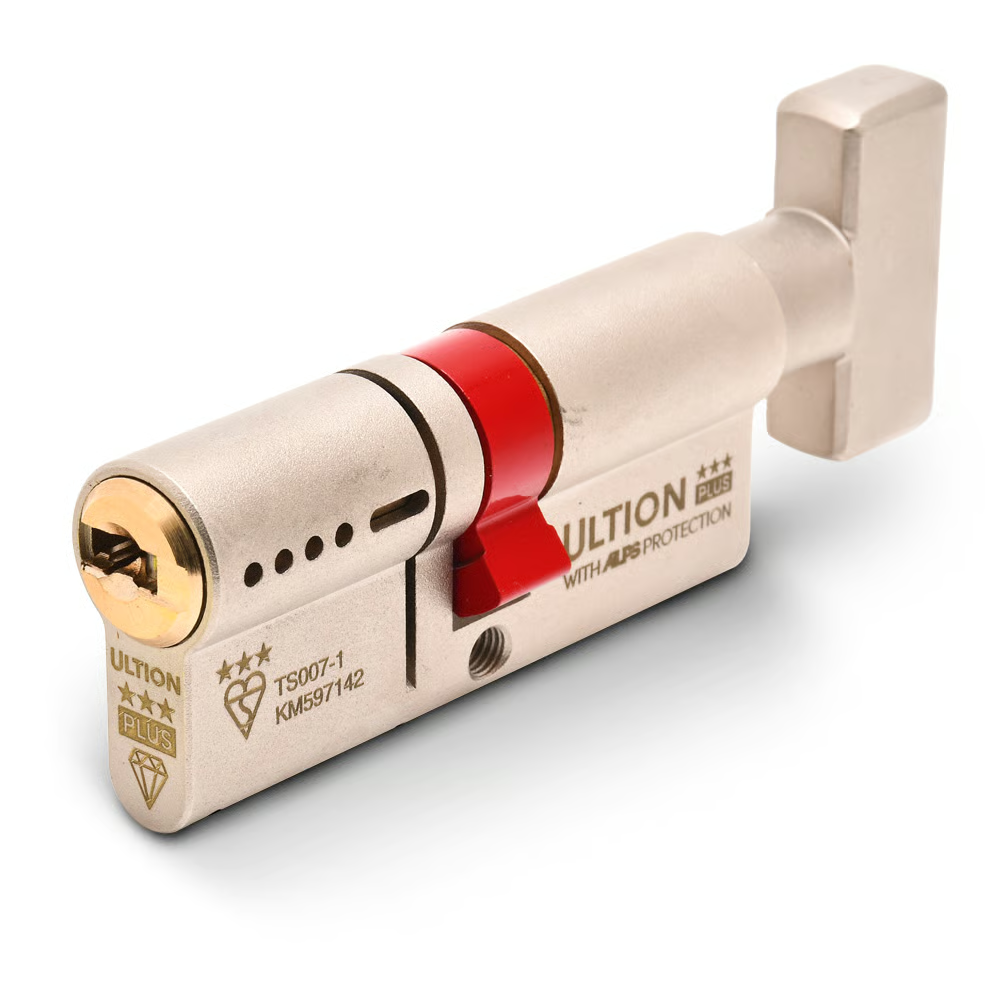
For added security, some handles incorporate a thumb turn with a Euro cylinder or accept a separate cylinder. The TL Thumb Turn Euro Cylinder and the Ultion Plus TS007 3* Kitemarked Euro Key & Turn Cylinder are good choices depending on security needs.

When to use: where you need to lock handles from the inside or provide keyed access from the outside.

Materials and finishes: what to pick

Common materials include aluminium, zinc alloy and stainless steel. Choose based on durability and style.

  • Aluminium: lightweight and resistant to rust; suitable for modern frames.
  • Zinc alloy: economical and available in many finishes; suitable for indoor use.
  • Stainless steel: most durable and corrosion-resistant; ideal for coastal locations.
  • Consider finishes such as white, black, satin chrome or polished chrome to match your window frames and hardware.

    Measuring for replacement handles: step-by-step

    Accurate measurements prevent buying the wrong handle.

  • Measure the backset: the distance from the handle spindle centre to the edge of the handle base. Common backsets are 28mm or 35mm.
  • Measure the spindle size: typically 7mm square or 8mm square. Remove the old handle to confirm.
  • Measure screw hole centres: distance between fixing screws on the handle base. This is important for flush replacements.
  • Check clearance: ensure the new handle will not hit adjacent frames, beads or furniture. For UPVC frames you may need an offset handle.
  • If you are unsure, photograph the existing handle and mechanism and compare with product pages such as Avocet Slimline Offset Window Espag or TSS Offset UPVC Window Handles.

    Security considerations

    Upgrading handles is a good opportunity to improve security.

  • Choose handles compatible with TS007 3-star cylinders for high security, such as Ultion Plus TS007 3* Kitemarked Euro Key & Turn Cylinder.
  • Use thumb-turn cylinders where quick internal locking is needed: TL Thumb Turn Euro Cylinder.
  • For multipoint locking systems, ensure handle compatibility with espagnolette gear; consult your window’s manufacturer if in doubt.
  • Accessories and related hardware

    Some installations need additional parts to ensure a correct fit or improved performance:

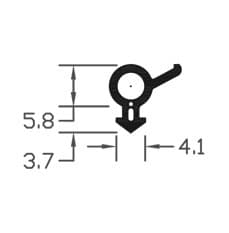
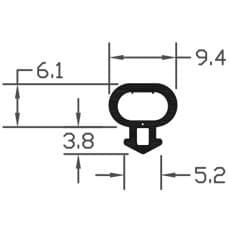
  • Bubble gaskets: B003 Bubble Gasket and B004 Bubble Gasket help seal frames and reduce drafts.
  • Hinges and mechanisms: if a handle failure was caused by a failing hinge or mechanism, consider the In-Line Window Mechanism or Top-Hung Window Hinge - Standard.
  • Door hinges: for patio doors or French doors with integrated windows, a Flag Door Hinge - Stainless Steel may be relevant.
  • Tools and materials you will need

  • Screwdrivers: cross-head and flat-head
  • Replacement handle set with spindle and fixings
  • Tape measure and marker
  • Replacement cylinder if needed
  • Lubricant such as silicone spray
  • Soft cloth for cleaning
  • How to fit new window handles: practical step-by-step

    The following applies to most standard handle replacements on casement and UPVC windows.

  • Safety first: open the window and support the sash if necessary to prevent it from dropping. Wear safety glasses if drilling.
  • Remove the old handle: use a screwdriver to remove fixing screws; if the handle is secured by a grub screw, loosen it first. Pull the handle off along with the spindle.
  • Inspect the mechanism: check the espagnolette or locking mechanism for wear. If the mechanism is damaged, order the correct In-Line Window Mechanism or consult a professional.
  • Clean and prepare: clean the area and apply a small amount of lubricant to the spindle and moving parts.
  • Fit the new spindle: insert the new spindle through the mechanism ensuring it fully engages with the gearing.
  • Fit the handle backplate: align the screw holes and ensure the handle sits flush. Tighten screws but do not overtighten as this can crack UPVC.
  • Test operation: fully open and lock the window several times to ensure smooth operation and correct engagement. Adjust if necessary.
  • Fit a cylinder if required: if your handle requires a cylinder, measure the thickness of the door or sash and fit the correct length cylinder such as TL Thumb Turn Euro Cylinder or Ultion Plus TS007.
  • Troubleshooting common problems

  • Handle wobbles after fitting: check screw tightness and confirm the spindle fully engages the mechanism.
  • Handle does not lock: verify the spindle is the correct length and rotated orientation; check the locking mechanism for wear.
  • Handle catches on frame: install an offset handle or choose a different backset such as with TSS Offset UPVC Window Handles.
  • When to call a professional

    Consider professional help if:

  • The internal locking mechanism is broken and requires replacement.
  • You need to replace sashes or hinges at the same time; for example, replace Top-Hung Window Hinge - Standard or In-Line Window Mechanism.
  • The window is stuck or unsafe to operate.
  • A professional can also ensure that any new cylinder fitted is properly aligned and secure, such as the TS007 3-star Ultion Plus cylinder.

    Final checks and maintenance

  • Lubricate moving parts annually with a silicone spray.
  • Check fixing screws and cylinder security periodically.
  • Replace bubble gaskets such as B003 Bubble Gasket or B004 Bubble Gasket if you notice drafts.
  • Replacing your window handles is a cost-effective way to improve security and operation. With the right measurements, a compatible product and the steps above, you can fit new window handles confidently and quickly.

    Related Reading

    Explore more guides on related topics: