Window Handle Security Features: What Makes a Handle Secure
Choosing the right window handle is about far more than appearance. For tradespeople and competent DIYers, understanding the security features built into modern window handles helps you specify the co...
Choosing the right window handle is about far more than appearance. For tradespeople and competent DIYers, understanding the security features built into modern window handles helps you specify the correct product, comply with building regulations, and give customers reassurance. This guide explains what makes a window handle secure, how to test and fit handles correctly, and which features to prioritise for different window types.
Why handle security matters
A secure window handle prevents unauthorised opening, resists attack, and integrates with the overall locking system of the frame. A weak or poorly fitted window handle undermines multi-point locks and glazing security; even a high-performance lock can be rendered ineffective if the handle fails. Whether you are replacing handles on a domestic retrofit or specifying for a new build, treat the window handle as a security component, not just a decorative item.
Key mechanical features of a secure window handle
Look for these features when assessing or selecting a window handle. They directly affect resistance to forced entry and long-term reliability.
- Spindle strength: The spindle transfers torque from the handle to the lock mechanism. Hardened steel spindles reduce the risk of snapping or shearing under attack.
- Fixing method: Handles secured with tamperproof screws or bolts are harder to remove from the outside. Recessed screw heads and security screw types improve protection.
- Return springs and robust gearing: Smooth, positive operation with return springs prevents play that can be exploited by intruders. Solid gearing also resists wear from frequent use.
- Reinforced backplate: A reinforced or long backplate spreads load over the frame and reduces the chance of the handle tearing out of the sash.
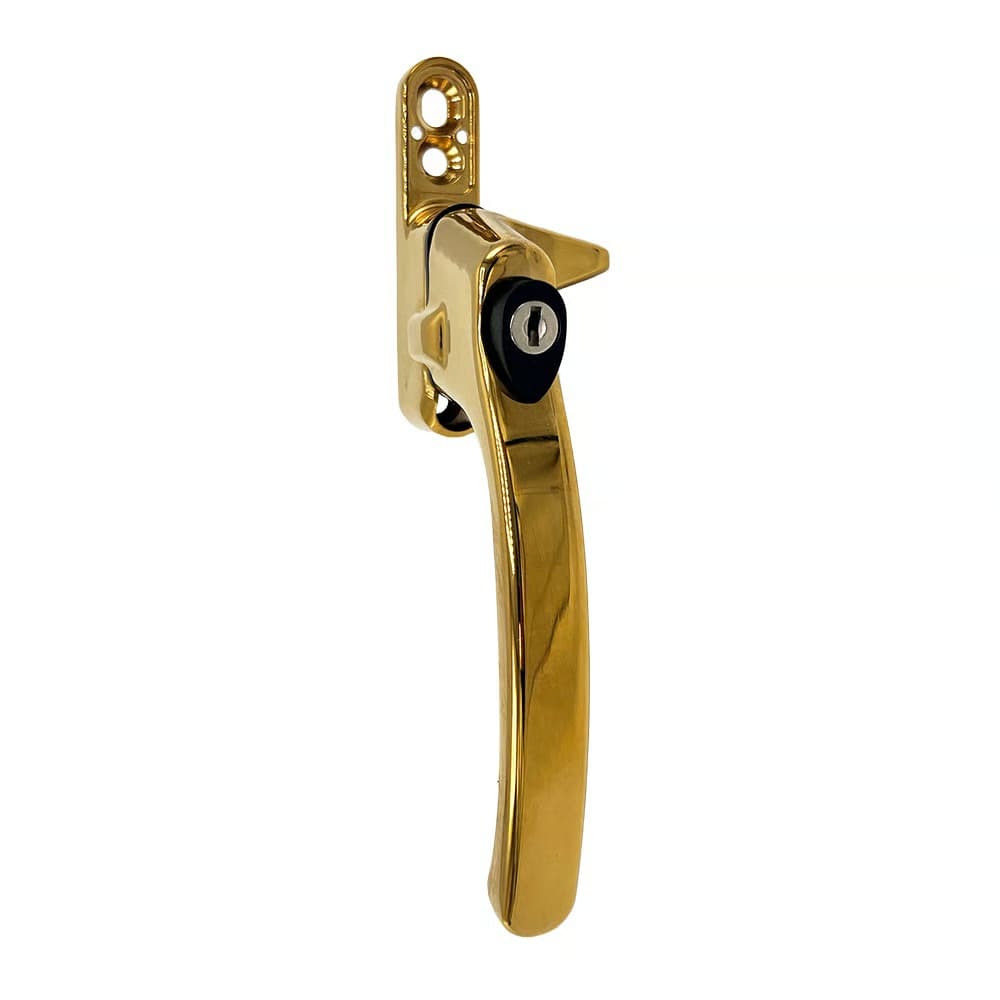
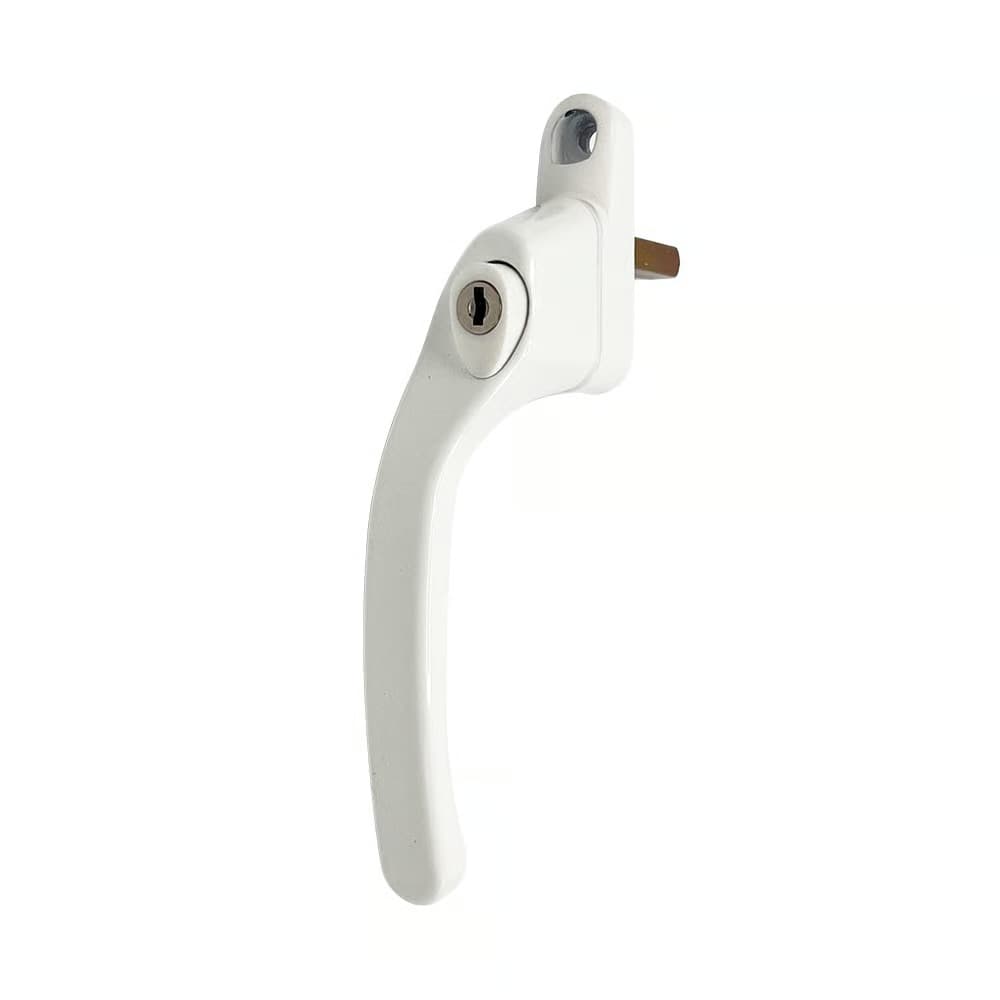
- Key-locking or shootbolt options: Handles with integral locks or those that engage shootbolts provide an extra physical barrier; these are ideal for vulnerable ground-floor windows.
Material, finish and durability considerations
Material choice affects both security and longevity. Aluminium or zinc alloy handles are common; for higher security applications, look for handles with stainless internal components and hardened steel spindles. Finishes should resist corrosion, especially in coastal or industrial environments. For trade jobs, specifying durable finishes reduces call-backs and maintenance visits.
Anti-lift and tamper-resistant features
Modern window handles often include anti-lift features and tamper-resistant designs to prevent forced entry methods such as levering, snapping or unscrewing from the exterior. Important elements include:
- Clutch or shear pins: These allow the handle to break away under extreme force, leaving the internal lock intact.
- Concealed fixings: Screws hidden beneath a cover plate prevent easy removal from outside.
- Push-lock mechanisms: Require a deliberate action to lock; they deter opportunistic intruders and provide clear visual indication of security.
- Restricted keyways: For keyed handles, restricted key profiles limit unauthorised duplication and improve control over who holds copies.
Integration with window locking systems and hardware
A window handle should not be considered in isolation. The overall security depends on integration with multi-point locks, keeps and the frame. Key things to check on-site or when specifying:
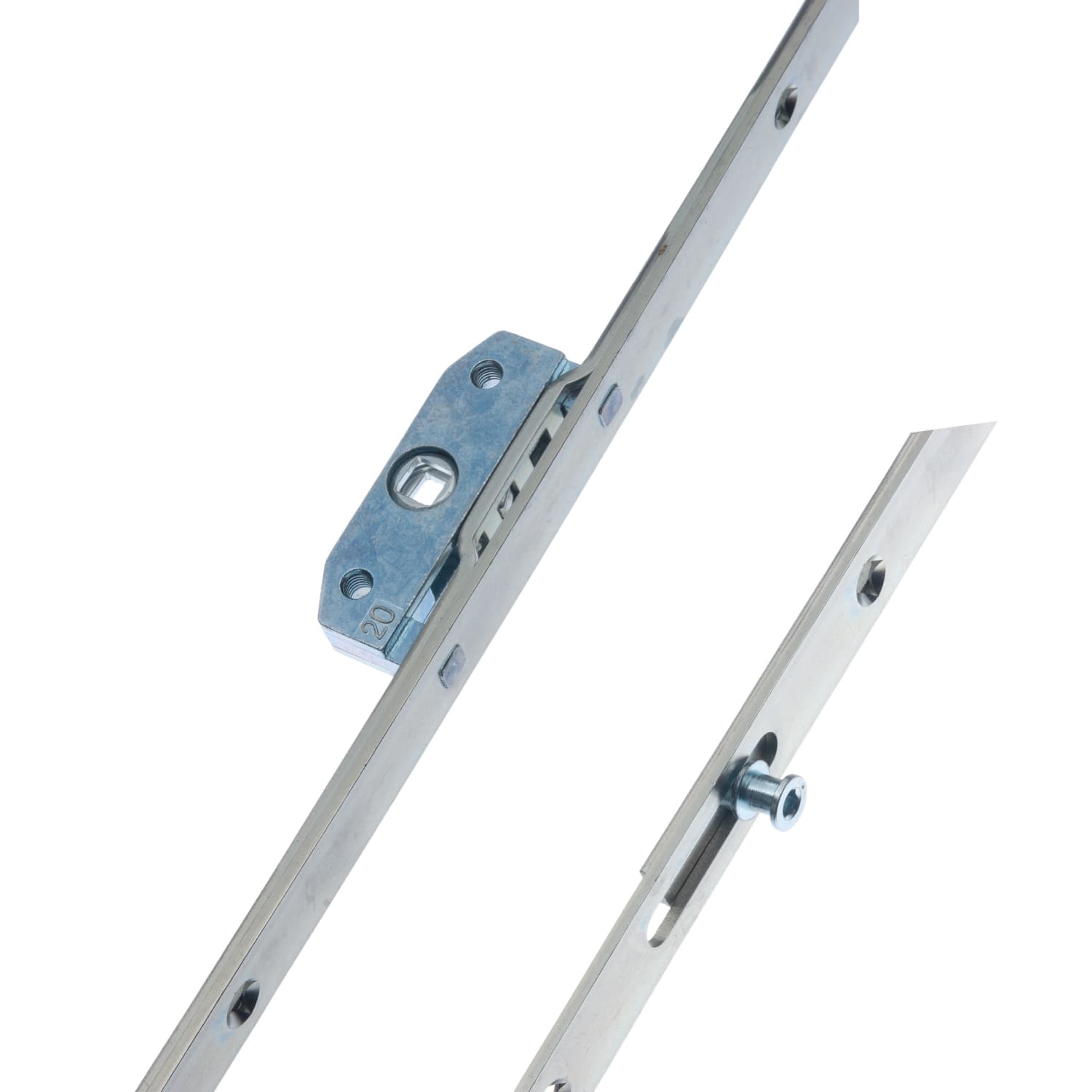
- Compatibility of spindle length and square size with the lockcase; incorrect spindle sizing creates play.
- Alignment of handle and striker keeps to ensure full engagement of locks.
- Use of handles that operate shootbolts or espagnolette gear without introducing torque stress on the handle.
- Conformity with relevant standards and Secured by Design guidance where applicable.
Testing, certification and standards
For trade use, rely on tested and certified products. Look for handles that have been assessed to recognised standards or that are part of a window system tested to PAS 24 or equivalent. Certification provides documented resistance levels and reassures insurers and clients. Practical workshop tests you can perform include:
- Visual inspection for secure fixings and absence of play.
- Operational test under load to check spindle and gearing durability.
- Check that key-locking handles operate smoothly and lock fully in both up and down positions.
Practical installation tips for tradespeople and DIYers
Correct installation is as important as product selection. Follow these practical steps for a secure outcome:
- Measure spindle length and square size precisely; common errors cause loose operation.
- Use torque-limited drivers to avoid stripping security screws or over-compressing fixings.
- Ensure the backplate sits flush against the frame to avoid leverage points.
- Test the handle through its full cycle after fitting to ensure locks fully engage; check keeps and strikes for correct alignment.
- Replace handles in pairs or sets for uniform security and operation, especially on French or patio units.
Choosing the right window handle for different applications
Match the handle to the application rather than using a one-size-fits-all approach. For ground-floor or accessible windows, prefer keyed or multipoint-engaging handles. For high-usage communal areas, choose heavy-duty handles with reinforced gears. For conservation or heritage projects, look for discreet security options that retain period appearance while providing modern protection.
In summary, a secure window handle combines mechanical strength, tamper-resistant fixings, integration with locking gear, and correct installation. Tradespeople who understand these elements can specify appropriate handles, reduce call-backs, and deliver installations that meet client expectations and security standards. Whether you are fitting a simple replacement or specifying for a new build, treat the window handle as a vital security component and select products that are tested, robust and correctly installed.
Recommended Products
Based on this article, you may find these products helpful:
Part of our guide:
Complete Guide to Window Handles