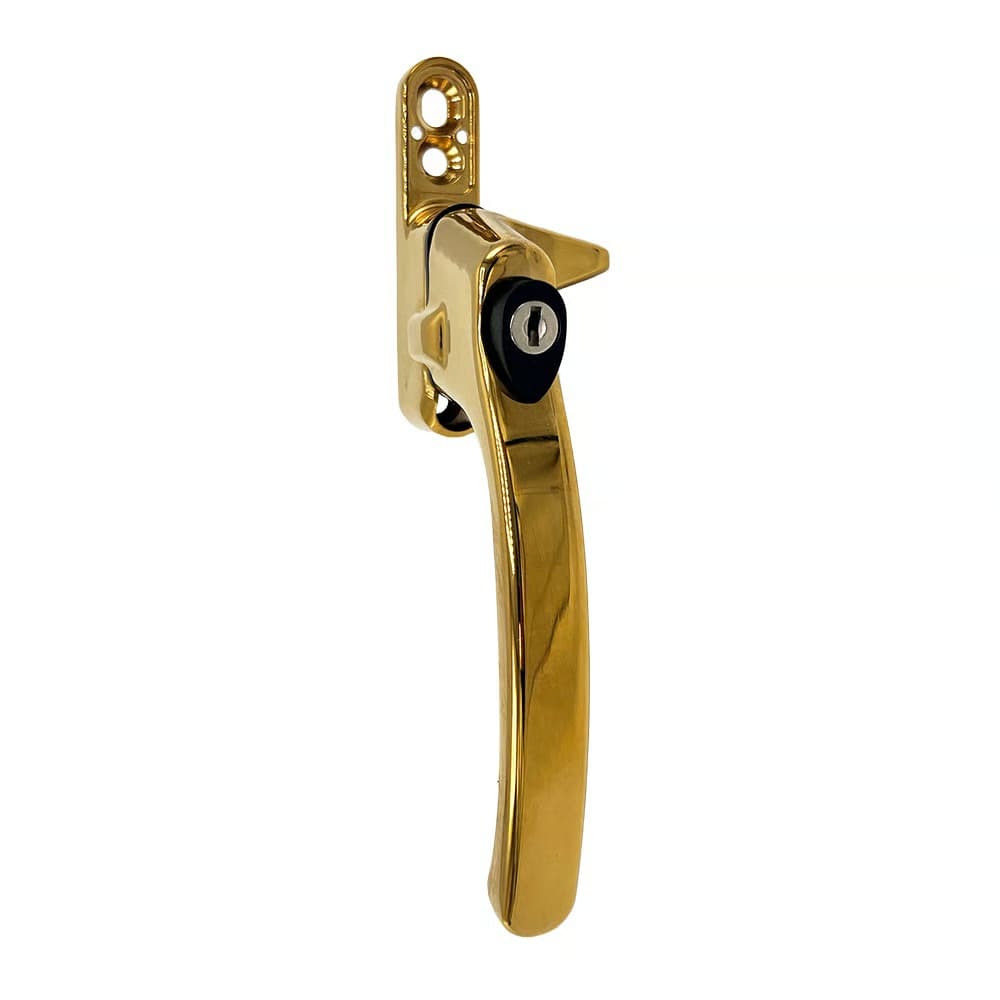
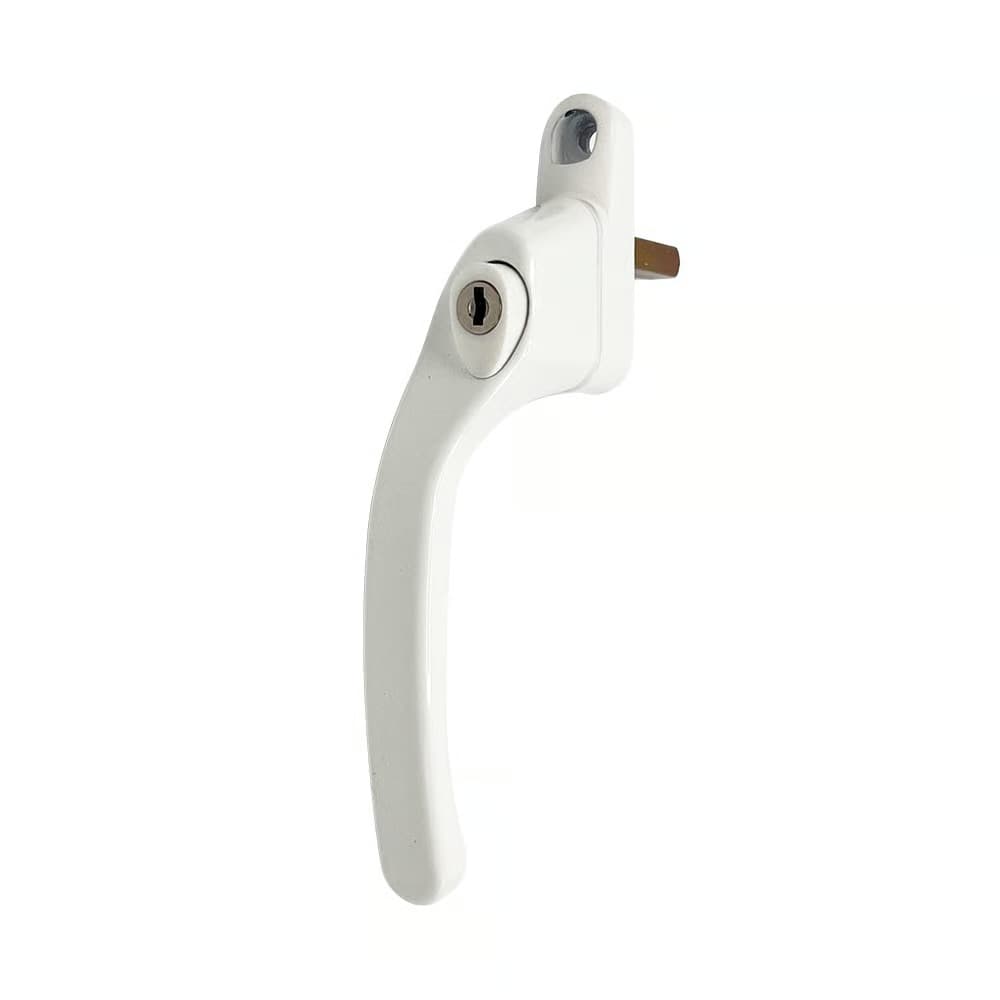
Black Window Handles: Handing and Orientation Explained
Black window handles are a popular choice for contemporary and traditional homes alike, offering a bold contrast against white frames and a discreet comple...
Black window handles are a popular choice for contemporary and traditional homes alike, offering a bold contrast against white frames and a discreet complement to darker finishes. Beyond aesthetics, choosing the correct handle orientation and handing is crucial for security, ease of use and long-term durability. This article explains how handing and orientation affect performance, how to measure for the correct handle, and practical installation and maintenance tips for homeowners and tradespeople.
Understanding handing and orientation
Handing refers to the direction a window handle operates relative to the frame: left-handed or right-handed. Orientation describes how the handle sits when the window is closed (horizontal, vertical, or at an angle) and whether the handle is used in a lockable or non-lockable configuration. For espagnolette and multi-point locking windows, handing determines which way the spindle or locking gear turns when the user operates the handle. Getting these details wrong can result in a handle that misfits the locking mechanism or fouls against adjacent frames or hardware.
Black window handles are available in the same range of handings and orientations as other finishes. Popular designs such as espagnolette handles, cockspur handles and traditional lever handles come in left and right versions and in fixed or reversible spindles. Selecting the right product depends on the window hardware type (espag, cockspur, or tilt-and-turn) and whether the handle will operate a locking gearbox.
Identifying the window type and mechanism
Start by identifying the type of window and the mechanism that the handle must operate:
- Espag (espagnolette) windows use a gearbox and lock keeps; handles for these usually have a square spindle and operate multiple locking points.
- Cockspur handles fit over the sash face and engage a keep on the frame; they are commonly used on older timber and PVCu windows.
- Tilt-and-turn windows have specific handles that include a multi-position gearbox or a euro-profile cylinder for security.
How to measure for handing and orientation
Accurate measurement prevents ordering the wrong handle. The practical steps are: 1. Measure the spindle length: Remove the existing handle and use calipers or a ruler to measure from the handle face to the end of the square spindle. Standard spindles include 7mm, 8mm and 10mm squared; length varies depending on frame thickness. 2. Check the spindle position at rest: Note whether the spindle is central, offset or at an angle when the handle is in the closed position. Record if the handle should sit horizontal, vertical or downwards when locked. 3. Identify left or right handing: Stand on the room side of the window facing the frame. If the handle sits on the left when the window is closed, it is left-handed; if on the right, it is right-handed. For reversible handles, confirm whether the spindle can be rotated or moved to suit. 4. Measure screw centres: Measure the distance between fixing screw holes on the existing handle to ensure the replacement will align without new drilling.
Accurate notes reduce installation time and ensure compatibility with existing locking gear.
Choosing the correct black handle for different installations
Selecting the right black window handles depends on the application:
- For modern multi-point locking systems, choose a secure espag handle specified for the gearbox and spindle size. The TSS Cockspur Window Handles offers secure locking and is available in common black finishes suited to contemporary frames.
- For simple refurbishment of older timber or PVCu windows where the handle fits over the sash, a reliable cockspur option such as the TSS Cockspur Window Handle provides a straightforward replacement and maintains traditional operation.
- For trade-level stock and commonly specified items, the TSS Offset UPVC Window Handles offers a balance of security, durability and value in a matt black finish.
Installation and adjustment tips
Installation should be undertaken with the correct tools and safety precautions. Key actionable tips:
- Ensure the handle is the correct handed version before fixing. Fit the handle onto the spindle and check operation before tightening screws.
- Use threadlocker on steel screws where vibration could loosen the fixings, but avoid adhesive on plated finishes that could mark the appearance.
- When replacing a cockspur handle, check the keep alignment; minor shimming of the keep can prevent binding.
- For espag handles, check the gearbox engagement by cycling the handle fully closed and open. If the handle feels stiff or loose, measure the spindle play and check gearbox wear; replace the gearbox if necessary.
- Use a torque-limited screwdriver for final screw tightening to avoid stripping fixings or cracking PVCu frames.
- For lockable handles, ensure the key operates smoothly and the handle returns to the correct resting orientation. If the key is hard to operate, check alignment rather than forcing the mechanism.
Maintenance and longevity for black finishes
Black finishes can be matt, textured or gloss. To preserve the appearance and operation:
- Clean handles periodically with a soft cloth and a mild detergent solution. Avoid abrasive pads and harsh chemicals that strip protective coatings.
- Lubricate moving parts annually with a light machine oil or specialised silicone lubricant designed for window hardware. Do not over-lubricate as excess oil attracts dust.
- Inspect fixings and gearbox wear during annual checks. Replace components that show corrosion or excessive play to maintain security.
- For coastal properties where salt air accelerates corrosion, select stainless internal fixings and consider handles with corrosion-resistant coatings.
Final specification checklist for ordering
Before ordering, use this checklist:
- Confirm window type (espag, cockspur, tilt-and-turn).
- Record spindle size and length.
- Note handle handing (left or right) and resting orientation.
- Measure fixing screw centres.
- Choose finish and corrosion rating suited to the property location.
- Order any necessary keeps, spindles and grub screws alongside the handle.
Related Reading
Explore more guides on related topics:
Part of our guide:
Complete Guide to Window Handles