uPVC Window Handles: Complete Buyer’s Guide
Choosing the right upvc window handles improves functionality, security and appearance. This guide explains the main types, measurements, fixing methods an...
Choosing the right upvc window handles improves functionality, security and appearance. This guide explains the main types, measurements, fixing methods and security features to consider, with practical advice for both homeowners and tradespeople when replacing or specifying handles.
Types of uPVC window handles
- Espag/espagnolette handles: Common on modern casement windows with a multi-point locking espagnolette system. These handles operate a spindle that turns a locking mechanism within the frame, providing secure multi-point engagement.
- Cockspur handles: Typically used on older or simpler casement windows where the handle’s hooked spur engages directly with a keep on the frame. They are surface-mounted and straightforward to fit.
- Monkey tail and lever handles: Traditional or decorative options available for timber-style frames but also in uPVC-compatible designs.
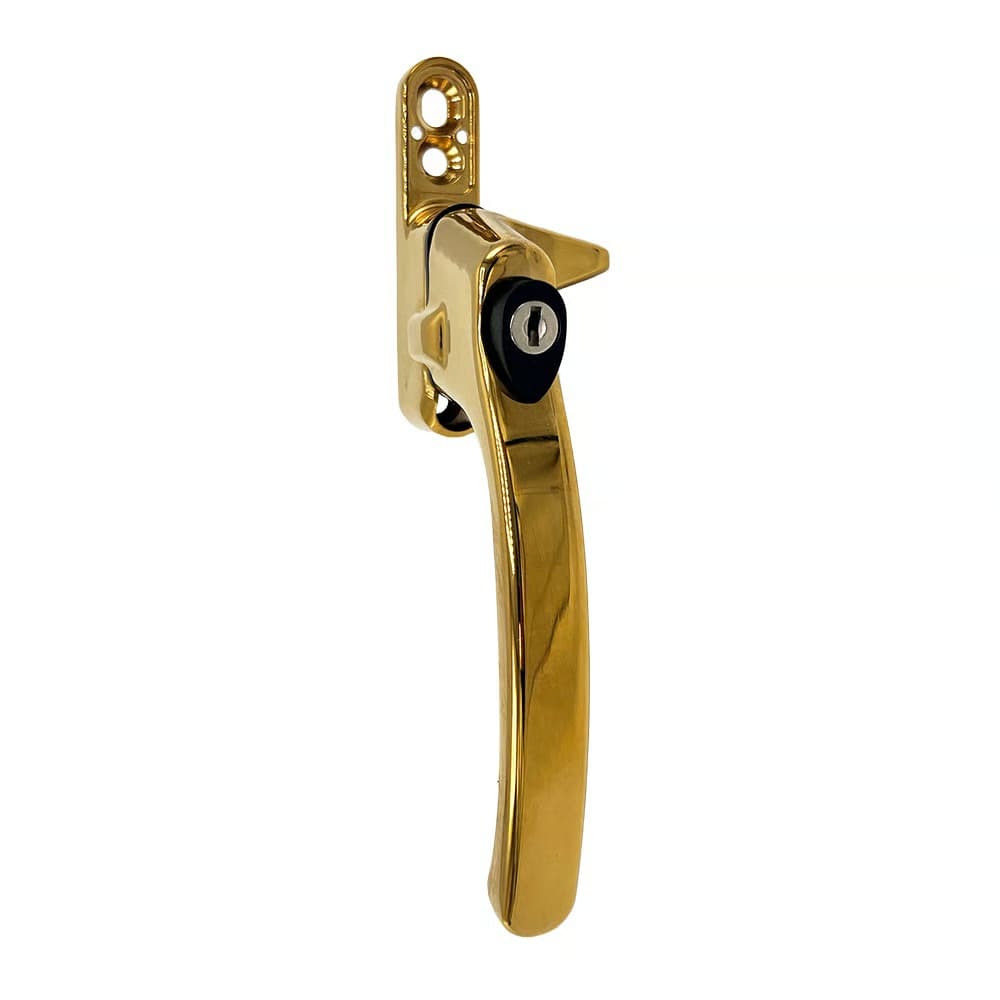
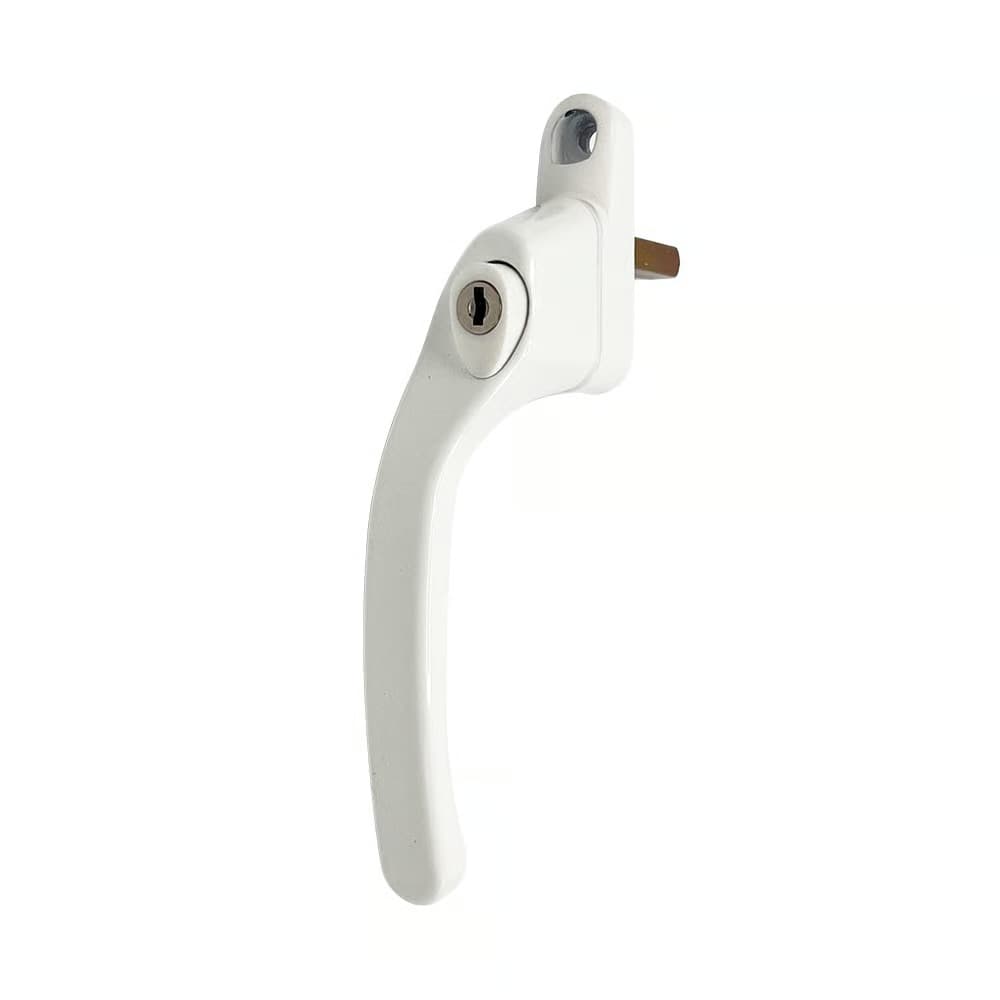
- Key-locking handles: Available in both espag and cockspur styles; incorporate a cylinder or integral lock for additional security.
Materials and finishes
uPVC window handles are usually made from zinc alloy or aluminium with a plastic or polyester coating. Common finishes include white, black, chrome, satin chrome and gold. Choose a finish that complements the frame and room interior; durable polyester powders provide the best resistance to weathering and finger marks in frequent-use locations.
Key measurements to check before buying
Accurate measurements prevent returns and ensure smooth installation:
- Centre distance (fixing centres): Measure between the two screw holes on the handle backplate. Common centres are 43mm for many espag and 92mm for some older cockspur styles; always verify the existing handle.
- Spindle length and square size: Espag handles use a square spindle (usually 7mm) of a given length. For lever/lever handles, measure the distance from handle to handle if replacing a set. Tradespeople should carry a selection of spindle sizes to fit varying frame depths.
- Backset and projection: For cockspur handles, check how far the spur projects to ensure it engages properly with the keep. For rebated frames, consider stepped backsets.
- Handing: Determine left or right-handed opening based on viewing from inside—this affects latch direction. Many espag handles are reversible, but some cockspurs are handed.
Security considerations
Security standards and features are crucial for both homeowner reassurance and compliance on new installations:
- Locking handles: Key-locking handles are recommended on ground-floor or accessible windows. Ensure the lock cylinder is robust and the handle meets relevant standards.
- Anti-snap and anti-bump features: For espag systems, the locking mechanism and keeps should resist forced entry. High-quality handles often incorporate reinforced fixings and secure spindle designs.
- Fixings: Use appropriate screws (often provided) and ensure the fixings bite into the frame material rather than just compressing the uPVC. For older frames that have been repaired, consider reinforcing with backing plates.
- Certification: Look for handles that are part of a compliant window system and ideally tested to the relevant security standards for the region.
Practical installation tips
Tradespeople and handy homeowners will benefit from these step-by-step pointers:
- Remove and inspect the old handle: Note spindle square size, screw centres and handing. Photograph for reference.
- Use correct tools: A good-quality screwdriver, a set of pliers and a rubber mallet help prevent damage to the handle or frame during removal and installation. A torque-limited drill should not be used for final screw tightening—hand-tighten to avoid crushing the uPVC.
- Match the spindle length: If the new handle’s spindle is too short, the handle will feel loose or fail to operate the lock. If too long, trim carefully and smooth the end to avoid catching.
- Check engagement: Before final tightening, operate the handle through its full travel to ensure the espagnolette or spur engages correctly with the keeps. Adjust keeps or strikes where necessary for smooth locking.
- Sealing: Ensure that when removing handles old sealing or foam packers are replaced. This prevents water ingress around the fixing points and keeps the frame insulated.
Maintenance and troubleshooting
Regular maintenance extends the life of handles and prevents operational faults:
- Clean with mild detergent and soft cloth; avoid abrasive cleaners that remove coatings.
- Lubricate the spindle and locking mechanism annually with a silicone spray or light machine oil—avoid greasy or sticky lubricants that attract dirt.
- Tighten fixings: Handles can loosen with frequent use; check and tighten screws periodically using the correct screwdriver to avoid stripping.
- Replace worn keeps: When handles feel floppy or the window does not lock fully, the likely cause is a worn keep or misaligned espagnolette. Replacing the keep is faster and cheaper than replacing the whole lock.
Choosing the right handle for the job
Select a handle based on the locking system, frequency of use and security requirements. For modern multipoint locking casements, a quality espag handle such as the TSS Cockspur Window Handles provides reliable operation. Where simplicity and economy are priorities on traditional frames, the TSS Cockspur Window Handle remains a proven option. For branded reassurance and broad spare-part availability, models like the TSS Offset UPVC Window Handles are commonly specified by installers.
Good planning—accurate measurement, choosing suitable security features and following proper fitting procedures—results in durable, secure and well-functioning window hardware. Tradespeople benefit from carrying a small range of common handles and spindles; homeowners should prioritise locking variants on accessible windows and arrange professional fitting where frames are compromised.
Related Reading
Explore more guides on related topics:
Part of our guide:
Complete Guide to Window Handles