uPVC Replacement Window Handles: FAQs
uPVC replacement window handles are a common maintenance item for homeowners and tradespeople working on modern windows. This article answers frequently as...
uPVC replacement window handles are a common maintenance item for homeowners and tradespeople working on modern windows. This article answers frequently asked questions about selecting, fitting and maintaining handles to ensure security, smooth operation and an appearance that matches the window’s style. Practical, actionable guidance covers measurement, types, compatibility and troubleshooting, helping users make confident choices and carry out replacements efficiently.
What types of uPVC replacement window handles are available
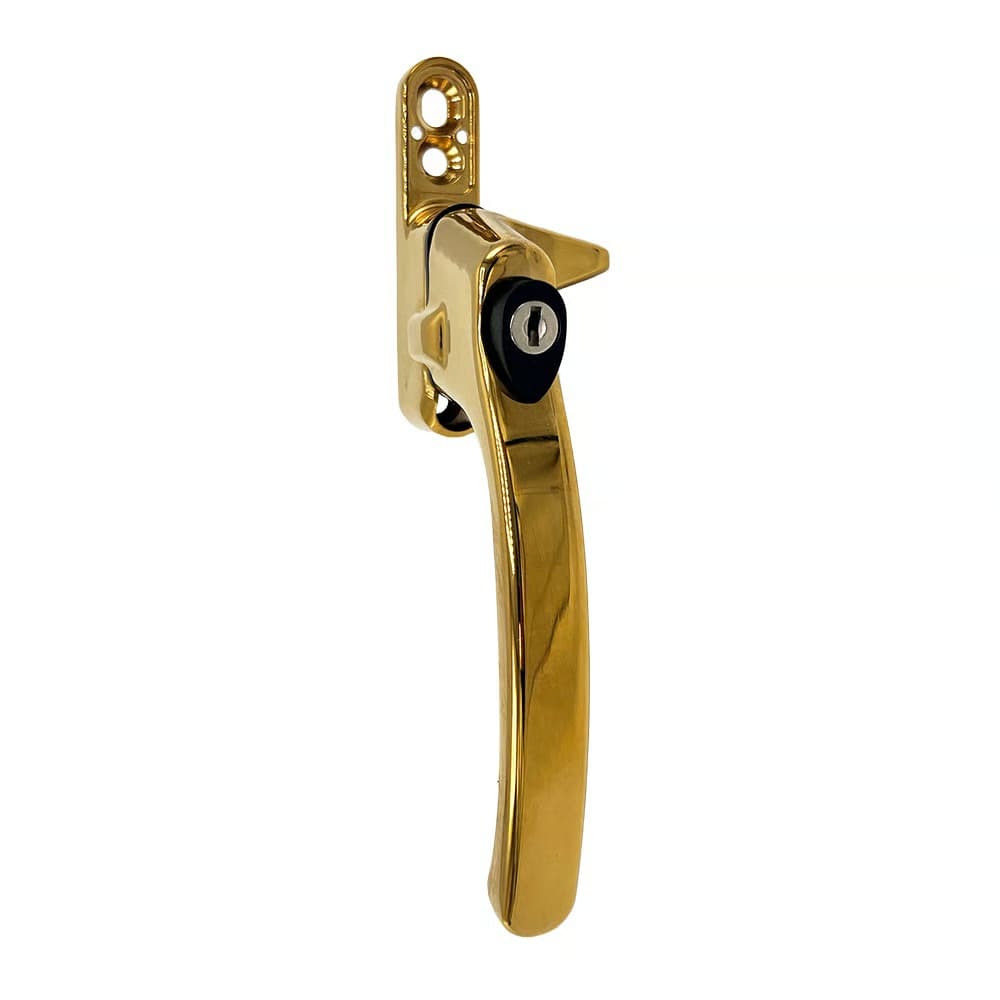
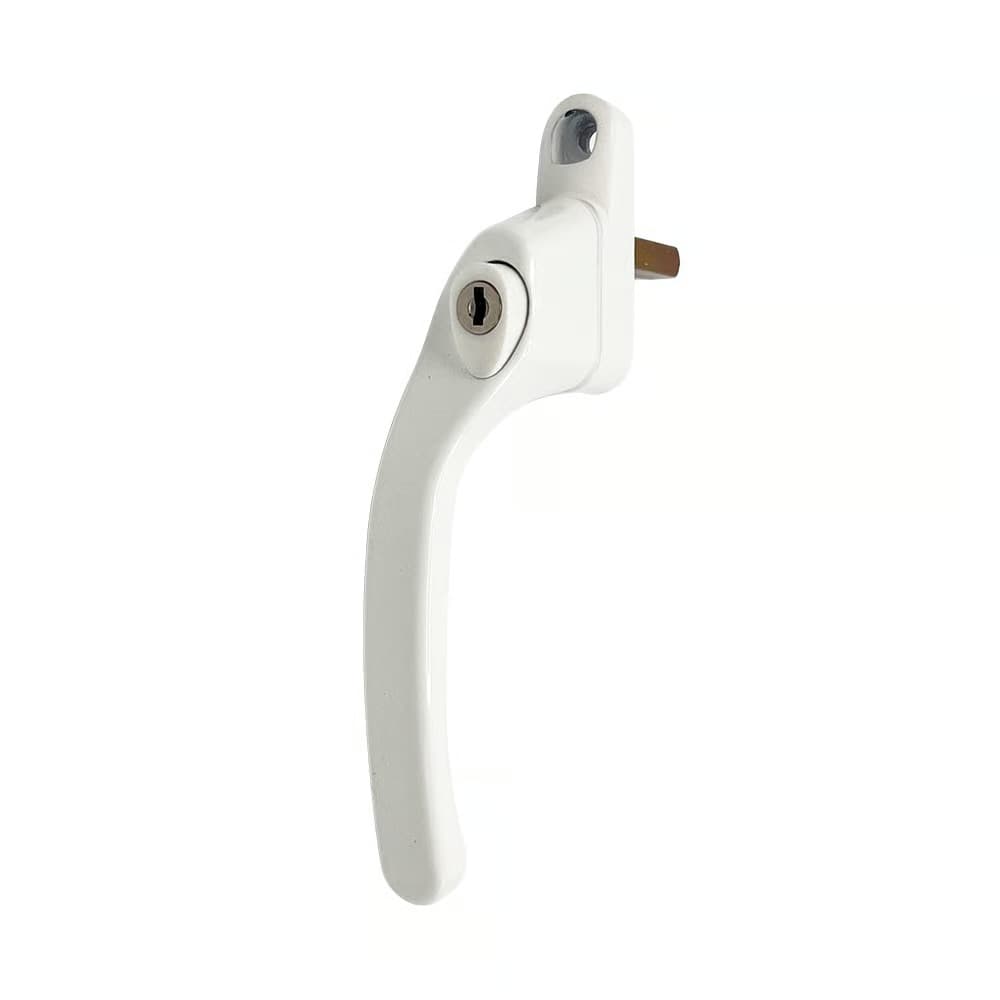
Common types of uPVC window handles include espagnolette (espag) handles, cockspur handles and tilt-and-turn or centre-locking variants. Espag handles operate a multi-point locking strip inside the frame and are typically found on casement windows. Cockspur handles are simpler surface-mounted options often used on older or cost-effective windows. Centre-locking handles, such as those used on tilt-and-turn windows, integrate locking points around the sash.For applications requiring enhanced security, there are handles with built-in locks or designs that work with high-security locking mechanisms. A widely used security option for casement windows is an espag handle with a strong spindle and robust fixing centres, such as the TSS Cockspur Window Handles. For straightforward, traditional replacements the TSS Cockspur Window Handle covers many simple retrofit needs, while the TSS Offset UPVC Window Handles offers a balance between style and secure operation for standard casements.
How to measure for a replacement handle
Accurate measurement prevents returns and simplifies installation. Important dimensions and features to check:- Fixing centres: Measure the distance between the screw holes on the handle backplate (centre-to-centre). Common sizes are 43mm and 48mm for espag handles, but variations exist.
- Spindle size and length: Determine the square spindle width (commonly 7mm or 8mm) and measure the required length to reach the internal mechanism without protruding beyond the handle.
- Backplate shape and size: Note whether the handle has a round rose or a long backplate; this may affect cover caps and whether the handle conceals existing screw holes.
- Handing and orientation: Confirm left- or right-hand operation by standing inside and noting which side the handle is on and which way it turns to close.
Compatibility with existing locking mechanisms
Compatibility depends on the type of lock inside the frame. For espag handles, the spindle usually actuates an espagnolette gearbox. If replacing an old handle with a new espag model, ensure the spindle type and fixing centres match. Cockspur handles mount on the surface and clamp onto the sash; these generally replace like-for-like but may require new screw holes if backplate sizes differ.When upgrading to a locking handle, verify that the locking latch or gearbox is compatible with the handle’s lock barrel. Some modern handles are designed to retrofit common hardware without altering the internal lock, while others require a change to the locking mechanism. Tradespeople should inspect the sash head and locking points before ordering to determine if additional parts (such as keepers or a new espagnolette strip) are necessary.
Tools and step-by-step fitting guide
Typical tools required: Phillips and flat screwdrivers, Torx set, pliers, tape measure, spirit level and a small hammer or mallet. For replacement where the window sash must be removed, a sash lifter or helper may be needed.Basic fitting steps for a surface-mounted handle: 1. Open the window and secure the sash. 2. Remove the old handle screws and extract the handle carefully to avoid scratching the profile. 3. Clean the area and slot out any broken spindle or debris. 4. Check the new handle’s spindle length and trim if necessary with a hacksaw and file to leave a clean end. 5. Align the new handle with fixing holes and insert screws. Tighten evenly but avoid over-torquing to prevent crushing the uPVC. 6. Test operation through the full range (open, close, lock) and adjust as required.
For espag handles that operate a gearbox, ensure the spline engages correctly and that the handle sits flush against the frame. If fitting a locking espag handle, test the key operation and confirm that all locking points engage smoothly.
Security and maintenance tips
Security considerations include using handles with integral locks on vulnerable ground-floor windows and ensuring the handle’s spindle and fixings are robust. For an additional deterrent, upgrade to handles that include secure escutcheons or are certified to a recognised standard.Maintenance is straightforward:
- Clean with a mild detergent and soft cloth; avoid abrasive cleaners that could damage the finish.
- Lubricate moving parts annually with a light silicone spray or graphite where recommended by the manufacturer.
- Tighten loose screws promptly; loose fixings can reduce locking effectiveness and cause wear.
- Inspect for corrosion or wear and replace any handle that bends, sticks or shows visible damage.
Troubleshooting common problems
Handles that feel stiff: Check for dirt in the gearbox and apply appropriate lubricant. Slight misalignment of the sash can also cause stiff operation; adjusting hinges may be necessary.Handle wiggle or loose screws: Remove and replace stripped screws and fit nylon or metal screw anchors where appropriate to provide a secure fixing in degraded uPVC.
Broken spindle or snapped handle: Replace the handle immediately; avoid improvised repairs. When the internal espagnolette is damaged, replacing the whole mechanism or strip is often the most reliable solution.
Choosing the right finish and style
Consider finish compatibility with other hardware on the property. Common finishes are white, satin chrome, and antique brass. Trade and refurbishment projects benefit from keeping a small stock of the most-used finishes and types to reduce installation delays.uPVC replacement window handles form a small but vital part of maintaining window function and security. Correct measurement, choosing the right type for the lock, and following simple installation and maintenance steps keeps windows operating smoothly for years. For additional technical details and broader options, consult the comprehensive Window Handles Guide.
Related Reading
Explore more guides on related topics:
Part of our guide:
Complete Guide to Window Handles