New Window Handles: Improving Smooth Operation and Security
Replacing or upgrading window hardware is a small job that can noticeably improve security, usability and appearance. This guide explains how to choose, measure and fit new window handles, with practical tips for different frame types and common compatibility issues.
Improved security: modern handles often work with multi-point locks or kitemarked cylinders to meet current standards.
Better operation: worn handles can be stiff or loose; new window handles restore smooth function.
Updated look: new finishes can refresh interior style without replacing entire windows.
Energy and weather performance: better seals and handles that close correctly help keep draughts out.
The phrase new window handles covers a wide range of products, from standard cockspur handles to euro-profile handles used with espagnolette systems. Understanding your window type is the first step.
Common handle types
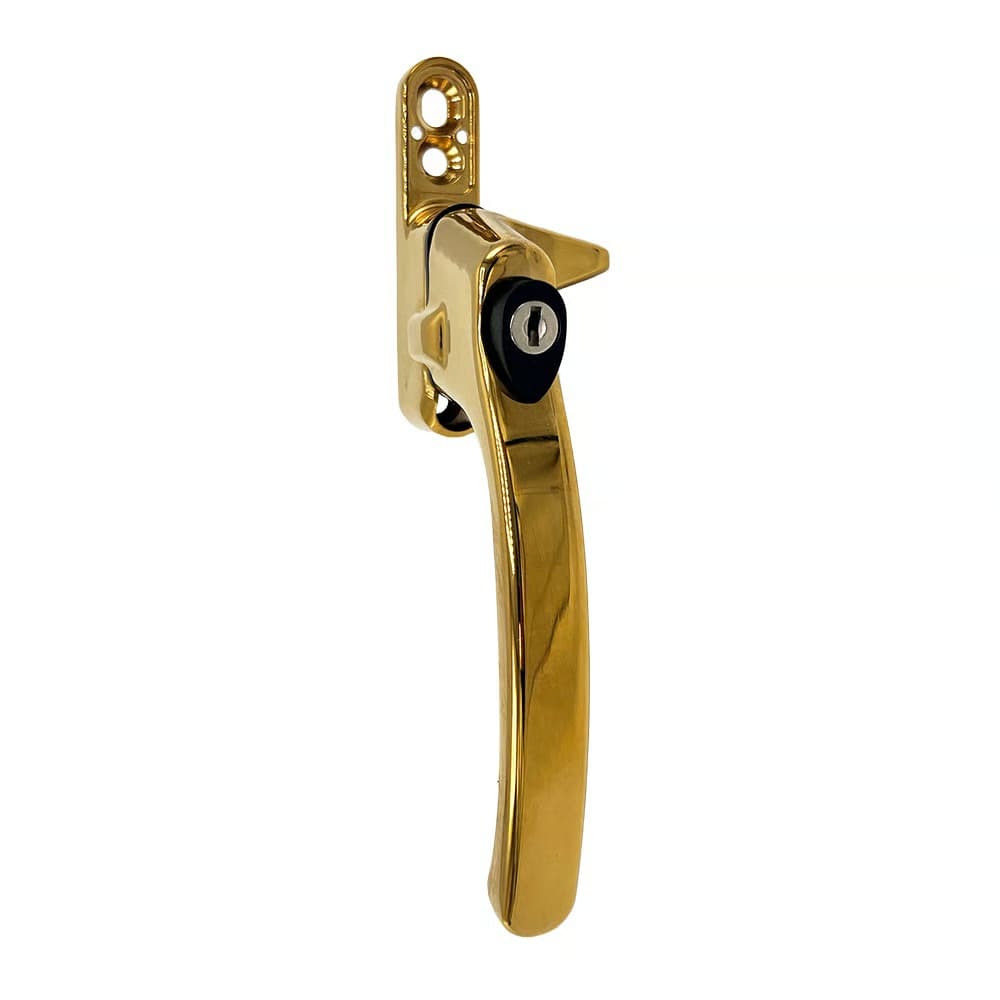
Cockspur handles: suited to older or simple casement windows; see TSS Cockspur Window Handles.
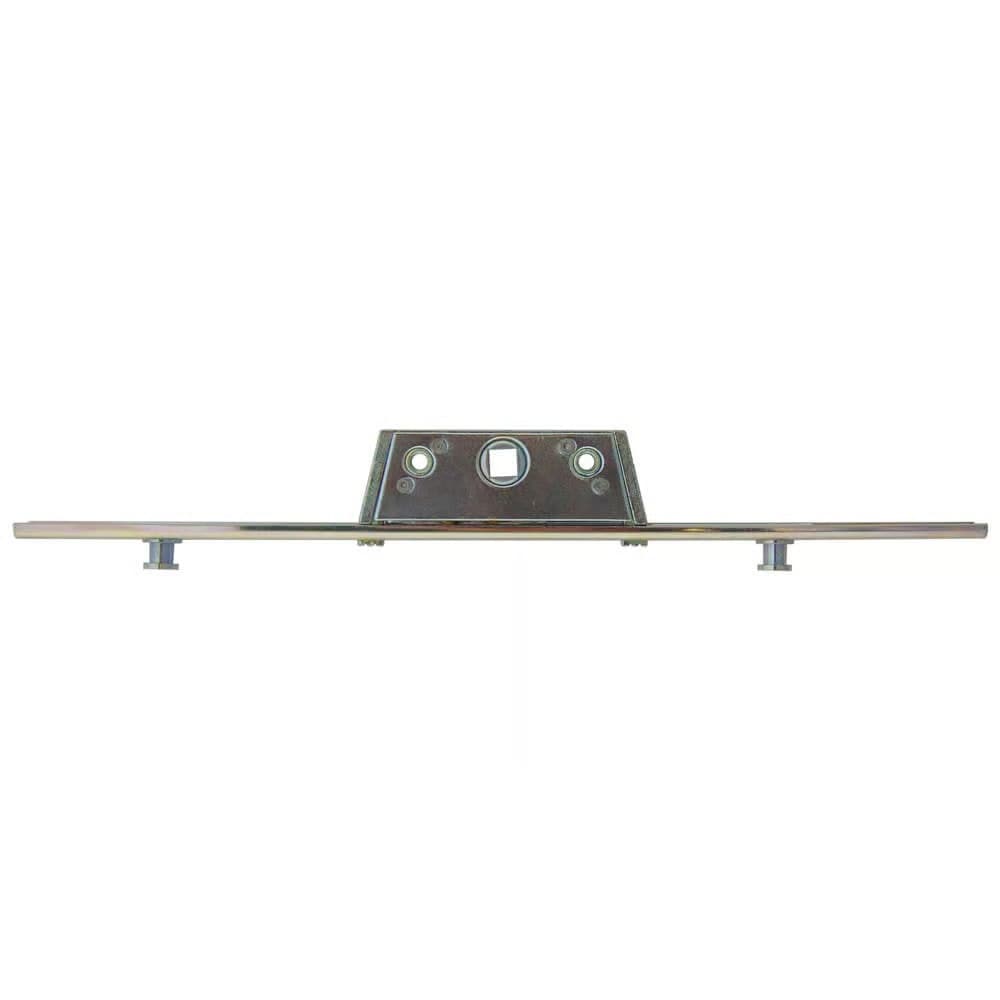
Espag (espagnolette) handles: used with espag locking mechanisms, including Avocet Slimline Offset Window Espag.
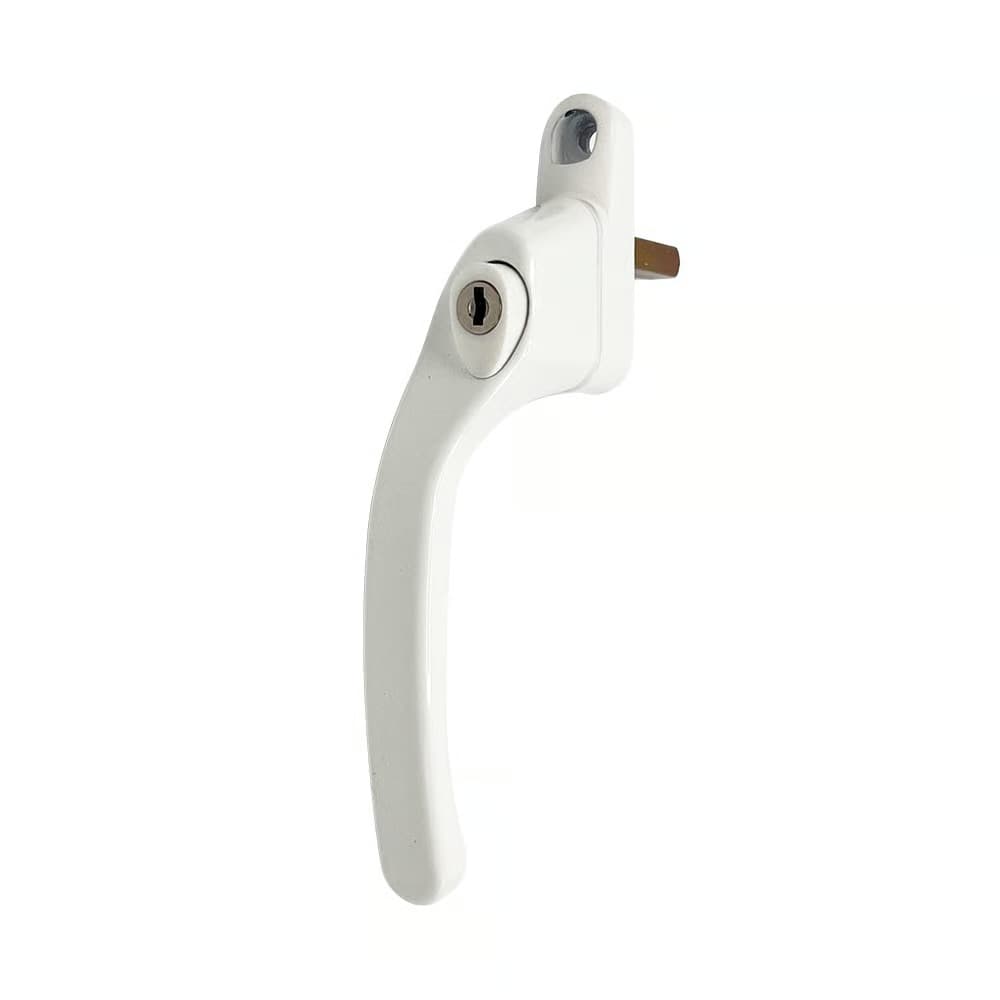
Offset and inline handles for UPVC: for replacement on modern uPVC windows see TSS Offset UPVC Window Handles and In-Line Window Mechanism.
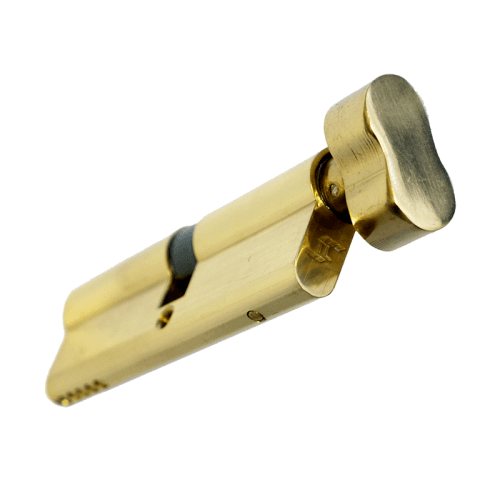
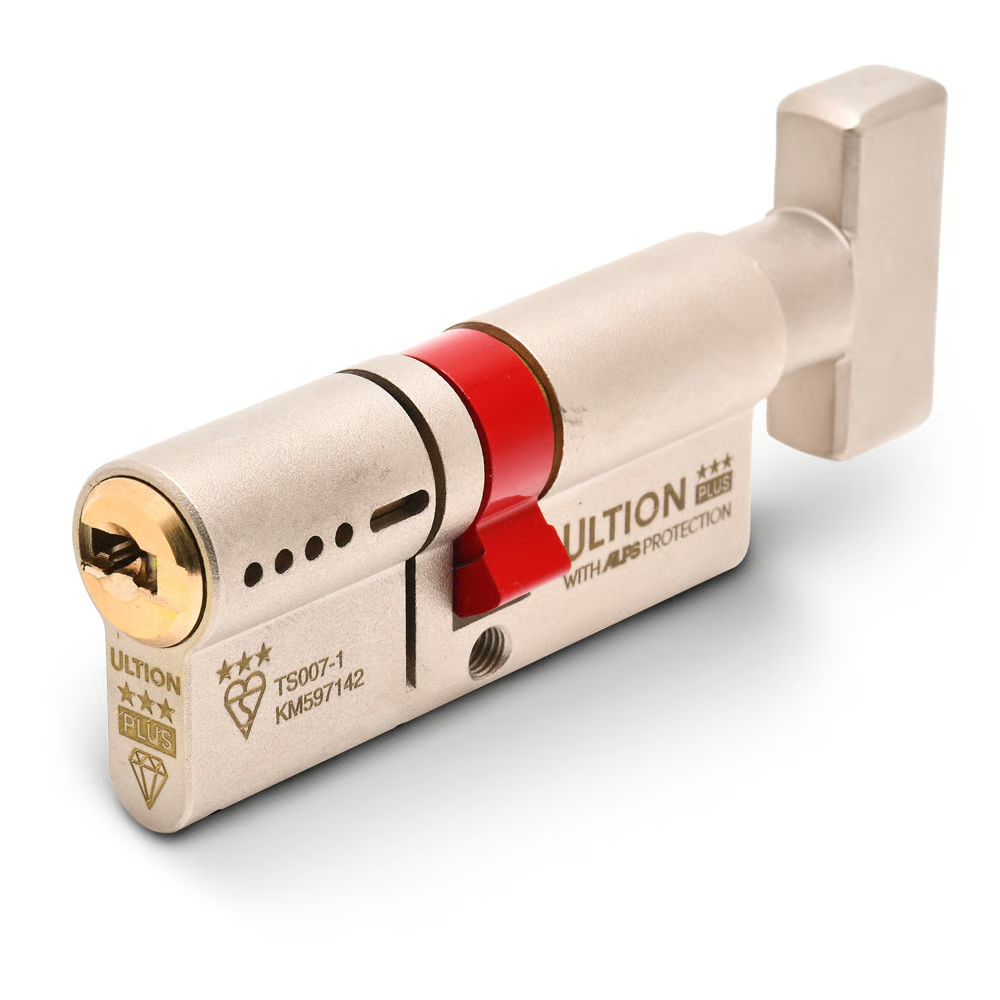
Thumb turn and euro cylinders: for secure locking from the inside use products such as TL Thumb Turn Euro Cylinder or a higher-security Ultion Plus TS007 3* Kitemarked Euro Key & Turn Cylinder.
Determine mechanism and orientation
Open the window and inspect the locking mechanism on the edge of the sash.
Look for the espagnolette rod or locking points; measure the backset (distance from handle spindle centre to the edge of the sash).
Note whether the handle is left- or right-handed and whether it is reversible.
Record the fixing centre to centre distance (commonly 43 mm on UPVC, but can vary).
Write these details down before ordering new window handles to avoid returns.
New window handles are available in a range of finishes: white, black, chrome, satin stainless, and brass tones. Choose a finish that matches existing hardware or complements the window frame.
Material considerations:
Zinc alloy: common, economical and often suitable for internal use.Aluminium: lightweight and corrosion-resistant.Stainless steel: best for coastal locations due to superior corrosion resistance; for a similar stainless solution in hinges.
Match the finish the handle to hinge and lock hardware where possible for a cohesive look.
Lockable handles: consider handles with a key or thumb turn that lock to prevent forced opening from outside; pair with a kitemarked euro cylinder such as Ultion Plus TS007 3*.
Cylinder protection: if fitting a new euro cylinder, ensure it is anti-snap, anti-drill and anti-pick.
Multipoint locking compatibility: if your window uses an espagnolette or multipoint system, choose an espag-compatible handle like Avocet Slimline Offset Window Espag.
Security is only as good as the weakest link: if you upgrade the handle, check sash, hinges and frame for damage.
Measure the spindle length: remove the existing handle and measure the square spindle from end to end.
Measure the screw centres: distance between the two fixing screws on the handle plate.
Check the backset: distance from spindle centre to outer edge of the sash.
Note the handle orientation and whether it is left- or right-handed.
If unsure, take photos of the existing handle and locking edge and show them to a supplier. This reduces the risk of buying incompatible new window handles.
Tools you will need:
Screwdriver setPencil and rulerReplacement handle and any supplied spindle or bolts
Fitting procedure:
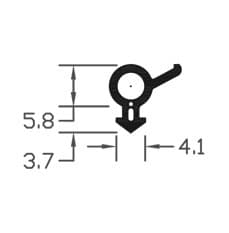
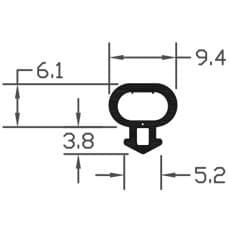
Unlock and open the window fully. Support the sash if necessary.Remove the old handle screws and pull the handle off the spindle.Clean the area and examine the spindle and mechanism. Replace any worn gaskets such as B003 Bubble Gasket or B004 Bubble Gasket if the sash seal is compromised.Insert the new spindle if supplied; ensure it is the correct length and engages the mechanism squarely.Fit the new handle, align the fixing holes and tighten screws evenly. Do not overtighten as this can deform plastic profiles.Test operation several times: open, close and lock. If the handle feels stiff, check for binding on the locking mechanism.
If fitting a new euro cylinder and thumb turn, follow manufacturer instructions and ensure the cylinder sits flush and is correctly centred.
Lubricate moving parts with a dry PTFE spray once a year. Avoid heavy oils that attract dust.
Tighten loose fixings promptly to prevent wear.
Replace bubbling or cracked seals with B003 or B004 bubble gaskets to maintain weather performance.
If a handle sticks, check the locking mechanism and hinges: Top-Hung Window Hinge - Standard may need adjustment on top-hung sashes.
Common issues:
Handle moves but window does not unlock: spindle may not be engaging; check spindle length and alignment.Stiff operation: binding at hinges or a misaligned espagnolette; adjust hinges or call a locksmith if unsure.
Fitters are recommended when:
You suspect multipoint locking is damaged.You need to replace or upgrade a euro cylinder with security ratings; a professional can ensure proper fit and security compliance.The sash or frame is warped, making alignment adjustments necessary.
A competent installer will also confirm compatibility with in-line mechanisms or other hardware such as In-Line Window Mechanism.
When replacing handles, consider these complementary upgrades:
New gaskets for better draught-proofing (B003 and B004 bubble gaskets: /p/b003-bubble-gasket and /p/b004-bubble-gasket).Upgraded cylinders for improved security: TL Thumb Turn Euro Cylinder or Ultion Plus TS007 3*.Adjusting or replacing hinges such as Top-Hung Window Hinge - Standard or Flag Door Hinge - Stainless Steel for better alignment and durability.
Explore more guides on related topics:
Replacing new window handles is an achievable DIY job provided you identify the correct handle type and measure carefully. Prioritise compatibility and security: choose handles that match your locking mechanism and consider upgrading cylinders and seals at the same time. For multipoint or complex issues, seek professional help. With the right parts and a little care, new window handles will improve both function and appearance.
For specific parts, , TSS Offset UPVC Window Handles, Avocet Slimline Offset Window Espag and the Ultion Plus TS007 cylinder to match your replacement needs.