Handles for Windows
Choosing the right handles for windows is about more than appearance. The correct handle affects security, ease of use, weather-sealing and compatibility with the window mechanism. This guide explains the main types of window handles, how to choose them for different windows and step-by-step practical advice for fitting and maintaining them.
Handles are the user interface between a person and the window. A poorly chosen handle can cause:
Difficulty opening and closing, especially for elderly users or children.
Reduced security if the handle does not accept secure cylinders or does not work with locking mechanisms.
Premature wear on the window mechanism if the handle does not match the gear or espag.
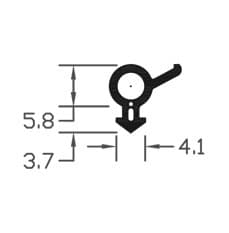
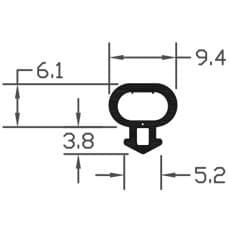
A poor seal, letting in draughts or moisture when paired with worn gaskets such as the B003 or B004 bubble gasket.
Selecting compatible hardware, including hinges and espagnolette systems, keeps windows functioning smoothly.
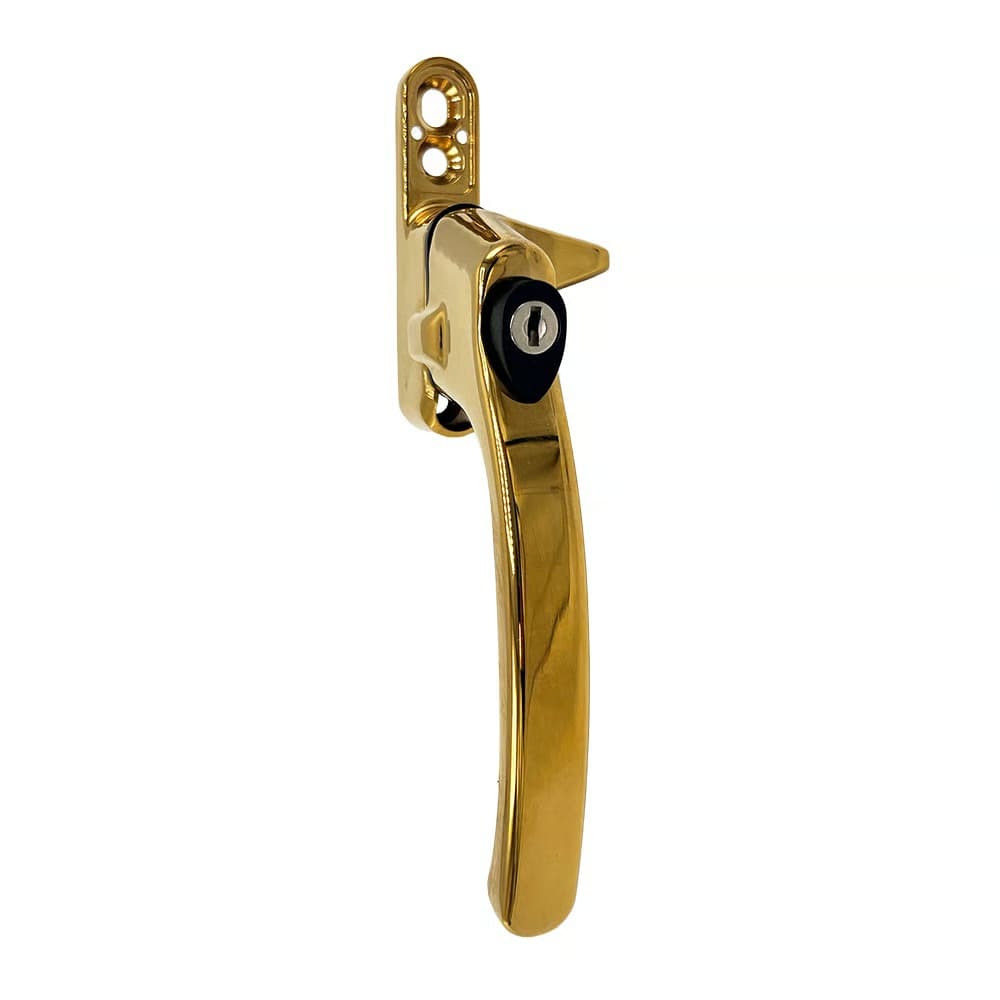
Cockspur handles
TSS Cockspur Window Handles are simple and widely used on casement windows. They bear against the frame when closed, squeezing the seal. Pros include low cost and straightforward operation. Downsides are security limits and the potential to catch curtains.
Suitable for: older timber and cheaper uPVC windows where high security is not a primary concern.
Espag/espagnolette handles
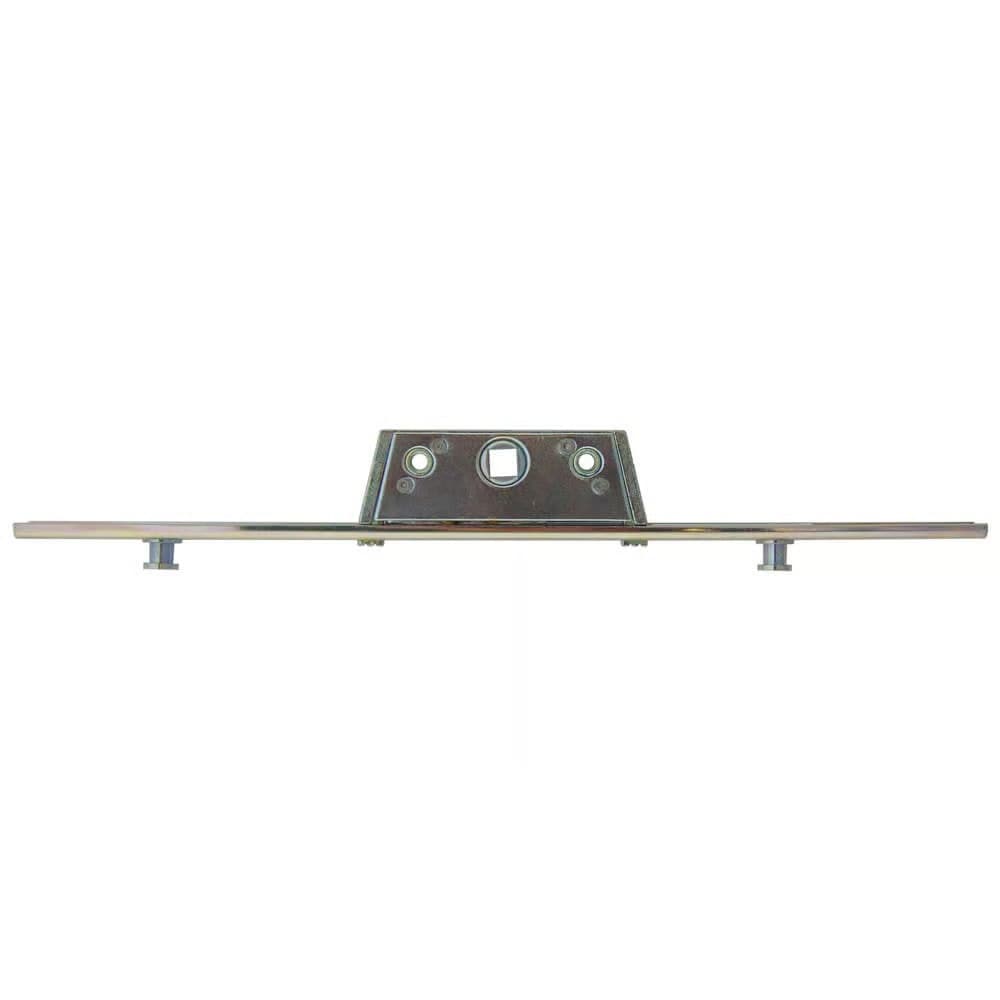
Avocet Slimline Offset Window Espag handles are designed to operate multi-point espagnolette mechanisms. They provide neat operation and good sealing because the espag compresses the sash to the frame along its length.
Suitable for: modern uPVC or aluminium windows with espag systems, often offering better security and weather performance.
Offset uPVC handles
TSS Offset UPVC Window Handles are specifically profiled for uPVC frames where the handle needs an offset to clear the profile or be ergonomically positioned.
Suitable for: replacement handles on uPVC frames where the spindle or fixing positions require an offset design.
Thumb-turn and key-operated handles
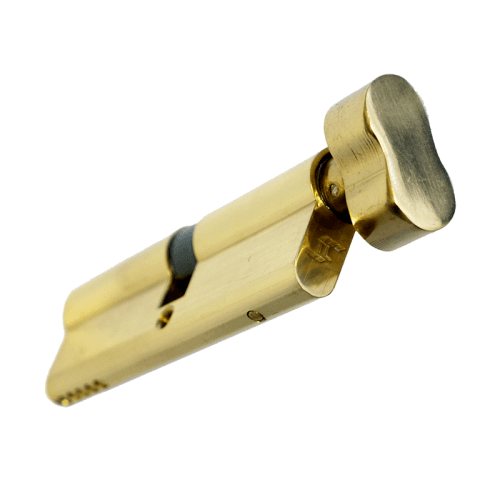
TL Thumb Turn Euro Cylinder offers a convenient solution where quick internal locking is required without a key. For higher security, pair handle-compatible cylinders such as the
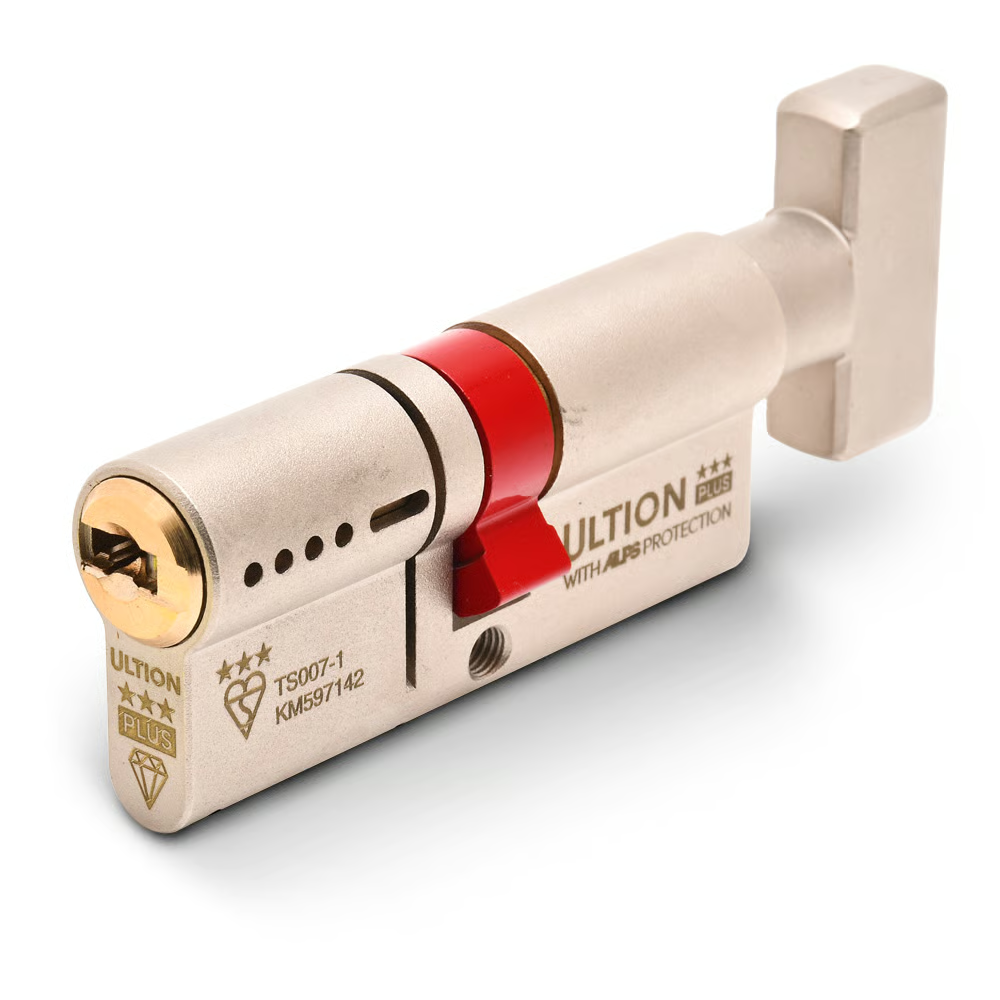
Ultion Plus TS007 3* Kitemarked Euro Key & Turn Cylinder.
Suitable for: windows that require occasional locking for security or child safety but where quick release from the inside is desirable.
Selecting handles should always consider the underlying window mechanism:
In-line and espagnolette systems: If your window uses an in-line mechanism or an espag, choose an appropriate espag handle such as the Avocet Slimline Offset Window Espag.
Hinged windows: Top-hung windows use specific fittings; check compatibility with the Top-Hung Window Hinge - Standard. Side-hung casements may use different hinge geometry.
Seals and gaskets: If you have degraded seals, consider replacing them with B003 Bubble Gasket or B004 Bubble Gasket when refurbishing; a fresh gasket improves compression and reduces draughts when used with the correct handle type.
Security cylinders: For keyed locking, choose cylinders that fit the handle profile and achieve the required security rating, for example Ultion Plus TS007.
Cross-check measurements and fixing centres before buying replacements.
Measure the spindle length: Remove the existing handle and measure the spindle protrusion from the face of the handle back to the gearbox or through the sash. Common lengths vary; ensure the new handle’s spindle will engage the mechanism fully.
Fixing hole centres: Measure the distance between mounting screws on the handle backplate. Many handles use standard centres but check to avoid drilling new holes unnecessarily.
Backset and offset: For uPVC handles, measure the offset from the outer face of the handle to the centre of the spindle. This determines whether you need an offset model like TSS Offset UPVC Window Handles.
Cylinder size: If using a key-locking handle, measure the euro cylinder length required from end to centre to end and select a cylinder like the Ultion Plus TS007 with matching dimensions.
Record all measurements and compare them to product pages such as In-Line Window Mechanism and Avocet Slimline Offset Window Espag to ensure compatibility.
Tools you will need: Phillips and flat-head screwdrivers, hex keys if required, tape measure, penetrating oil, a soft cloth.
Remove the old handle: Open the window to access screws. Remove fixing screws and slide off the handle. Apply penetrating oil if screws are seized.
Measure spindle and hole centres: Confirm the replacement handle matches the spindle length and fixing centres.
Fit the new handle: Slide the new handle onto the spindle, align the fixing holes and start screws by hand to avoid cross-threading.
Tighten screws evenly: Do not overtighten; snug is enough. Check the handle operates the mechanism smoothly and that the window locks properly.
Test security: If the handle is keyed or thumb-turn, test lock and unlock from both sides where applicable. For cylinder-equipped handles, ensure the cylinder engages without binding.
For windows with complex gearboxes or espags, support the sash while working and consider a second person to steady the window.
Fit a kitemarked cylinder where security is a priority; Ultion Plus TS007 offers recognised resistance to forced entry.
Keep moving parts lightly lubricated with a silicone spray; avoid heavy oils that attract dust.
Replace worn gaskets such as B003 Bubble Gasket or B004 Bubble Gasket to maintain weather performance.
Inspect hinges and mechanisms: check the Top-Hung Window Hinge - Standard and flag hinges for play or wear that may misalign the handle operation.
For refurbishment projects, replace related hardware at the same time: hinges, espags and gaskets age together.
Call a professional if:
The window sash is stiff and does not operate after replacing the handle; this can indicate a misaligned hinge, sash distortion or gearbox issue.
You need to replace the espagnolette or in-line mechanism; complex gearbox replacement is best left to a technician.
The lock cylinder requires extraction due to breakage; professionals have extraction tools and replacement cylinders like Ultion Plus TS007.
Confirm handle type: cockspur, espag, offset uPVC, or keyed.
Measure spindle length and fixing centres accurately.
Check compatibility with existing mechanism: in-line, espag or gearbox.
Decide on security level: thumb-turn or kitemarked cylinder.
Consider replacing gaskets and hinges at the same time for best performance.
In-Line Window Mechanism: /p/tss-inline-espags-22mm-backset
Top-Hung Window Hinge - Standard: /c/window-hinges
B003 Bubble Gasket: /p/b003-bubble-gasket
TL Thumb Turn Euro Cylinder: /p/tl-thumb-turn-euro-cylinder
TSS Cockspur Window Handles: /p/tss-cockspur-window-handles
Avocet Slimline Offset Window Espag: /p/avocet-slimline-offset-window-espag
Flag Door Hinge - Stainless Steel: /c/doors-hinges
TSS Offset UPVC Window Handles: /p/tss-offset-upvc-window-handles
B004 Bubble Gasket: /p/b004-bubble-gasket
Ultion Plus TS007 3* Kitemarked Euro Key & Turn Cylinder: /p/ultion-plus-ts007-3-kitemarked-euro-key-turn-cylinder
Choosing and fitting the correct handles for windows improves security, usability and weather performance. With careful measurement and attention to compatible parts, many replacements are straightforward DIY jobs. For complex faults or high-security installations, consult a professional to ensure correct operation and peace of mind.
Explore more guides on related topics: