Replacement Double Glazed Window Handles: Spindle Length Explained
Replacement double glazed window handles are a common maintenance item for homeowners and tradespeople. Correct spindle length is the most frequent reason...
Replacement double glazed window handles are a common maintenance item for homeowners and tradespeople. Correct spindle length is the most frequent reason a replacement handle fails to fit or operate smoothly. This article explains how spindle length works, how to measure it, and practical steps to select and fit the right replacement so the handle engages the locking mechanism reliably.
Why spindle length matters
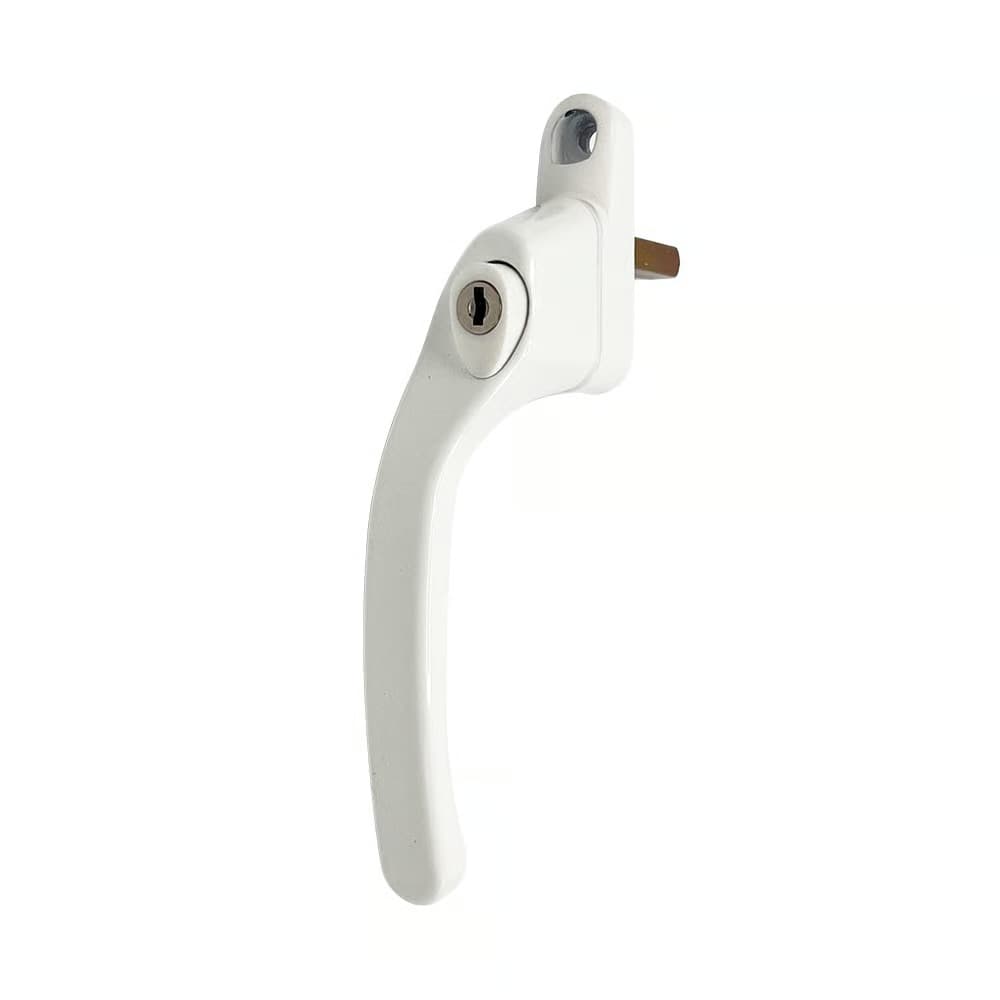
The spindle is the square metal rod projecting from the back of a handle into the lock or gearbox within the window. If the spindle is too short the handle will not reach the gearbox and will spin without operating the locking cams. If it is too long the handle may bottom out, prevent the lock from fully engaging, or place undue stress on the mechanism and handle fixing. Choosing the correct spindle length ensures secure operation, prevents wear and avoids the need to modify window hardware.
Common handle types and spindle designs
Different handle types use different spindle locations and lengths:
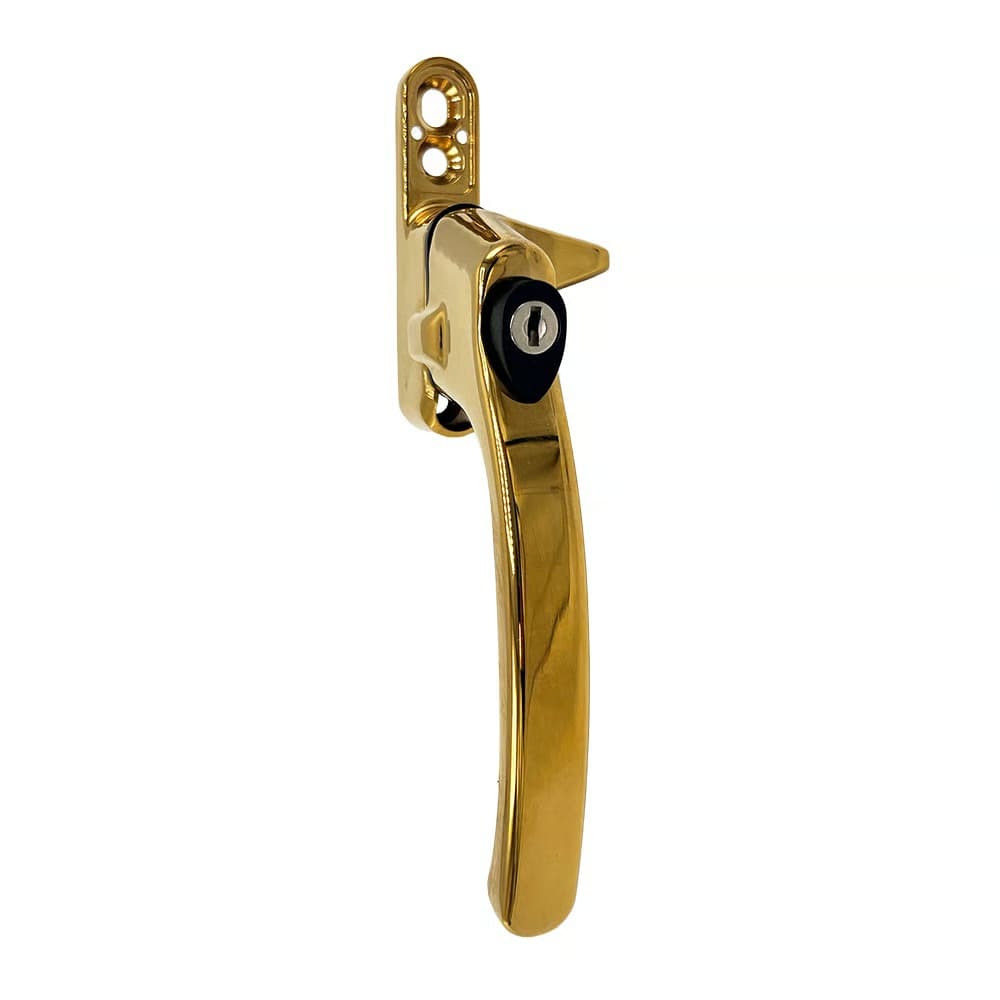
- Espag and casement handles commonly use a central square spindle designed to operate a gearbox or espagnolette. Examples include the TSS Cockspur Window Handles, which suits many modern UPVC and timber double glazed units.
- Cockspur and monkey tail handles usually have a right-angled or slotted spindle that engages the keep directly; the TSS Cockspur Window Handle illustrates this style.
- Bolt-through or screw-fixed designs may accommodate longer spindles and provide additional stability; the TSS Offset UPVC Window Handles is a typical screw-fixed option.
How to measure spindle length accurately
Accurate measurement prevents ordering the wrong part. Follow these steps:
1. Remove the old handle: Loosen and remove the screws holding the handle to the frame. Lift the handle clear so the spindle is visible. 2. Measure the visible portion: Use digital callipers or a steel rule to measure from the handle backplate face (the point where the handle sits against the frame) to the tip of the square spindle. Record to the nearest millimetre. 3. Check total spindle length where necessary: Some configurations require the total spindle length including the part inside the gearbox. If the spindle is removable, measure its full length from end to end. 4. Note spindle shape and orientation: Record whether the spindle is fully square, tapered, dog-pointed, offset (for cockspur), or slotted. Photographs from multiple angles help when ordering. 5. Measure backset and fixing centres: Measure the distance from the handle backplate face to the screw centres, and centre-to-centre of fixing screws. Many handles are supplied with specific fixing centres (e.g. 37 mm, 43 mm) which must match the window frame or use blanking caps.
Record both spindle length and fixing measurements on a short checklist before searching replacement parts.
Practical guidance on choosing the correct spindle length
- Match the visible spindle length: The simplest rule is to match the measurement taken from the face of the handle to the spindle tip. Most suppliers list this as “spindle projection” or “spindle length”.
- Allow for gearbox depth: Some gearboxes are set deeper; if the new handle sits proud of the frame more than the old one, consider a 5 mm shorter spindle to avoid bottoming out.
- Consider adjustable spindles: Some replacement handles come with a removable or adjustable spindle (e.g. break-off sections). These offer flexibility and can save time on site.
- Choose the correct square size: The common square sizes are 7 mm and 8 mm in the UK; confirm the square cross-section before ordering.
- For cockspur or offset types: Ensure the reproduction matches the offset and angle—not just the length—otherwise the keep won’t engage correctly.
Fitting the replacement handle: step-by-step
1. Prepare the surface: Clean the frame face and check that the gearbox or spindle hole is free from debris and corrosion. 2. Test-fit the spindle: Slide the spindle into the gearbox and check engagement without fixing the handle. Rotate gently to ensure the gearbox moves. 3. Fit and align backplate: Position the handle and align the screw holes. Use the recorded fixing centres to ensure compatibility. 4. Fit fixings progressively: Tighten screws incrementally to pull the handle flush, avoiding over-tightening which can distort the handle or strip plastic frames. 5. Test operation: Operate the handle through its full travel several times. Check for smooth action and that locking cams fully engage into the keeps. 6. Adjust if required: If the handle binds or does not operate fully, remove and check for debris, incorrect spindle length, or misaligned gearbox. Minor trimming of a long spindle is possible with a hacksaw, but replace a short spindle instead of modifying the gearbox.
Troubleshooting common problems
- Handle spins freely: Most commonly caused by a missing or worn spindle, or incorrect spindle length. Verify the square fits the gearbox and that the spindle isn’t sheared inside.
- Handle is stiff or won’t operate: Look for bent spindles, obstructions in the gearbox, or an incorrectly positioned keep. A drop of light machine oil can free sticky mechanisms, followed by cleaning and replacement parts if wear is evident.
- Screws strip or holes enlarged: Use slightly longer screw fixings or plastic anchors designed for UPVC where original threads have failed. Avoid overtightening.
Ordering and stock considerations for tradespeople
Trade users benefit from common spares such as 7 mm and 8 mm spindles in several lengths, and a selection of espag and cockspur handles for rapid replacement. Keep a small stock of universal handles with adjustable spindles to cover a range of jobs. Confirm lead times and return policies before bulk buying, and provide photographs and measurements when ordering non-standard items to ensure compatibility.
Replacement double glazed window handles are straightforward to replace when correct spindle length and handle type are confirmed. Accurate measurement, noting spindle square size and fixing centres, and following careful fitting practice minimise callbacks and premature failures. For more about handle styles, maintenance and measurements see the broader Window Handles Guide.
Related Reading
Explore more guides on related topics:
Part of our guide:
Complete Guide to Window Handles