How to Replace Window Handles for uPVC Windows: Quick Checklist
Replacing window handles on uPVC windows is a straightforward maintenance task that improves security, operation and appearance. This guide provides a prac...
Replacing window handles on uPVC windows is a straightforward maintenance task that improves security, operation and appearance. This guide provides a practical, step‑by‑step checklist for homeowners and tradespeople, covering preparation, tools, removal, fitting and testing. The instructions focus on common handle types and safety, with actionable tips to complete the job efficiently and avoid common pitfalls.
Before you start: identify the handle type and mechanism
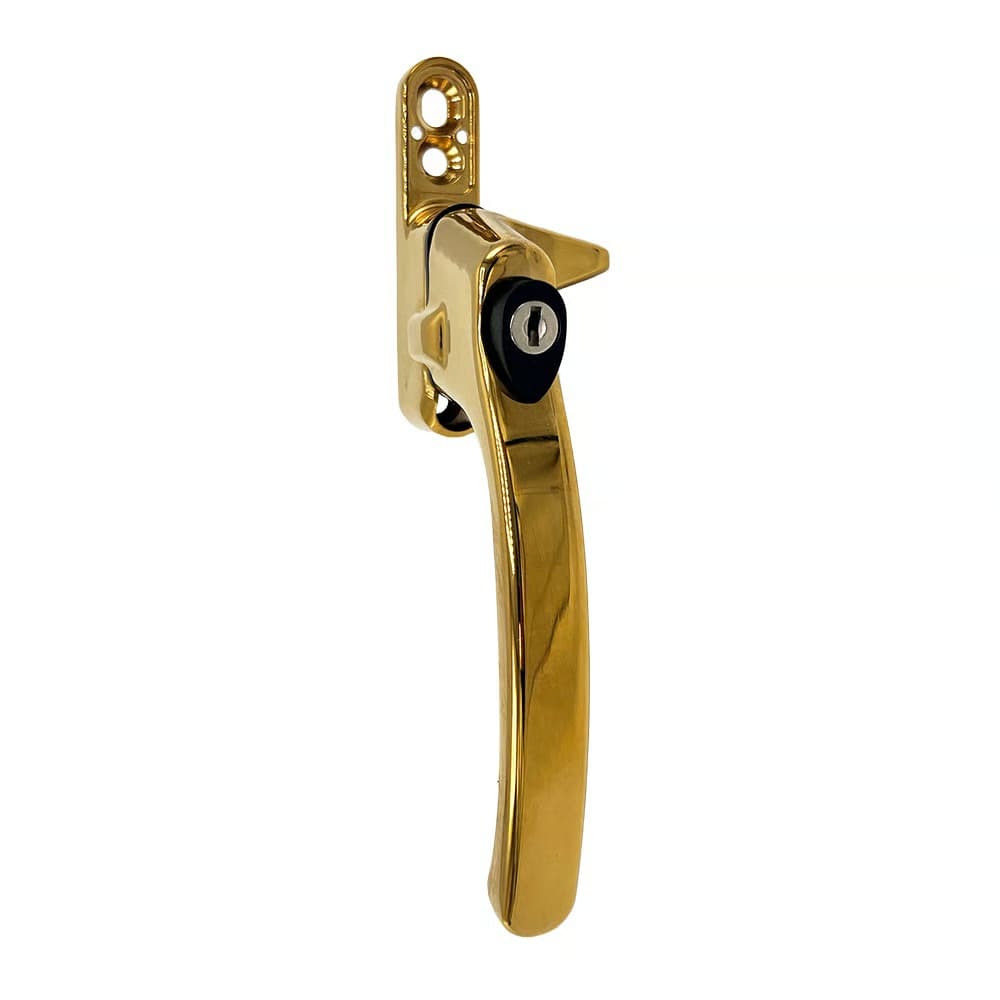
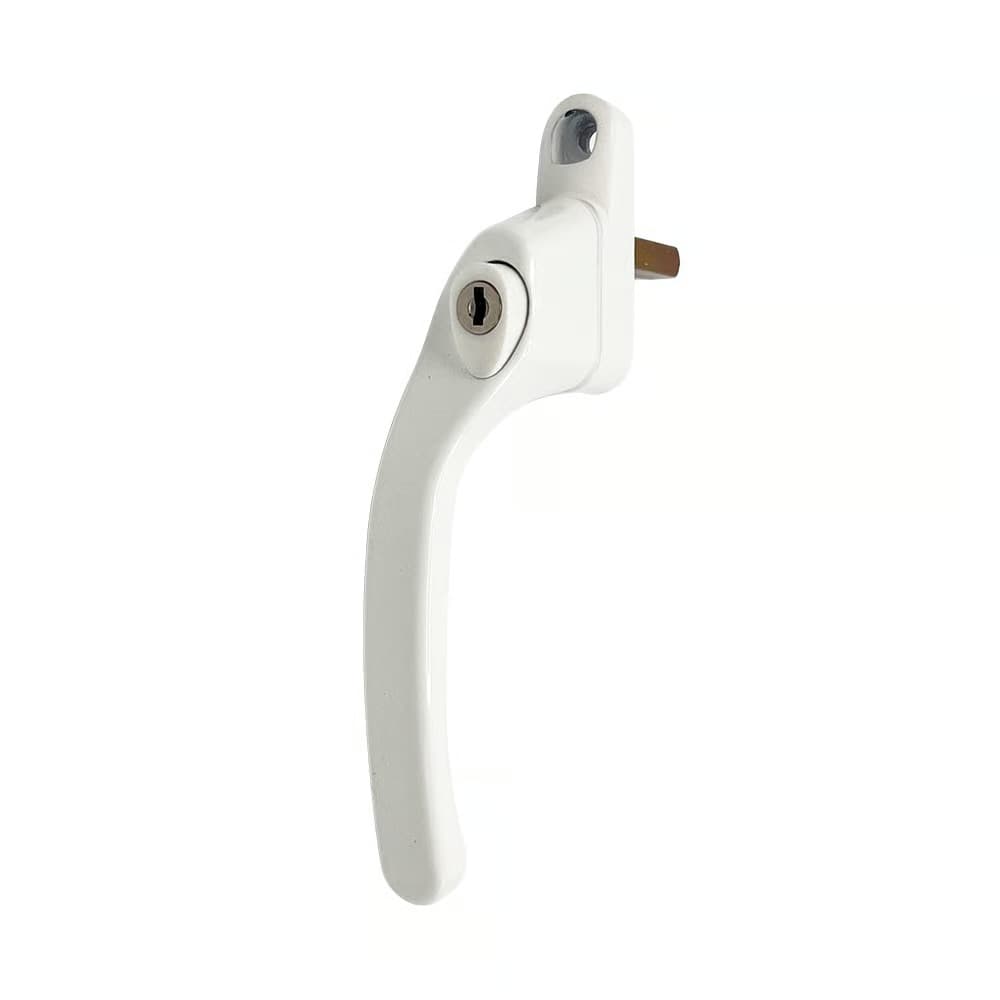
Correct identification of the handle type determines the replacement method and the part required. Common uPVC window handle types include espagnolette (espag) handles used on casement windows, cockspur handles for older-style windows, and lever or D-handles for tilt-and-turn or vertical sliders.Measure the existing handle and note the spindle width, screw positions and overall colour/finish. Many handles are reversible for left or right hand operation; check whether the handle is handed before ordering. Where the handle operates an espagnolette locking rod, replacement requires a matching spindle length and screw centres.
Selecting a quality replacement ensures longevity. Recommended options include the TSS Cockspur Window Handles for espag systems, TSS Offset UPVC Window Handles for a robust lever option, and the TSS Cockspur Window Handle for traditional cockspur applications.
Tools and materials checklist
Gather the right tools to avoid delays:- Phillips and flathead screwdrivers (magnetic preferred)
- Allen keys (4 mm commonly used)
- Replacement handle with matching spindle and fixings
- Tape measure and vernier caliper (for spindle measurement)
- Soft cloth and mild cleaner (to clean around the fitting)
- Masking tape and pencil (to mark screw holes if needed)
- Small container for screws and components
Step‑by‑step removal of the old handle
1. Fully open the window to access the handle base plate and screws easily. 2. If the handle has a locking button or cover cap, release it and remove any concealing cover by levering gently with a flathead screwdriver wrapped in cloth to prevent scratching. 3. Unscrew the fixing screws that secure the handle to the window frame. Keep screws in a container to avoid loss. 4. Withdraw the handle straight off the spindle. If the handle is stiff, gently rock it while pulling; avoid excessive force that could damage the spindle or locking unit. 5. Inspect the spindle and handle housing. If the spindle is worn, bent or corroded, it should be replaced to ensure the new handle operates smoothly. 6. Clean the area around the handle mounting point to remove grime and old lubricant.Fitting the new handle: alignment and fixation
1. Compare the new handle’s spindle size and screw hole alignment with the old one. Use a vernier caliper for accurate spindle measurement if necessary. 2. Insert the spindle into the lock mechanism, ensuring it engages fully with the gear block. Confirm the handle sits flush against the frame. 3. Hold the handle in the closed position and start the fixing screws by hand to make sure threads align correctly. Avoid cross-threading by turning screws slowly until they catch. 4. Tighten screws alternately and evenly to secure the handle without over‑tightening. Over-tightening can crack the plastic frame or strip the screws. 5. Refit any cover caps or security buttons. For anti‑snap or ProSecure handles, follow manufacturer instructions for the orientation of security elements.Adjusting and testing operation
Proper testing prevents future call‑backs:- Operate the handle through its full travel several times to confirm smooth action without binding.
- Close and lock the window to verify the espagnolette or locking arm fully engages the keep. If the handle feels stiff or incompletely engages, slightly loosen the screws and realign before retightening.
- Check for draughts or misalignment of the sash that might affect handle operation. Minor sticking can often be resolved by easing the keep plates or adjusting the espag rod with an Allen key.
- For handles with a built‑in lock, test the key operation and ensure the deadlock position is secure.
Security and compliance considerations
Upgrading to a handle with enhanced security features adds protection without major changes. Look for handles that meet British Standards for window hardware where applicable. Replace any corroded or damaged fixings with stainless steel screws to prevent future deterioration. Keep an inventory of the handle type, brand and spindle measurements as a reference for future maintenance or replacement.Common problems and quick fixes
- Handle spins but does not operate the lock: spindle may be stripped; replace the spindle or order a handle with a compatible spindle.
- Handle won’t lock: check for obstructions in the locking keep and ensure the espag rod is aligned.
- Loose handle after fitting: retighten screws using a torque‑sensitive approach; if the frame is damaged, use appropriate frame repair inserts or specialist fixings.
- Misaligned sash causing binding: adjust the hinge or keep plates to restore smooth operation.
When to call a professional
Most handle replacements are suitable for competent DIYers and tradespeople. Tasks involving extensive frame repair, replacement of the espagnolette gearbox or multi‑point lock realignment may require a specialist for safety and proper sealing. In rental or listed properties where specific fittings are required, verification against regulations and landlord approval may be necessary.Maintenance tips to prolong handle life
Regular lubrication with a light machine oil on the spindle and mechanism keeps operation smooth. Clean handles with a mild detergent and avoid abrasive cleaners that may damage finishes. Periodic checks for loose fixings and corrosion will extend the service life of window hardware and maintain security.A concise checklist summarises the workflow: identify handle type, measure spindle and screw centres, gather tools, remove the old handle carefully, fit and align the new handle, test thoroughly, and perform regular maintenance. Following these steps ensures a reliable, secure replacement with minimal disruption.
Further detailed guidance on handle selection, compatibility and technical specifications is available in the comprehensive Window Handles Guide.
Related Reading
Explore more guides on related topics:
Part of our guide:
Complete Guide to Window Handles