Window Handles Replacement: Matching Screw Centres and Fixings
A reliable window handle is more than a cosmetic detail; it ensures secure operation, correct locking and a weather-tight seal. When replacing window handl...
A reliable window handle is more than a cosmetic detail; it ensures secure operation, correct locking and a weather-tight seal. When replacing window handles, matching screw centres and choosing the correct fixings are the two most important considerations for a straightforward swap. This guide explains how to measure, identify and fit replacement handles for uPVC and aluminium windows, with practical tips for homeowners and tradespeople alike.
Why matching screw centres matters
Screw centres — the distance between the mounting screw holes on the backplate of the handle — determine whether a replacement will line up with existing holes. Incorrect screw centres lead to misaligned fixings, stress on the locking mechanism, and a poor seal against the frame. Re-drilling holes in uPVC or aluminium can be done, but it adds time and increases the risk of damage or water ingress if not sealed correctly.
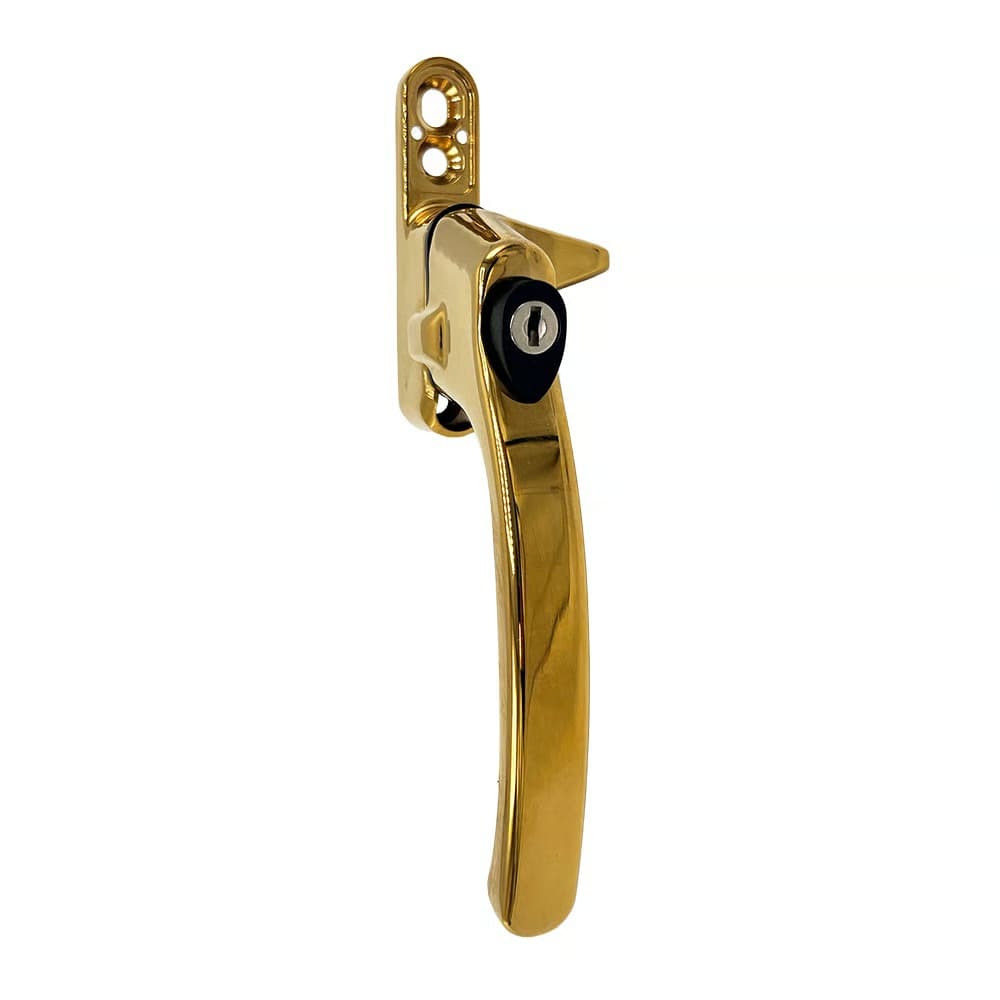
Using a replacement such as the TSS Cockspur Window Handles that matches the existing screw centres preserves the original mounting points and simplifies installation. For trade professionals fitting multiple properties, carrying a small selection of common screw-centred handles reduces visit time.
Measuring screw centres accurately
Accurate measurement prevents ordering the wrong part. Follow these steps:
- Remove the old handle and clean the backplate so the screw holes are visible.
- Use a steel rule or digital callipers; measure from the centre of one screw hole to the centre of the other. Record in millimetres (mm). Common centres are 43mm, 70mm and 92mm, but older or specialist windows may differ.
- Note whether the handle has a separate fixing plate or a through-fix design where screws pass through to the spindle or into the frame. Also record spindle size and length if relevant — common square spindles are 7mm for uPVC.
- Photograph the removed handle and its fixing arrangement for reference when ordering.
Common handle types and their fixings
Window handles differ by operation and fixing style. Key types include:
- Espag handles: Operate an espagnolette locking mechanism with a spindle and are common on modern uPVC windows. Accurate screw centres are essential; many espag handles share standard centres which makes replacements straightforward.
- Cockspur handles: Fit externally and use screws directly into the frame. Cockspur options like the TSS Cockspur Window Handle are simple to fit and often used where an espag mechanism isn’t present.
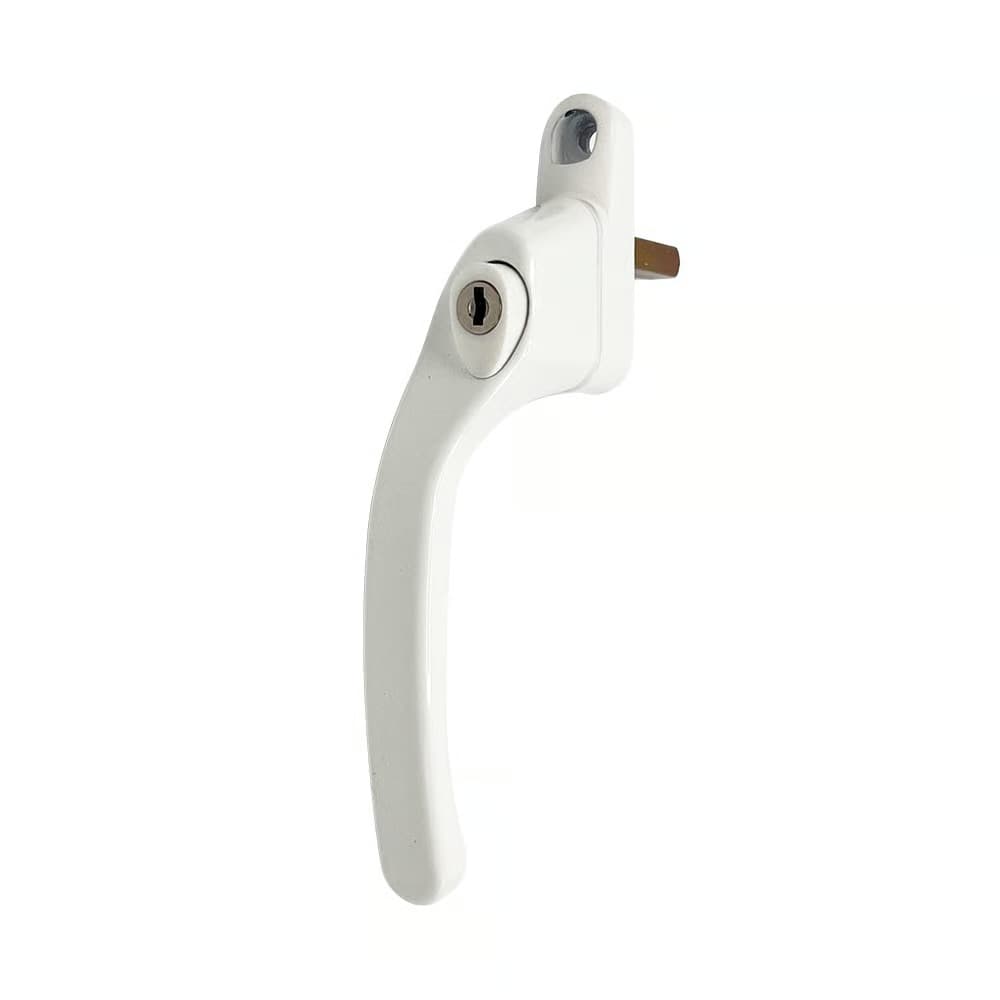
- Lockable handles: Provide additional security and often have longer backplates with multiple fixing points. The TSS Offset UPVC Window Handles is an example of a lockable option with standard fixing dimensions suitable for retrofit replacement.
Replacing handles — step-by-step
This practical approach minimises disruption and ensures correct alignment.
1. Prepare the workspace: Open the window fully and support the sash so it won’t move while removing the handle. Keep screws and components on a magnetic tray. 2. Remove the old handle: Undo the fixing screws and slide out the spindle (note orientation). Retain any washers or bushes. 3. Check and measure: Reconfirm screw centre measurement and spindle dimensions. Compare with the new handle specifications. 4. Trial fit the new handle: Insert the spindle and align the backplate over existing holes. Lightly insert screws without fully tightening to ensure holes line up. 5. Final fixings and torque: Tighten screws evenly so the backplate sits flush. Do not overtighten as this can crack uPVC or strip threads in aluminium. Check handle operation through its full range to ensure smooth engagement of the locking cam or espagnolette. 6. Seal if required: For any newly drilled holes or minor gaps, use a compatible silicone sealant to prevent water ingress.
Tradespeople should carry spare fixings, longer or shorter spindles, and thread inserts to adapt on-site where original components are non-standard.
Troubleshooting and practical tips
- Loose handle after replacement: Check that the screw length is appropriate. Short screws may not grip properly, while overly long screws can contact hardware inside the frame and prevent operation.
- Handle rotates freely without engaging lock: The spindle may be stripped or the cassette/gearbox inside the mechanism could be worn. Replace the internal gearbox or the entire handle assembly if necessary.
- Paint or dirt preventing fit: Clean the back of the handle and the frame surface. Light sanding of the contact area can improve fit for older painted handles.
- Non-standard screw centres: Use a universal adapter plate or consider a handle with a longer backplate that covers the existing holes. Ensure any new plate still allows proper operation and does not impede the window seal.
- Corrosion on metal handles: Choose corrosion-resistant finishes for coastal properties and apply a lubricant to moving parts annually.
Safety, security and maintenance considerations
Always use the correct replacement: a lockable handle on an upper-floor window increases security. Test any new lock to ensure it engages and disengages fully. Regular maintenance — cleaning, lubricating moving parts annually and checking fixings — prolongs handle life and prevents mid-winter failures.
When disposing of old handles, recycle metal components where facilities exist. Keep any removed screws or original spindles until the new handle is confirmed to operate correctly.
Final notes and further resources
Accurate measurement of screw centres and selecting appropriate fixings are the foundations of a successful window handles replacement project. Tradespeople benefit from carrying a selection of common-centred handles and fixings; homeowners can save time by recording measurements before ordering. For a broader overview of handle types, finishes and security ratings, consult the comprehensive guide below.
Related Reading
Explore more guides on related topics:
Part of our guide:
Complete Guide to Window Handles