New Window Handles: Best Options for Double Glazing
Replacing old hardware can make a big difference to the look, security and operation of your windows. This guide explains how to choose, measure for and fit new window handles, with practical tips for compatibility, security upgrades and maintenance. Whether you have UPVC, timber or aluminium frames, you will find actionable advice and product suggestions to help you get the job done.
New window handles refresh the appearance of a room and typically improve operation: smoother locking, less wobble and better security. Worn handles can stress the locking mechanism and gaskets, reducing weatherproofing and creating draughts. Upgrading also gives an opportunity to add modern features such as thumb-turn cylinders for quick locking or to standardise handles across the property.
Understanding handle types helps you choose compatible replacements.
Espag (Espagnolette) handles
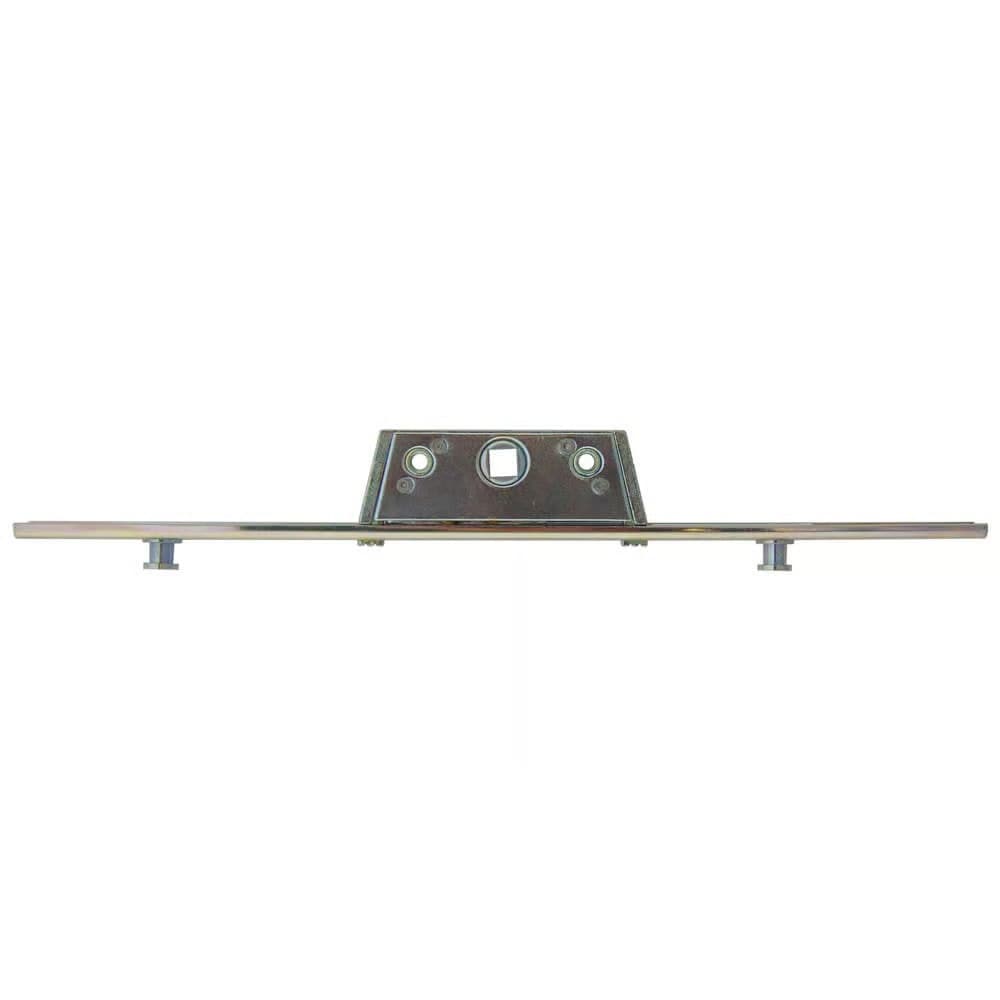
Often used on casement windows and are paired with an espag gearbox or locking mechanism, such as the Avocet Slimline Offset Window Espag.
They usually operate a spindle which drives a multi-point lock.
Best for: UPVC and aluminium casement windows where concealed locking rods or shootbolts are used.
Cockspur handles
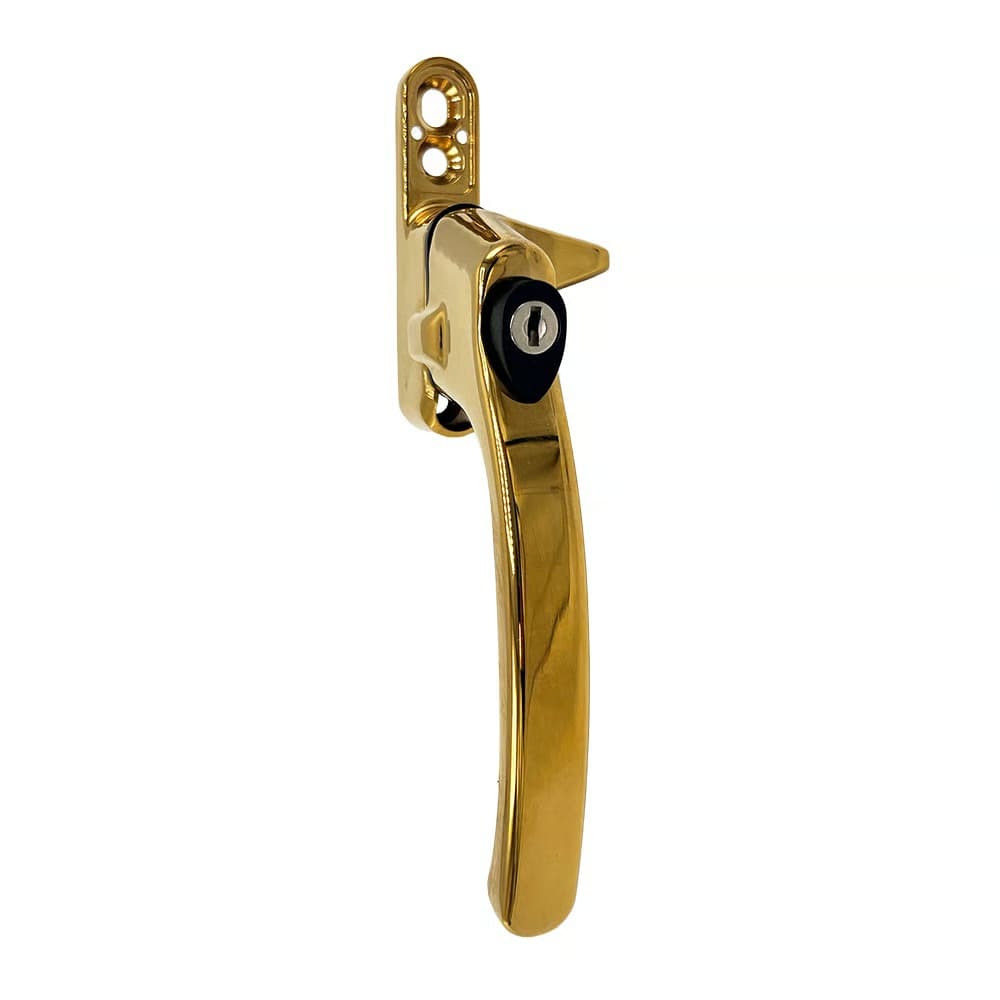
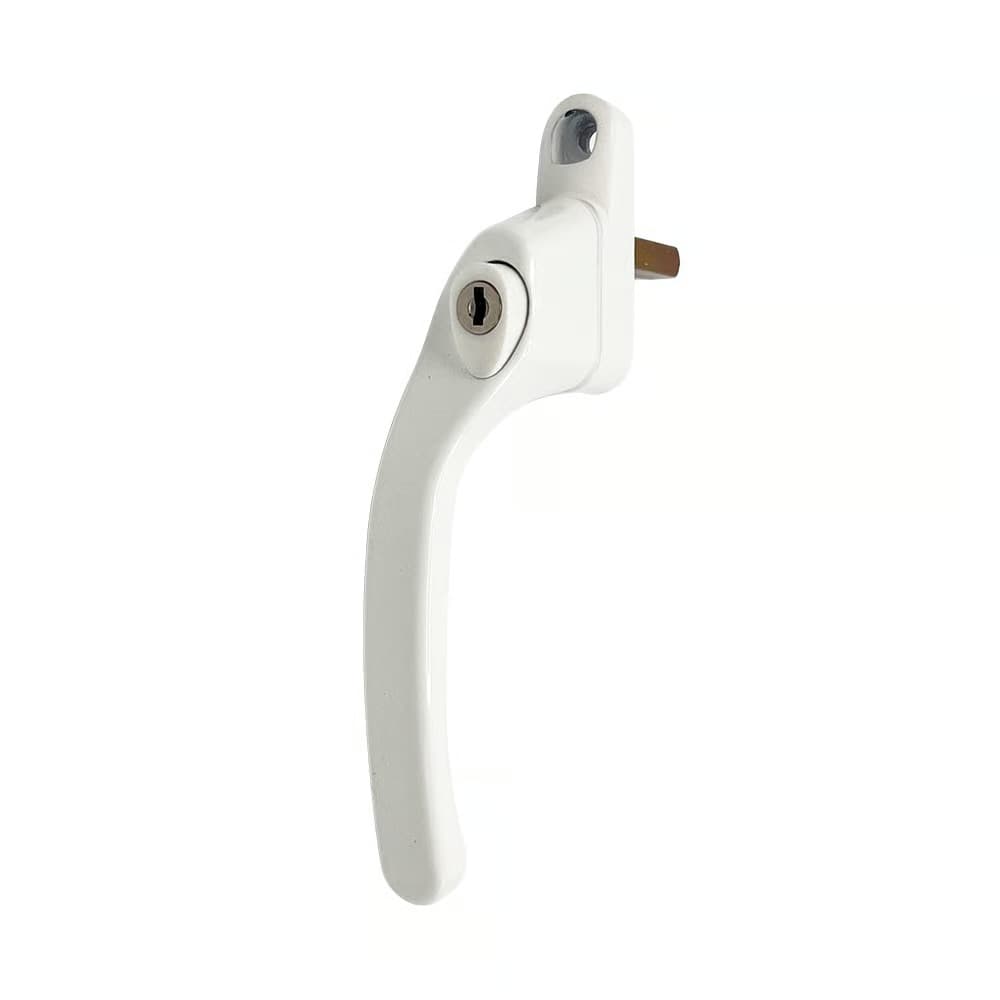
Surface-mounted lever that engages a keeps on the frame; simple and common on older UPVC windows. See TSS Cockspur Window Handles.
Best for: Older UPVC or metal-framed windows where a simple fixed engagement is sufficient.
Offset UPVC handles
Designed for different handle-to-lockhole offsets; popular for replacement jobs because of their compatibility with a variety of gearboxes. Example: TSS Offset UPVC Window Handles.
Best for: Replacement on UPVC frames with non-standard handle backset.
Thumb-turn euro cylinder handles
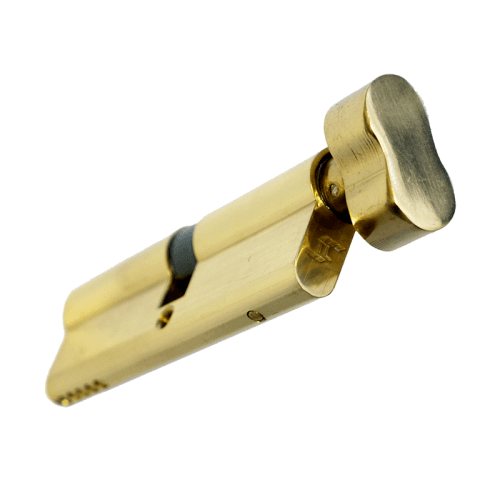
Combine a handle with a thumb-turn cylinder (TL Thumb Turn Euro Cylinder /p/tl-thumb-turn-euro-cylinder) for quick locking without a separate key on the inside.
Best for: Bedrooms, bathrooms or where quick internal locking is desired.
Accurate measurement avoids ordering the wrong part.
Backset / Offset: Measure from the centre of the handle spindle hole to the nearest edge of the handle rose or the mounting screw. For offset UPVC handles, note the offset dimension.
Spindle size and length: Standard spindles are square and typically 7mm, but lengths vary; measure the thickness of the window frame and the gearbox depth. Ensure the spindle will engage the locking mechanism fully.
Fixing hole centres: Measure the distance between mounting screws on the handle rose. Common centres are 43mm or 70mm but always confirm.
Type of locking: Does the handle operate an espag, cockspur, or a direct latch? Photographs of the existing mechanism help when ordering.
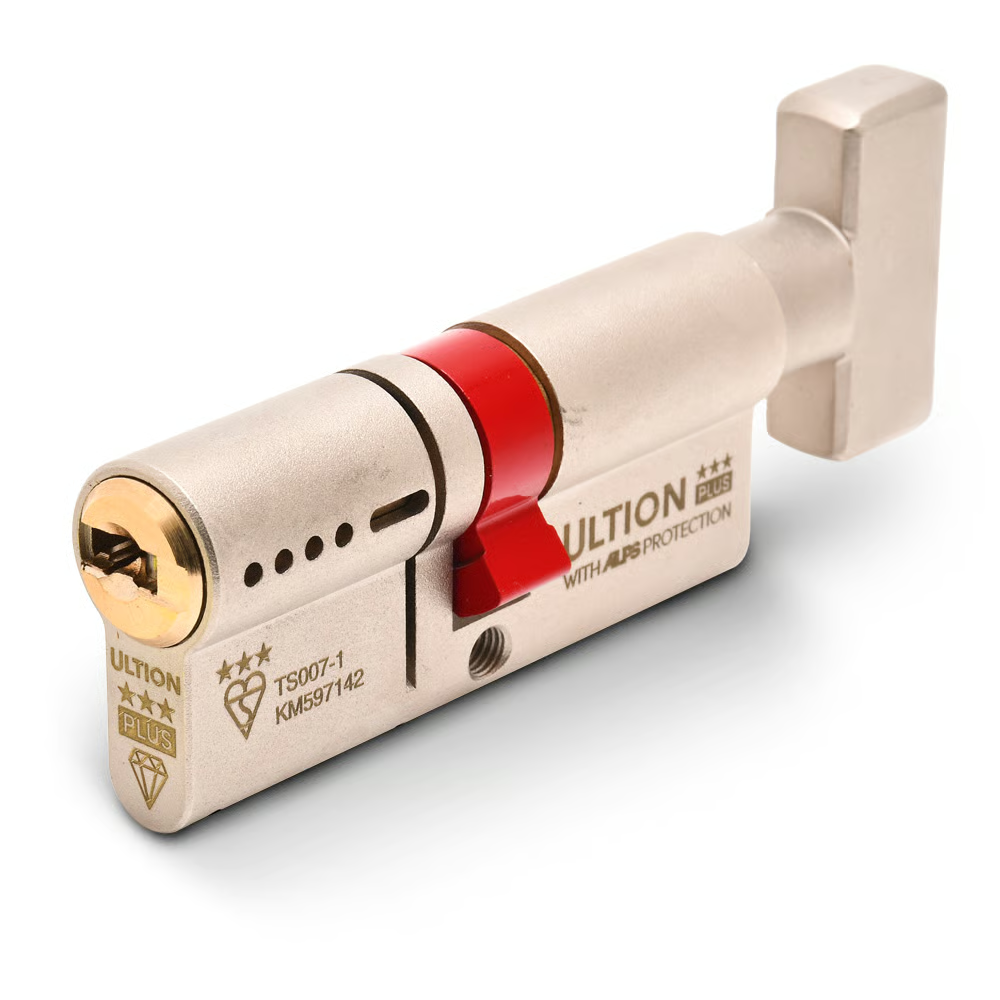
Cylinder dimensions: If replacing a handle with a key-operated cylinder, measure the existing cylinder to match length; consider upgrading to a Kitemarked cylinder such as the Ultion Plus TS007 3* Kitemarked Euro Key & Turn Cylinder.
Tip: Take the old handle and a clear photo into a supplier or include images when ordering online to ensure compatibility.
When fitting new window handles, check how they interact with the rest of the hardware:
Espag handles must match the espag gearbox or the Avocet Slimline Offset Window Espag where fitted.
Cockspur handles need compatible keeps and may require minor adjustment to the frame keep or additional packers.
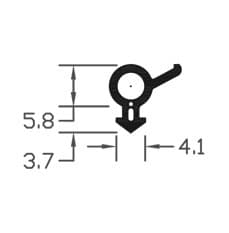
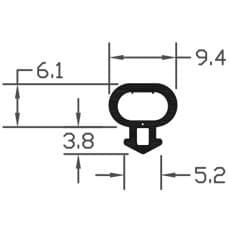
If the window has worn gaskets, such as B003 Bubble Gasket or B004 Bubble Gasket, consider replacing them at the same time to restore sealing.
If hinges or mechanisms are aged, inspect the Top-Hung Window Hinge - Standard and In-Line Window Mechanism; replacing a handle on a poorly functioning hinge will not solve operation issues.
A new handle is a good moment to improve security:
Upgrade to a key-operated cylinder with recognised certification: the Ultion Plus TS007 3* Kitemarked cylinder offers higher resistance to common attacks.
For internal convenience, use a thumb-turn euro cylinder like the TL Thumb Turn Euro Cylinder.
Ensure handles are securely fixed: replace stripped screws and use appropriate stainless steel fixings such as those used with Flag Door Hinge - Stainless Steel for robustness on exposed frames.
For multipoint locking systems, make sure handle throws fully engage the locking points; if not, check the In-Line Window Mechanism or hinge alignment.
Tools needed: screwdriver, hex key set, tape measure, cleaning cloth, possibly replacement screws or shims.
Remove the old handle: open the window to the working position, locate and remove the fixing screws, and withdraw the handle from the spindle.
Inspect the gearbox and spindle: clean any debris and check for corrosion; if the spindle is damaged, replace it.
Check alignment: with the window closed, ensure the locking keep is in the correct position so the new handle will lock smoothly. Adjust keeps if necessary.
Fit the new handle: slide the handle onto the spindle, align the fixing holes and tighten screws evenly. Test operation several times to ensure smooth locking and unlocking.
Final checks: confirm the handle does not bind, the window closes fully and seals against the gasket, and any key cylinder turns correctly.
If the handle feels loose after fitting, do not overtighten; use shims or longer screws to provide a secure fixing without stressing the handle rose.
Clean regularly with a soft cloth and mild detergent; avoid abrasive cleaners.
Lubricate the gearbox and moving parts once a year with a light machine oil or a specialist window lubricant.
Check and replace worn gaskets such as B003 or B004 bubble gaskets to maintain weather performance.
Inspect hinges and mechanisms periodically; replacements such as the Top-Hung Window Hinge - Standard or In-Line Window Mechanism will restore correct operation.
Call a qualified window engineer if:
You suspect structural frame movement or rot.
The locking mechanism is damaged or you are unsure about the correct cylinder length for security upgrades.
Multiple components need replacing: handles, gaskets, hinges and mechanisms together can require alignment and specialist tools.
A professional can ensure compatibility between new window handles and other hardware, and fit high-security cylinders such as the Ultion Plus TS007 correctly.
Measure spindle size and length
Measure backset/offset and fixing hole centres
Identify handle type: espag, cockspur, offset UPVC or euro cylinder
Check existing gaskets and hinges for wear
Decide on security upgrade: thumb-turn or Kitemarked cylinder
Take photos of the existing setup for reference
Changing to new window handles is one of the most cost-effective upgrades for appearance, ease of use and security. With the right measurements and a little preparation, most replacements are straightforward DIY jobs; where multiple components are worn, consider replacing gaskets, hinges or upgrading the cylinder at the same time to get the best long-term result.
Relevant products mentioned for reference:
In-Line Window MechanismTop-Hung Window Hinge - StandardB003 Bubble GasketTL Thumb Turn Euro CylinderTSS Cockspur Window HandlesAvocet Slimline Offset Window EspagFlag Door Hinge - Stainless SteelTSS Offset UPVC Window HandlesB004 Bubble GasketUltion Plus TS007 3* Kitemarked Euro Key & Turn Cylinder
Explore more guides on related topics: