Are Window Handles Standard? The Honest Answer and How to Check
Are Window Handles Standard? The Honest Answer and How to Check
Window handles are small components that make a big difference to the function, security and appearance of your windows. Whether you are replacing a worn handle, upgrading for better security or fitting handles to new profiles, this guide explains types, compatibility, security features and step-by-step installation tips to help you get it right.
Why the right window handles matter
Choosing appropriate window handles affects:
The keyword to remember here is window handles: the right choice improves usability and safety.
Common types of window handles
Espag (espagnolette) handles
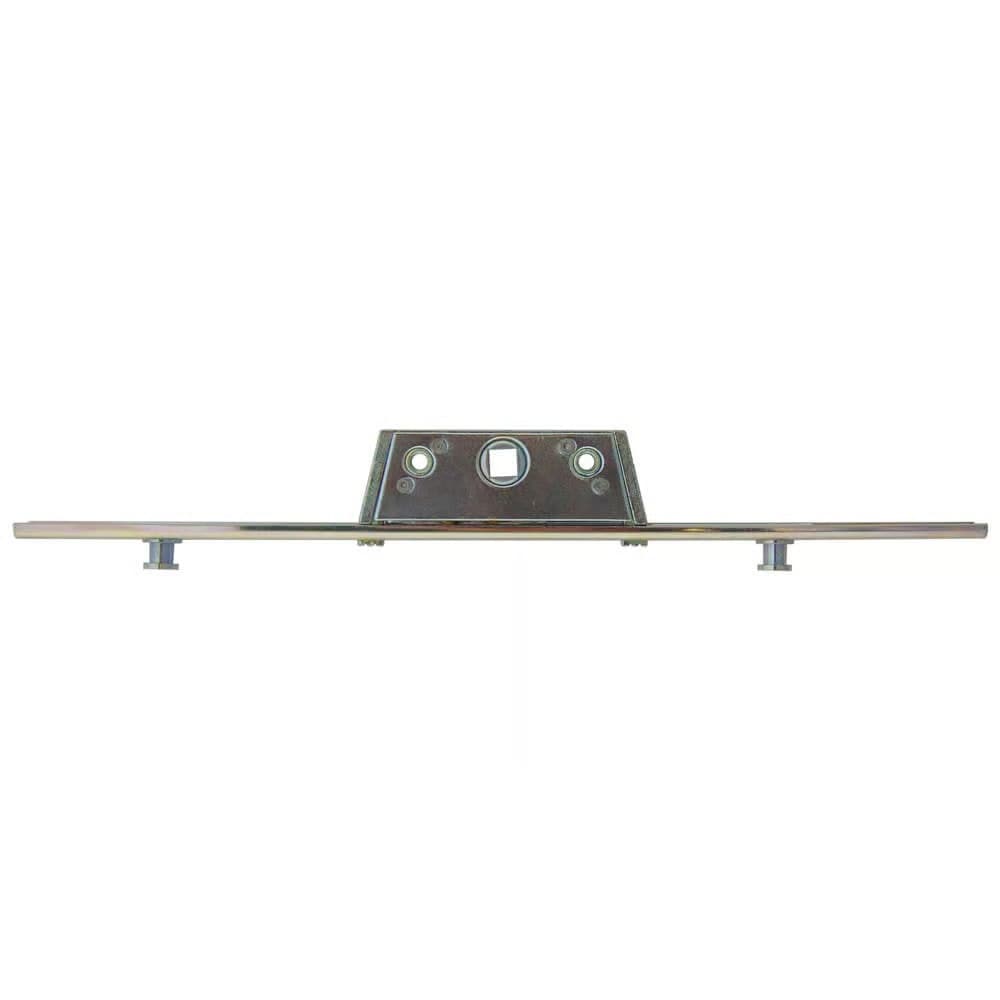
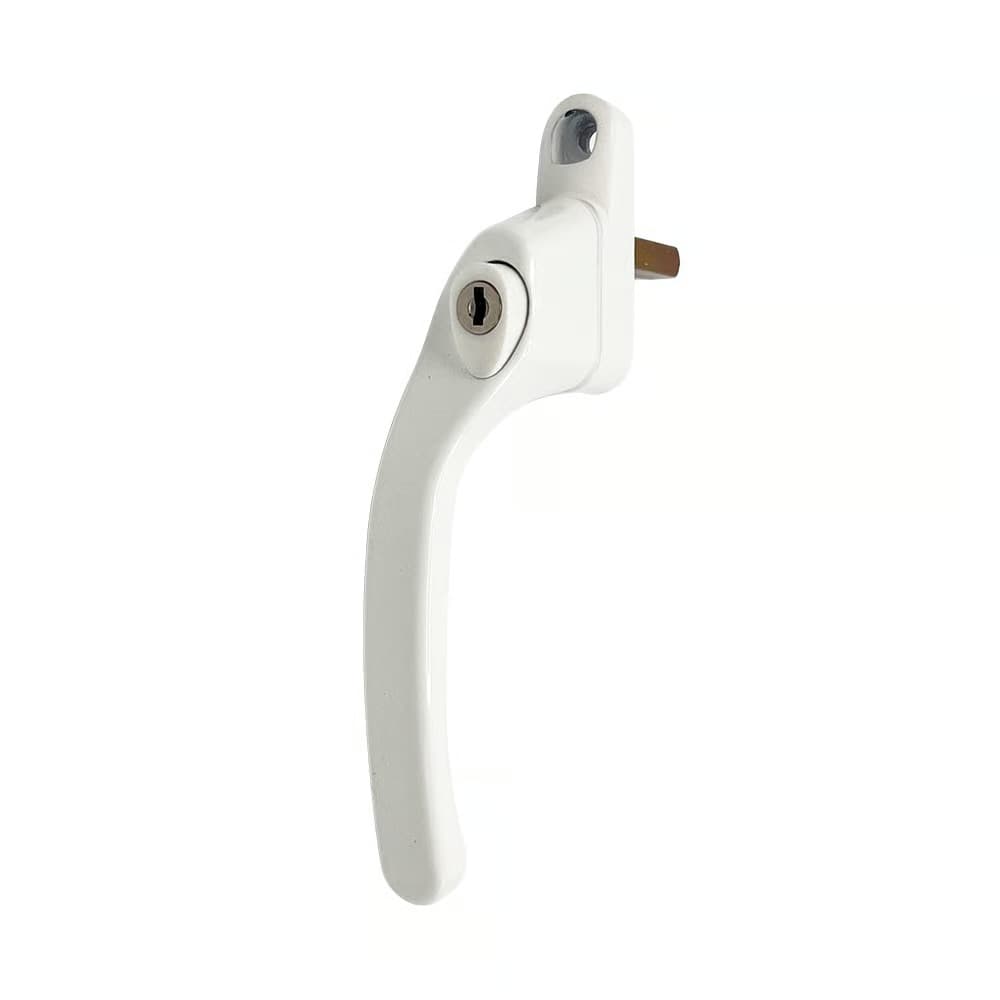
Espag handles operate a multi-point locking mechanism inside the frame. They are common on UPVC and aluminium windows. Example: Avocet Slimline Offset Window Espag (available here: /p/avocet-slimline-offset-window-espag). These come in different backset sizes and offsets so check measurements before buying.
Cockspur handles
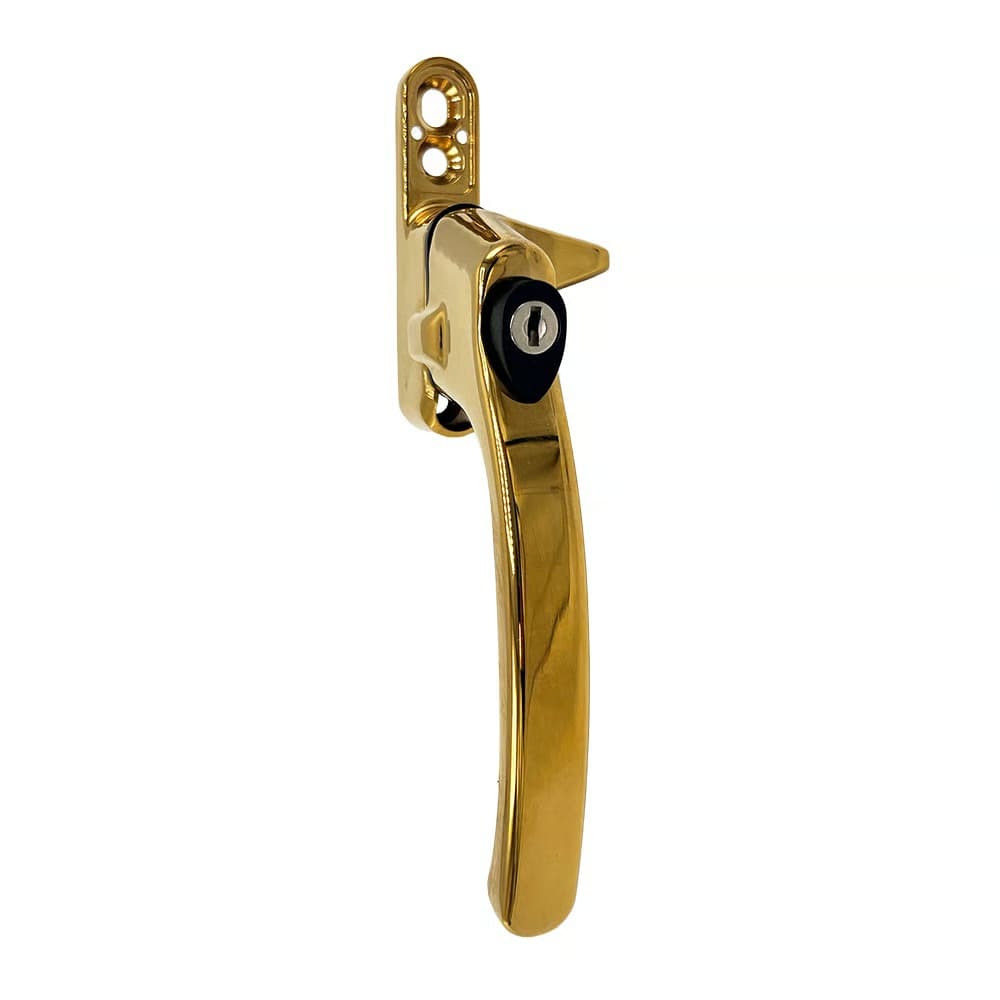
Cockspur handles fit over the face of the frame and engage a keeps or keeps plate. They are straightforward to fit and often used for secondary glazing or older frames. See: TSS Cockspur Window Handles.
Offset UPVC handles
Offset handles are designed to clear beading or other obstructions on UPVC frames. If your handle needs more clearance, choose a TSS Offset UPVC Window Handle.
Thumb-turn euro cylinder handles
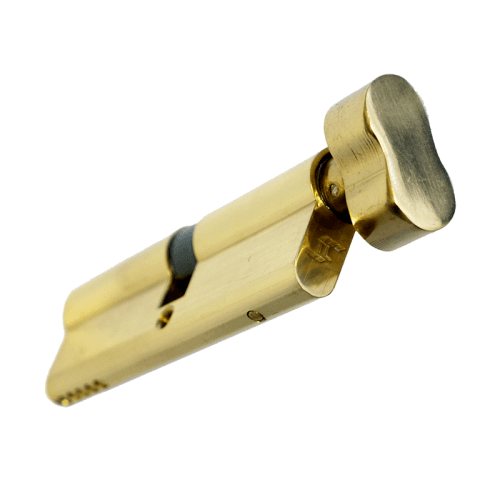
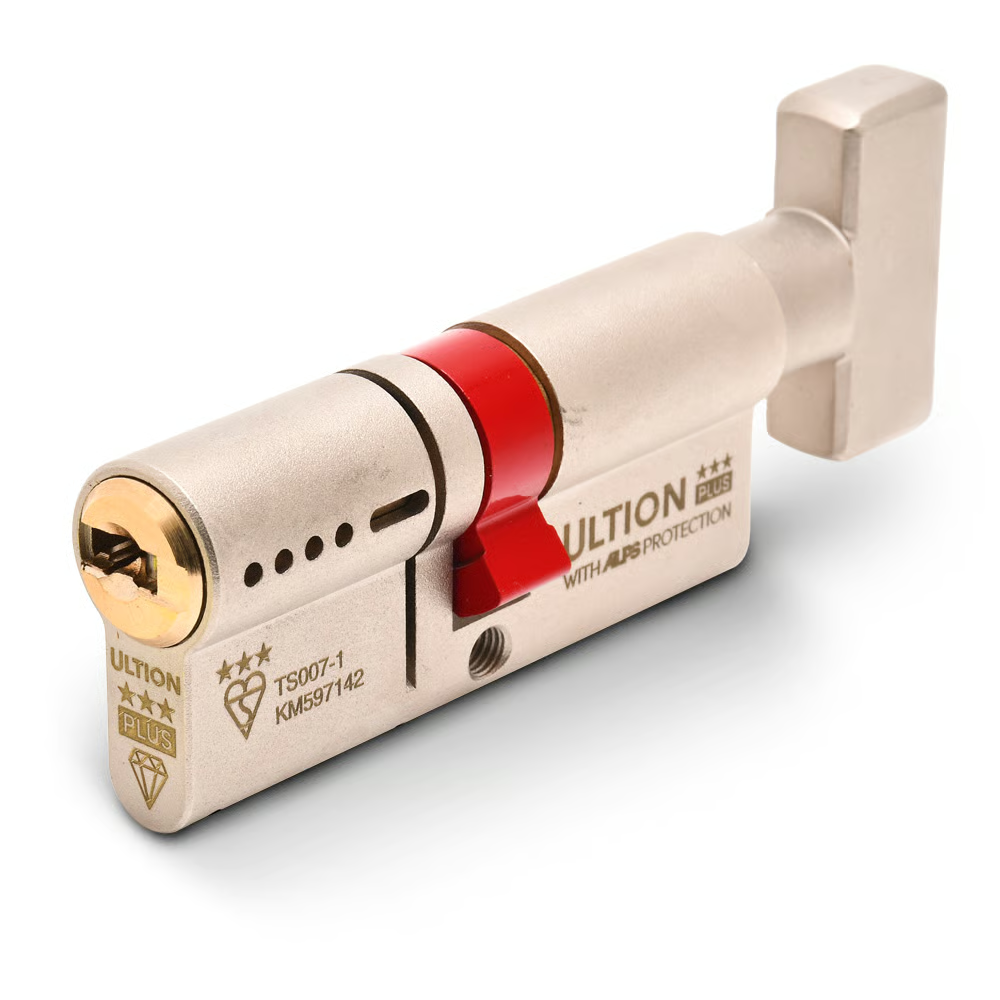
For doors or windows that need keyed access externally and thumb-turn internally, choose an integrated thumb-turn option such as the TL Thumb Turn Euro Cylinder. Combine with a high-security cylinder for best results.
Security considerations
Security for window handles goes beyond the handle itself: it includes the locking mechanism and the cylinder. Consider:
If you are replacing handles on high-risk ground-floor windows, opt for handles with integral locks or pair standard handles with a secure euro cylinder.
Compatibility: what to measure before buying
Before ordering replacement window handles, take these measurements and checks:
Most manufacturers publish compatibility charts; use these to match the handle to the window mechanism, such as the In-Line Window Mechanism or Top-Hung Window Hinge - Standard where fitting relates to opening type.
Practical step-by-step: replacing a typical espag window handle
Tools needed: cross-head screwdriver, measuring tape, replacement handle, penetrating oil (if screws stiff), lint-free cloth.
For cockspur handles, the process is similar but you will be locating the keeps on the frame face rather than engaging an internal espag rod.
Maintenance tips to extend life
When to replace the mechanism, not just the handle
If handles are loose even after tightening, the gearbox or espag rod may be worn. Signs you need a new mechanism include:
In those cases fit a new In-Line Window Mechanism and consider matching the new handle to the new mechanism.
Special cases: top-hung and outward-opening windows
Top-hung casement windows and outward-opening units may need different hinge and handle arrangements. Check the hinge type, for example Top-Hung Window Hinge - Standard, and select handles that allow the required travel and locking position. For heavier or coastal-exposed windows, stainless fittings such as Flag Door Hinge - Stainless Steel for adjacent hardware help longevity.
Final checklist before you buy
Choosing the correct window handles is a balance of function, security and finish. With the right measurements and a little practical care during installation, you can improve window operation and safety quickly and economically. If in doubt about cylinder security or complex espag mechanisms, consult a qualified locksmith or window specialist.
For compatible parts and replacements mentioned in this guide, see the product references provided above.
Related Reading
Explore more guides on related topics:
Part of our guide:
Complete Guide to Window Handles