Inline vs Offset Window Handles: Which Do You Need?
Choosing the right handle for a casement or tilt-and-turn window is a small decision with real impact on fit, operation and appearance. This guide explains inline vs offset window handles so tradespeo...
Choosing the right handle for a casement or tilt-and-turn window is a small decision with real impact on fit, operation and appearance. This guide explains inline vs offset window handles so tradespeople and competent DIYers can select and install the correct hardware quickly and correctly. We focus on practical considerations: compatibility, measurements, security features and common installation issues.
What is an inline window handle?
An inline window handle is a handle whose spindle aligns with the centre of the handle backplate and engages the espagnolette mechanism directly in line with the handle body. That means the spindle passes straight through the door or window frame without a lateral offset; the handle sits central to the locking mechanism. Inline window handle is a common choice for modern aluminium and uPVC windows where a neat, flush appearance and straightforward alignment are important.
What is an offset window handle and when to use it?
An offset window handle has a spindle that is not central to the backplate: the spindle is set to one side so the handle can clear glazing beads, furniture or beaded profiles. Offset designs are useful when the window’s internal hardware or profile prevents a centred spindle. Use an offset window handle when the frame shape, external trim or sash geometry requires the spindle to be positioned away from the central axis.
Key differences: practical considerations for trades
Understanding the differences helps avoid returns and on-site adjustments. Consider these points when specifying or ordering handles:
- Compatibility: Check the existing espagnolette, lock case or adapter plate; an inline window handle usually requires a straight-through spindle; an offset handle may need a specialised adapter.
- Backset and spindle length: Measure the distance from the face of the profile to the lock mechanism; mismatched dimensions cause poor engagement or cosmetic gaps.
- Spindle type: Square spindles are standard on inline window handle sets; some offset applications use splined or keyed spindles—verify before ordering.
- Crank and clearance: Offset handles provide clearance around beads and glazing; inline handles need clear direct access to the lock case.
- Appearance and ergonomics: Inline window handle gives a symmetric look; offset may feel different in hand and alter throw direction slightly.
- Security extras: Some inline and offset window handles come with keyed locking, push-to-lock or crowd-resistant features – choose to meet the needed security specification.
How to measure for replacement handles
Correct measurement avoids wasted trips. Follow this sequence to ensure you order the right inline or offset window handle:
- Identify whether the existing handle is inline or offset: look at the spindle relative to the backplate’s centre.
- Measure spindle length: from the face of the handle backplate to the end of the spindle; common lengths are 25mm, 30mm, 35mm and 45mm.
- Measure spindle size and shape: typically 7mm square for many inline window handle applications; check for splines or keyways.
- Note screw hole centres: measure the distance between fixing holes on the backplate; some handles have universal hole spacing while others are profile-specific.
- Record frame profile and glazing bead details: this determines whether you need an offset option to clear obstructions.
Installation tips for tradespeople
Fitting an inline window handle is usually straightforward, but attention to detail matters. These trade-tested tips will save time and reduce callbacks:
- Always remove old hardware and clean mating surfaces; ensure the new handle sits flush against the profile.
- Use the correct spindle length: if too long, cut to size with a fine-toothed hacksaw and de-burr the end; too short and the lock will not engage fully.
- Check alignment before tightening: lightly fit screws, operate the handle through its full travel and confirm the locking points engage smoothly; then torque screws evenly.
- When installing an offset handle, verify clearance around glazing beads and ensure the handle doesn’t contact seals or gaskets during operation.
- For keyed inline window handle replacements, ensure cylinder alignment is correct and any escutcheon plates are secured to prevent cylinder rotation under attack.
- Apply a drop of lubricant to the spindle and mechanism during installation: avoids stiffness and reduces early wear.
Security and compliance considerations
Both inline and offset window handles can be specified to meet security requirements, but trades need to consider certification and practical security:
- Choose handles with key-locking options or two-point locking for accessible ground-floor windows. A locked inline window handle may be quicker to operate but check cylinder grading for compliance.
- Look for handles tested to PAS 24 or Secured by Design where required; a compliant handle helps meet client specifications for new builds and refurbishments.
- Consider restrictor and ventilation functions: some inline window handle models include integral restriction for safe ventilation while maintaining security.
Inline window handle or offset: which do you need? If the spindle lines up with the locking mechanism and you prefer a clean, symmetric finish; choose an inline window handle. If frame profile, glazing beads or obstructions necessitate lateral spindle placement; choose an offset window handle. When in doubt, measure the existing setup and check spindle type and screw centres before ordering.
Recommended Products
Based on this article, you may find these products helpful:
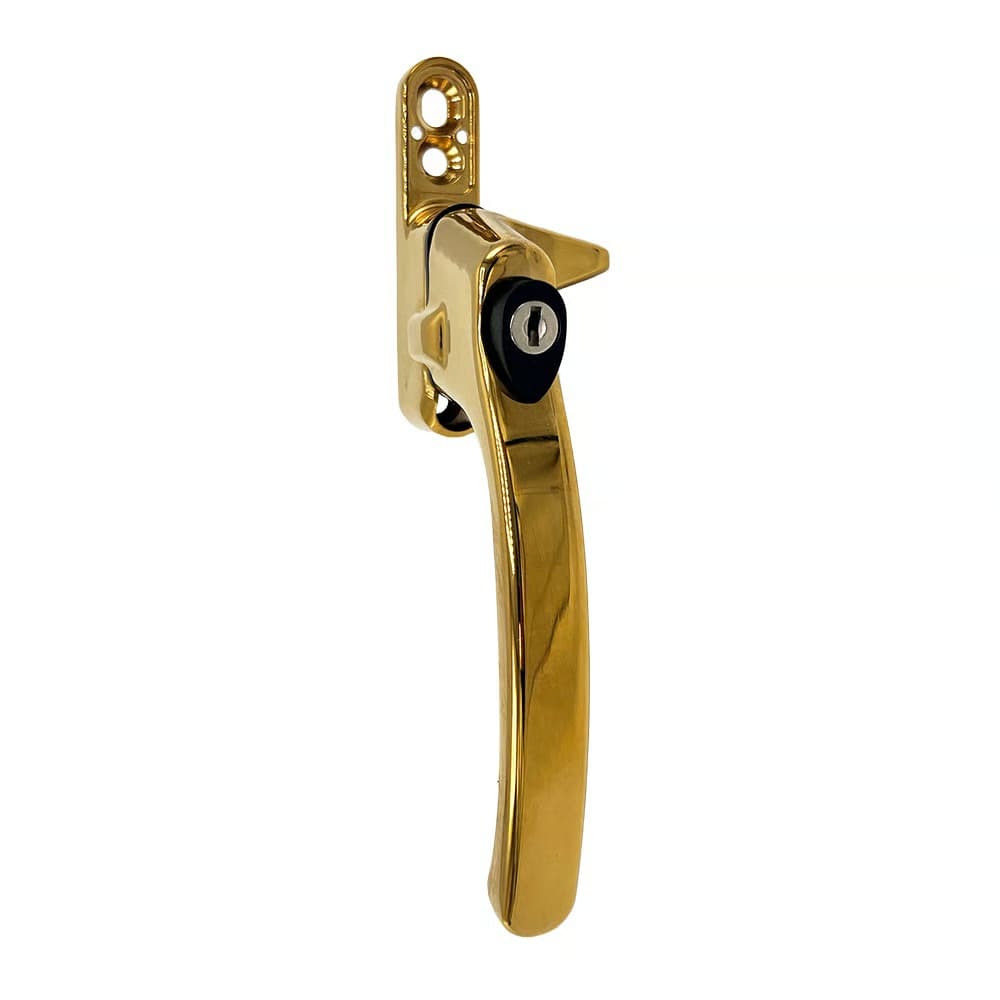
- TSS Cockspur Window Handles
- TSS Offset UPVC Window Handles
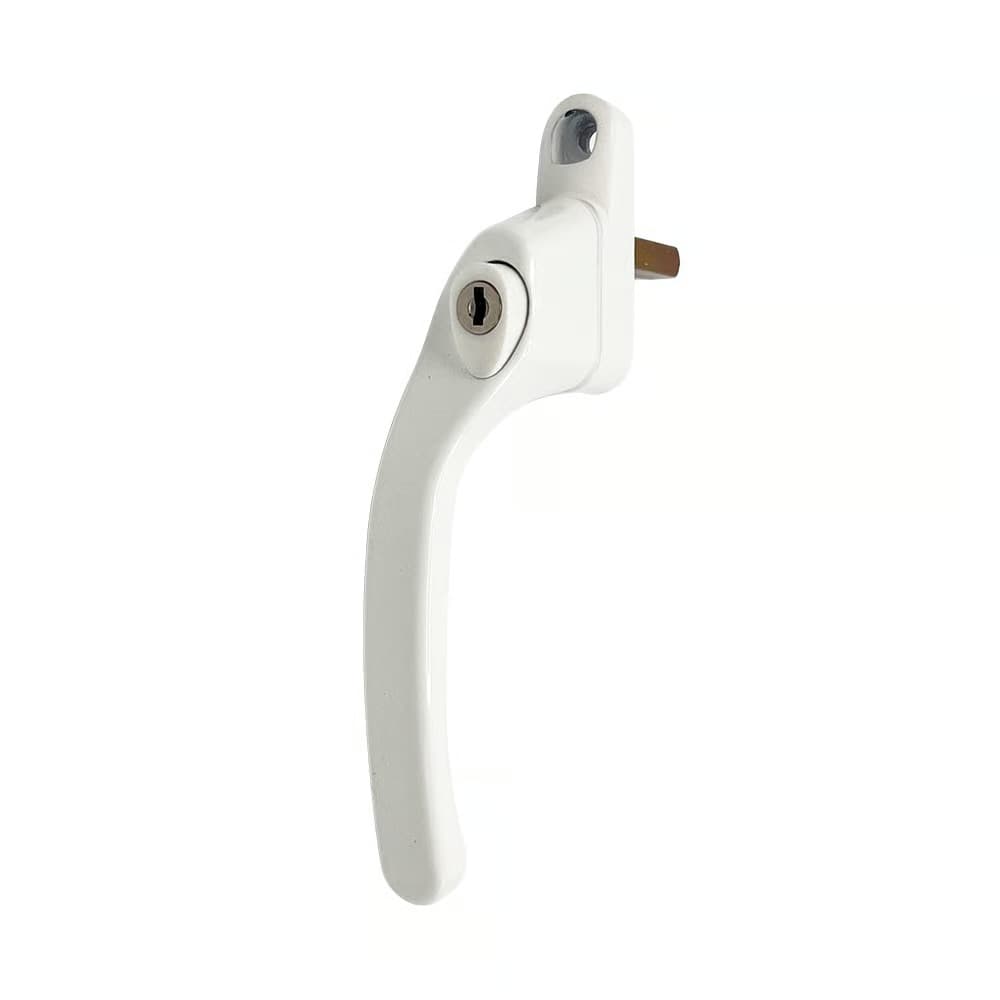
- ERA Universal Inline Window Handle
- In-Line Window Handle - White
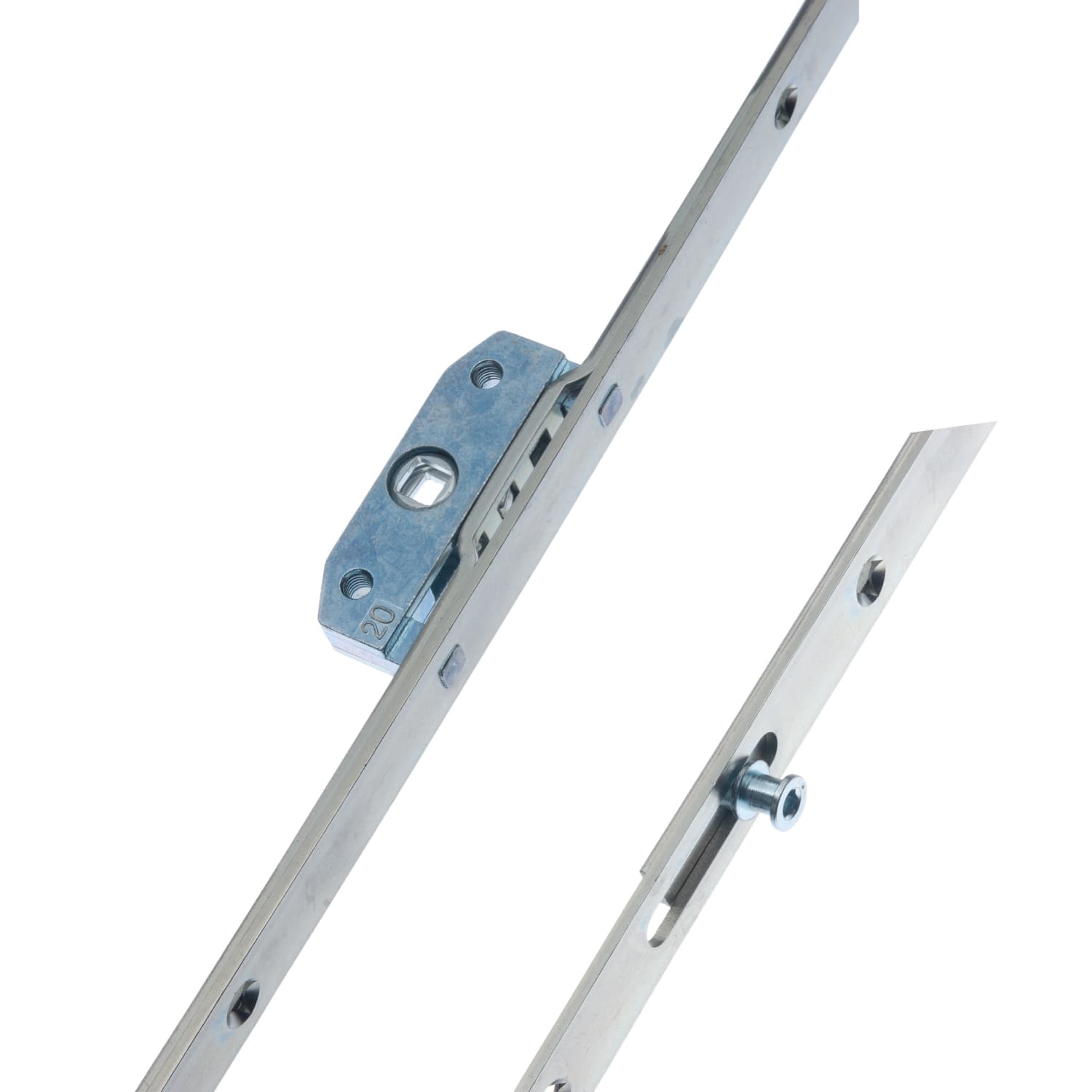
- ERAB Espagnolette Window Lock Universal Lock Replacement
Conclusion: specifying the right handle for the job
Selecting between an inline window handle and an offset window handle is largely about fit and function. For tradespeople the priorities are accurate measurement, matching spindle and screw centres, and ensuring security and operation meet the job spec. For DIY enthusiasts the key is to identify whether the existing handle is inline or offset, measure carefully and choose a handle with matching spindle and backplate dimensions. With correct selection and tidy installation you avoid rework and provide a durable, neat finish that satisfies clients and end-users.
Part of our guide:
Complete Guide to Window Handles