Replacing Window Handles: The Complete DIY Guide
Replacing window handles is a straightforward way to improve security, restore smooth operation and refresh the look of a home. This guide explains how to...
Replacing window handles is a straightforward way to improve security, restore smooth operation and refresh the look of a home. This guide explains how to identify handle types, choose suitable replacements, prepare correctly, and fit new handles step by step. Advice is tailored for both homeowners tackling DIY and tradespeople seeking efficient routines, with practical troubleshooting and safety tips.
Identify the handle type and mechanism
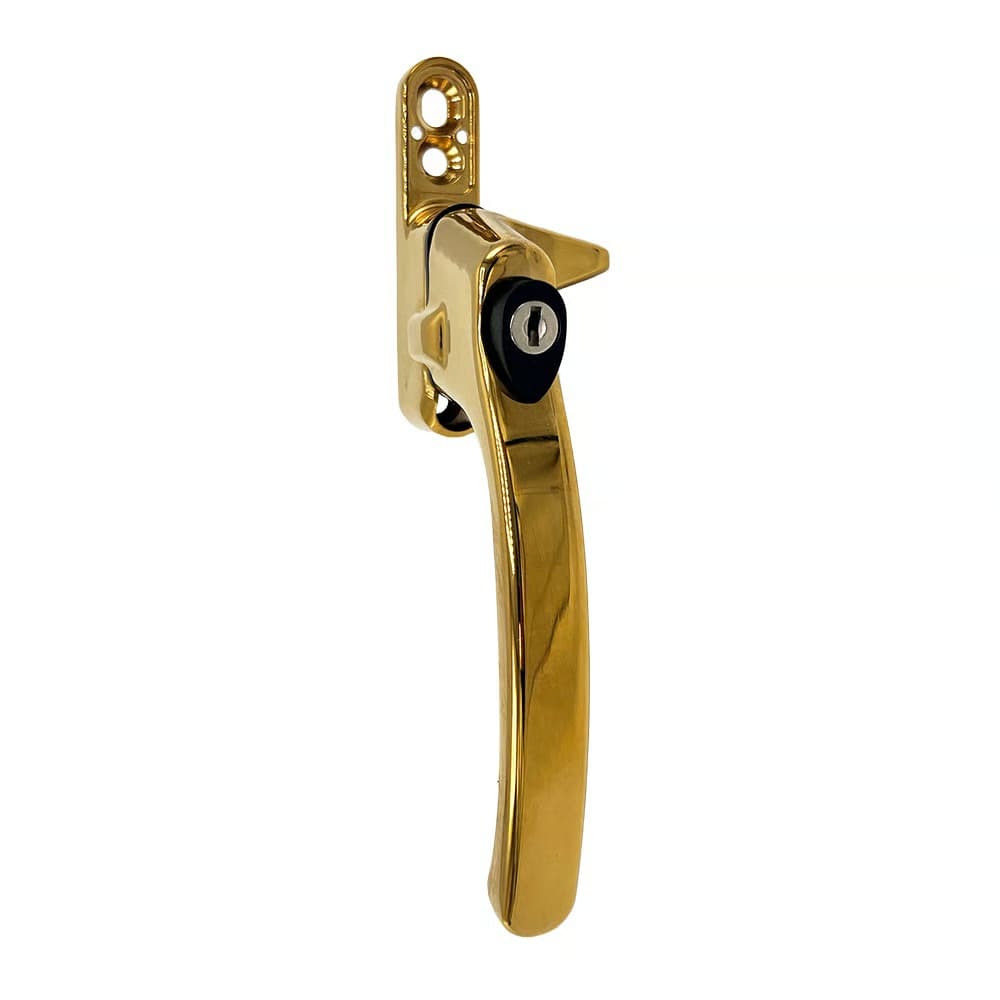
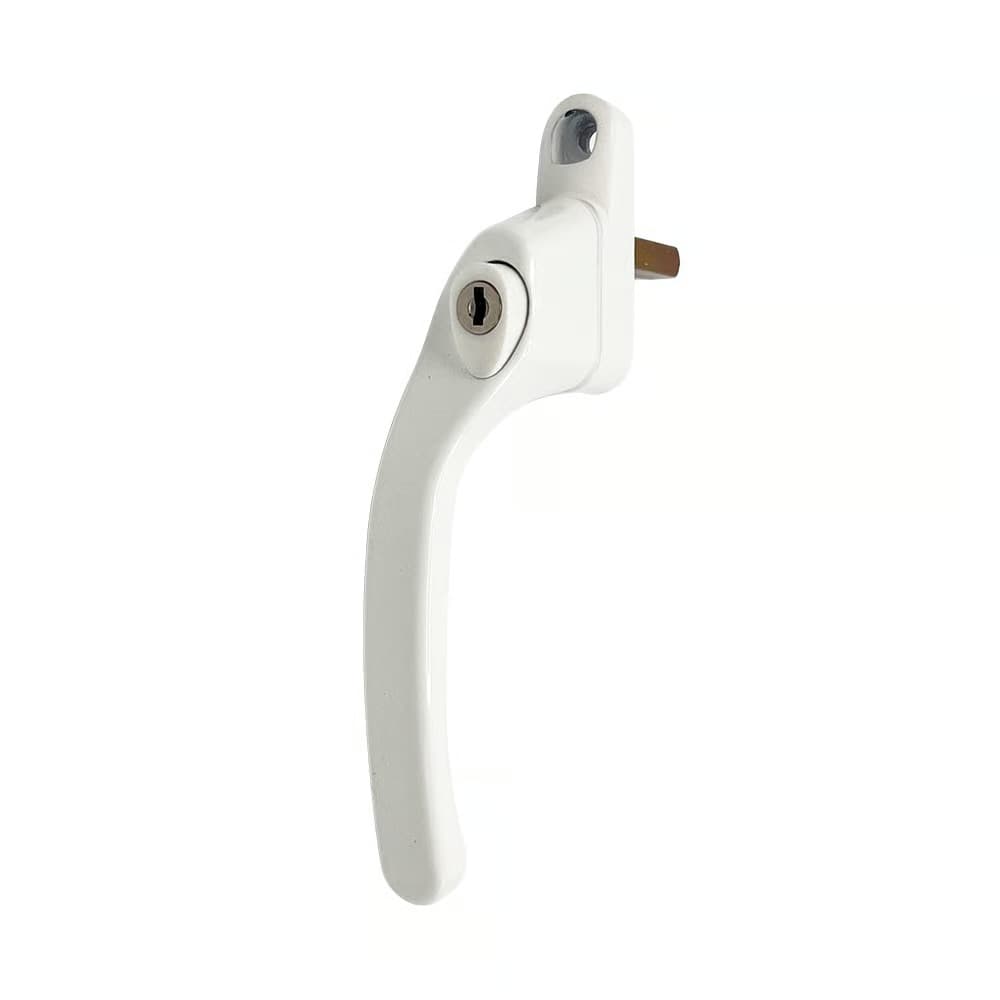
Start by determining the style and fixing method of the existing handle. Common types include espagnolette (espag) handles used on modern uPVC windows, cockspur handles found on older metal or wooden frames, and lever/lockable handles. Recognising the mechanism avoids buying incompatible parts.
- Espag handles generally have a square spindle and operate an internal locking mechanism; measurements and spindle length are crucial.
- Cockspur handles clamp over the window frame and rely on a projecting hook or spur for locking; they are surface-mounted.
- Lever handles may include a cylinder for a lock; the backplate and screw spacing must match the new handle.
Tools and materials required
Prepare tools before starting to ensure a smooth installation:
- Screwdrivers (Philips and flat-head)
- Hex key set (for some handles)
- Tape measure and vernier calipers for precise measurements
- Replacement handles and fixings
- Masking tape and pencil for marking
- Cleaning cloth and mild detergent
- Threadlocker (optional) and silicone lubricant
- Safety gloves and eye protection
Measure and order the correct replacement
Accurate measurements prevent returns and delays:
- Measure spindle length from the handle base to the end (for espags), and record spindle square size (commonly 7mm or 8mm).
- For backplate handles, measure the screw centres (distance between screw holes) and backplate height/width.
- Note the handedness: which way the handle points when closed; many handles are reversible but confirm before purchase.
- Confirm screw types used on the existing handle, particularly for older timber where thread type matters.
Removing the old handle
Follow safe step-by-step removal: 1. Open the window to a convenient working position and support the sash so it cannot slam shut. 2. Remove any handle cover caps to access fixing screws. 3. Unscrew the fixing screws while holding the handle to prevent it falling. 4. For espag handles, withdraw the spindle straight out; for cockspur, unhook or unscrew the clamping mechanism. 5. Clean the area, removing old sealant or dirt, and assess the condition of screw holes and the surrounding profile.
Inspect the espag gearbox or internal mechanism; if the gearbox is worn it may be more economical to replace both handle and gearbox.
Installing the new handle
Installation is typically the reverse of removal, with attention to alignment and secure fixing: 1. Align the spindle with the operating slot of the window mechanism; ensure the handle is in the neutral (closed) position. 2. Insert the spindle fully; for adjustable or stepped spindles, select the correct position to achieve smooth operation. 3. Hold the handle and insert fixings loosely, then tighten evenly to avoid distorting the backplate. Use threadlocker on metal-to-metal fixings for trades installations in high-vibration areas. 4. For cockspur handles, position the hook over the frame and tighten the retaining screws so the hook engages without binding. 5. Operate the handle several times to confirm smooth movement and full engagement of locking points. 6. Seal any exposed screw heads with the supplied caps and apply a small amount of silicone lubricant to moving parts.
For lockable handles, ensure the cylinder engages correctly; test locking and unlocking several times with the key.
Common problems and troubleshooting
Several issues can occur during replacement; practical solutions follow:
- Handle wobbles after fitting: check screw tightness and integrity of screw threads. If threads have been stripped in plastic frames, use larger diameter screws or plastic anchors designed for window profiles.
- Stiff or binding operation: confirm spindle length is correct and the handle is not compressing the gasket. Adjust the locking gearbox or check that multipoint gearbox components are aligned.
- Handle does not operate locking points: ensure the espag gearbox or multiplier box is in good condition and that the spindle engages fully. Replace internal gearboxes if worn.
- Incorrect handedness or poor fit: some handles are reversible; flip or reposition the handle according to manufacturer instructions. If backplate screw centres do not match, an adapter plate may be necessary.
Maintenance tips to prolong life
Regular maintenance reduces future replacements:
- Clean handles periodically with mild detergent and water; avoid abrasive cleaners.
- Lubricate moving parts annually with a silicone spray; do not use heavy oil on plastic components.
- Tighten screws during routine checks to prevent loosening from everyday use.
- Replace worn internal gearboxes promptly to avoid damage to new handles.
Safety and compliance
Ensure compliance with building safety and standards:
- For windows used as means of escape, maintain functionality and do not install locks that impede egress.
- Use handles rated for the window type and load; for commercial work, adhere to relevant British Standards where applicable.
- Wear appropriate PPE during installation, especially when working at height.
Related Reading
Explore more guides on related topics:
Part of our guide:
Complete Guide to Window Handles